In the aftermath of Congress failing, once again, to advance a college sports reform bill, colleges might recognize that they hold the key to figuring out their own problems.
They might also recognize that even if Congress eventually passes and President Donald Trump signs a college sports reform bill, new rules will only work if colleges don’t undermine those rules.
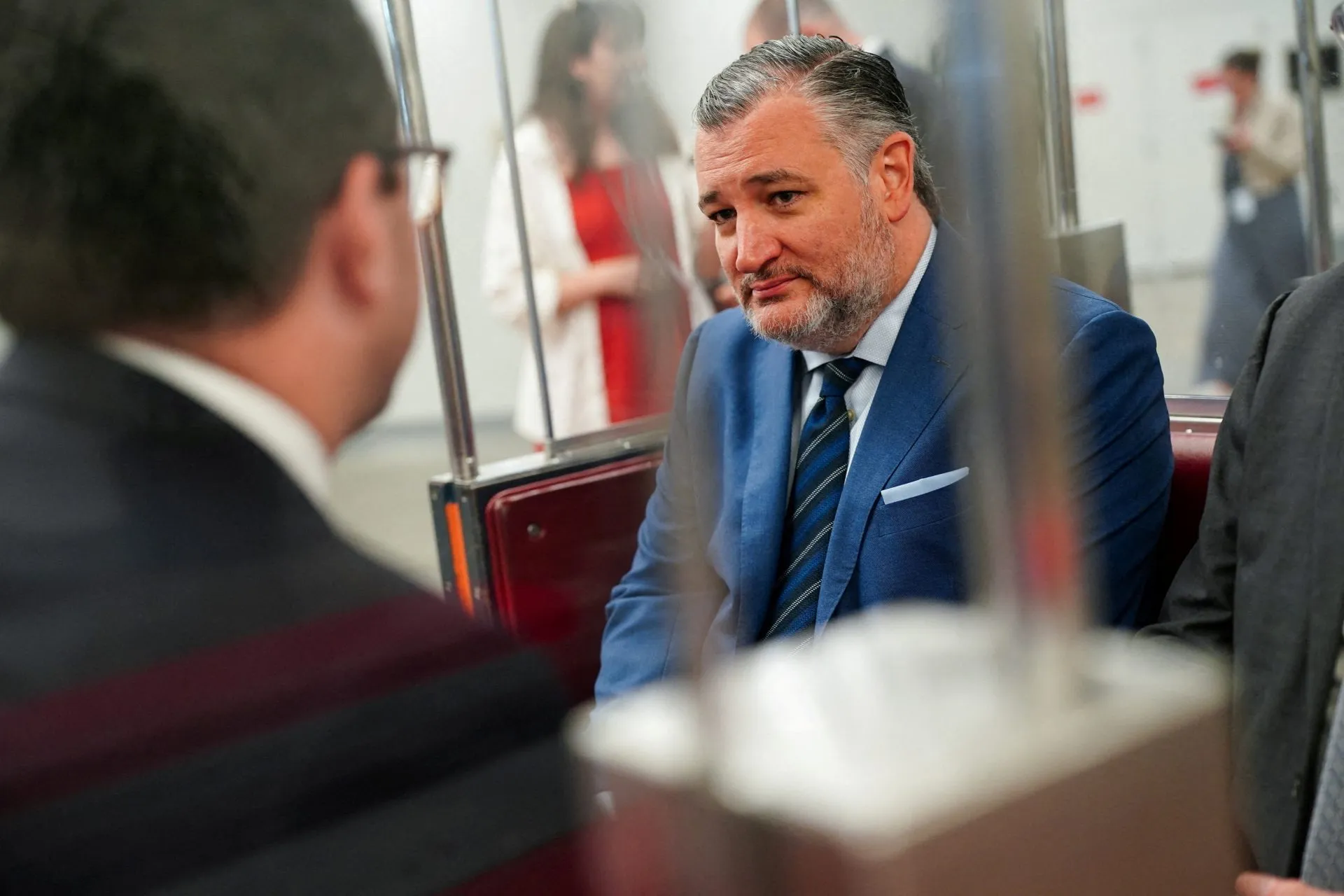
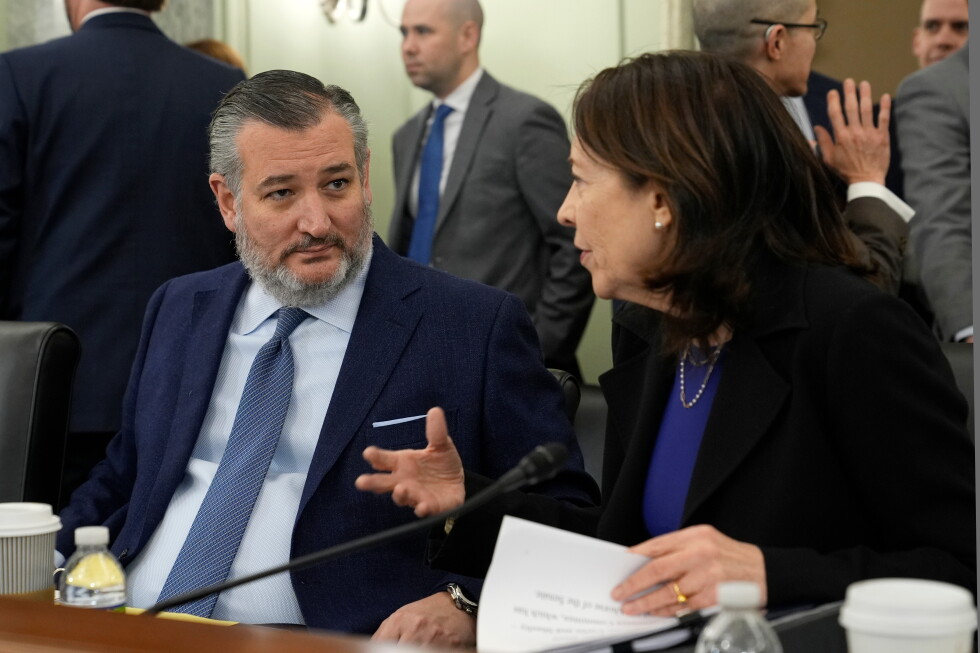
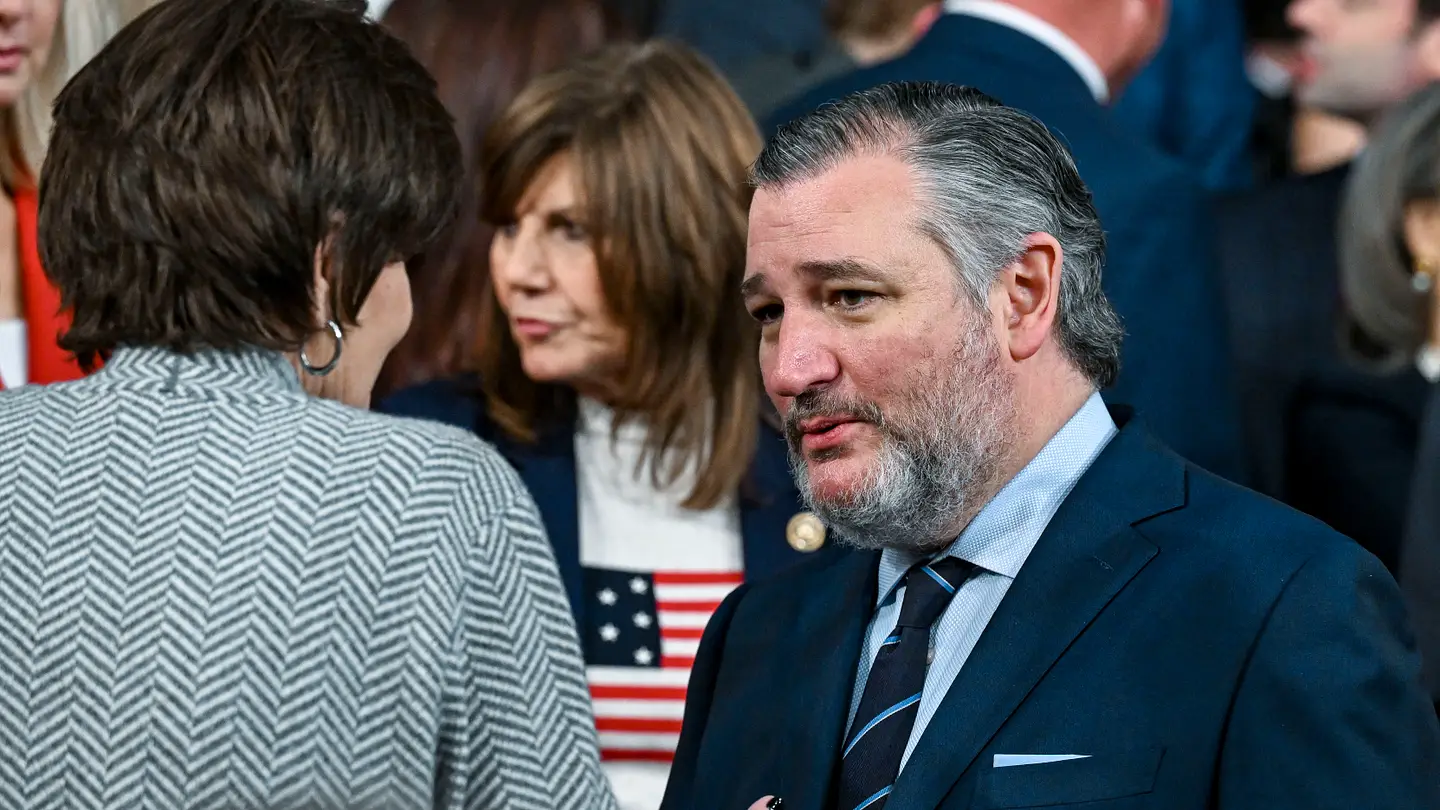
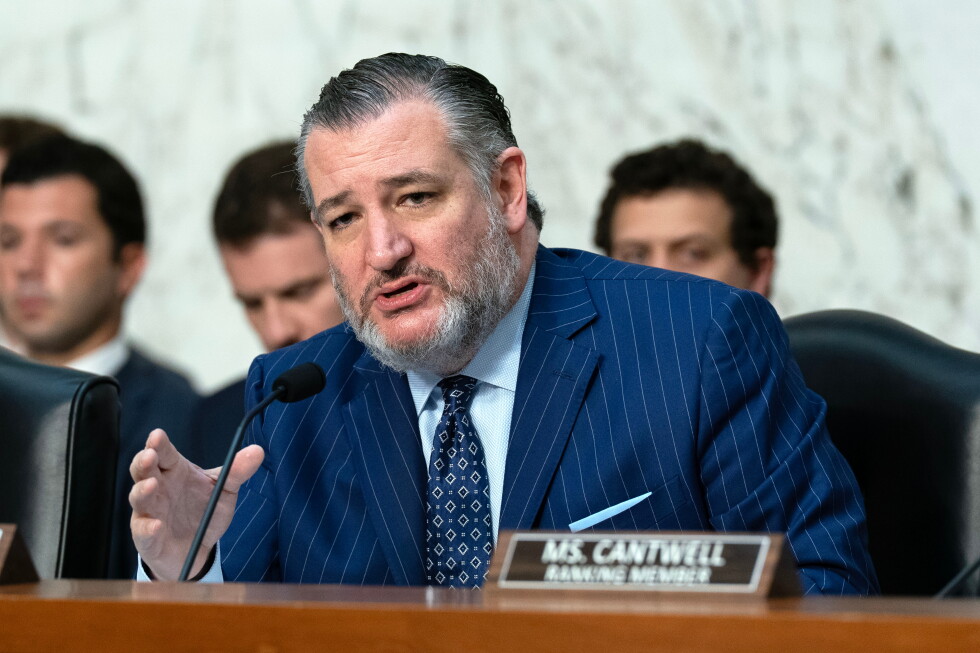
Early Saturday morning, the clock ran out for a potential vote on the Protect College Sports Act ahead of the Senate’s five-week recess. Sponsored by Sen. Ted Cruz (R-Texas) and Sen. Maria Cantwell (D-Wash.), the PCSA would provide the NCAA and its members with a targeted antitrust exemption related to eligibility and transfers, media rights pooling and a hard cap on school spending.
The bill came close to a vote, but pockets of opposition by several senators, who individually can hold a bill’s advancement, halted progress.
One source of opposition concerned whether the PCSA would preempt state laws that prohibit transgender students from participating in sports consistent with their gender identity. The White House legal counsel’s office issued a letter stating that the PCSA’s preemption language has no bearing on transgender athlete eligibility “or anything related to sex-based discrimination.” Instead, the language concerns the athlete being a student, meeting academic requirements, not being a professional and playing no more than five years past age 24. The letter didn’t sufficiently abate those (and other) concerns, and the PCSA didn’t reach the floor.