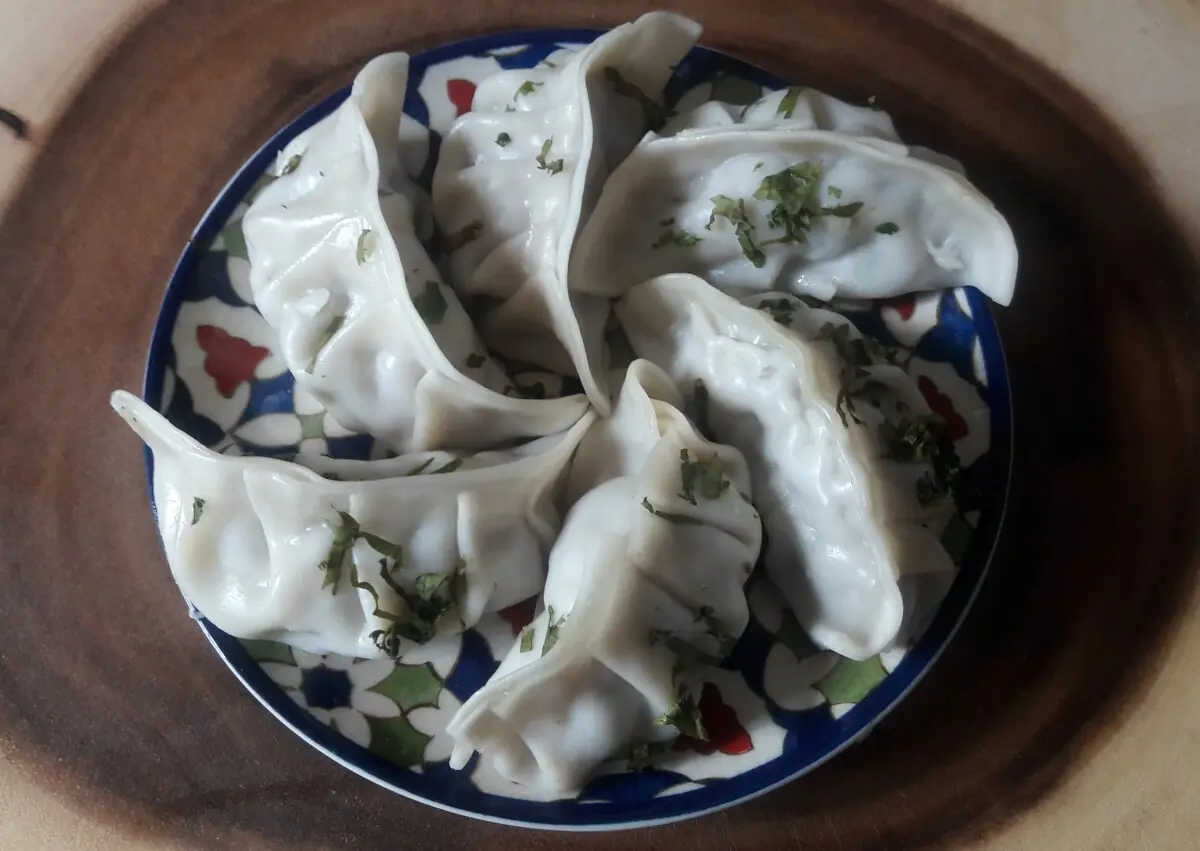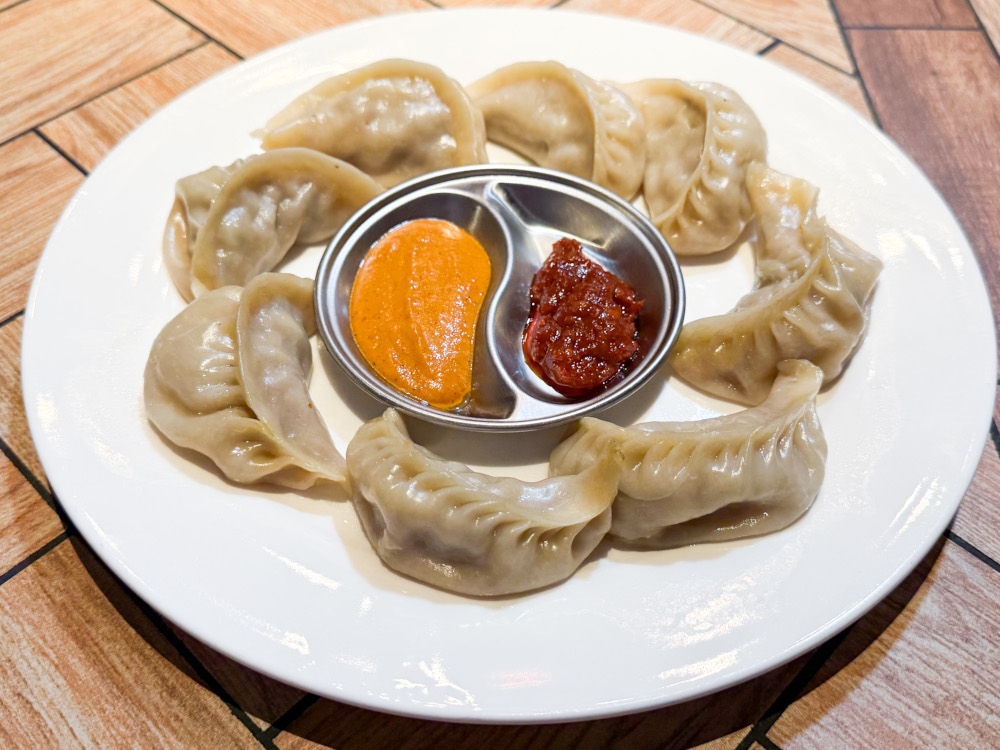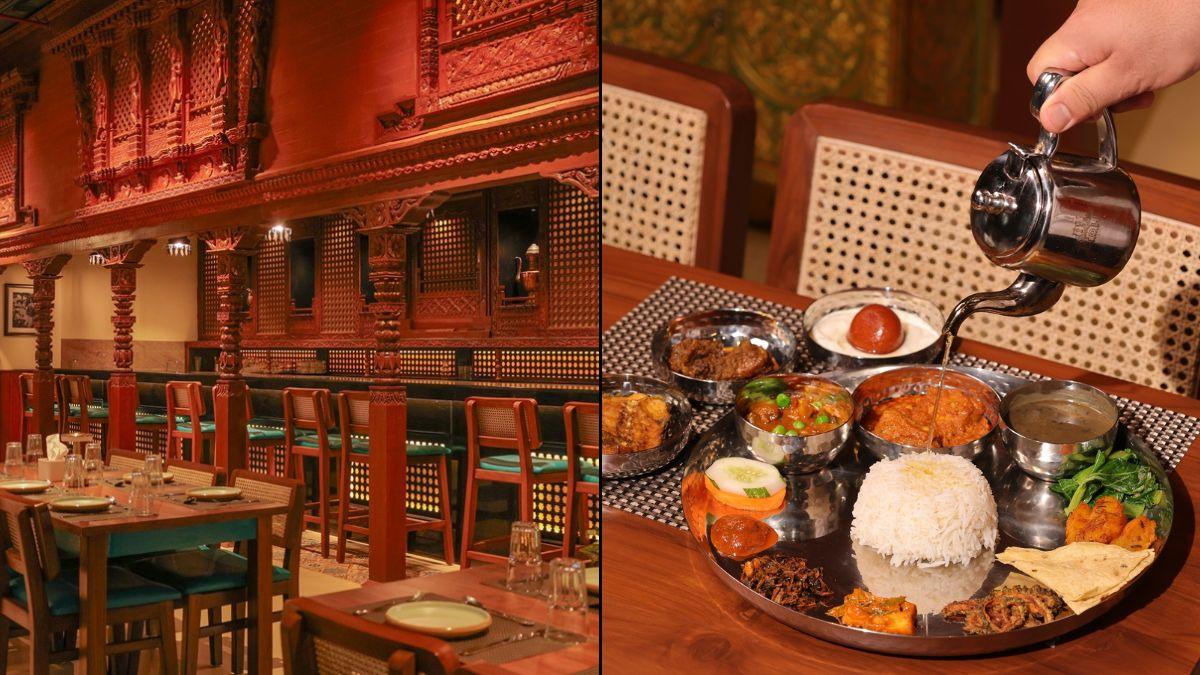
Delhi has become synonymous with a seemingly endless parade of increasingly questionable variations on the momo, as though Nepal’s vast culinary heritage begins and ends with a dumpling stuffed with whatever new abomination Delhiites currently find exciting.Very few restaurants in the city have attempted to engage with the breadth of Nepali food beyond momos, and fewer still have managed to present it with an authenticity that feels rooted in Nepal rather than calibrated to Indian taste buds.To address that gap, bringing the food of Nepal to India through a restaurant shaped by Nepali recipes, ingredients and culinary traditions, one of the country’s most popular restaurant chains has finally opened its doors in Delhi-NCR: Jimbu Thakali, a Kathmandu-born chain devoted to the cuisine of Nepal’s Thakali community.
Jimbu Thakali at M3M 65th Avenue, Sector 65, Gurugram
| Photo Credit:
Special Arrangement
Now open at M3M 65th Avenue in Gurgaon, Jimbu is heavily rooted in Nepal. Staff members can tell you where an object came from and why a particular dish exists on the menu. While lentils, vegetables, meats and other readily available produce are sourced locally, more key ingredients such as the eponymous aromatic Himalayan herb jimbu, and the wild-growing Nepali Sichuan pepper timur, remain difficult to replace because their particular flavours are so closely tied to the cuisine.Vivek Man Sherchan is the hospitality entrepreneur behind Jimbu, which began in Kathmandu in 2016 and now has four outlets across Nepal. He spent years working in food and beverage in the United States after training as a commercial airline pilot, eventually returning to Nepal in 2010 and opening Capital Grill, a bar and diner that became a popular haunt for expatriates and diplomats. When the devastating 2015 earthquake forced him to reconsider the business, the restaurant that emerged from that disruption eventually became Jimbu Thakali.“I decided, when in Rome, you know?” Sherchan tells me. “What’s the most popular palate in Nepal?” His answer was the food people were already eating at home, particularly rice-based meals served with vegetables, dal and an assortment of accompaniments. The trick was to turn that everyday familiarity into a restaurant experience.