In Nepal, khanubhayo? (have you eaten?) is an unfettered reverential greeting characteristic of the warmth and hospitality of the Nepalese people. The country’s culinary landscape — often synonymous with momos and daal-bhaat — has also been shaped by local ingredients and flavours, especially Thakali cuisine. Considered the richest ethnolinguistic group of Nepal, Thakalis hail from Thak-sat-se or the Thak Khola region in the Kali Gandaki River valley of the Mustang District in north-central Nepal. Their population, as per the census and various surveys, is estimated at around 15,000 globally.
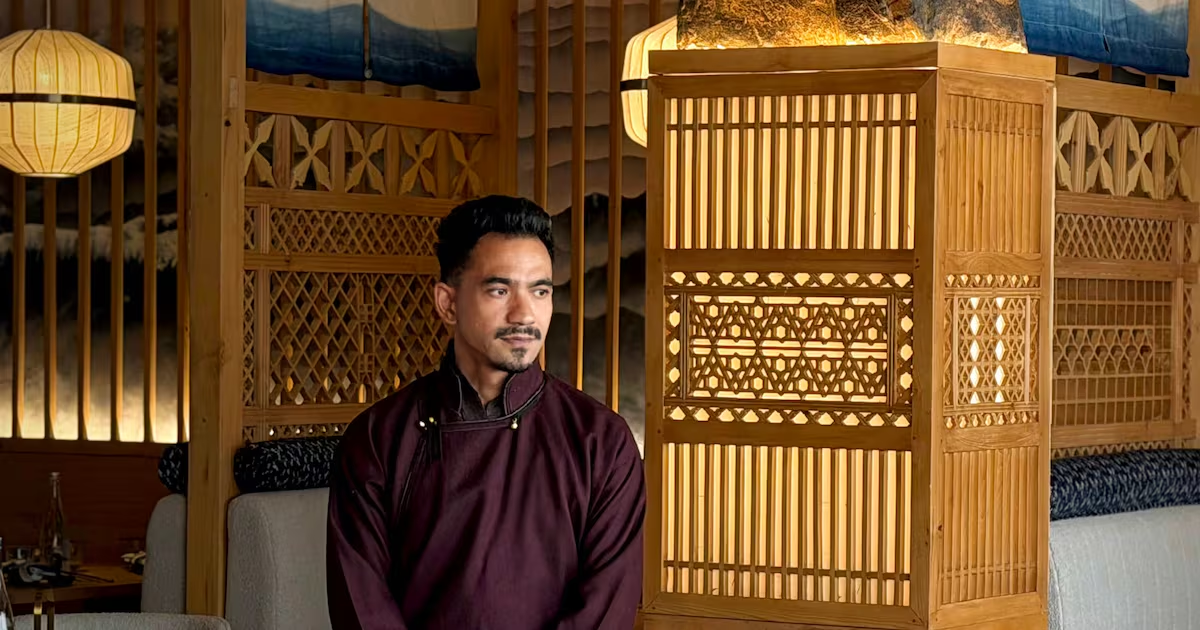
Kathmandu-based Thakali Vivek Man Sherchan, an engineer-turned-entrepreneur who operates Jimbu Thakali, a chain of restaurants in Nepal
| Photo Credit:
Special arrangement
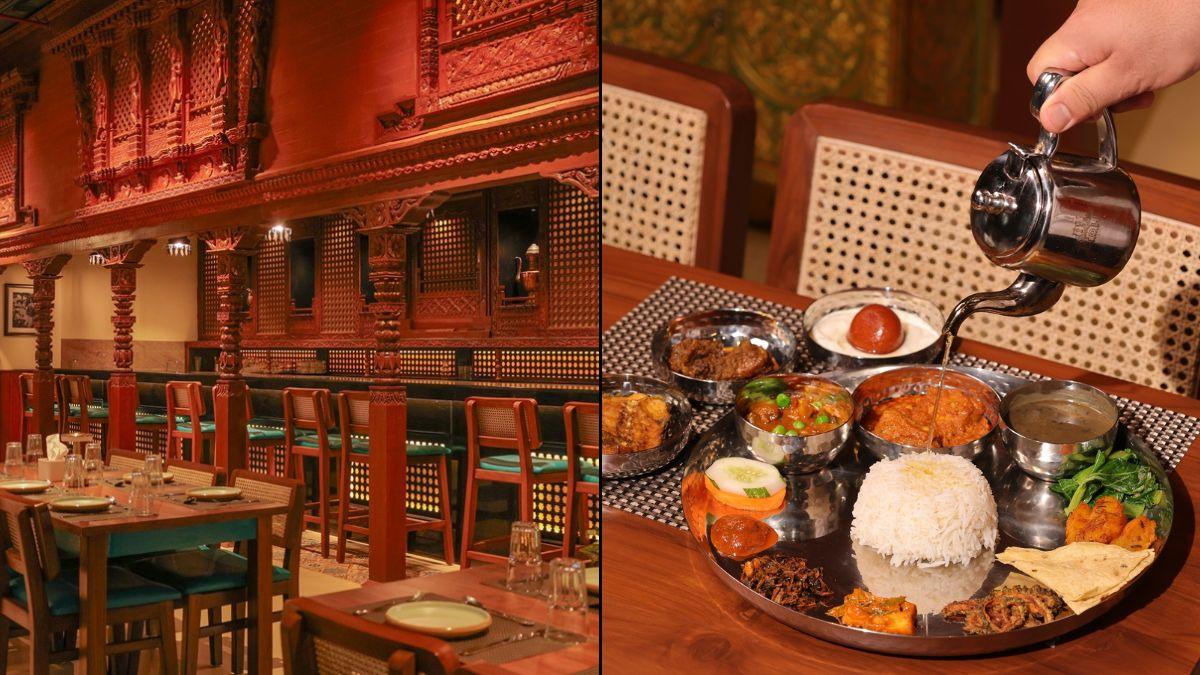
Introducing India to Thakali cuisine is Kathmandu-based Thakali Vivek Man Sherchan, an engineer-turned-entrepreneur who operates Jimbu Thakali, a chain of restaurants in Nepal. All set to open the chain’s first outlet in India soon, at M3M IFC, Sector 66, Gurugram, he says, “Delhi-NCR might have many places serving Nepali food, but we wanted to bring authentic Thakali flavours which go beyond the stereotypes.”Charting historyIn his book, The Thakali: A Himalayan Ethnography, published in 1998, Danish scholar Michael Vinding reflects on how 1855-56 Nepal-Tibet War proved to be the harbinger of prosperity and political proximity for Thakalis who make up 1% of Nepal’s population. Their co-operation and support as soldiers and translators for the Nepali forces under then Prime Minister Jung Bahadur Rana was rewarded with multiple business opportunities in salt trade, mining, import-export of animals, food items, spices, and as customs collectors.