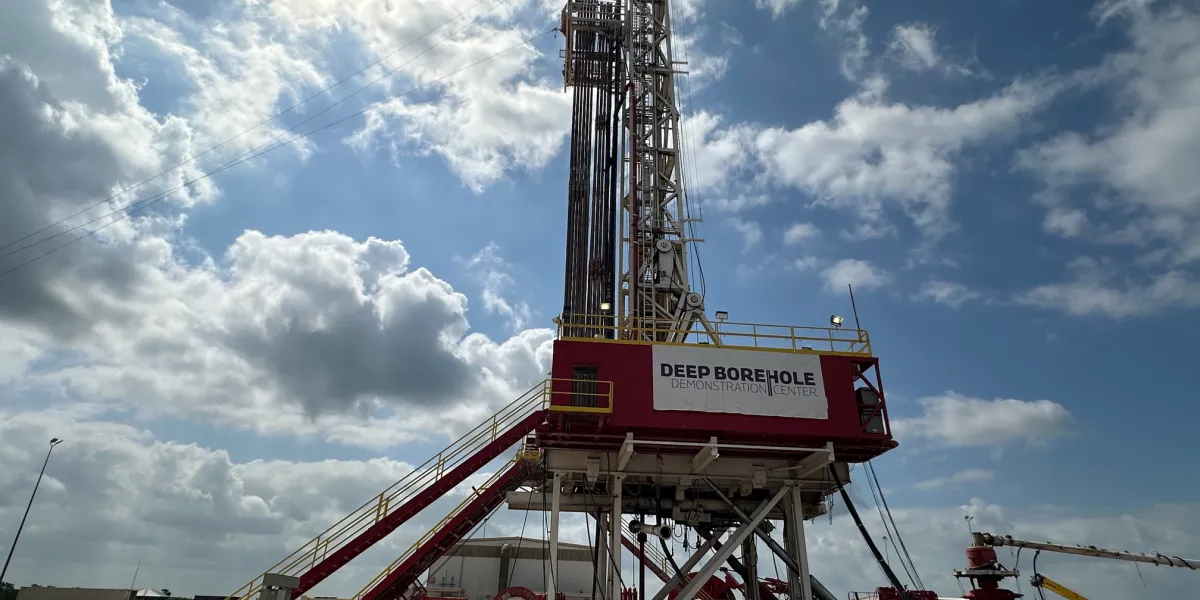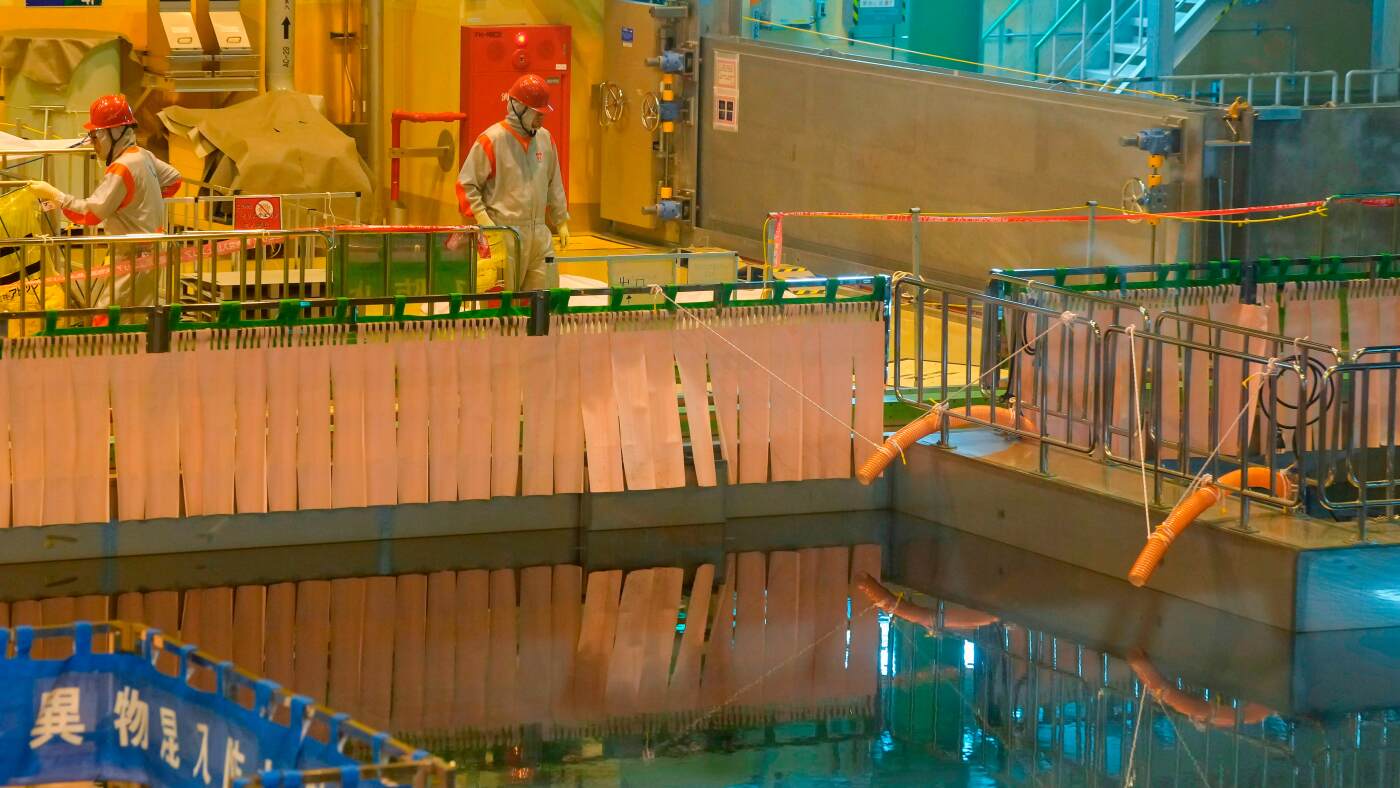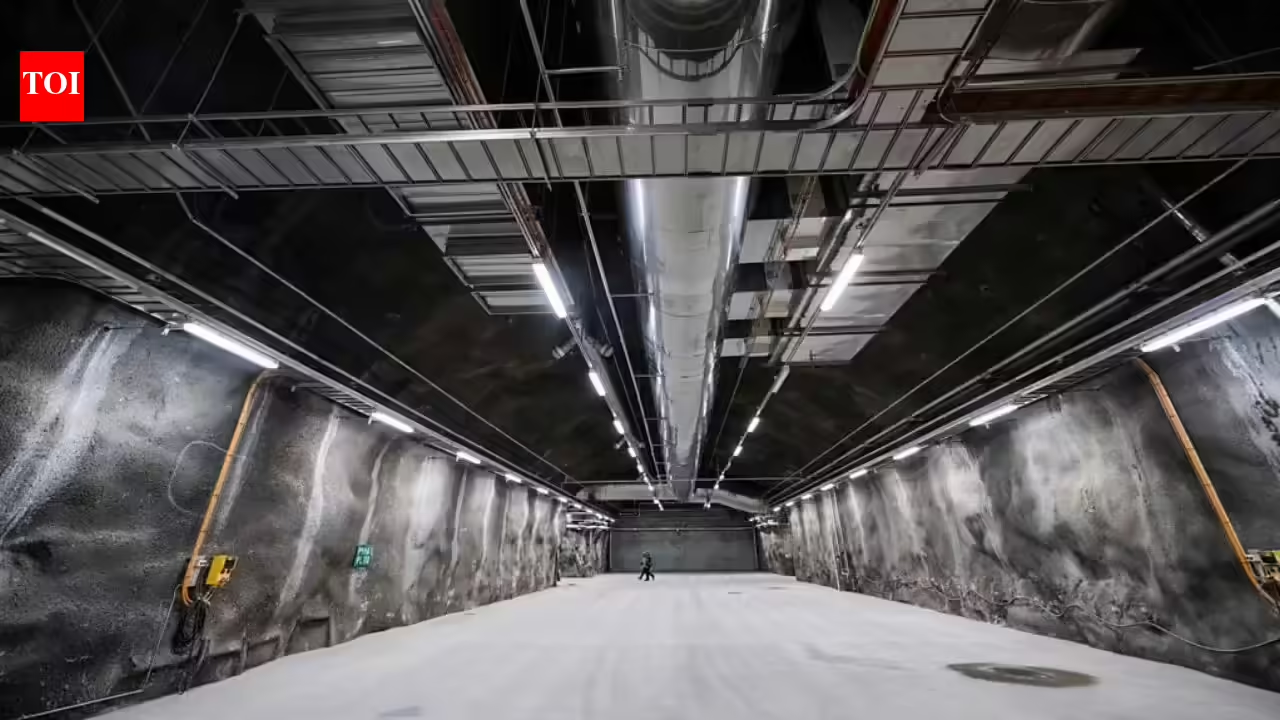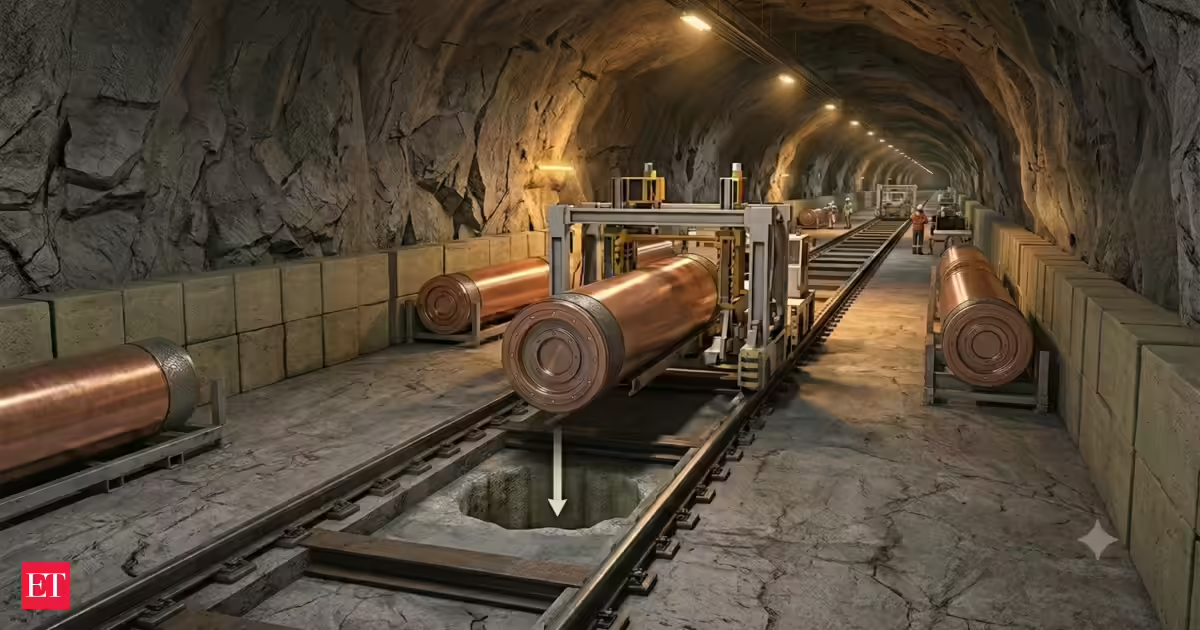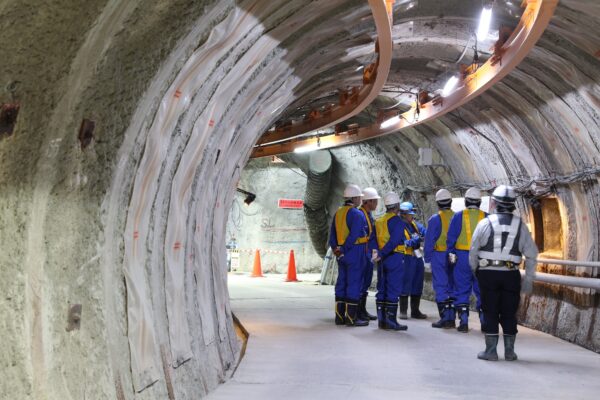
Reindeer pastures and dairy farms stretch across the flat, windswept plain of Japan’s northernmost prefecture, giving little hint of what lies roughly 300 meters below. Inside the Horonobe Underground Research Laboratory, teams of engineers are trying to answer a question no country has fully solved: how to keep highly radioactive waste isolated from the environment for periods measured not in decades, but in tens of thousands of years.
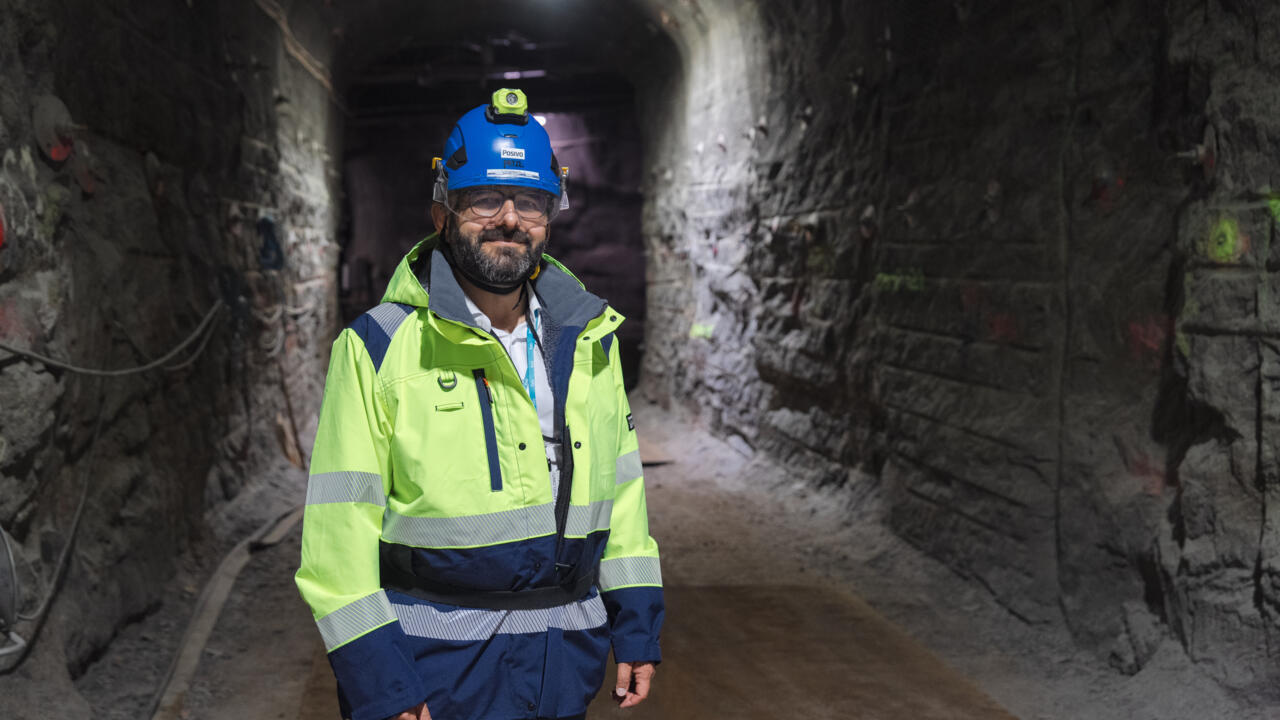
In May, I gained special access to the facility through the Japan Atomic Energy Agency (JAEA), touring the underground galleries and observing several of the experiments currently underway.
Horonobe Underground Research Laboratory. Photo ©Piergiorgio Pescali.
A Rare Laboratory in Sedimentary Rock
Horonobe is one of only two underground research laboratories Japan has built to study geological disposal of high-level radioactive waste, and the only one still operating. Its counterpart, the Mizunami Underground Research Laboratory in Gifu Prefecture, was built in crystalline rock and was decommissioned in 2022 after its land lease expired. Horonobe, by contrast, sits in Neogene-era sedimentary rock, giving the JAEA a very different and, officials argue, complementary geological environment to study.