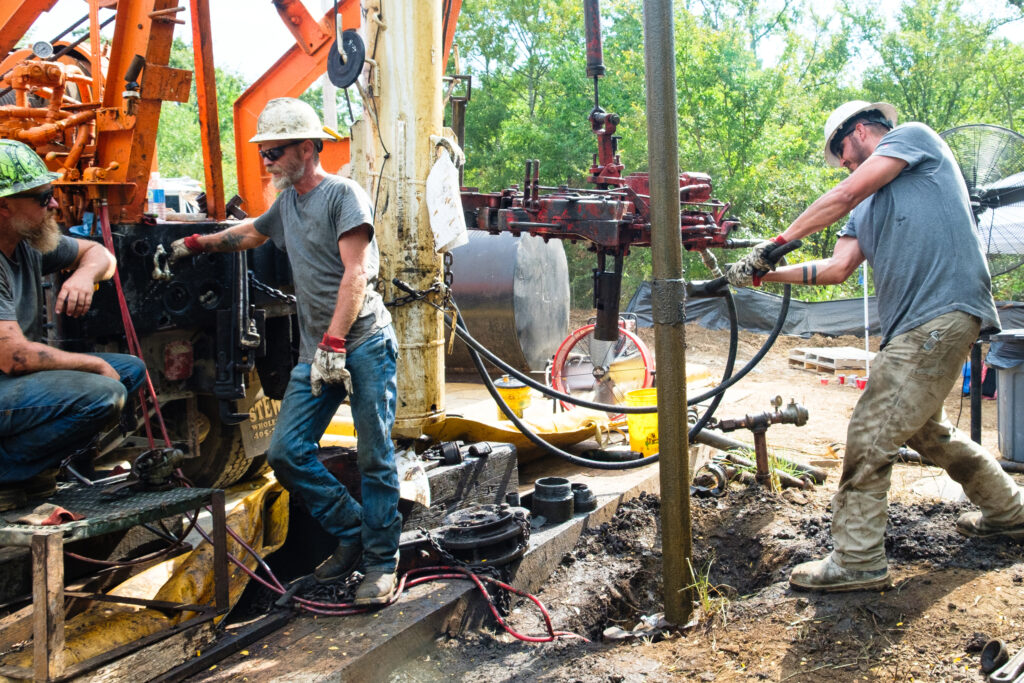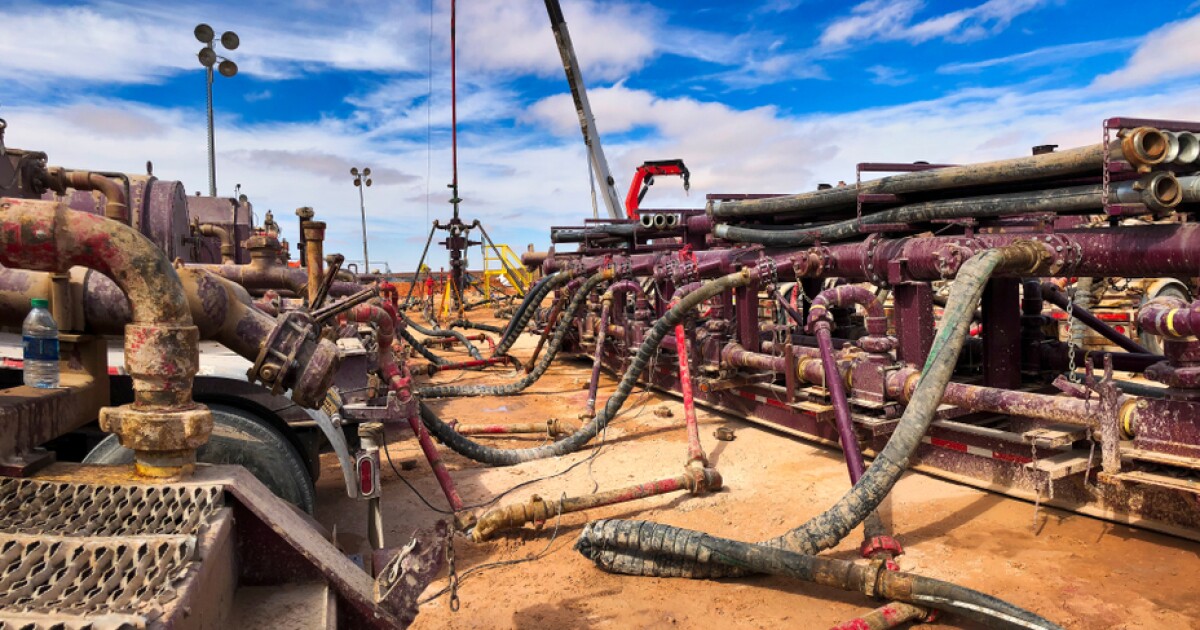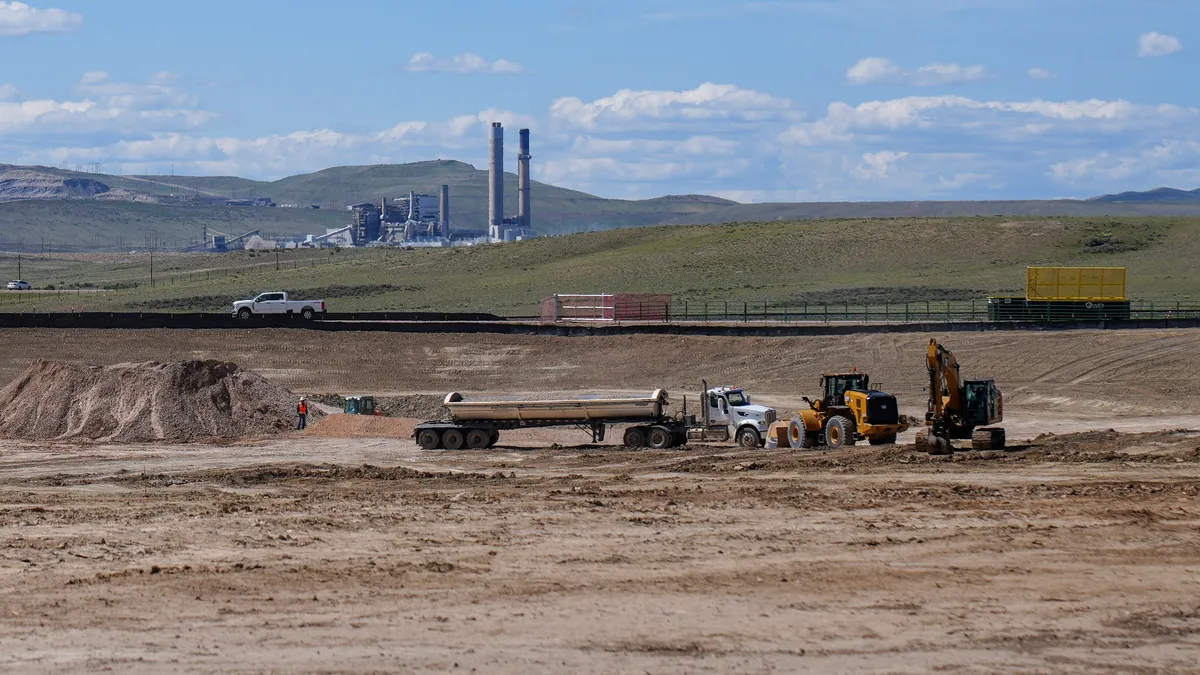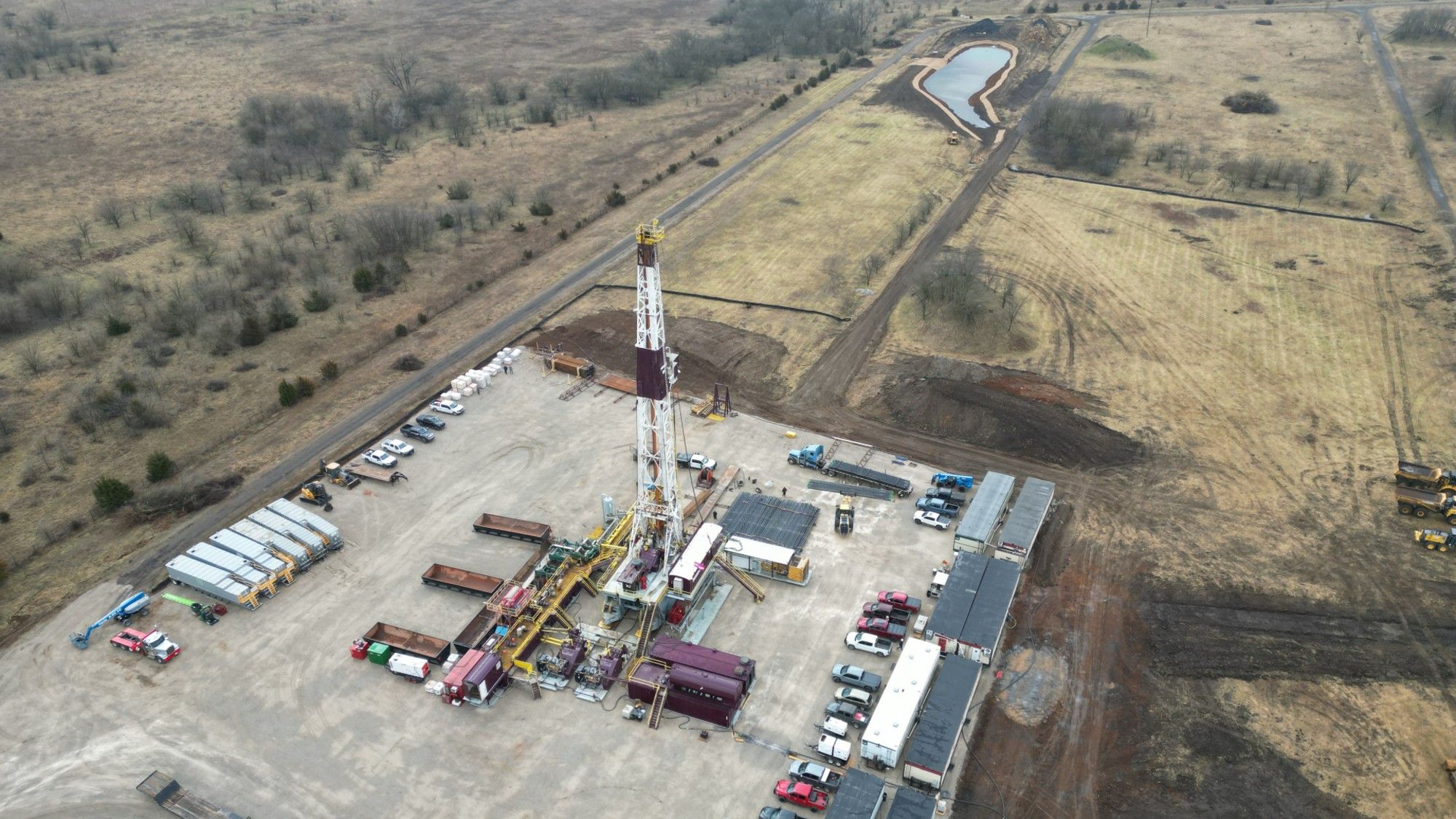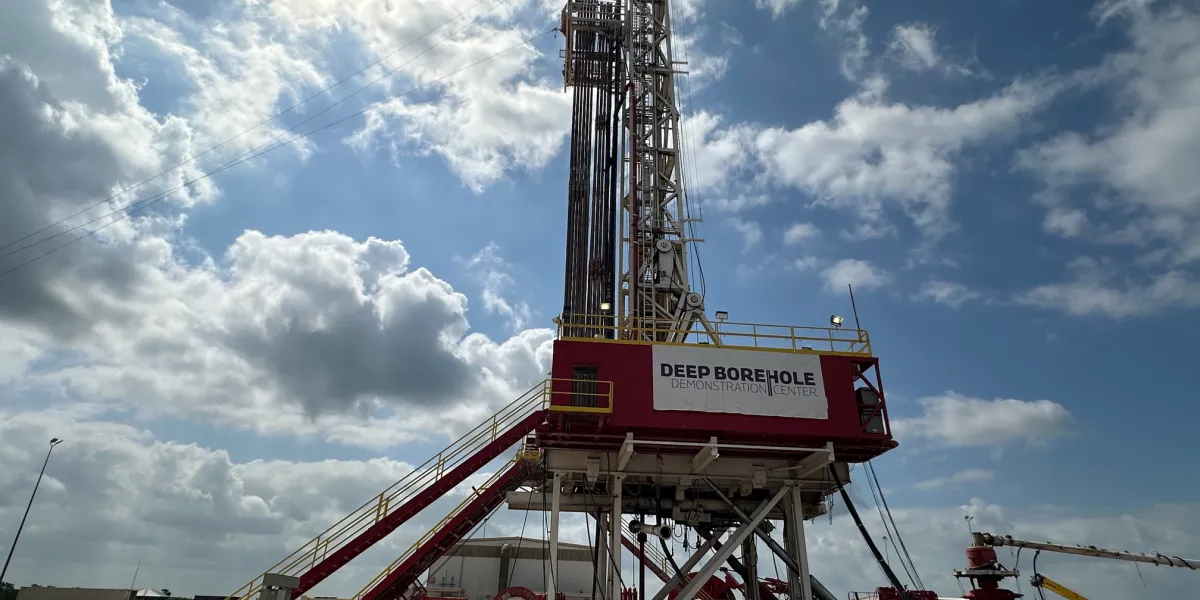
If you drive to the middle of nowhere in central Texas near Cameron—population 5,300—and down a gravel road, you’ll come upon a security gate with a sign stating, “Watch out for the cows.” The warning is no hyperbole, as cattle block the road, delaying the eventual sight of a massive oil-drilling rig.
A large, bearded man in red Halliburton coveralls and helmet says to beware of snakes and scorpions. “Not trying to scare you; that’s just part of the orientation.”
Welcome to the Deep Borehole Demonstration Center. The site is home to a partnership between the nuclear waste startup Deep Isolation Nuclear, the oilfield services leader Halliburton, known for its drilling and fracking expertise, and others.
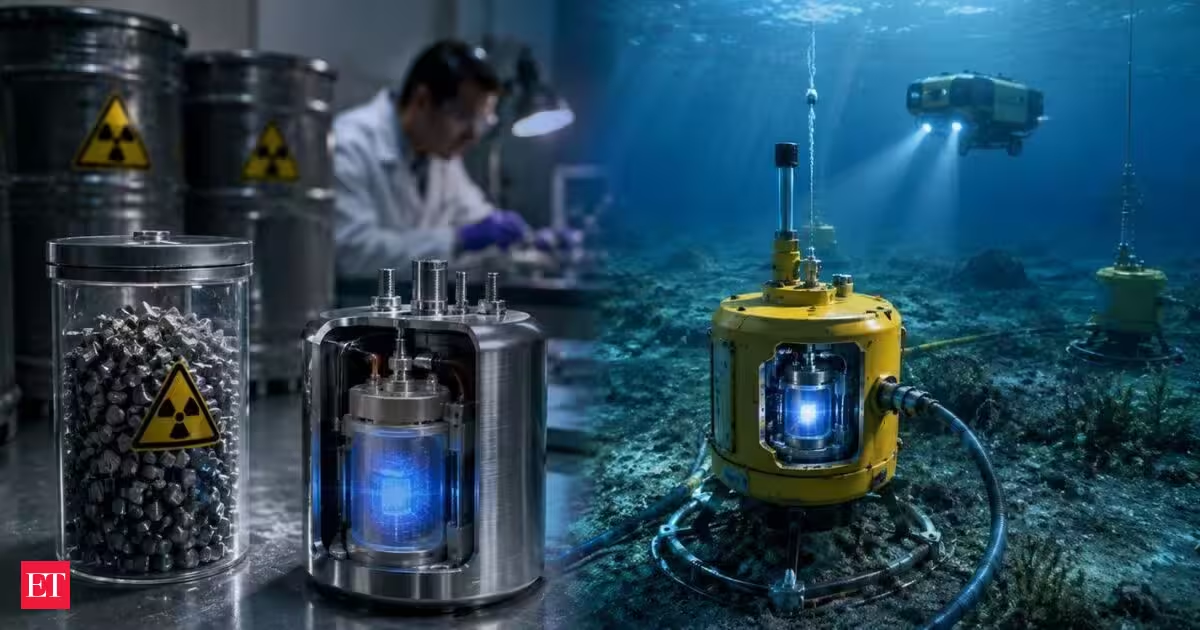
The goal is to solve the nation’s nuclear waste disposal problems just in time to power the construction gold rush of AI data centers with a renaissance of next-generation nuclear energy. The partners aim to use modern, directional oil-drilling techniques to safely bury radioactive waste in perpetuity—about 2 miles underground—in specially designed, 5,000-pound canisters.
“To make sure we have a good path for new nuclear, we need to make sure we take care of the waste,” said Deep Isolation CEO Rod Baltzer. “We can go twice as deep as a typical [mined nuclear waste] repository, and then follow a formation that’s been out of touch with the surface for a million years.”