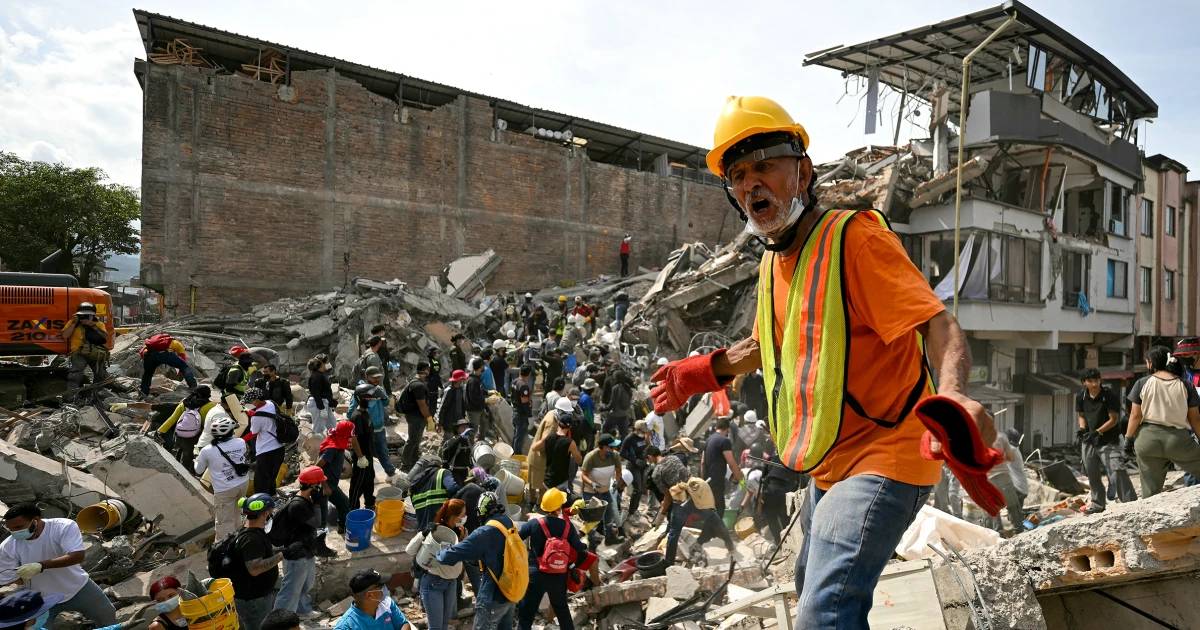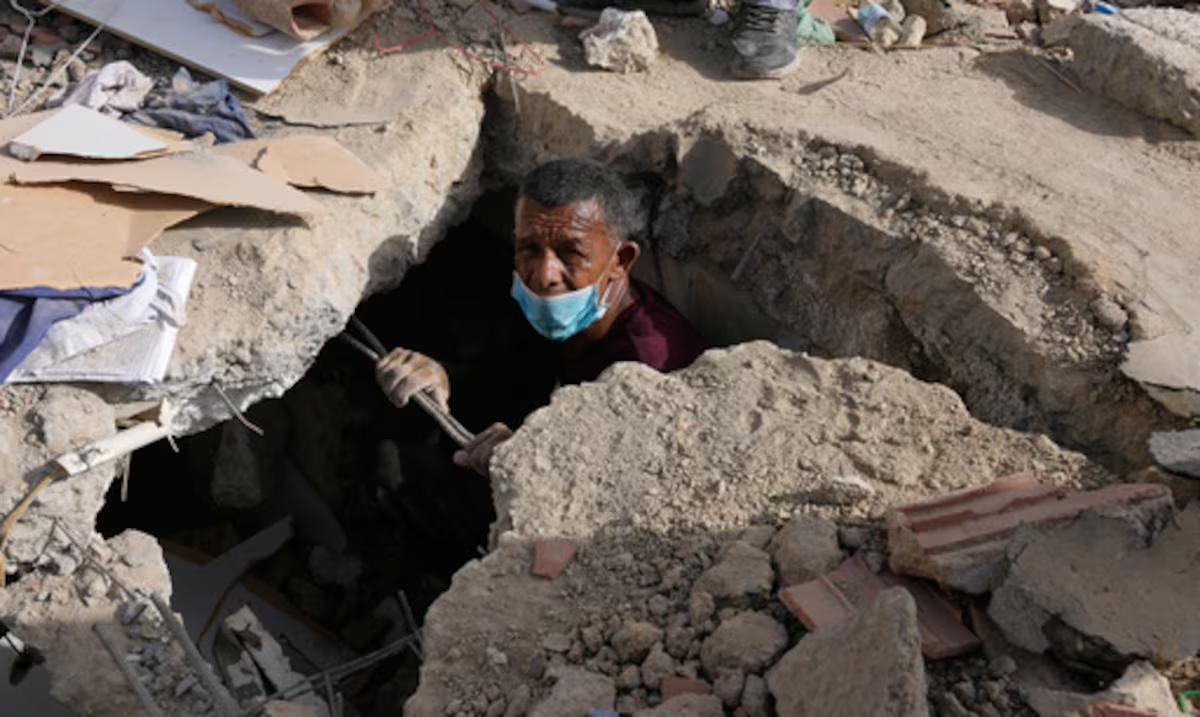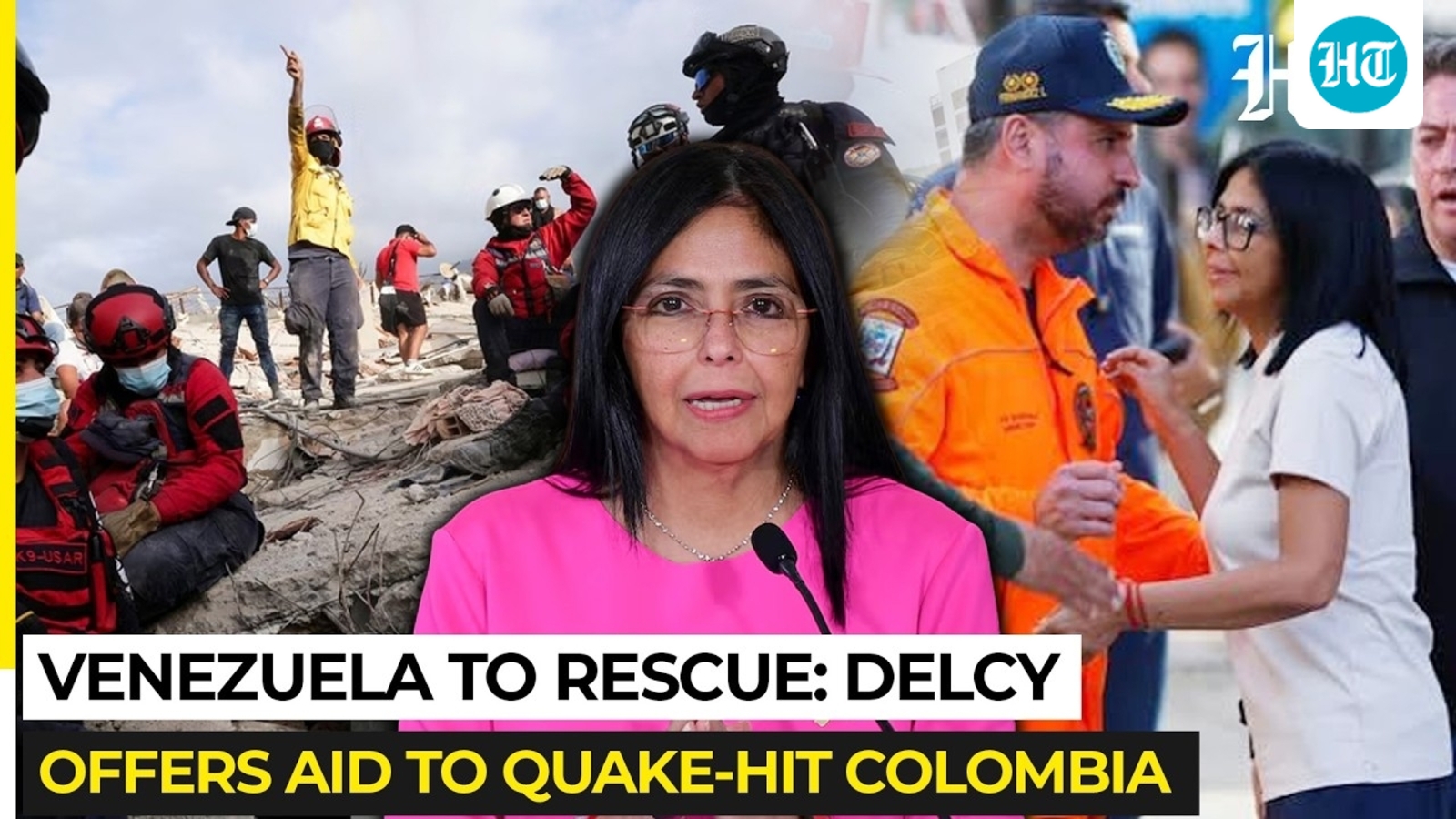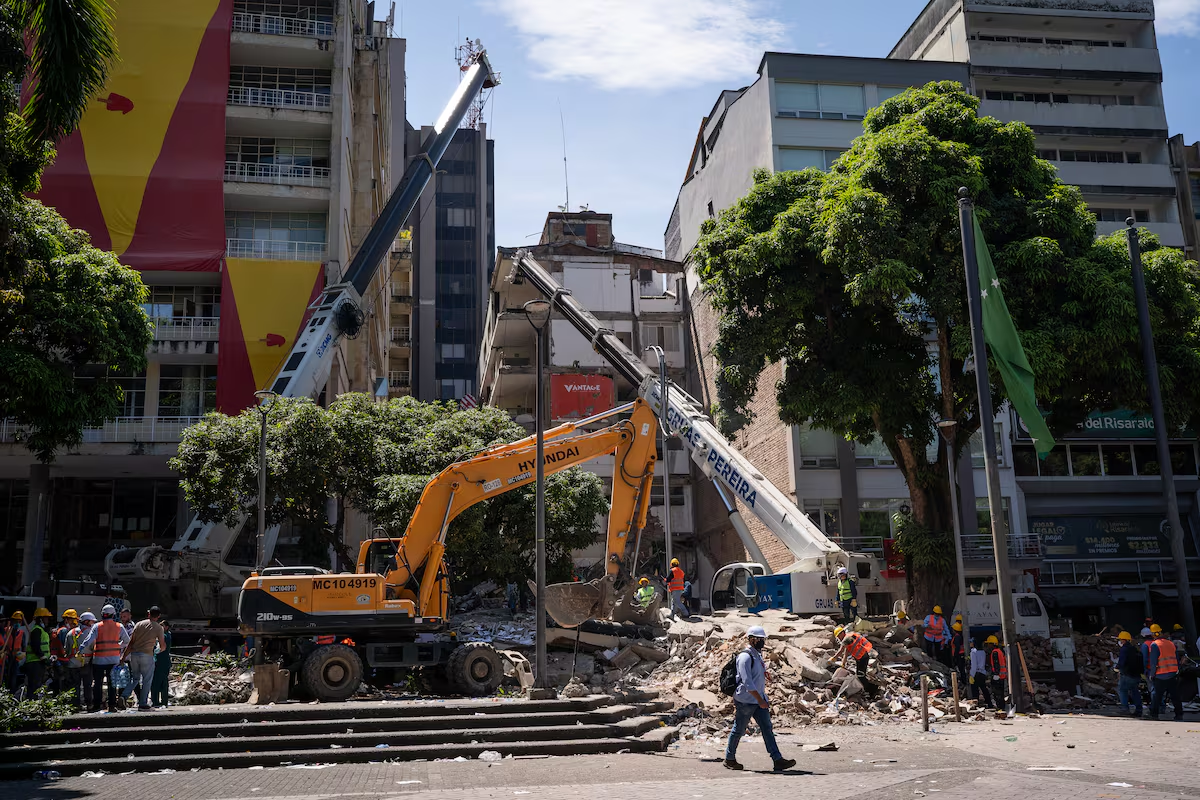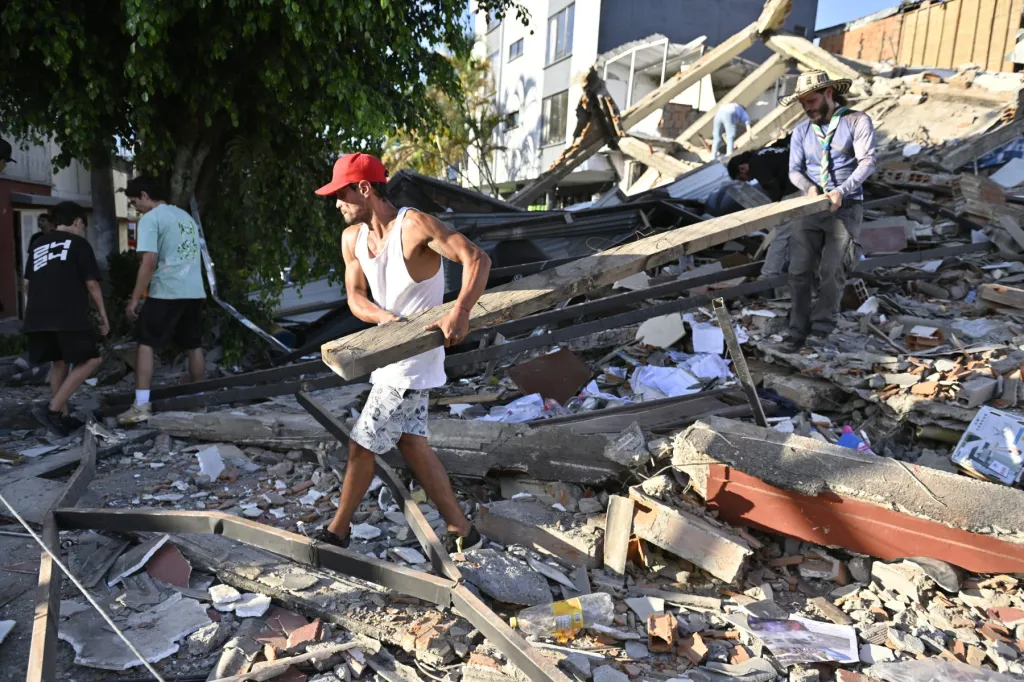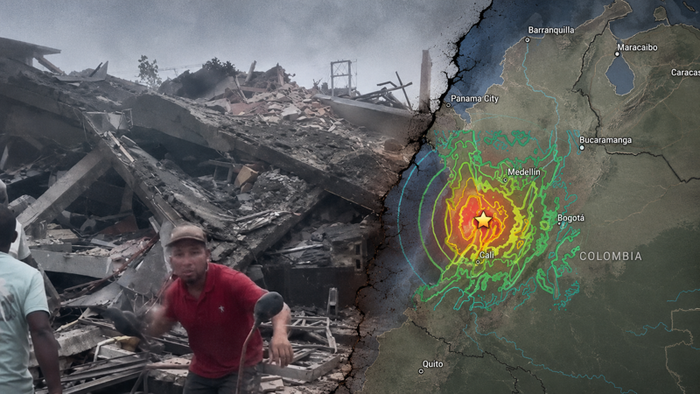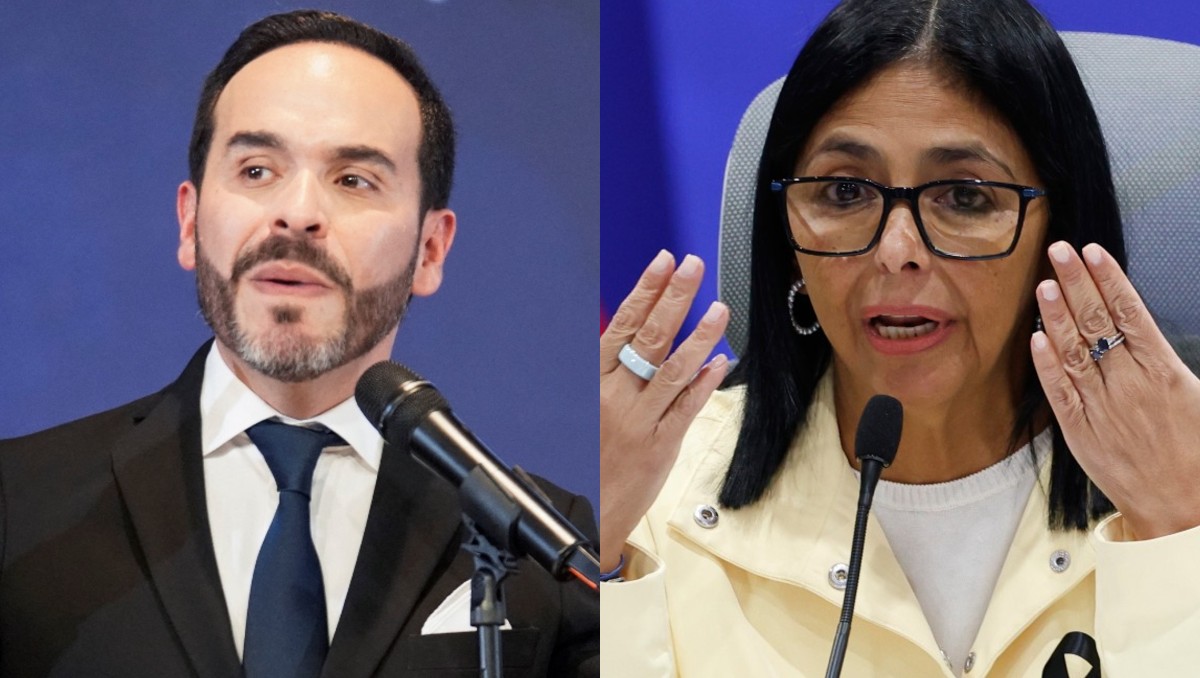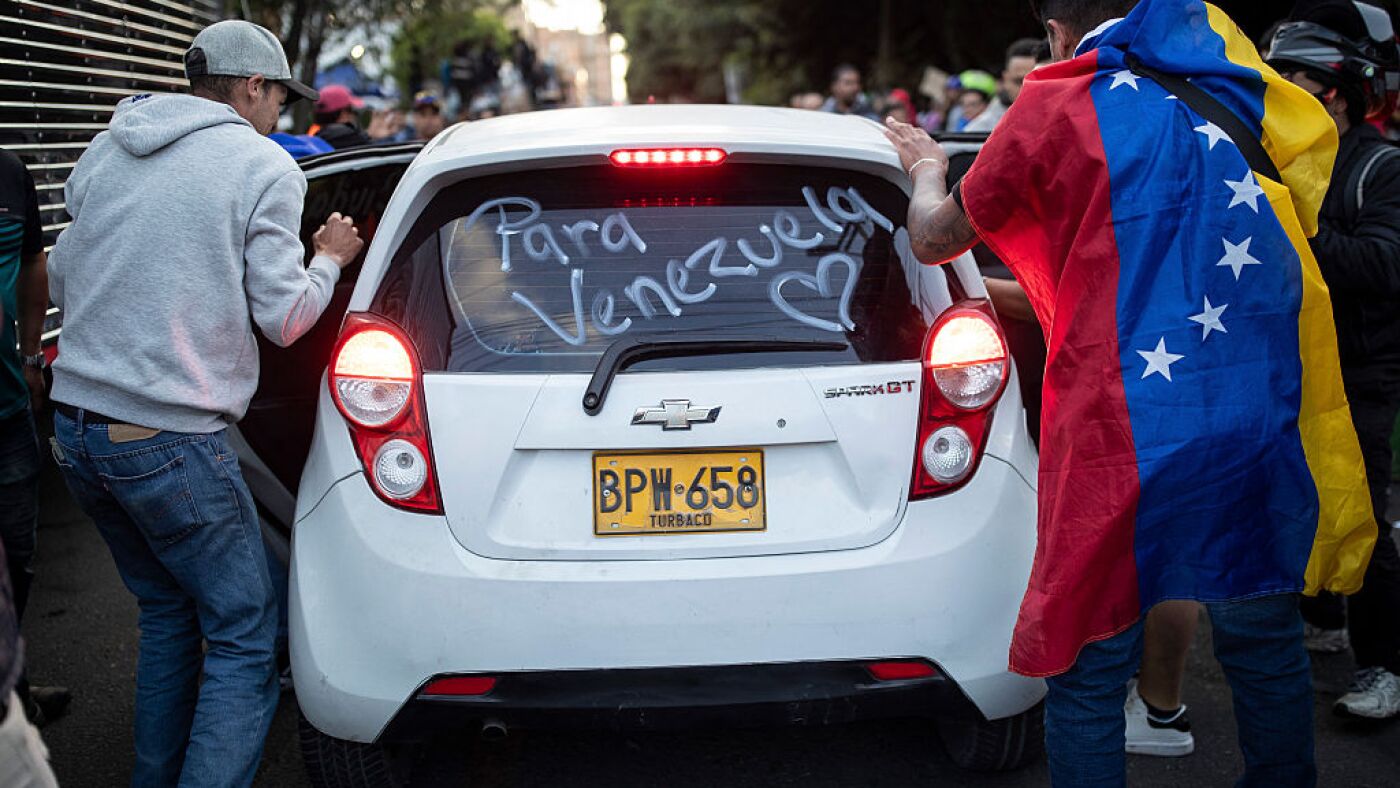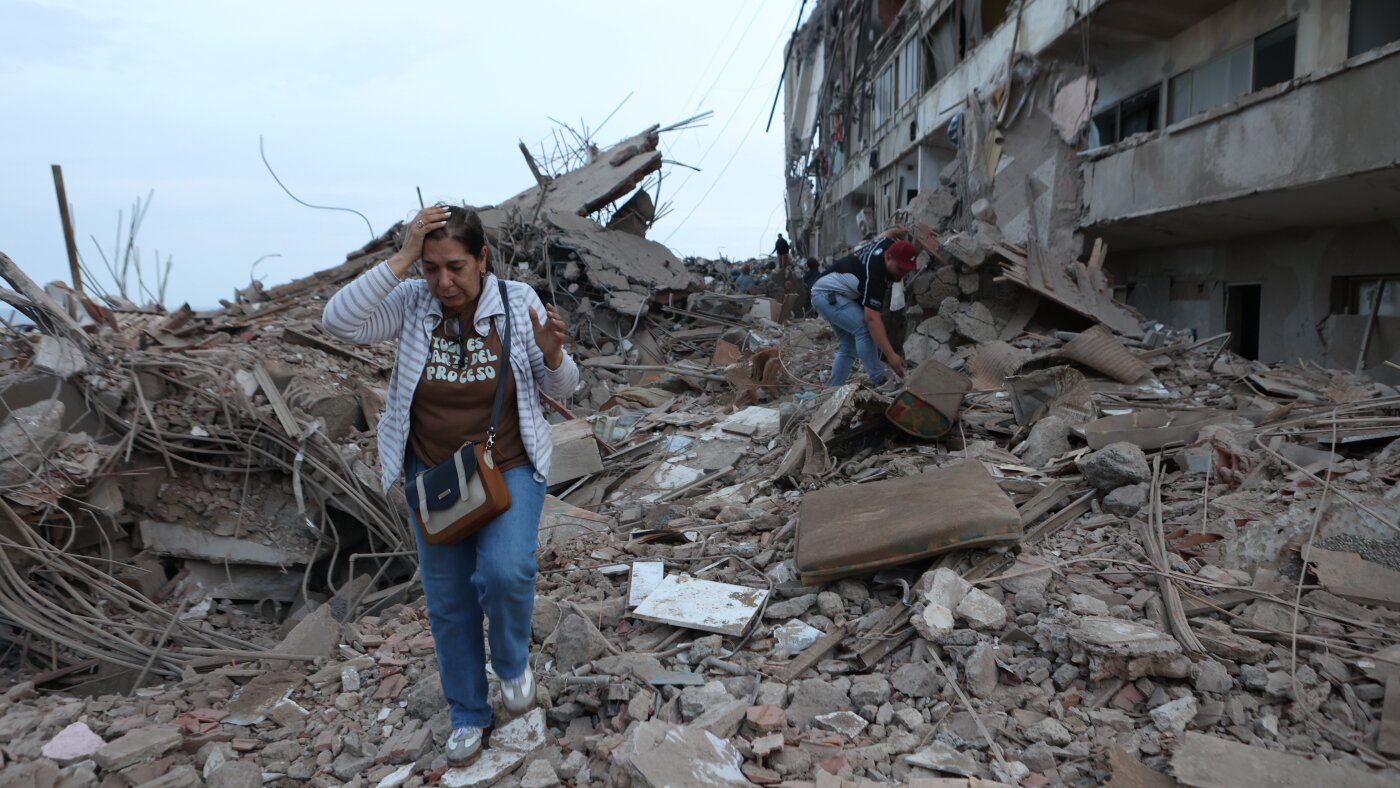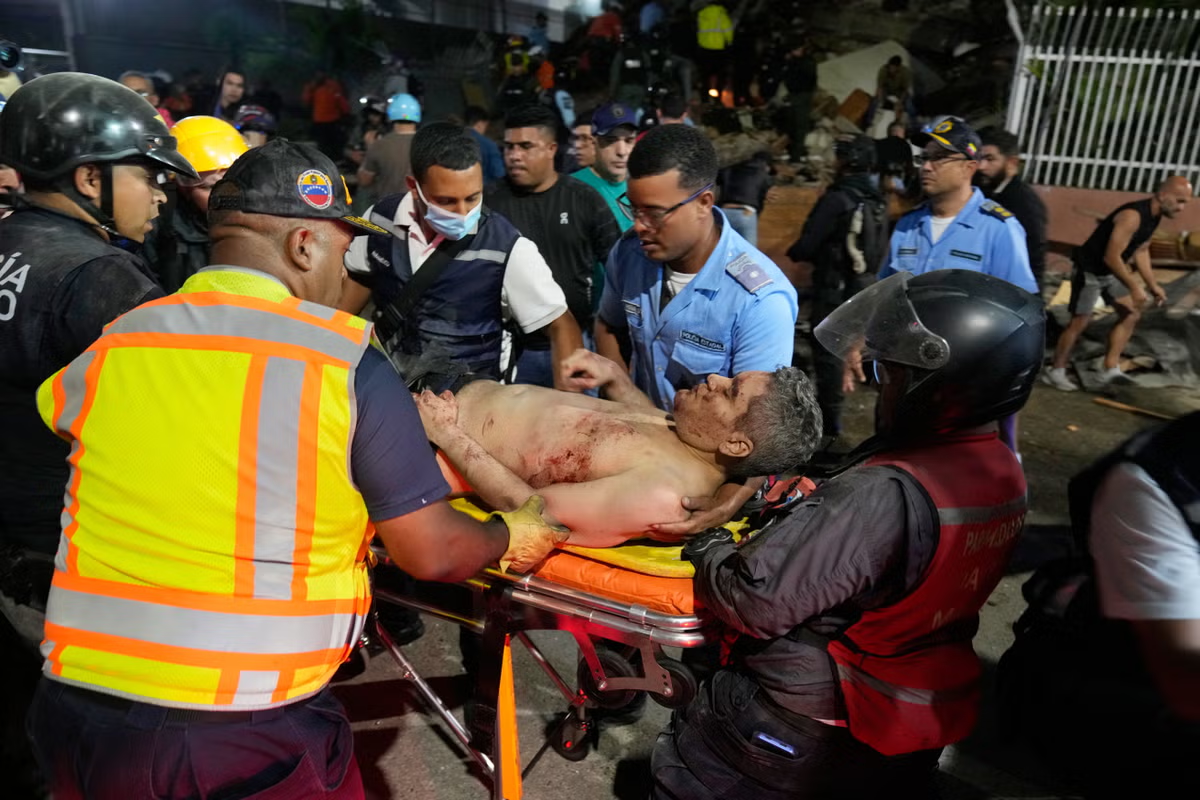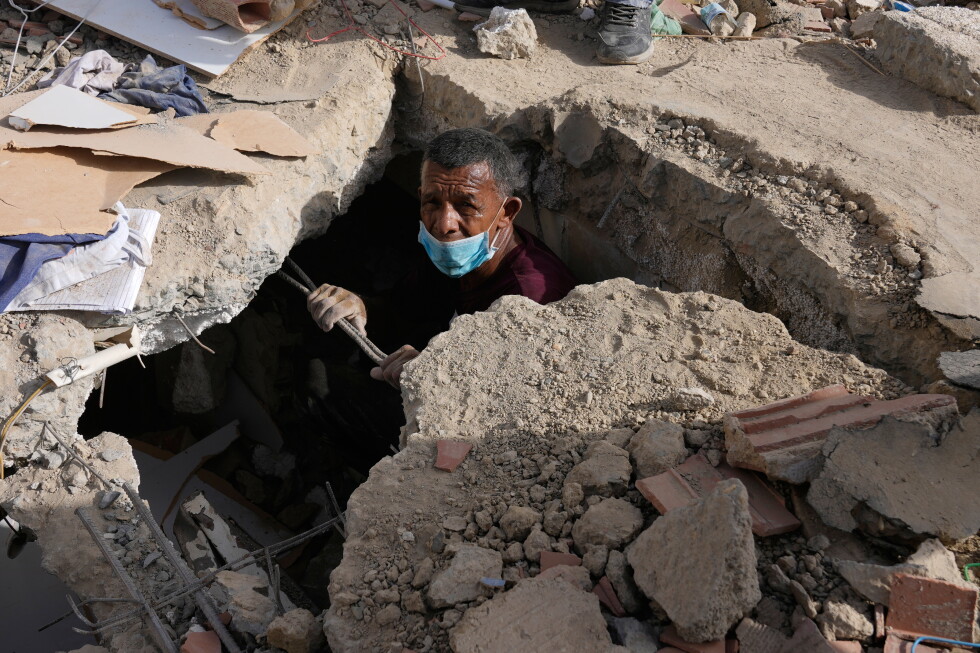
BUENOS AIRES, Argentina (AP) — For the second time in two months, the ground was shaking in South America. Once again, families flooded social media with pleas for help finding missing loved ones under flattened buildings. Once again, governments across political divides and continents pledged aid.But in many ways, the contrast between Colombia’s 7.4-magnitude earthquake on Monday and Venezuela’s back-to-back temblors on June 24 could not have been more stark.In Venezuela, acting President Delcy Rodríguez waited nearly four hours before addressing the nation. In Colombia, newly inaugurated President Abelardo de la Espriella announced an emergency command post to oversee rescue efforts barely an hour after the earthquake struck. For weeks, Venezuelan civilians were clawing through rubble by hand. Hours after the earthquake in Colombia, rescue teams were searching for survivors with cranes and excavators.
In Venezuela, Rodríguez relied on rescuers from around the world to fill critical gaps in the state’s response. Colombia has so far declined foreign crews except for those from the United States, saying it has enough personnel and has requested humanitarian supplies instead.The contrast is a reminder of the differences between the neighboring nations — their political systems, resources and the strength of their institutions — and a demonstration of how those can take on life-or-death importance in catastrophes.“The differences between an authoritarian regime and a democratic system can be seen clearly in the institutions and in their capacity to respond to an emergency,” said Ronal Rodríguez, a Venezuela specialist at Colombia’s Rosario University. “Crises are also political opportunities.”