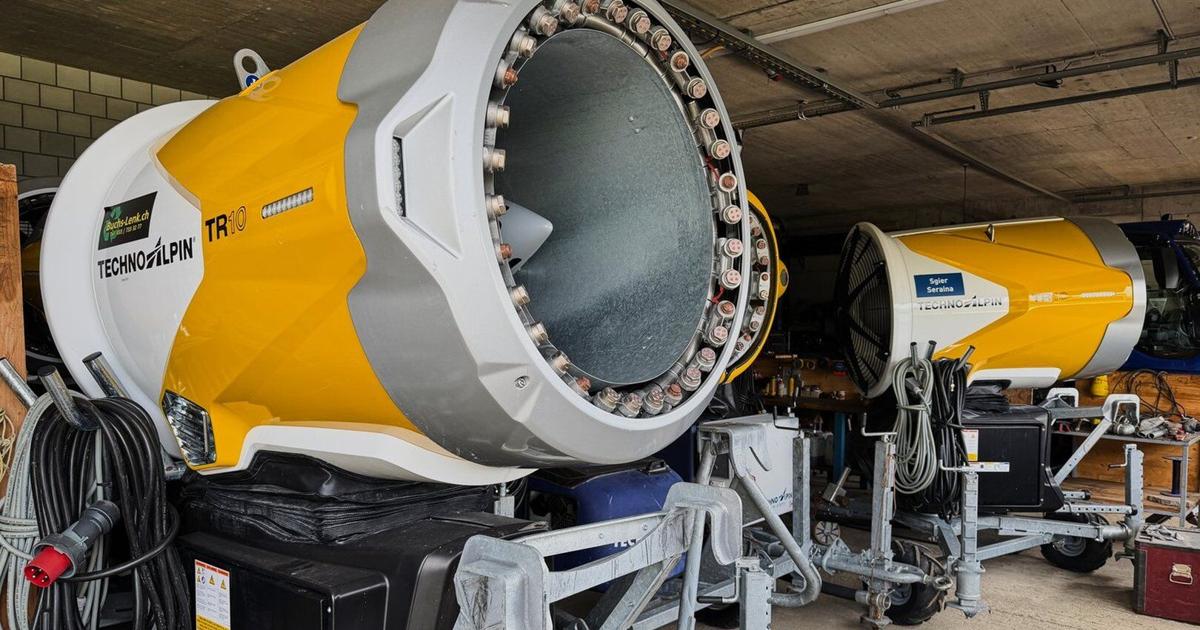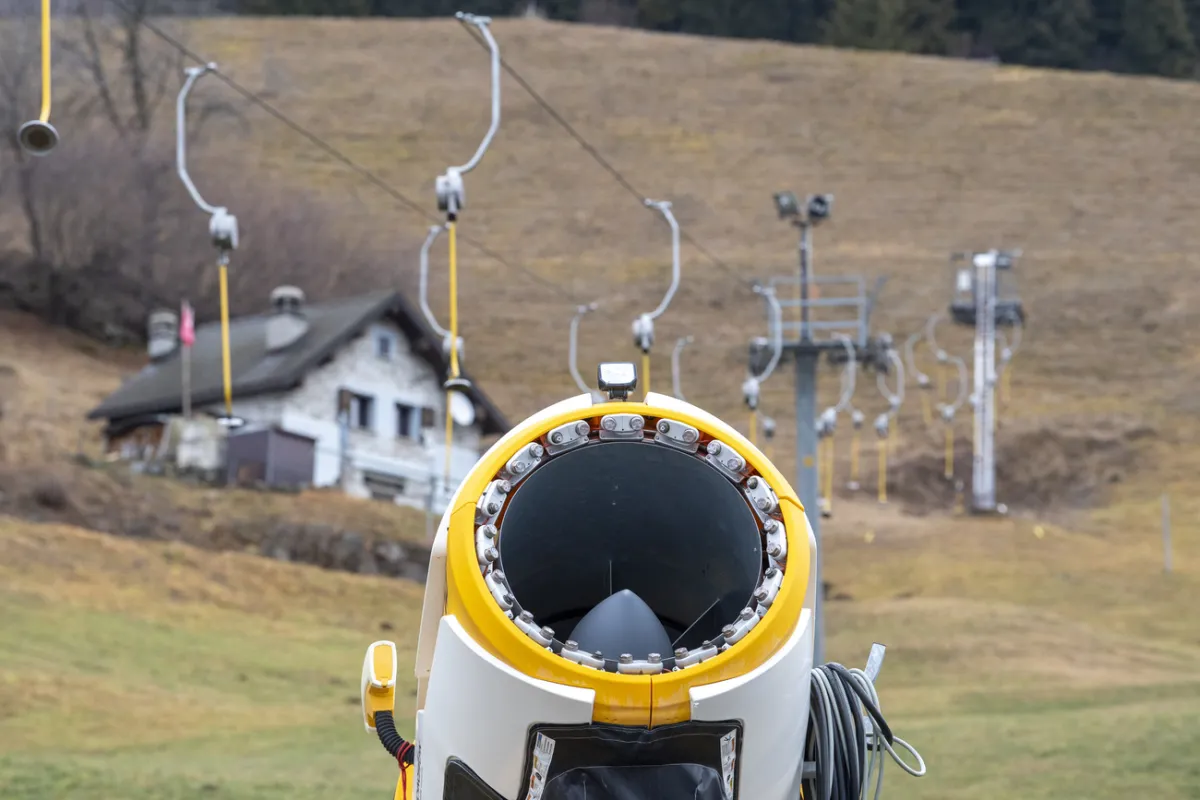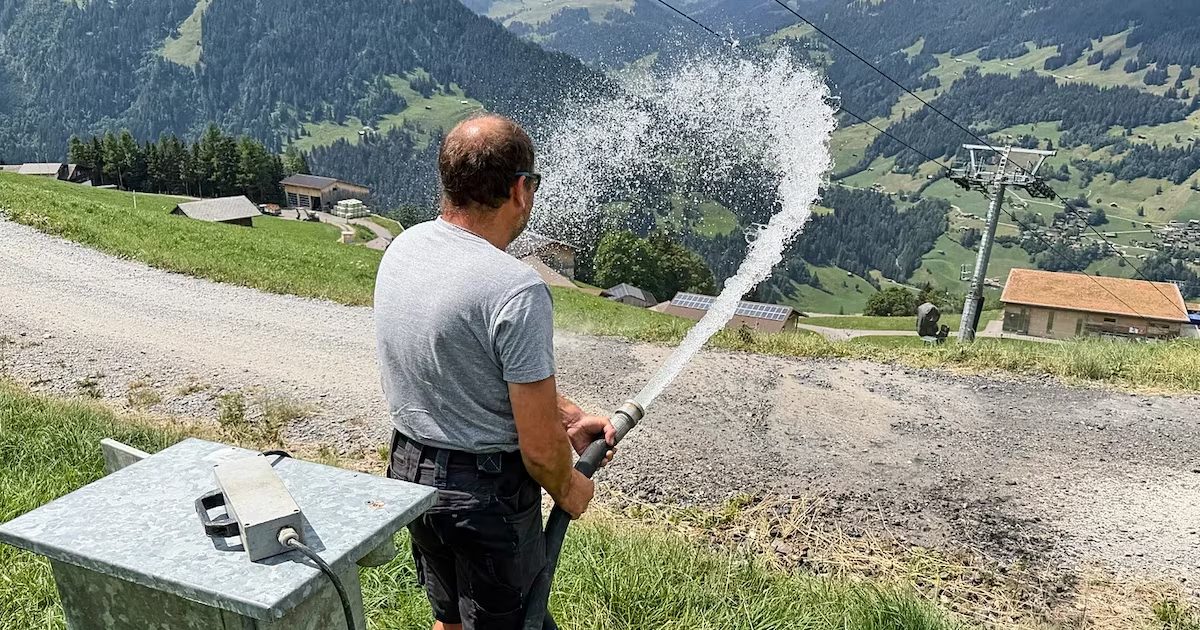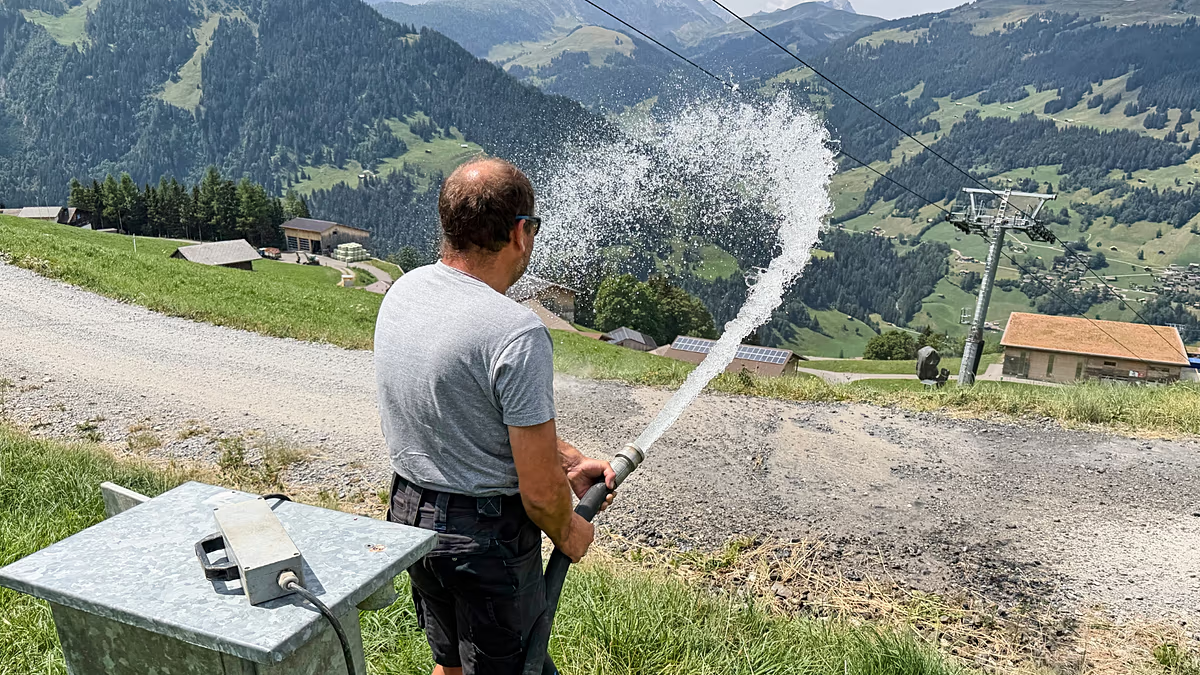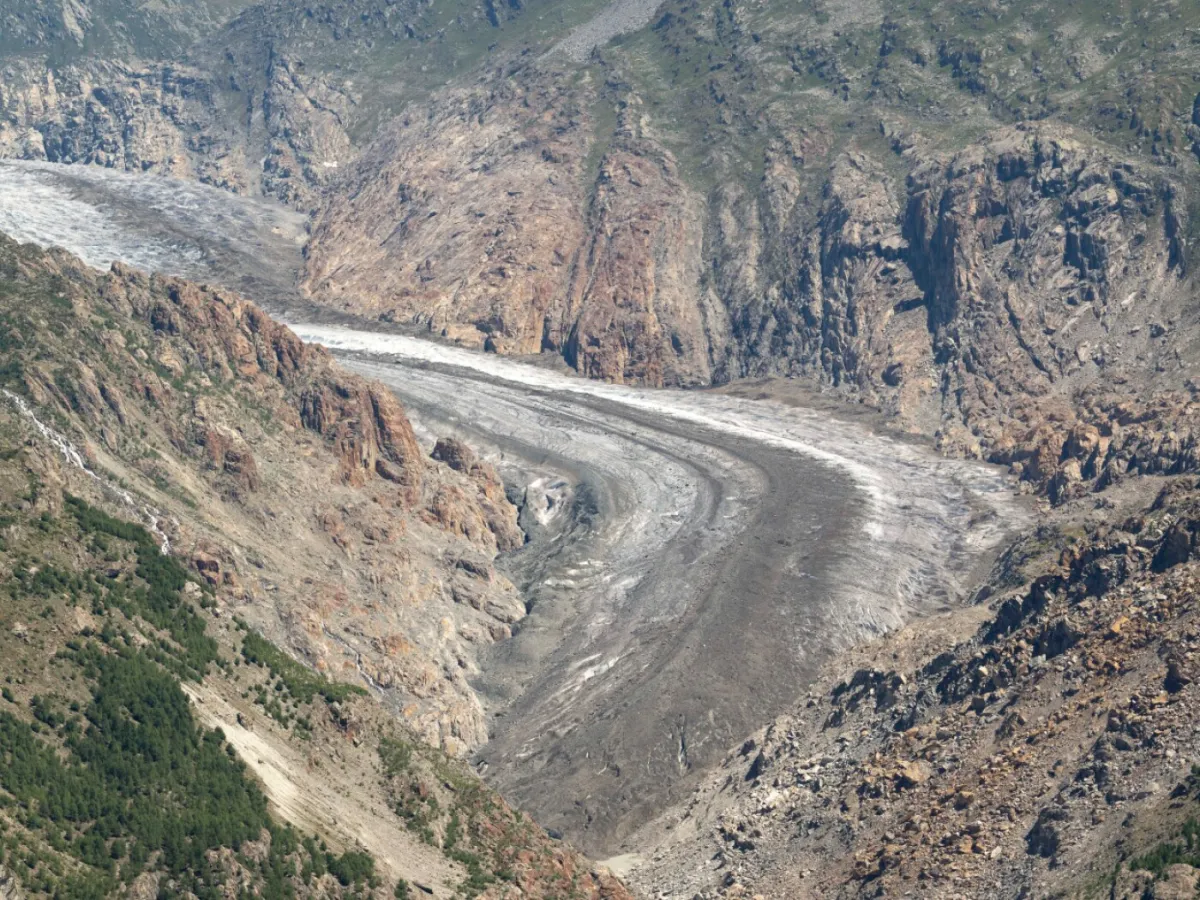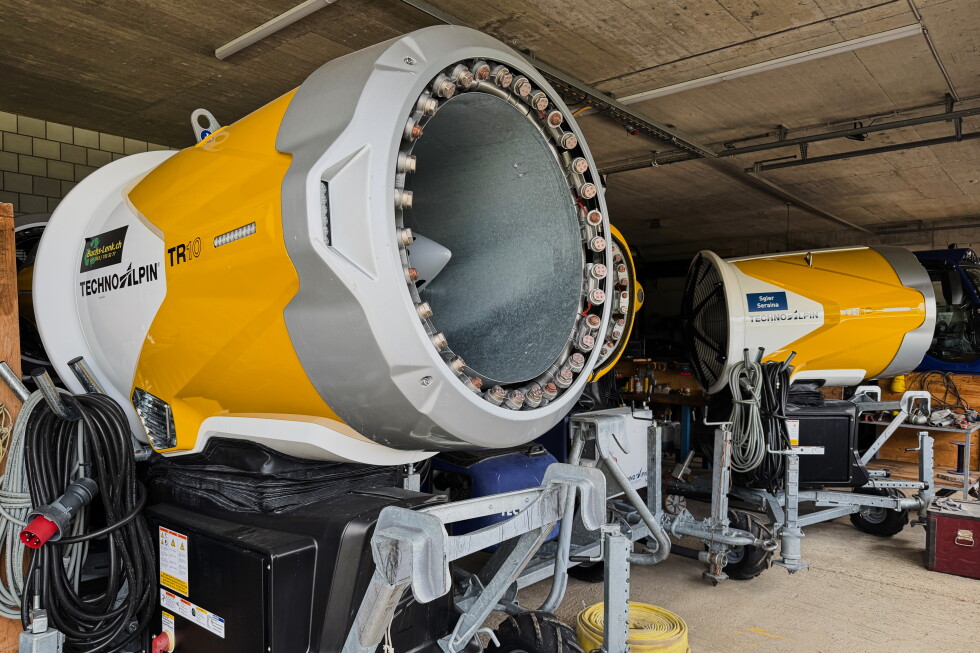
ADELBODEN, Switzerland (AP) — There’s barely any snow in sight above Adelboden in the intense August sunshine, never mind skiers. But the Swiss resort may have a new way to put its snowmaking equipment to work as Europe bakes through hot summers: helping douse forest fires.Glaciers in Switzerland and around the Alps have been retreating rapidly in recent years, among other changes attributed to the impact of climate change caused by human activity. Snowfall has become less frequent and reliable over recent decades.That’s a big issue for a mid-altitude ski resort like the Adelboden-Lenk area, whose roughly 200 kilometers (125 miles) of slopes span an altitude between 1,000 and 2,300 meters (3,280 and 7,545 feet). These days, an estimated 70% of the snow on its slopes is made artificially.Snow cannons and lances are the visible part of the snowmaking network. But much of it is out of sight: dozens of kilometers of underground water pipes that could prove useful beyond the winter months as the risk of wildfires grows even in places such as Switzerland’s Adelboden-Lenk ski area.
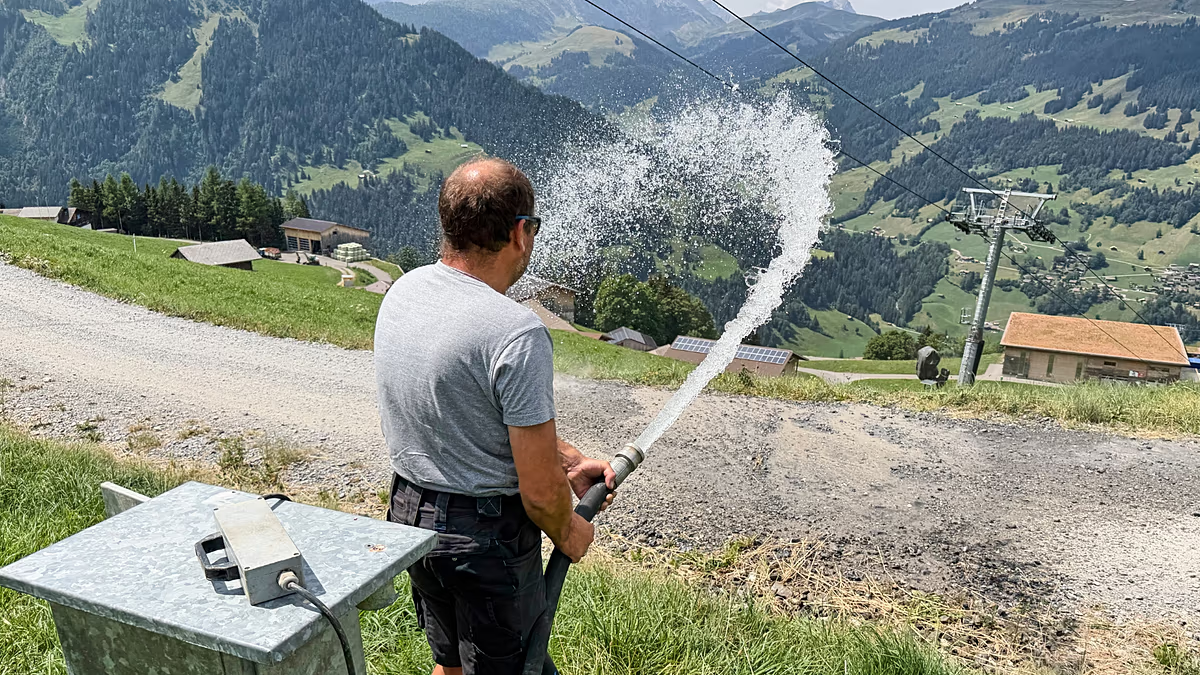
“We can help firefighters with our infrastructure,” said Jürg Klopfenstein, who is responsible for the resort’s snowmaking operations. “Not primarily with our snow cannons, which can mainly be used to water the fields or aim them at surrounding infrastructure. But firefighters can use our infrastructure, and helicopters can refill their tanks using our water reservoirs.”Those reservoirs collect rainfall and melting snow in the warmer months, and the water is used to produce snow during the ski season. The pipes and pumps connect 210 snow cannons and 50 snow lances in the Adelboden-Lenk area. In case of fire, the system could be used to create wet buffer areas, slowing the advance of flames and buying time until emergency services and air support arrive.