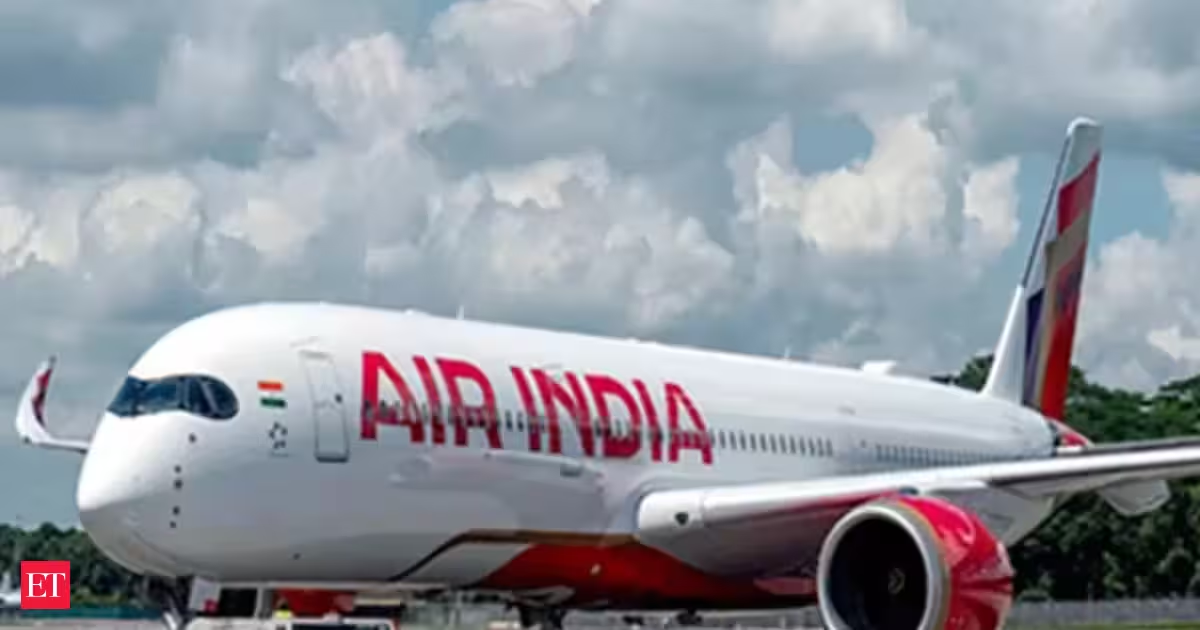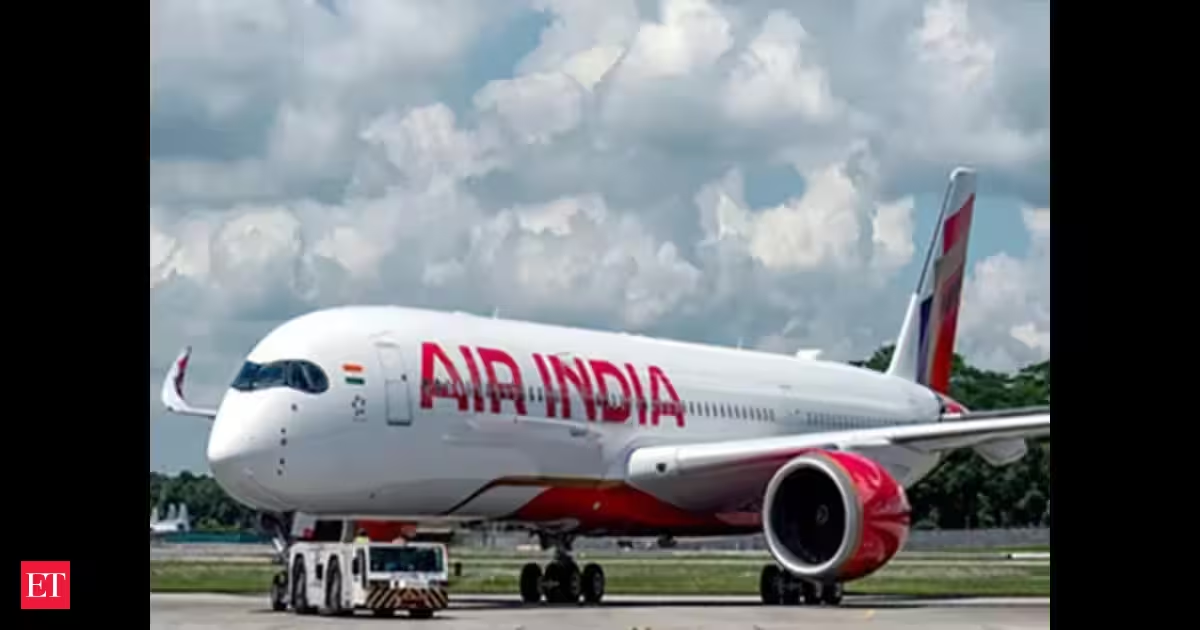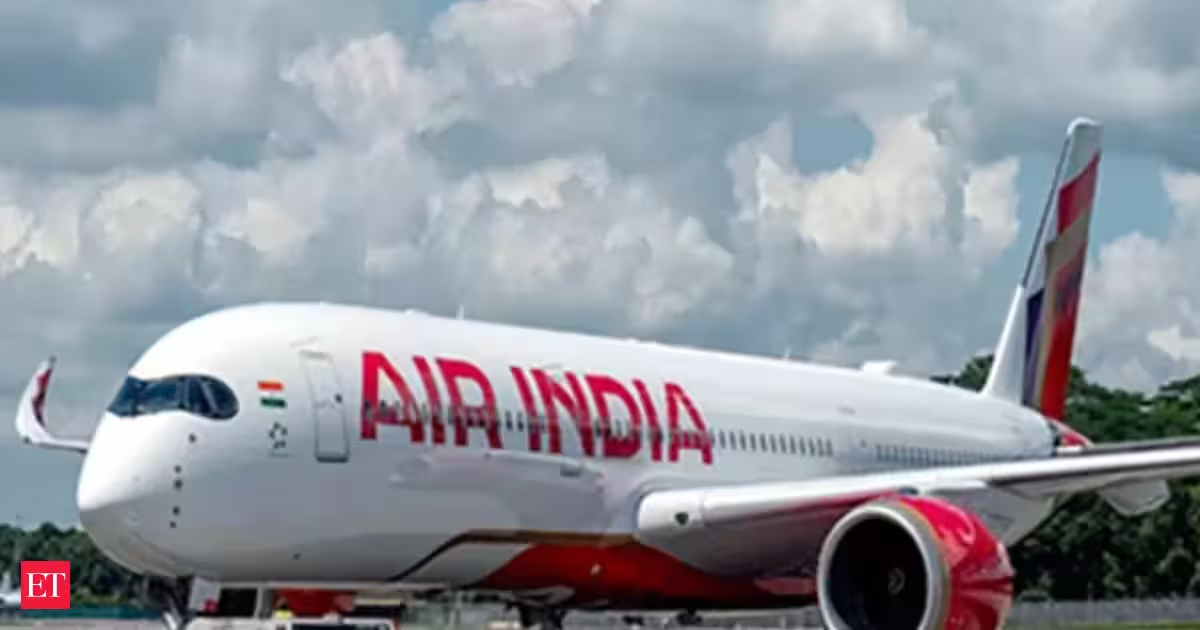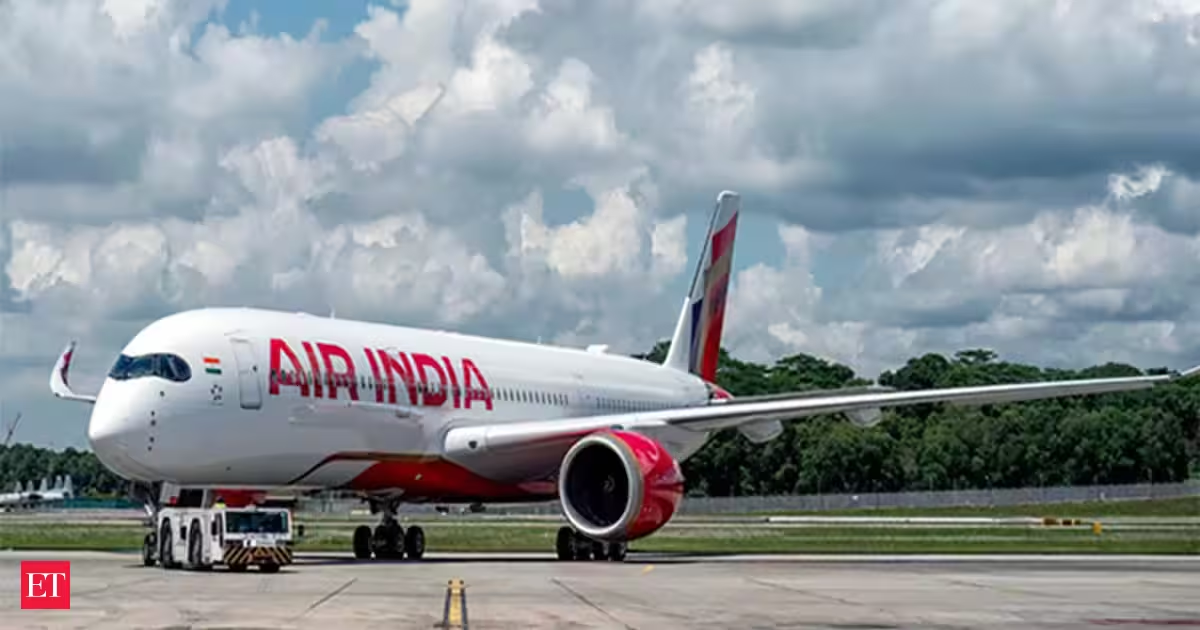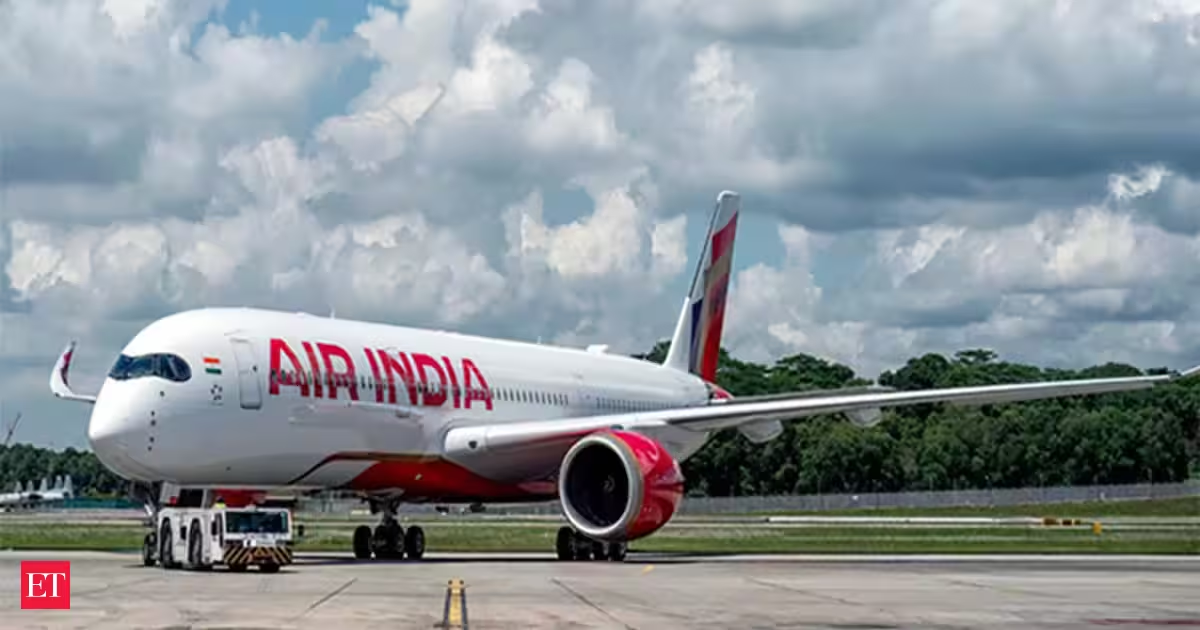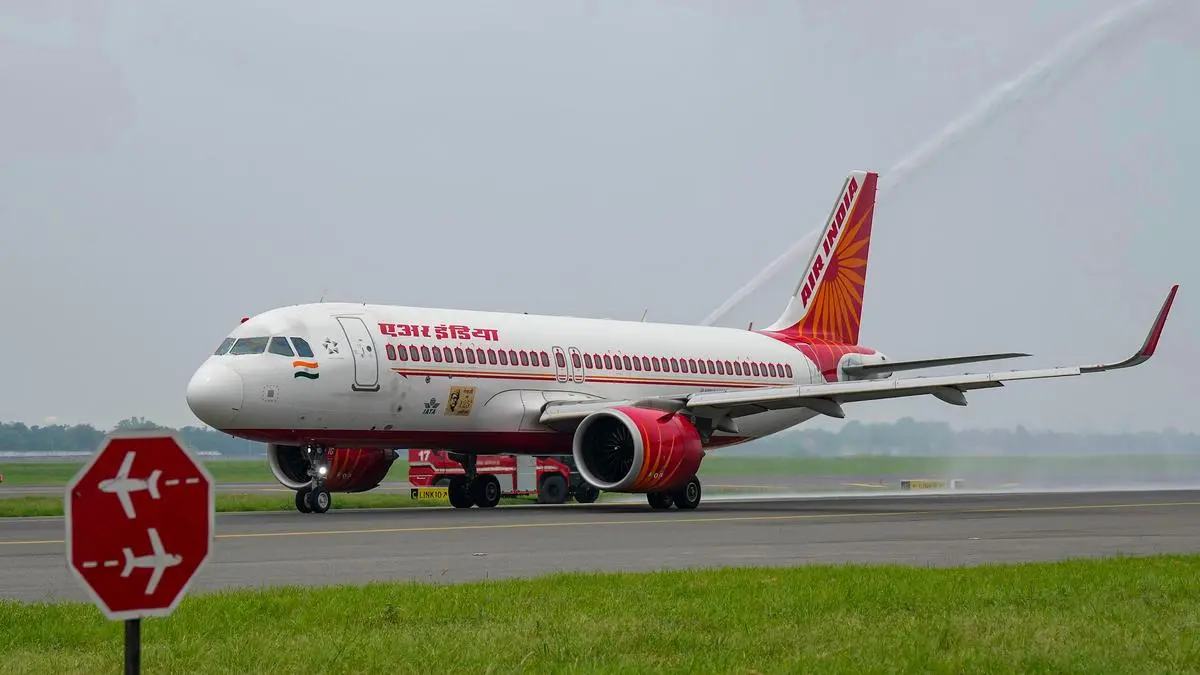
The incident involved an Airbus A320neo, registered VT-EXO, which subsequently landed safely in Delhi.
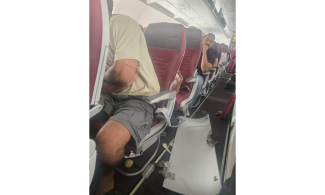
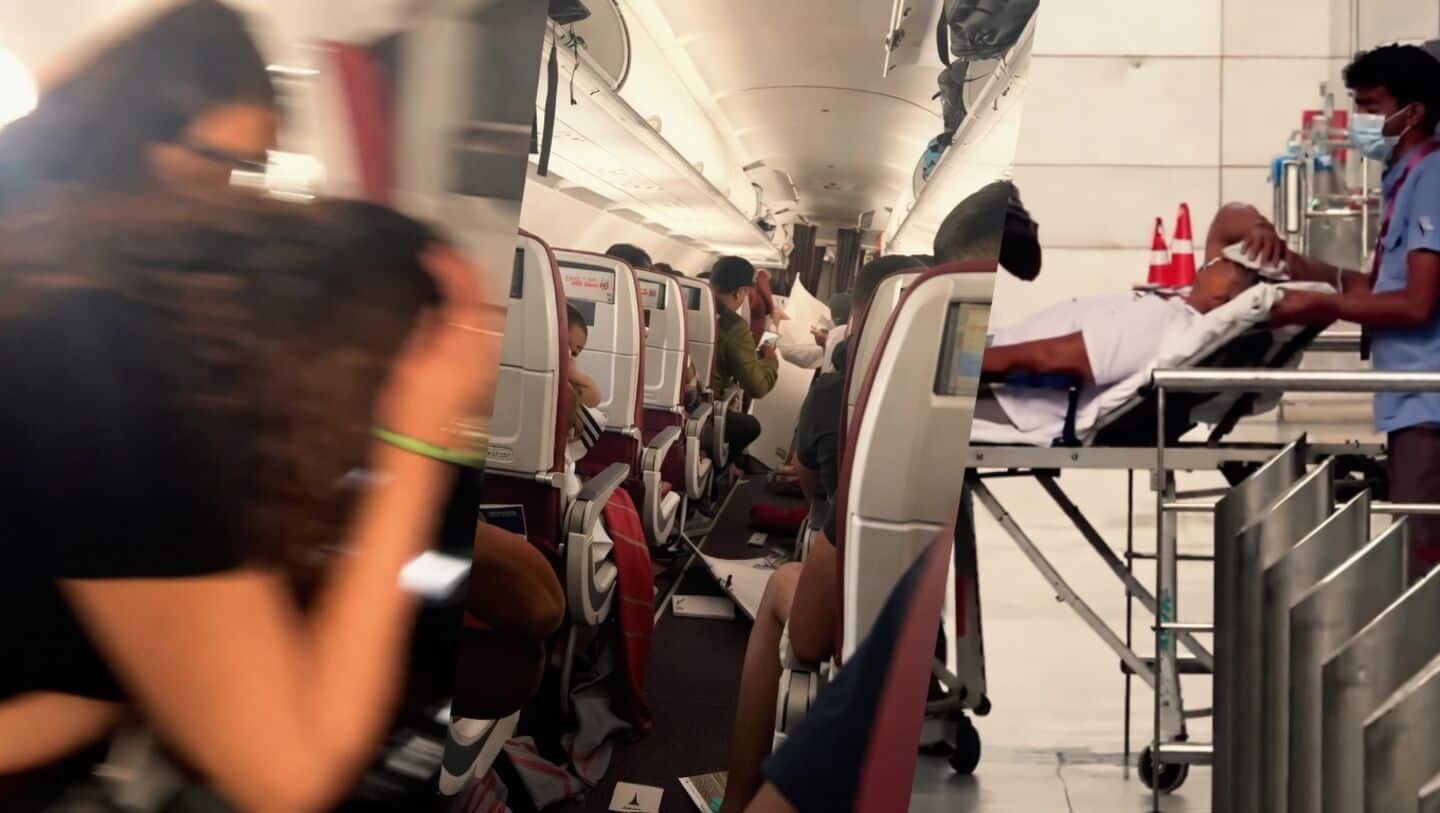
The preliminary report into the August 4 Air India flight AI2379 incident, in which the aircraft suffered a sudden loss of altitude, injuring passengers, is expected to be completed within the next 10-15 days, sources told businessline.Following the preliminary investigation report by the Aircraft Accident Investigation Bureau (AAIB), the Directorate General of Civil Aviation (DGCA) will decide on any action against Air India.The incident involved an Airbus A320neo, registered VT-EXO, which subsequently landed safely in Delhi. Around 20 passengers and four crew members were injured in the incident.Sources said Air India is entirely “responsible for compliance” with the established Civil Aviation Requirements (CARs) and that the regulator will “not micro-manage an airline”.Ensuring compliance with regulatory requirements and established procedures is the responsibility of the airline’s management, sources said.At present, the AAIB is examining all aspects related to the incident, including turbulence, drug-test results and any faults in the aircraft’s hydraulic and flight-control systems.“All options are on the table, including stringent action and strictures against Air India,” sources said.“Fines and management liability cannot be ruled out at this stage,” sources said. However, sources clarified that these proposed actions can only be decided after the preliminary investigation report is out.Apart from fines and management liability, enhanced surveillance measures on the airline may also be imposed, depending on the findings of the investigation, sources said.In terms of investigation, the AAIB has summoned the pilots and crew of AI2379 for questioning as part of its investigation into the incident.Post-flight maintenance reportMeanwhile, a post-flight maintenance report of the aircraft reviewed by businessline has flagged multiple warnings involving the aircraft’s hydraulic and flight-control systems.The aircraft recorded repeated warnings of low pressure in its hydraulic systems and low-level indications for hydraulic reservoirs. Around the same time, the aircraft recorded a fault involving the left and right elevators.The report also recorded “AUTO FLT AP OFF”, indicating that the autopilot was off.However, the maintenance report does not establish whether these warnings were linked to the sudden loss of altitude. It also does not indicate whether the hydraulic warnings were caused by an actual loss of pressure or fluid.According to sources, the pilot-in-command allegedly told investigators that he had not slept adequately and had informed the first officer that he would take some rest under controlled-rest provisions.The pilot also allegedly told investigators that he had been experiencing sleep difficulties over a period of time due to personal circumstances and had been prescribed medication by his family doctor.He reportedly said he had tried to rest during the layover but sleep did not come easily.However, businessline could not independently confirm the authenticity of what the sources said the pilot told investigators.Other sources had indicated that the pilot had failed the secondary drug test. Nonetheless, this development was not officially confirmed by the government.Published on August 13, 2026