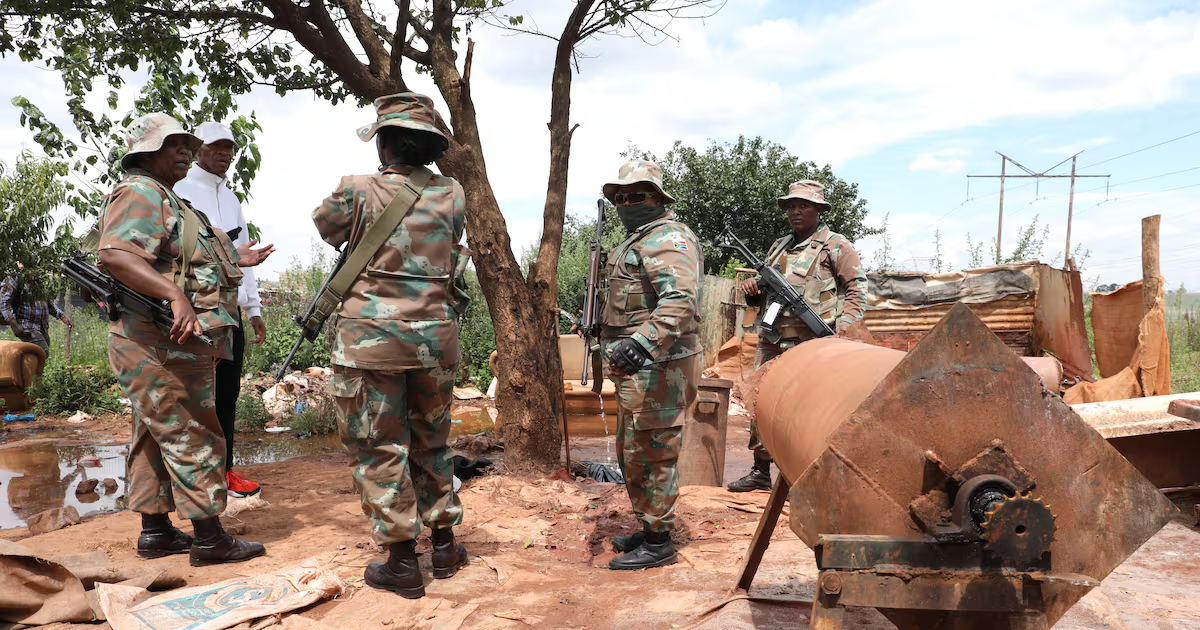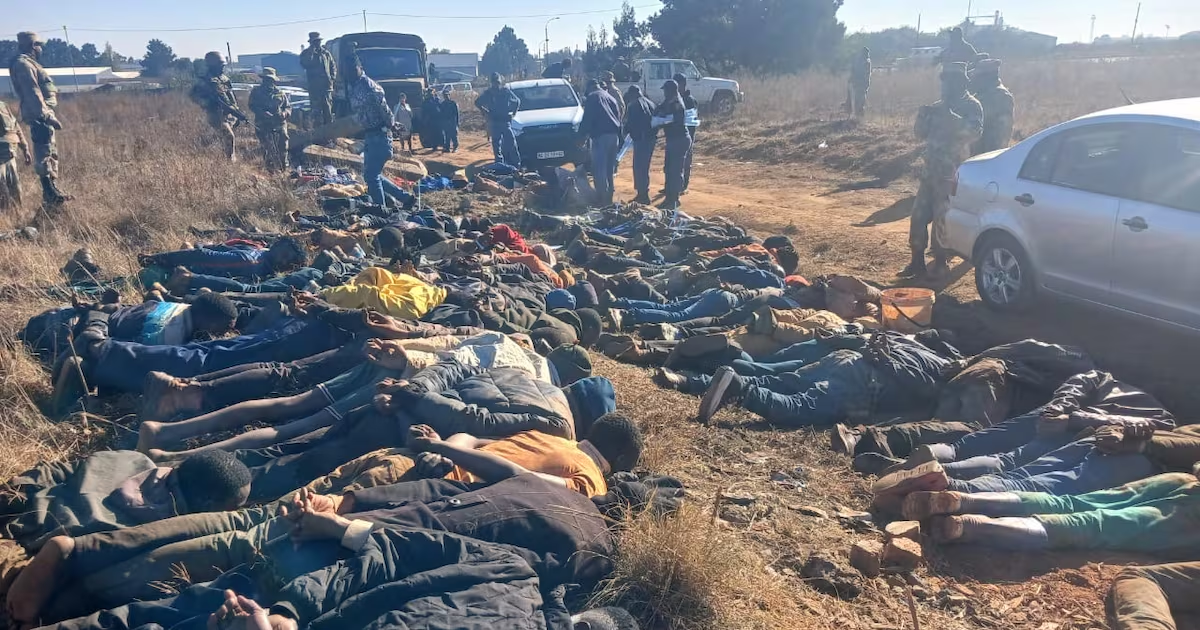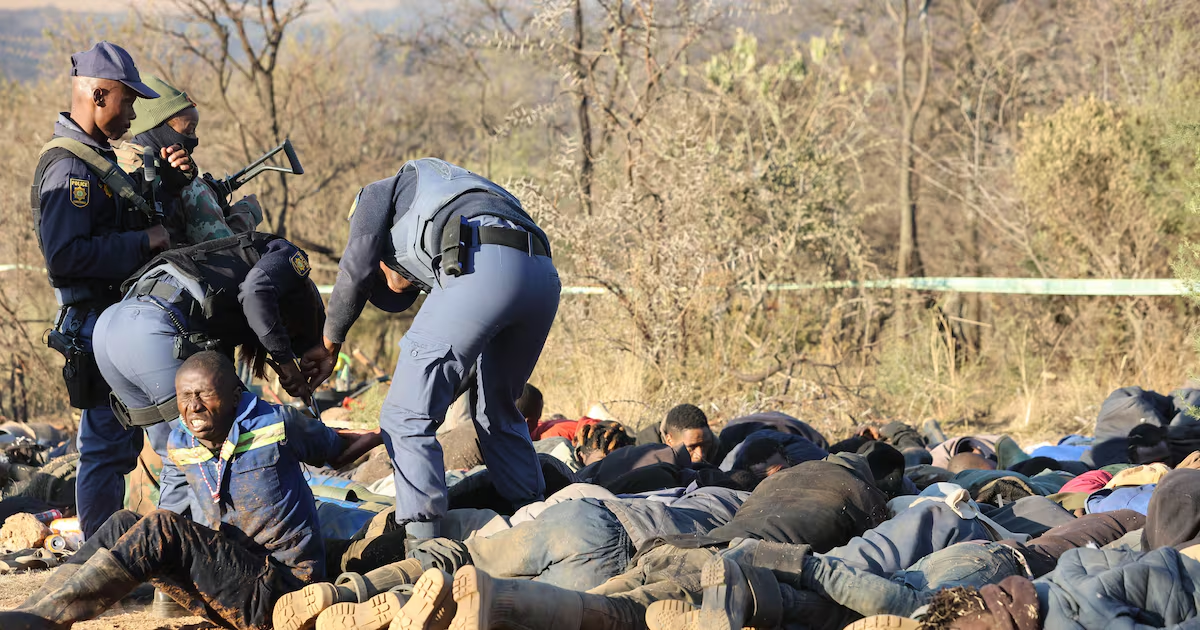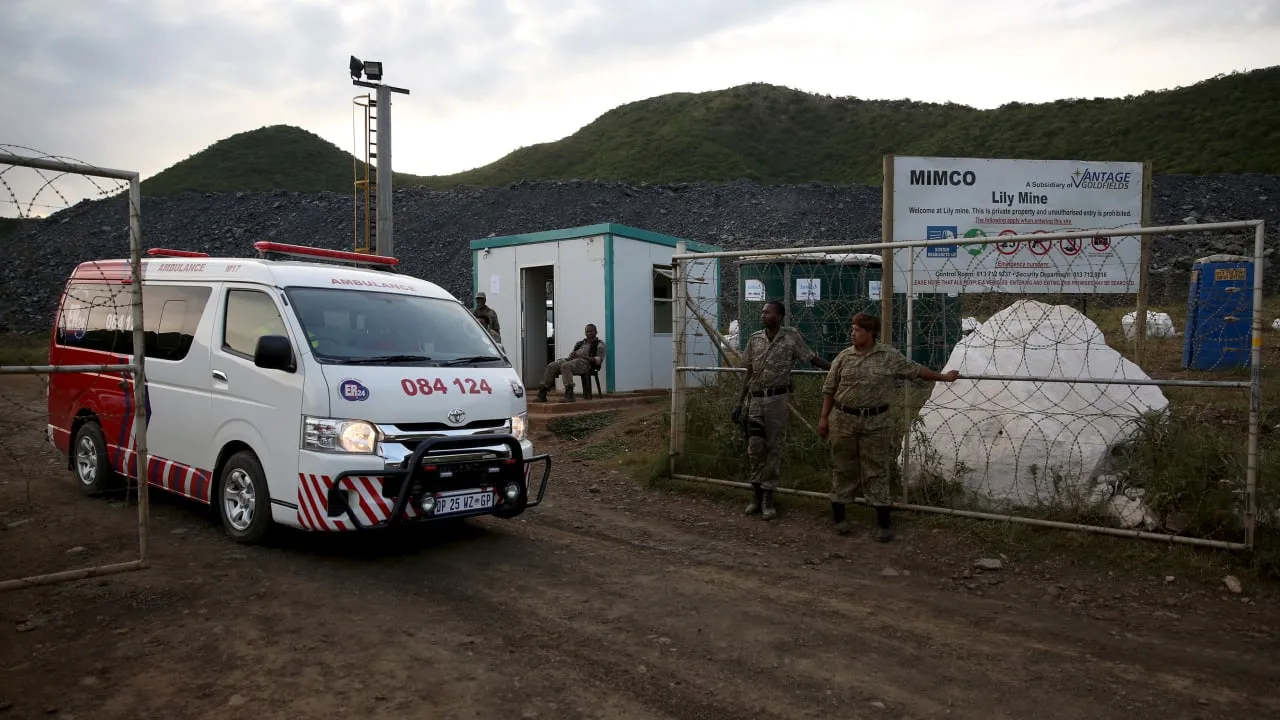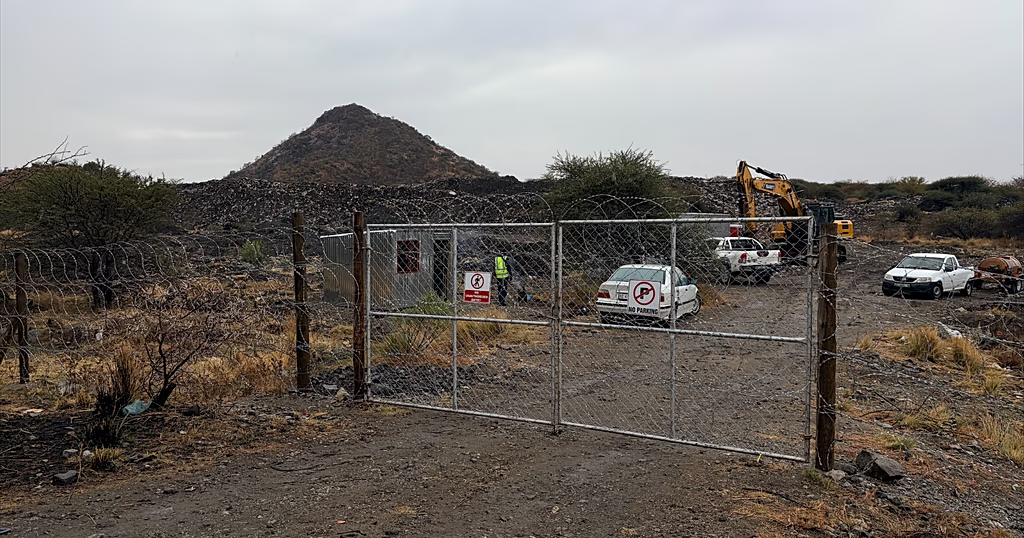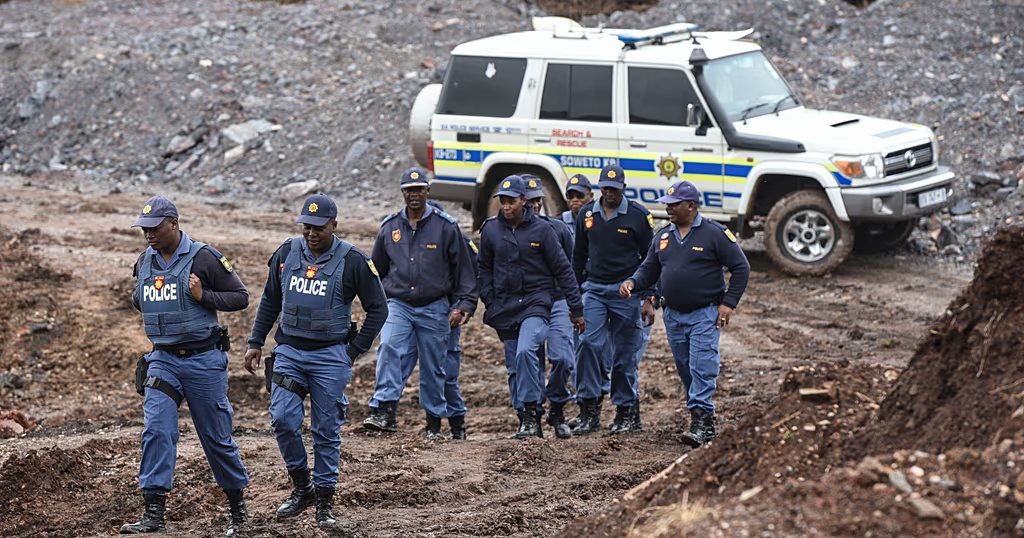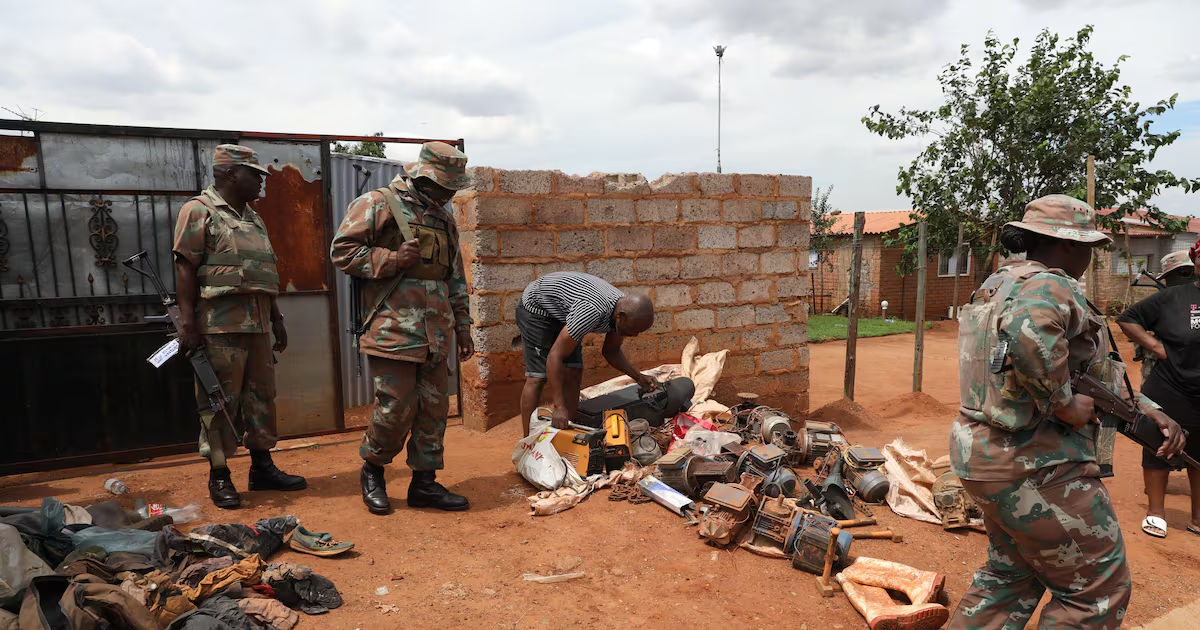
It is astonishing that South Africa, with its long mining history that stretches back more than a century, does not have laws to specifically deal with the scourge of illegal mining.Big mining companies have repeatedly warned that the lack of legislative clarity on what legally constitutes illegal mining wobbles efforts to rein in the criminal conduct.The frustration has been shared by police and the prosecuting authority, with suspects arrested often getting a slap on the wrist or charged with minor offences such as theft and trespassing — hardly a deterrence for rogue elements in what is seemingly a profitable trade.The cabinet’s decision to approve amendments to the Criminal Procedure Act and related acts to criminalise illegal mining is a step in the right direction in providing a disincentive for people to risk life and limb.The mooted maximum of 30 years’ imprisonment for those found guilty of illegal mining sends a strong message that this is a serious economic crime that society frowns upon. However, as we have seen with the country’s high rates of corruption and violent crime, harsher sentences on their own are not a deterrence for determined criminals.More so when huge sums of money are involved. And for illegal mining syndicates, which mainly target abandoned gold mines, this is a lucrative business that they will be willing to risk everything to exploit.The challenge will be whether the police have sufficient capacity to investigate and bring to book not only the foot soldiers but also the masterminds behind these syndicates.It might be opportune for the police service to establish dedicated units to investigate illegal mining and other illicit economic activities.This will not only allow the police to infiltrate the syndicates but also build closer relationships with communities in and around mining towns.The police’s lack of capacity to tackle illegal mining was crystallised by President Cyril Ramaphosa’s decision earlier this year to deploy more than 2,000 SANDF members, among others, to combat the so-called zama zamas.This came at great cost to the fiscus and is not an intervention that can be sustained. The police must be equipped and have a dedicated focus on the scourge of illegal mining, using the latest technologies available in the market, including the deployment of drones.This newspaper is acutely aware of the sheer loss of human life resulting from hazardous illegal mining activities and violence linked to turf wars in the illicit industry. We remember vividly the deaths of more than 80 people at Stilfontein last year. This week, 14 suspected illegal miners also perished in the North West.These tragedies, and the many others that go unreported, make the mooted changes to the laws something that the totality of society must welcome.With the country said to have about 6,000 derelict and abandoned mining sites, the private sector must step up and play a responsible role and keep fidelity with the communities that they owe rehabilitation obligations to.To this end, the government must not just stop at criminalising illegal mining. It must go further and embark on a mass programme to identify former mine owners and enforce their rehabilitation obligations.With South Africa’s high levels of unemployment, underscored by the second quarter rate that reached a four-year high of 33.6%, illicit activities like illegal mining became a powerful drawcard for people to put food on the table. Ultimately, a growing economy that can absorb millions of young people into formal and informal employment is the real solution to criminality that is costing the economy billions of rand annually.Business Day
EDITORIAL | Harsher laws must be backed by capacity to tackle illegal mining
New laws mean little without effective policing, prosecutions and mine rehabilitation
582 words~3 min read