Story audio is generated using AI
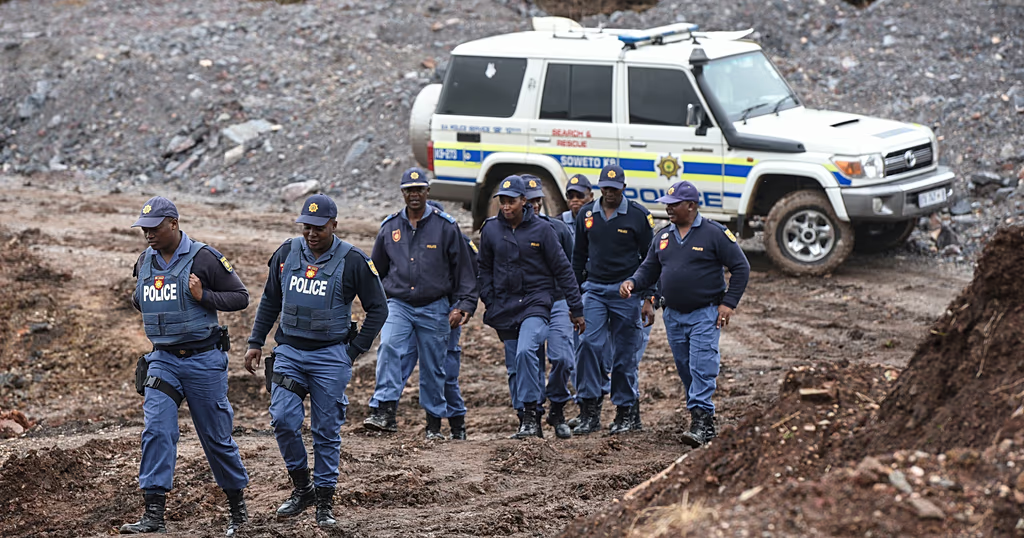
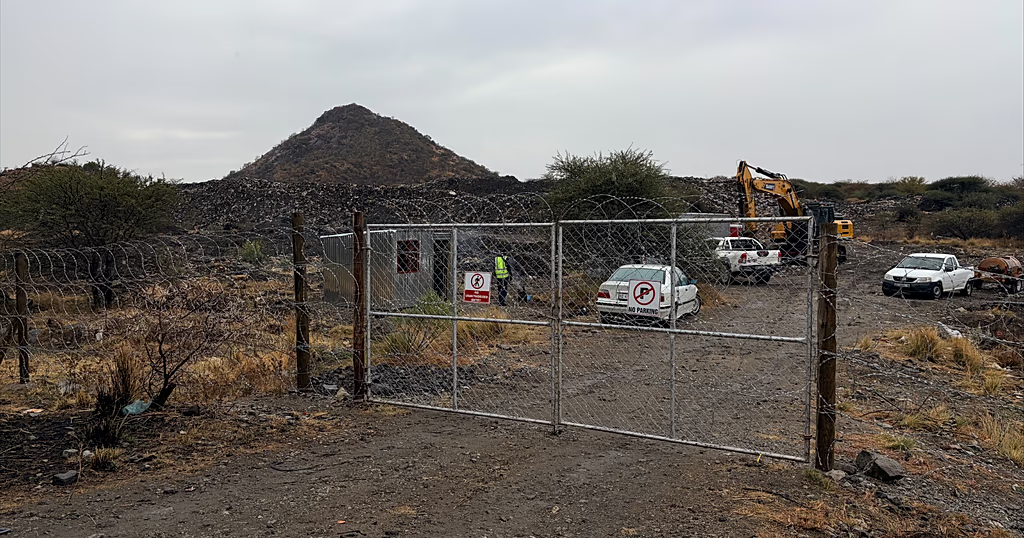
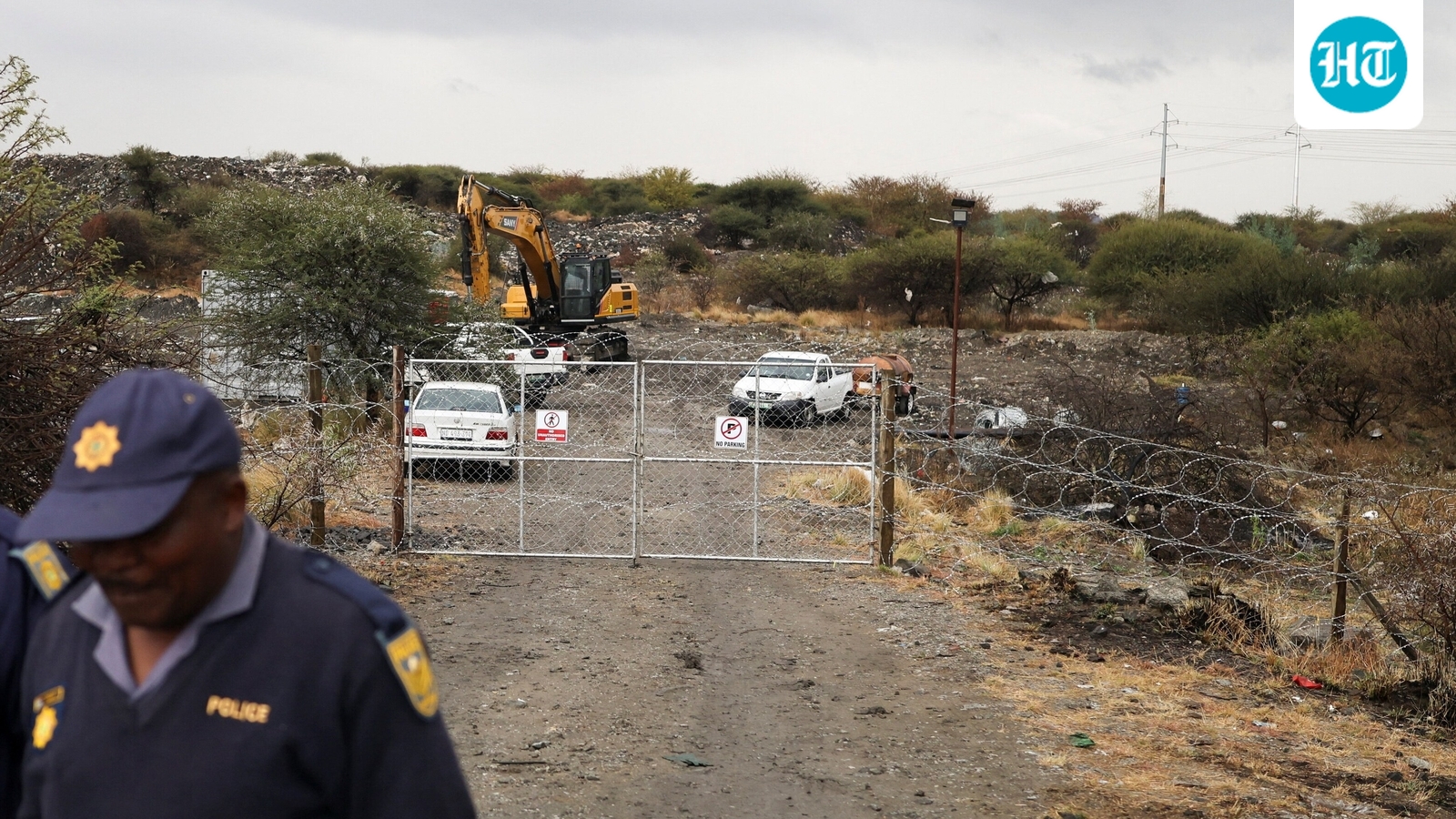
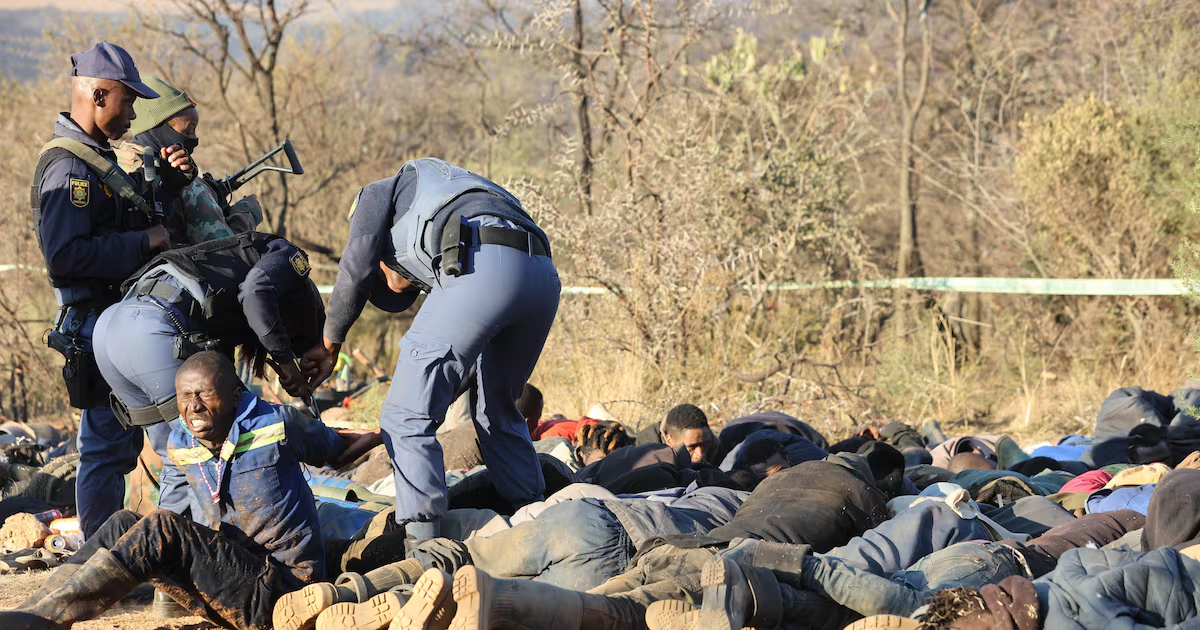
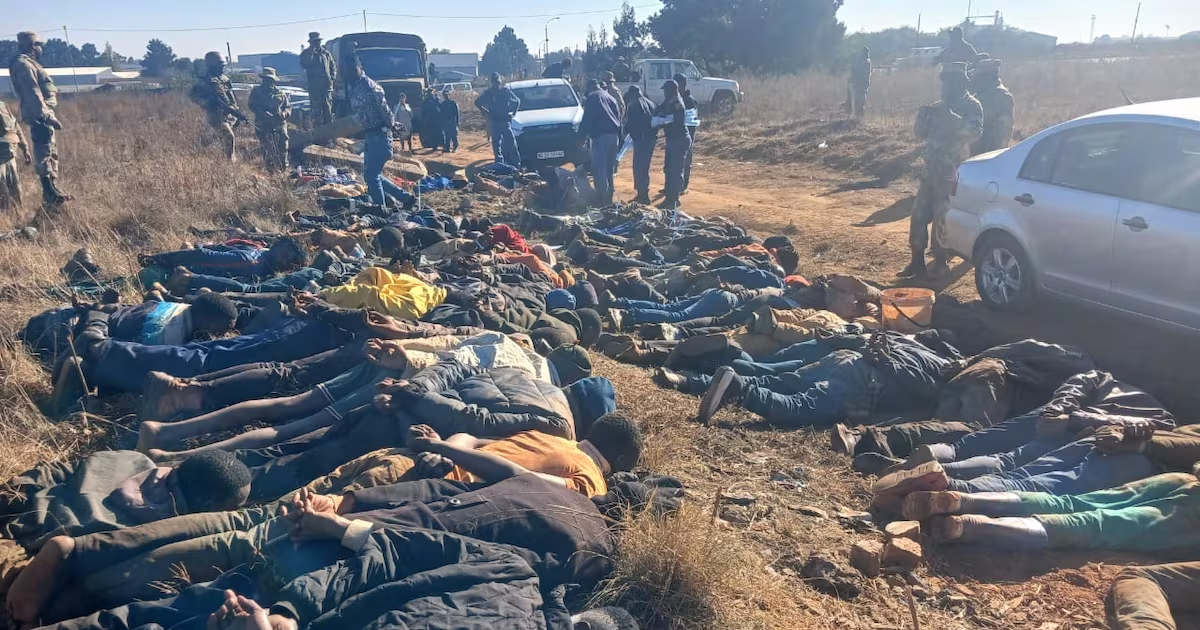
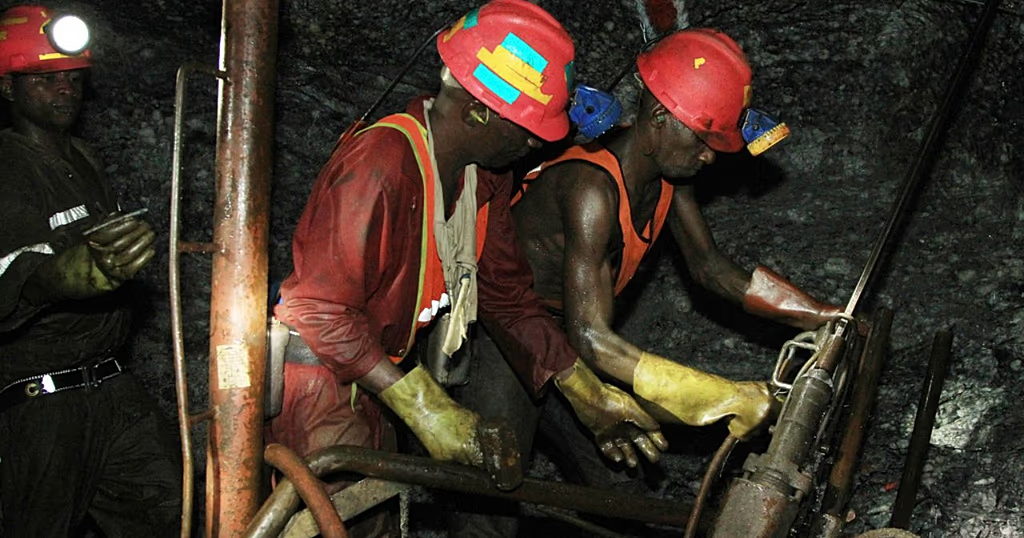
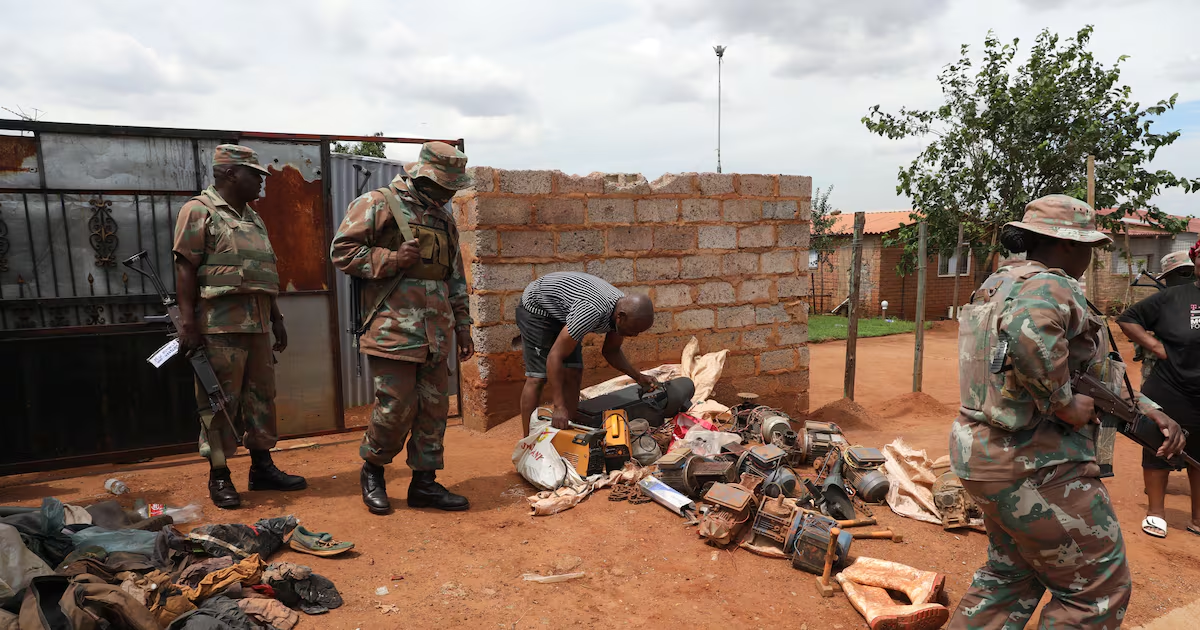
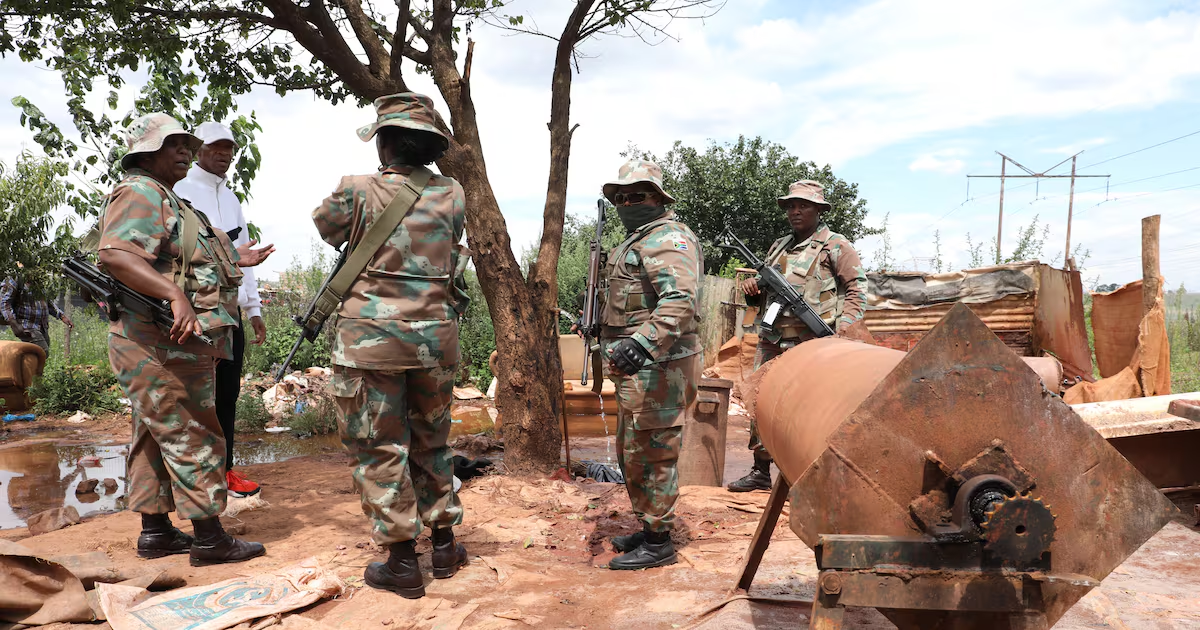
For the first time in its more than 150 years of mineral extraction, South Africa has classified illegal mining as an unlawful act, with perpetrators facing a maximum jail term of 30 years, as the country and industry seek to eradicate a scourge that siphons as much as R70bn from the economy annually.The cabinet has approved amendments to the Criminal Procedure Act and other relevant laws to criminalise illegal mining, closing a loophole that had led to guilty parties facing charges such as trespassing or being fined as little as R300.Fines of up to R100m are also on the cards as the government widens the net to hold people in the value chain accountable, including those who aid and abet illegal miners. Announcing amendments to the law on Tuesday, justice & constitutional development minister Mmamoloko Kubayi said illegal mining is part of broader organised economic crimes and is often linked to serious offences, including illicit financial flows and human trafficking as well as the smuggling of weapons and explosives.She said the amendments to the laws were long overdue.“Currently, whether you are a runner or a kingpin, there is no law that criminalises illegal mining to make it an offence. What we are proposing is that this activity must be an offence. The lack of legal clarity has made it difficult for investigators to deal with illegal mining,” Kubayi said.“This was proposed [defining illegal mining as a crime] by Natjoints [The National Joint Operational and Intelligence Structure] as part of what is needed to respond to the challenges they face when they do operations. We believe that the proposed fines and sentencing are sufficient to deal with the entire value chain,” she said.“Illicit mining has negative effects on communities in and around mining towns through damage to underground water types, which then affects water security. Illegal mining has also been associated with kidnappings, human trafficking, child labour and forced labour.”The government’s proposals are likely to receive full support from big business, which has long argued that the country’s laws are not a deterrent to illegal mining.PwC, which estimates losses from legal mining at more than R50bn a year, has called on South Africa to see combating the activity as a national priority.Sibanye-Stillwater has sounded the alarm on organised crime in several annual reports. Aside from the financial losses, illegal mining brings rising crime rates, gender-based violence, teenage pregnancies, prostitution and a host of other social ills to the communities surrounding Sibanye’s gold mines, it says.President Cyril Ramaphosa earlier this year deployed the army to, among other things, repel illegal mining syndicates. Illegal mining is part of a thriving illicit economy, which the National Treasury estimates gobbles up R700bn of GDP annually and R100bn in lost taxes. South Africa’s flagship mining legislation, the Mineral and Petroleum Resources Development Act of 2002, makes it a crime to be in possession of unwrought precious metal ore without the required statutory authorisation. However, the act has long been criticised for its narrow definition of illegal mining, which prevents the imposition of punitive sentences.Illegal mining, defined as mining activities conducted without state permission, is a huge challenge in South Africa. The practice occurs in abandoned and even operational mines, where individuals, often referred to as zama zamas, extract valuable minerals under hazardous conditions.The extreme dangers involved were made clear once more on Monday, when 14 alleged illegal miners were found dead at an abandoned shaft in the North West — the second such tragedy in less than two years.Last year, more than 80 illegal miners perished at an abandoned shaft at the Buffelsfontein Gold Mine in Stilfontein — also in the North West — in a story that grabbed international headlines. The province’s rich mineral deposits have attracted numerous illegal miners, particularly in areas like Stilfontein, which was once a hub for legitimate mining operations.There are about 6,000 derelict mines and abandoned mining sites in South Africa, and the South African Federation of Trade Unions (Saftu) said illegal mining is tied to criminal syndicates.“We must also stop pretending that thousands of desperately poor people simply wake up one morning and independently decide to disappear underground. There is an illegal mining economy above the ground,” the union said on Tuesday.“There are financiers. There are recruiters. There are people supplying equipment and food. There are transport networks. There are buyers of illegally extracted minerals. There are processors and exporters. There are people laundering the proceeds, and there are organised criminal syndicates profiting from the desperation of those who physically enter these dangerous shafts,” Saftu added.“The poorest worker underground is frequently the most visible and disposable link in a much larger economic chain. Saftu therefore demands that law enforcement follow the money. Arresting impoverished miners while financiers, buyers, smugglers, exporters and syndicate bosses remain untouched will never eliminate illegal mining.”The union added that mining corporations cannot be allowed to extract billions of rand in minerals during profitable years and then leave workers, communities and the state with unstable shafts, contaminated land and enormous rehabilitation liabilities.“The state must identify the responsible mining companies wherever this remains possible and enforce their rehabilitation obligations. Where companies have disappeared, the state cannot simply abandon affected communities,” Saftu said.