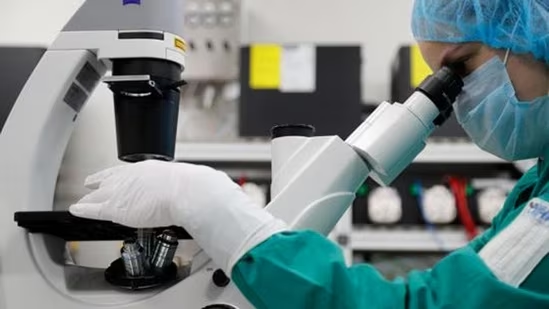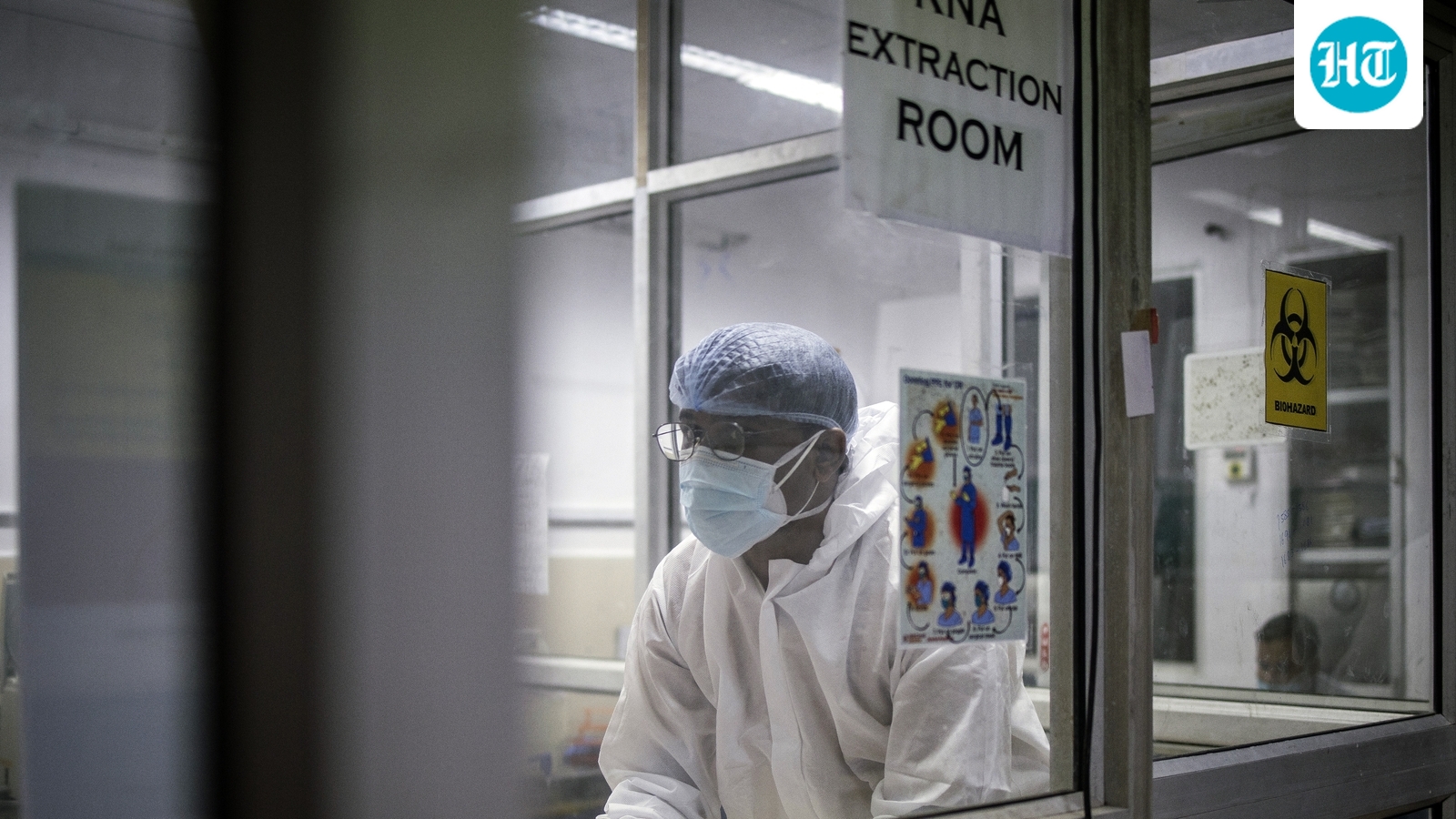
Biopharmaceutical innovation in India is being reshaped by advanced biologics, cell and gene therapies, RNA-based therapeutics, AI-enabled discovery and sophisticated manufacturing platforms. As the science grows more complex, talent readiness is emerging as a key differentiator. India has built a strong foundation in pharmaceuticals, vaccines and biotechnology, supported by a deep pipeline of science and engineering graduates. Its bioeconomy has grown from $ 10 billion in 2014 to $ 195.3 billion in 2025 and is projected to reach $ 300 billion by 2030. Sustaining this momentum will require a workforce equipped for regulated, technology-driven environments where scientific expertise, process understanding, quality systems and digital capabilities converge.Biopharma Photographer: Anindito Mukherjee/Bloomberg (Bloomberg)Yet, a gap remains between academic preparation and industry expectations. Many graduates require six to 12 months of additional training before they can contribute independently in regulated settings. While they often possess strong theoretical foundations, modern biopharma requires practical fluency in GMP, validation, data integrity, regulatory compliance and quality-led decision-making. This distinction matters because countries competing for biopharma investment are no longer differentiated solely by cost, infrastructure or manufacturing scale. Increasingly, competitive advantage is determined by the preparedness, adaptability and quality of the workforce.India has made significant progress in strengthening its biopharma ecosystem. The country's rise from 15th place in 2023 to 10th in the 2025 Global Biopharma Index reflects advances in policy support, manufacturing capability, investment and workforce development. Initiatives such as the National Biopharma Mission have further strengthened the ecosystem by supporting innovation, expanding shared infrastructure and creating skilled employment opportunities.The next phase of growth will be more demanding. New modalities, digital technologies and advanced manufacturing platforms are reshaping capabilities across the value chain. India will need deeper expertise in biologics manufacturing, process development, digital bioprocessing, regulatory science and quality systems. This requires closer partnership between industry and academia. Biopharma education must move beyond theory to include exposure to GMP environments, quality systems, data integrity practices and regulatory expectations. Emerging fields such as bioinformatics, AI-enabled drug discovery and regulatory science also need stronger presence within curricula. The challenge is not solely technical. As therapies become more complex, innovation depends on collaboration across scientific, regulatory and commercial teams. Future professionals must understand how decisions across the product lifecycle influence development timelines, manufacturing outcomes and patient access. Dedicated skill development centres within biopharma clusters and industry-aligned skill labs can help bridge this gap by providing hands-on exposure to manufacturing processes, quality systems and regulatory requirements. Supported by academia, industry and skill councils, these programmes can help build practical, job-ready capabilities aligned with evolving workforce needs. India’s manufacturing strength is a major asset, but long-term leadership in biopharma will depend on building capabilities across the entire value chain. Countries create sustainable advantage not only by manufacturing efficiently, but by developing expertise in process development, analytical sciences, technology transfer and commercialisation.Process development is central to this shift. Expertise in upstream and downstream development, process characterisation, optimisation and scale-up science determines how efficiently biologics move from discovery to commercial manufacturing. These capabilities improve yields, reduce cost of goods, enhance process robustness and accelerate time to market. As biologics become more sophisticated, India will need greater expertise in areas such as process intensification, developability, manufacturability and analytical development linked to process understanding. Such capabilities are critical not only for accelerating biosimilar development, but also for building a biologics ecosystem that can innovate, scale and compete globally. Industry-academia collaborations, specialised training centres and partnerships with technology providers can help bridge capability gaps, expose scientists to modern platforms and best practices, and strengthen technology transfer readiness across the sector.Practical exposure alone is not enough. The industry needs consistent ways to assess and recognise capability. Competency-based certifications, supported by apprenticeships, curriculum co-development and practical assessments, can establish benchmarks for job readiness and strengthen the link between education and employment. Tomorrow's biopharma workforce will operate at the intersection of biology, engineering and data. Capabilities such as bioinformatics, process automation, AI-enabled discovery, digital twins and real-time manufacturing analytics are becoming integral to how therapies are developed and produced. Digital learning can expand access to specialised training beyond established biotech hubs. The most effective programmes enable learners to understand how process decisions affect product quality, compliance and patient safety.The Global Biopharma Index 2025 found that higher-performing companies make greater use of digital learning to develop talent, reinforcing the link between workforce capability and organisational performance. But technology cannot replace practical experience. Strong workforce models combine digital learning with hands-on exposure to manufacturing environments, process development workflows and quality systems.India’s biopharma ambitions will require far more than researchers and manufacturing operators. The sector will increasingly depend on specialists in process development, analytical sciences, validation, regulatory affairs, manufacturing science and technology transfer.As India expands its role in biologics and advanced therapies, regulatory expertise will become as important as scientific expertise. Professionals who can navigate global regulatory frameworks and translate innovation into compliant, scalable products will be critical to India’s position as a trusted biopharma partner. In advanced biologics, quality is built into development, scale-up and manufacturing from the outset. The same principle applies to emerging fields such as CAR-T therapies, RNA therapeutics, precision medicine and genomics. As these technologies move closer to commercial reality, demand for expertise in computational biology, advanced biologics manufacturing, regulatory affairs and process development will continue to grow. This presents India with a significant opportunity to build capabilities that remain in short supply globally. India’s policy environment is creating a powerful opportunity. The government's Biopharma SHAKTI initiative, backed by an INR 10,000 crore outlay over five years, aims to strengthen the biologics and biosimilars ecosystem through investments in research infrastructure, manufacturing capability, regulatory systems and workforce development. Expanded clinical trial and regulatory capacity will further increase demand for specialised talent across the sector. The opportunity now is to build a biopharma ecosystem that is practical, industry-aligned and future-ready. Doing so will require sustained collaboration among academia, industry, government, skill councils, training partners and technology providers. India has the scientific foundation, manufacturing expertise and policy momentum to play a larger role in global biopharma. The next competitive advantage will come from developing professionals who can navigate global regulatory pathways, harness digital technologies, strengthen process development, operate advanced manufacturing systems and translate scientific innovation into scalable outcomes. The countries that build these capabilities fastest will shape the next era of healthcare innovation. Realising that opportunity will require talent development to be viewed not simply as a workforce agenda, but as a strategic lever for innovation, investment and long-term leadership in biopharma.(The views expressed are personal)This article is authored by Uma Sinha Datta, director, Fast Trak Process Development Services India & Fast Trak Global Training Leader, Cytiva, and Goutam Bhattacharya, CEO, Life Sciences Sector Skill Development Council.
India’s biopharma edge will be built on talent readiness
This article is authored by Uma Sinha Datta and Goutam Bhattacharya.
1,115 words~5 min read