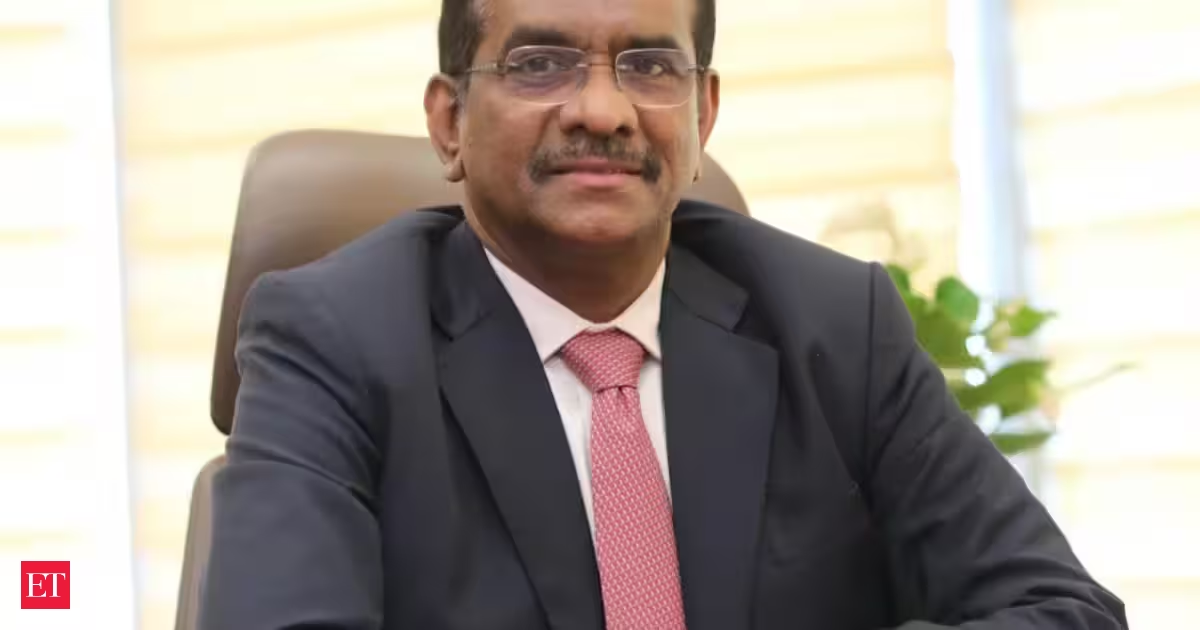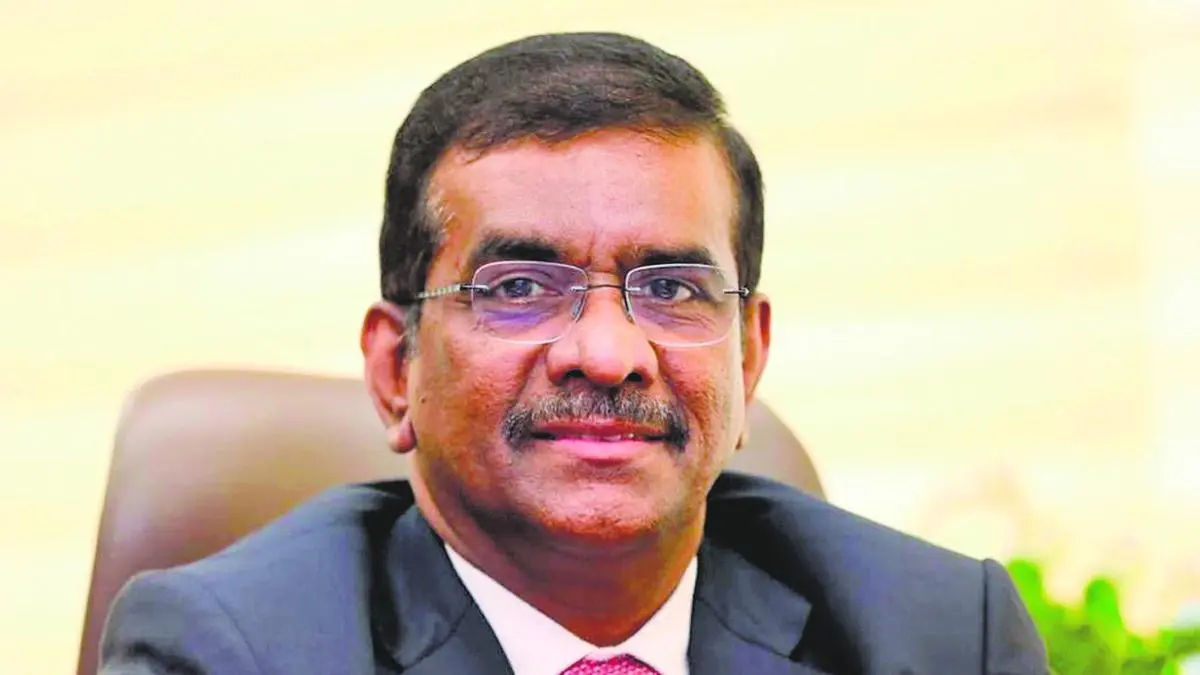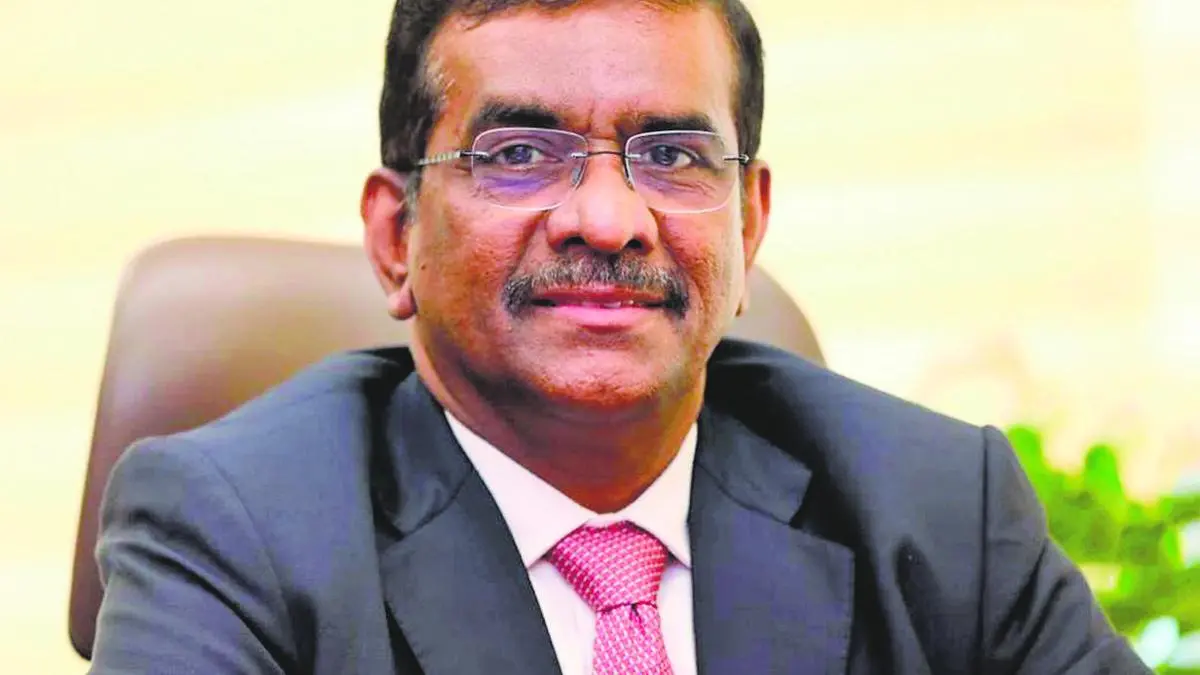
Rajkiran Rai G, MD & CEO, NaBFID, said insurance, pension and provident funds could become major contributors to financing India’s next phase of economic growth.
NaBFID plans to raise USD 3-4 billion through external commercial borrowings, a top official said on Wednesday.The infrastructure financier also made a plea to double the rate of infrastructure investments to Rs 40 lakh crore per year if the country were to meet its economic ambitions.Without sharing timelines for the ECB raising, the official said NaBFID has already tied up USD 850 million and is planning a bond issuance of USD 500 million to USD 1 billion, likely with a tenure of around 10 years.“We are looking at USD 3 to 4 billion of ECB, both loans and bonds. There is a plan. We have already done USD 850 million,” Rajkiran Rai G, managing director at NaBFID, said on the sidelines of the FIBAC 2026 event.The proposed bond issue is likely to be launched by the end of September, depending on investor appetite. The amount has not yet been crystallised but would be a minimum of USD 500 million.India needs to double annual infrastructure investmentIndia will have to double the rate of infrastructure investments to Rs 40 lakh per annum to achieve long-term economic growth ambitions, a senior banker said on Wednesday.The country currently invests around Rs 20 lakh crore annually in infrastructure, he said, underlining the need to significantly scale up investments in both infrastructure and manufacturing.“Infra itself needs about Rs 800 lakh crore of investment in the next 20 years. That is about Rs 40 lakh crore every year. We do hardly Rs 20 lakh crore now. Similarly, manufacturing capex also needs huge investments,” Rajkiran Rai G, Managing Director at National Bank for Financing Infrastructure and Development (NaBFID), said during a panel discussion at the annual FIBAC event here.“When we talk of capex, actually, it is more from the manufacturing and infra, both together, because manufacturing capex also has to go up…because as a country, we skipped the manufacturing growth; we jumped into the services sector first,” he said.Manufacturing investment crucial for sustained growthWhile the services sector had contributed significantly to India’s growth and helped the economy move towards the USD 4-trillion mark, manufacturing investment needs to rise substantially, he said.“I think now the PLI and other things are pushing that and a lot of things are happening. So, manufacturing capex is very important and infra investment is very important. We ought to practically double our investments, what we are doing, from what we are doing now, to reach that nine per cent growth and in a very sustainable way,” he added.He added that it is not that one year we do and all that. It has to be done continuously to sustain that growth. Otherwise, a USD 30 trillion economy will be very difficult to achieve, Rai warned.He said the next challenge would be determining how the massive funding requirement would be met.Domestic savings could support long-term fundingThe NaBFID MD pointed to the growing pool of domestic long-term savings. He cited assets under management of pension, insurance and provident fund schemes at Rs 125 lakh crore – which is almost 50 per cent of the scheduled bank deposits – and they are easily growing at 15-20 per cent, whereas scheduled banks are struggling to grow liabilities at 9 per cent.The growing pool of long-term savings could increasingly finance infrastructure and other long-duration assets, he said.Funding infrastructure through traditional lending alone would not be sufficient and financial institutions would increasingly need to originate projects and distribute the exposure to other investors, he suggested.He added that insurance, pension and provident funds will be among the biggest contributors to financing India’s next phase of growth.“In the next phase of growth, we will see participation of different kinds of saving tools coming into this sector. Some ecosystem changes, some regulation changes may have to happen. It is gradually happening,” he said.The shift would eventually reduce dependence on bank balance sheets for funding long-term infrastructure projects.Published on August 13, 2026