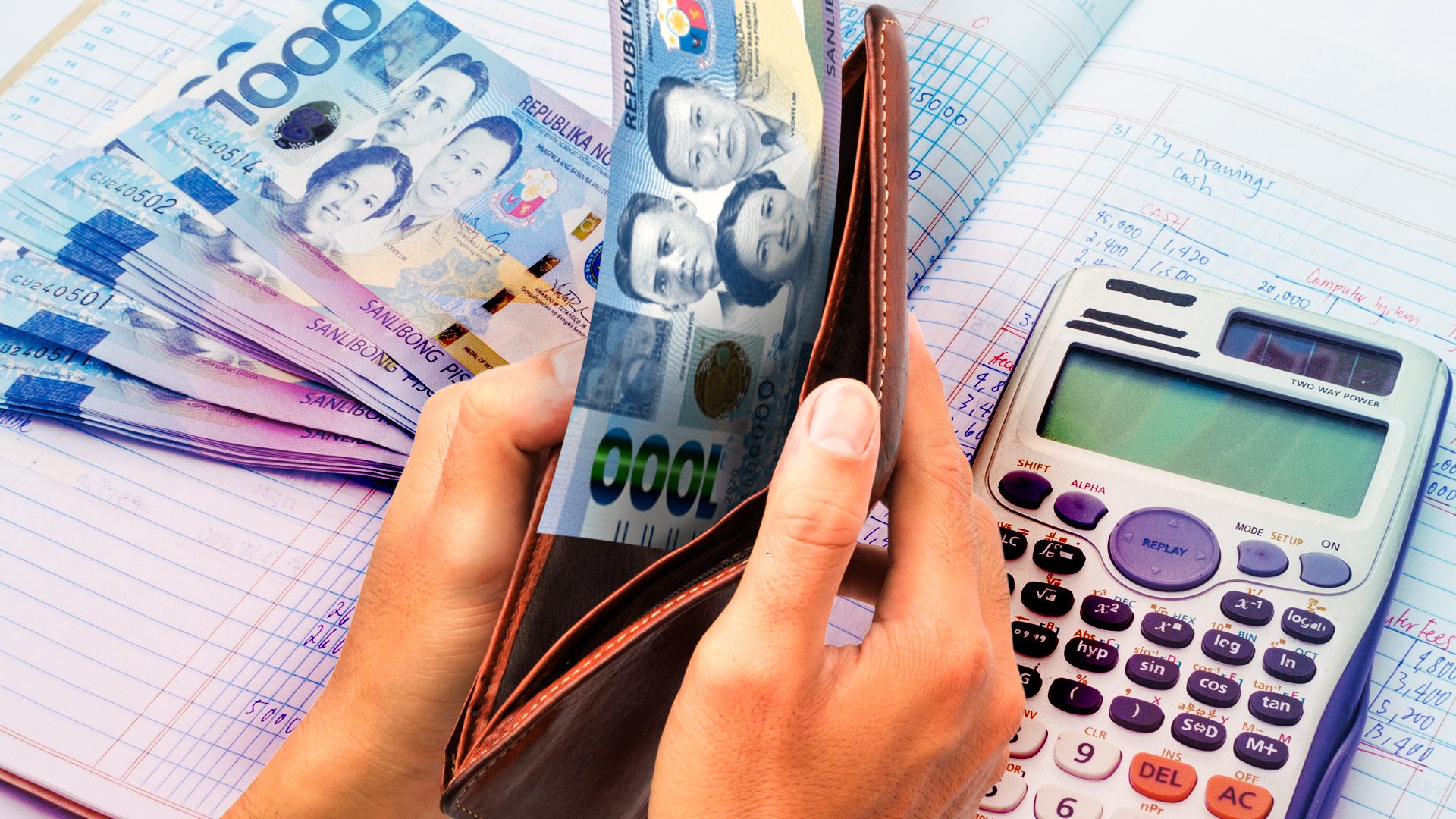
The policy direction is clear: the Filipino middle class needs meaningful and lasting tax relief.
When the Tax Reform for Acceleration and Inclusion law (TRAIN) took effect in 2018, the first ₱250,000 of taxable income became tax-free. That threshold has remained unchanged despite years of higher food, housing, transportation, healthcare, and education costs. This creates bracket creep: salaries rise on paper, but workers may pay more tax without becoming better off in real terms.
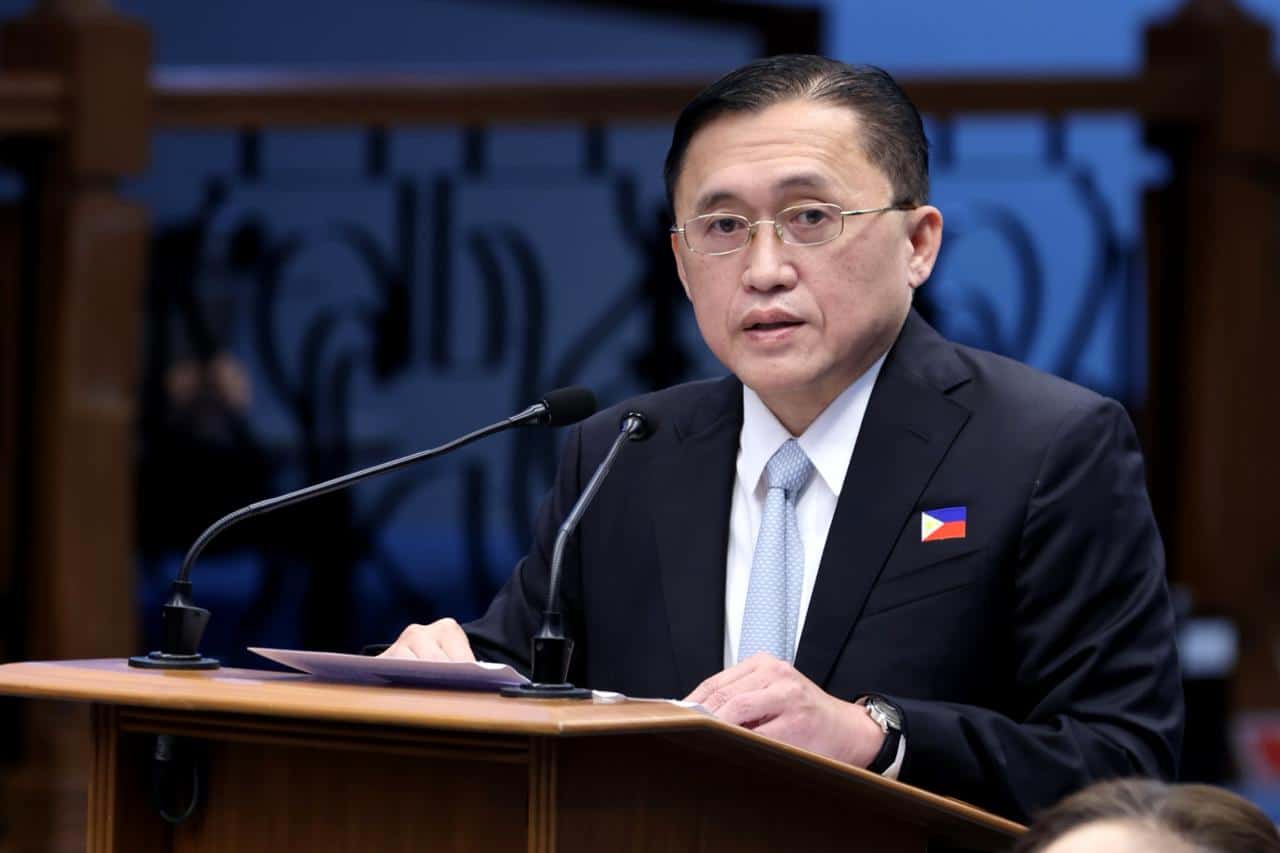
The administration’s PROGRESS Bill—Promoting Growth, Revenue, and Equity Towards Socio-Economic Sustainability—and Senate President Win Gatchalian’s GINHAWA Bill—Granting Increase in Take-Home Pay for All Working Filipinos—address the same problem through different policy designs.
The real question is not which bill wins. It is whether Congress can combine tax relief, fiscal responsibility, and institutional reform.
In this week’s Ask the Tax Whiz, we compare both proposals and examine how they can support a credible roadmap toward ₱1 million in tax-free income for every Filipino.