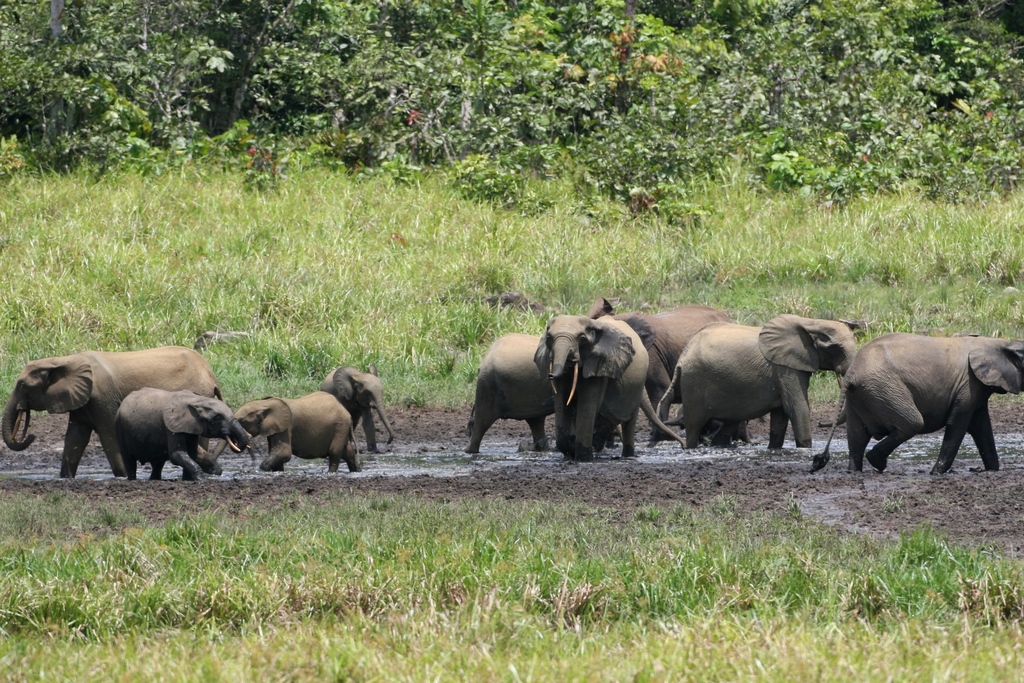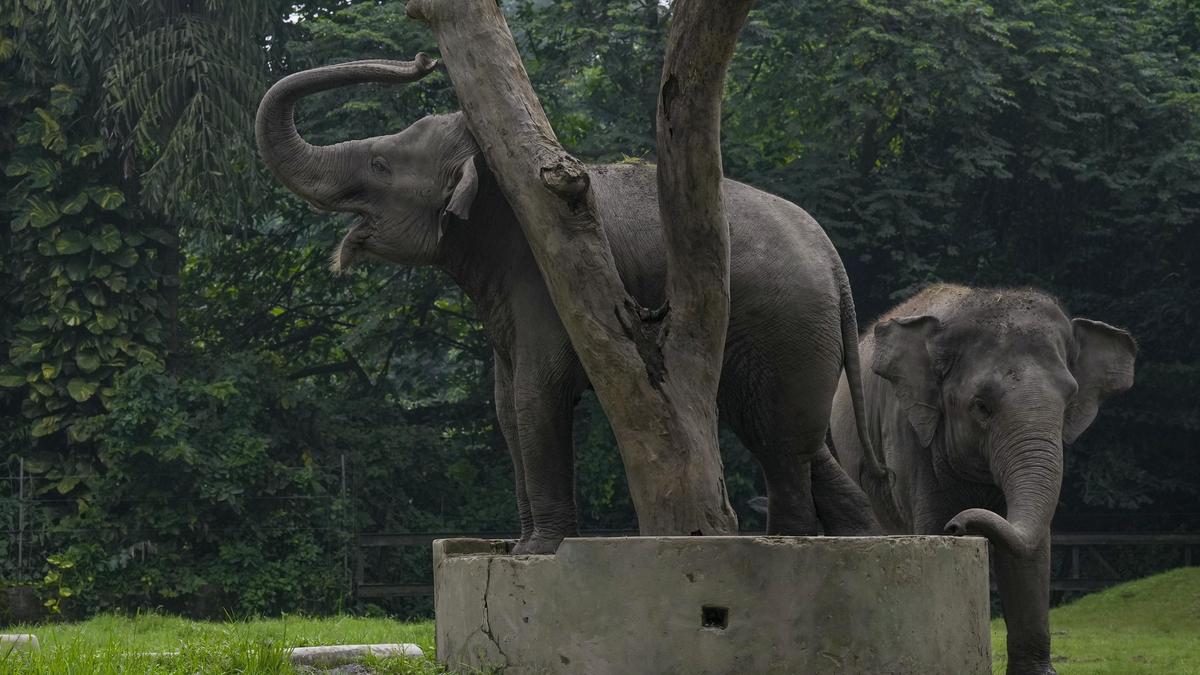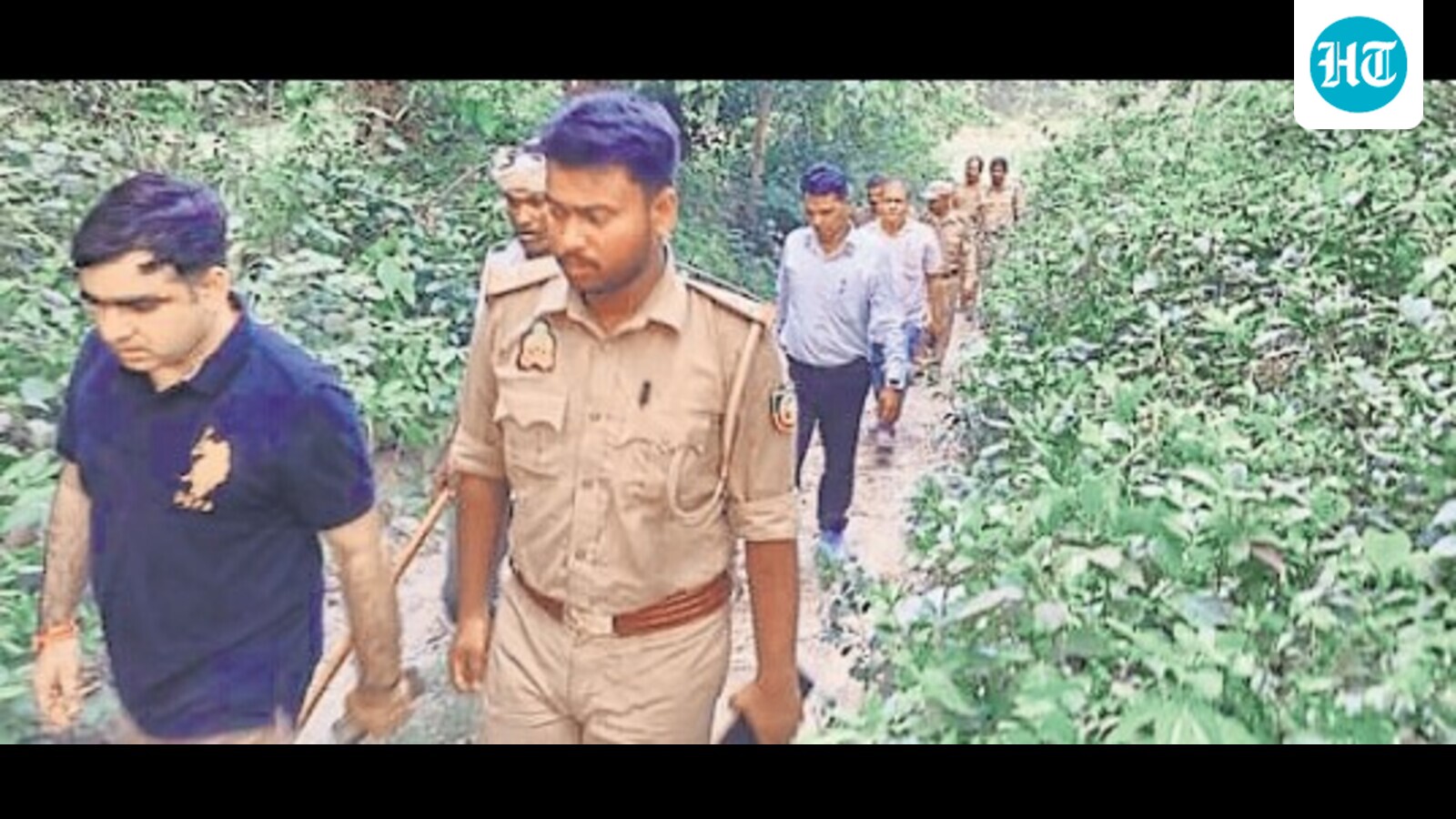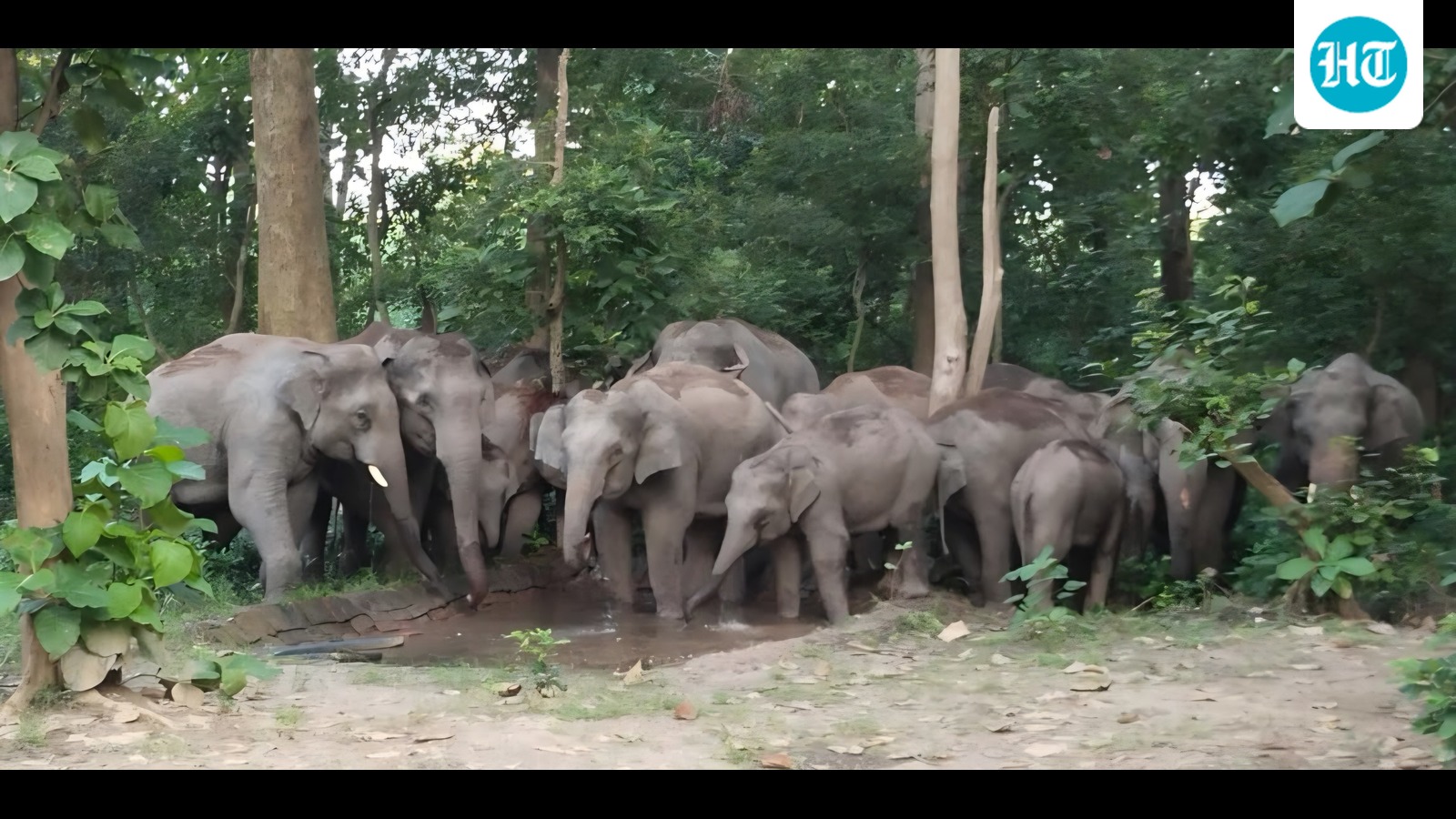
On World Elephant Day, Dudhwa Tiger Reserve (DTR) is emerging as an increasingly important habitat for Asian elephants in the Terai, offering abundant food, water, green forests and protection to herds that migrate from neighbouring Nepal.FD Dr H Rajamohan feeding Dudhwa camp elephants at Salukapur base camp on Wednesday. (Sourced)Apart from 25 trained camp elephants, Dudhwa is now witnessing the presence of more than 125 wild tuskers, mostly migrating from Nepal. What was once a seasonal movement is gradually acquiring a more permanent character, with a number of elephant herds choosing to remain in Dudhwa for longer periods and, in some cases, making the reserve their home.The change is being seen as a sign of Dudhwa’s enriched ecology and favourable habitat conditions. But it is also creating a new conservation challenge: as elephants remain for longer, encounters with people outside protected areas are becoming more frequent.DTR field director H. Rajamohan acknowledged the trend, saying migratory elephants from Nepal had been tending to become permanent residents of Dudhwa over the past four to five years.“Due to habitat disturbances in neighbouring areas, migratory elephants from Nepal are tending to become permanent residents in Dudhwa over the past four to five years,” he told Hindustan Times.The growing presence of elephants, he said, reflects the quality and safety of the habitat in Dudhwa, but it is also contributing to human-elephant conflict beyond the protected forest.“A major driver of these conflicts is their attraction to large sugarcane fields along the reserved forest fringes,” Rajamohan said. “Once they get a taste of sugarcane, they keep returning.”For villagers living along the forest periphery in Lakhimpur Kheri, the attraction of the Terai landscape for elephants can, therefore, have a very immediate consequence. Large sugarcane fields adjoining forest boundaries often become sites of confrontation between elephants and people, as witnessed recently in the Majhgain range.The conservation response has increasingly focused on reducing such encounters rather than simply driving elephants away. According to DTR authorities, measures including solar fencing, restoration of forest water bodies and community-based “Gajmitra” teams are helping protect both people and elephants.The Gajmitra initiative brings local farmers into the effort. The teams patrol at night and help safely guide elephants away from villages and farmland, giving communities a direct role in managing human-elephant conflict.The establishment of the Terai Elephant Reserve (TER) in 2023 has further strengthened elephant conservation efforts in the region. Spread across Dudhwa, Katarniaghat and Pilibhit Tiger Reserve, TER is UP’s second elephant reserve and is intended to strengthen corridor connectivity and facilitate the safe movement of wild elephants across the Terai landscape.Dudhwa’s 25 trained camp elephants also remain an important part of forest management. They are used by the reserve authorities to patrol difficult terrain, prevent poaching, guide tourists through the grasslands and assist officials during human-elephant conflict operations.Their care, too, is an important part of the reserve’s management. The DTR administration organises special health camps and grand feasts for the camp elephants to keep them healthy, fit and in good humour.Yet living alongside the largest land animals on earth is not always easy for communities on the fringes of the forest. The same landscape that makes Dudhwa an attractive refuge for elephants also brings them into increasing proximity with human settlements and agricultural fields.Rajamohan describes elephants as “engineers in the forests”, underlining their ecological importance. As they move through the reserve, they prune dense vegetation and disperse seeds through their dung, helping shape and regenerate forest landscapes.“With better protection, community participation and dedicated forest management, Dudhwa has emerged as a safe home not only for wild elephants but for other wild species also,” he said.BOXOn World Elephant Day, Dudhwa hosts a feastLakhimpur Kheri: To mark World Elephant Day on Tuesday, Dudhwa Tiger Reserve (DTR) authorities held a mega feast and health camp for the domestic elephants.Field director H. Rajamohan said a health camp was organised at Salukapur elephant base camp of Dudhwa national park, during which experts and veterinarians examined the camp elephants.He added that on that day, the camp elephants were provided a special feast comprising jackfruits, pumpkins, gourds, parched grams, sugarcane, and jaggery.Moreover, essay and painting competitions, besides awareness camps, were held in neighbouring tribal villages such as Bela Taparpurwa, Banigawan, and Keeratpur to mark the day. HTC
Dudhwa’s elephant story: A richer habitat, but rising human conflict
Apart from 25 trained camp elephants, Dudhwa is now witnessing the presence of more than 125 wild tuskers, mostly migrating from Nepal.
707 words~3 min read