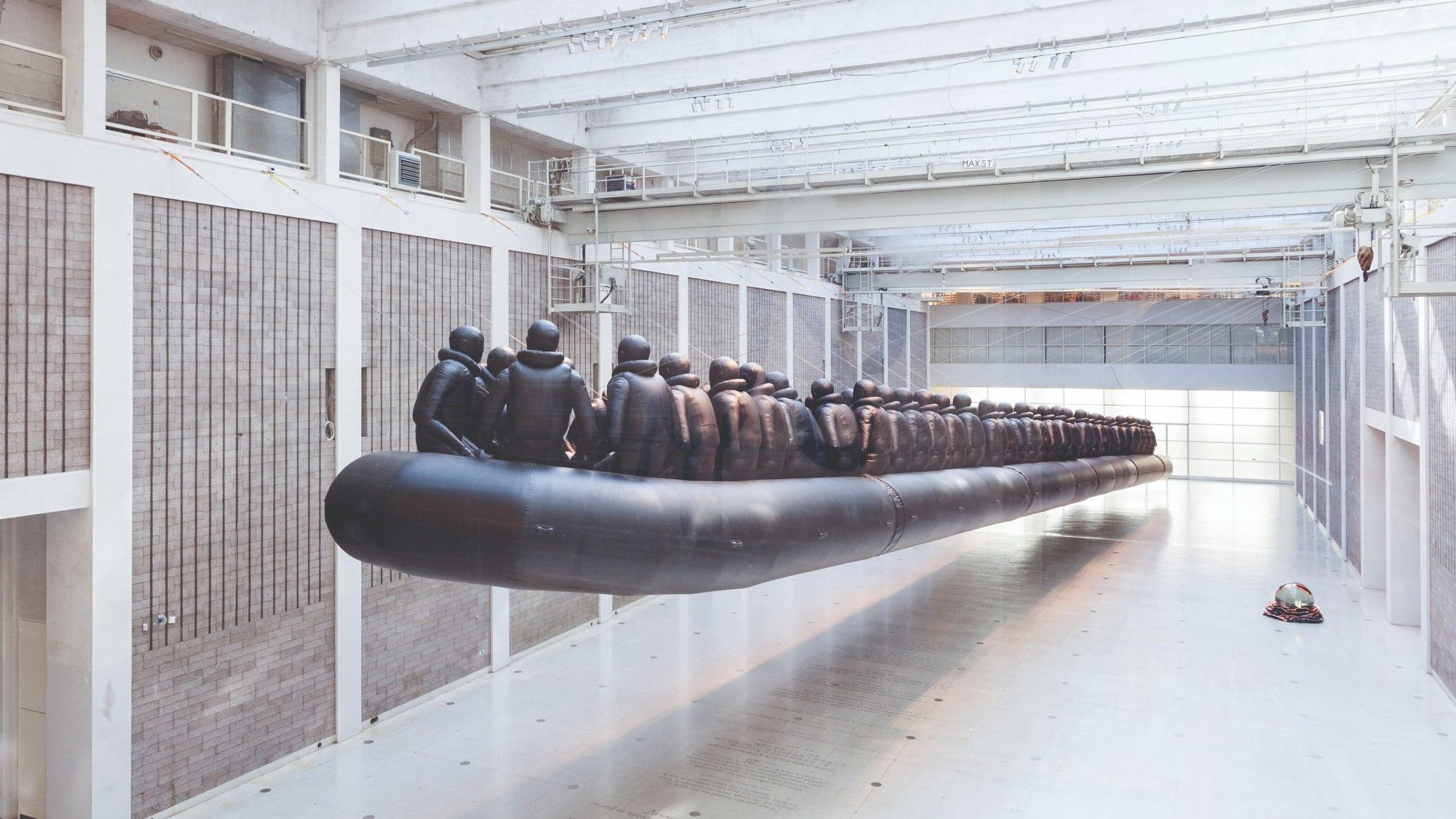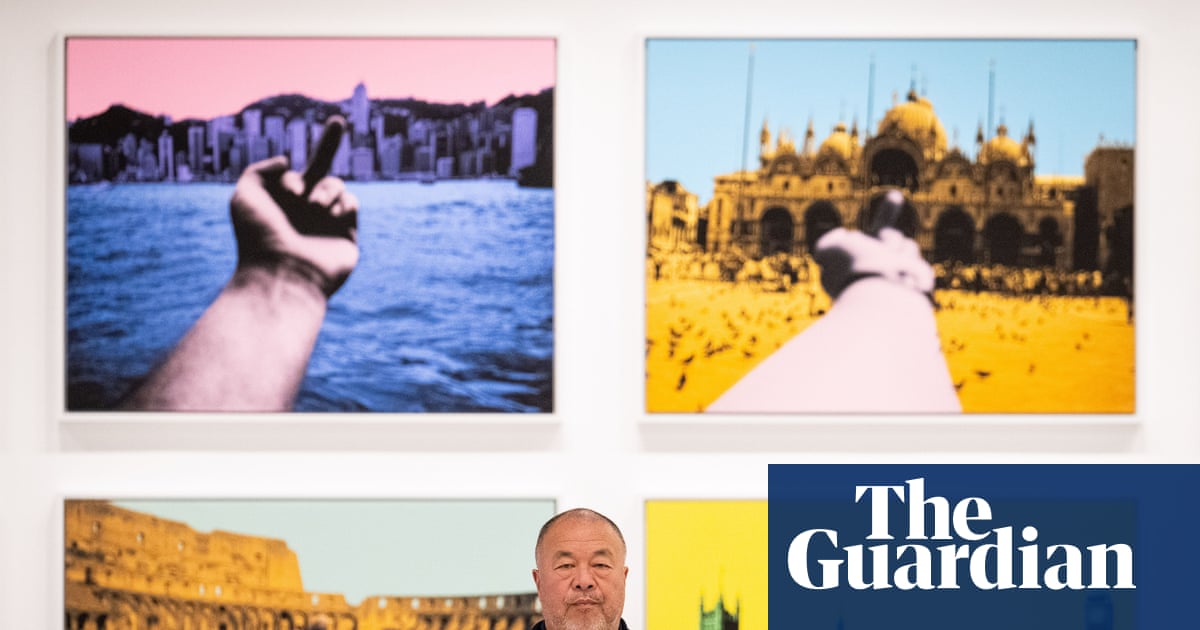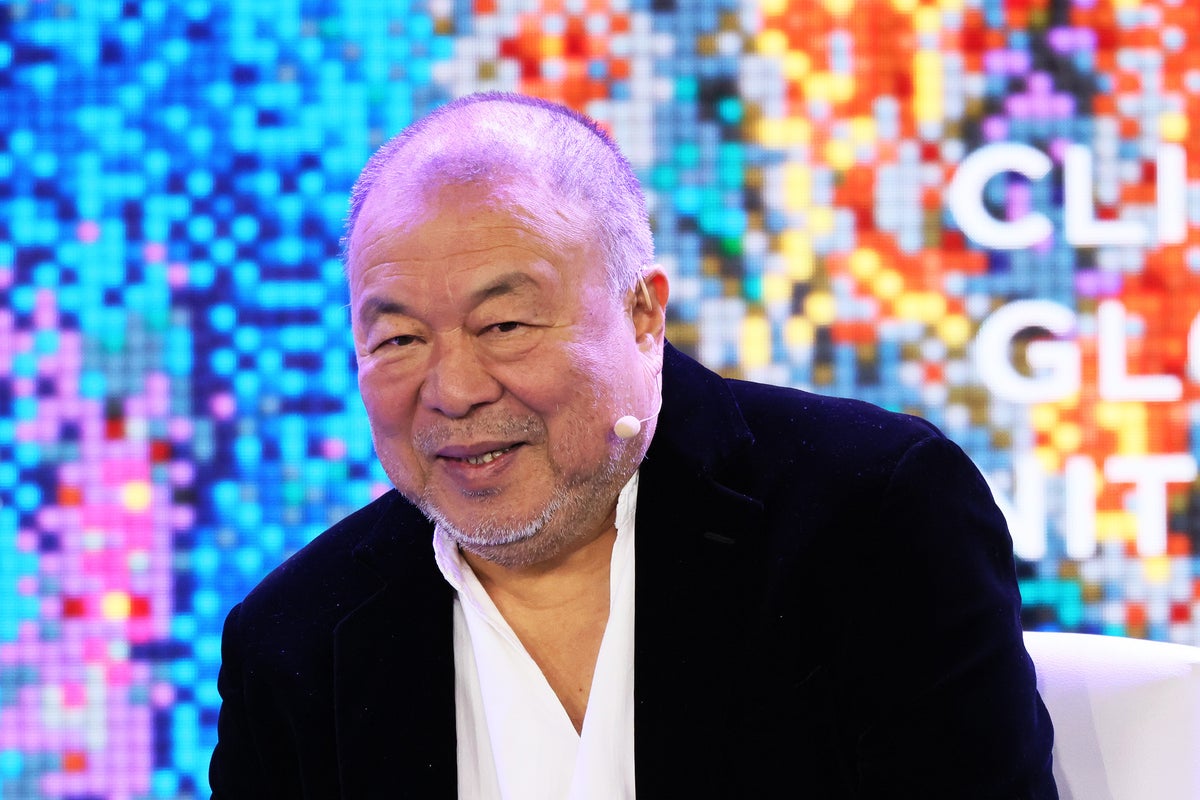
When Ai Weiwei (b.1957) arrived in Europe in 2015, fresh from state-imposed house arrest, he was greeted as a hero. Museums and galleries fell over themselves to host exhibitions devoted to the West’s new favourite dissident – even while he continued, mysteriously, to participate in Chinese art fairs. Nobody dared say it at the time, but his actual art – vast, chaotic installations and whimsical sculptures that drew on Chinese folklore – was even then just a bit dull.
Soon enough, the artist was positioning himself as the voice of the global dispossessed, in the process (to borrow someone else’s phrase) morphing into a kind of Chinese Banksy. His work became self-aggrandising in tone and ever more naff in form, in the process losing any trace of subtlety. A particular low came when the artist laid down on a Greek beach and posed as the drowned Syrian refugee Aylan Kurdi, an ‘awareness-raising’ stunt as ill-judged as it was risible.
That picture doesn’t figure in his current retrospective in Manchester, but if it did, it wouldn’t be anywhere near the stupidest exhibit in the show. Everything here is crap; it’s also massive, for somewhere down the line, it seems that the artist has mistaken monumentalism for profundity. The Zeppelin-hanger space is rammed with outsized exhibits, accompanied by patronising captions that assume that no Mancunian has ever been to an art exhibition.