File: Open-Defecation
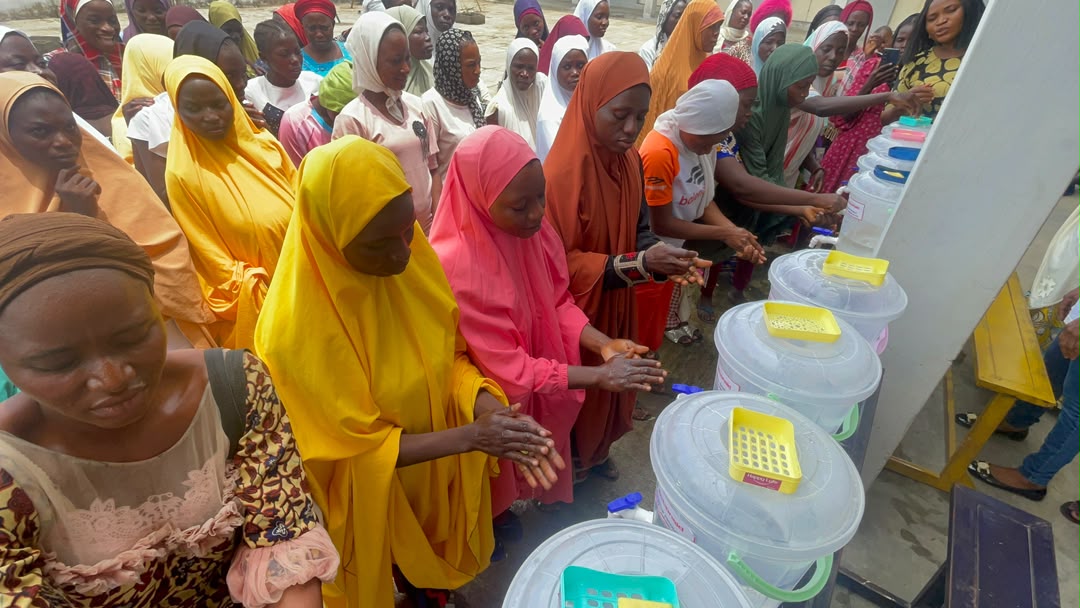
The renewed campaign against open defecation should not become another ceremonial exercise that ends with lofty declarations and forgotten promises. Nigeria has held many conferences, unveiled policy documents and staged publicity events on sanitation and yet remains one of the world’s largest centres of open defecation. The latest efforts by the Federal Ministry of Water Resources and Sanitation, including a renewed implementation drive under the Clean Nigeria: Use the Toilet Campaign and the extension of the Open Defecation-Free target to 2030 after missing the 2025 deadline, ought to provoke sober reflection. In 2019, the Muhammadu Buhari administration launched the same initiative with considerable fanfare after issuing Executive Order 009 and declaring an emergency on the sanitation crisis. Public officials criss-crossed the country, stakeholders held workshops, and communities were enlisted to embrace behavioural change. Yet, six years later, Nigeria has merely shifted the goalpost to 2030.
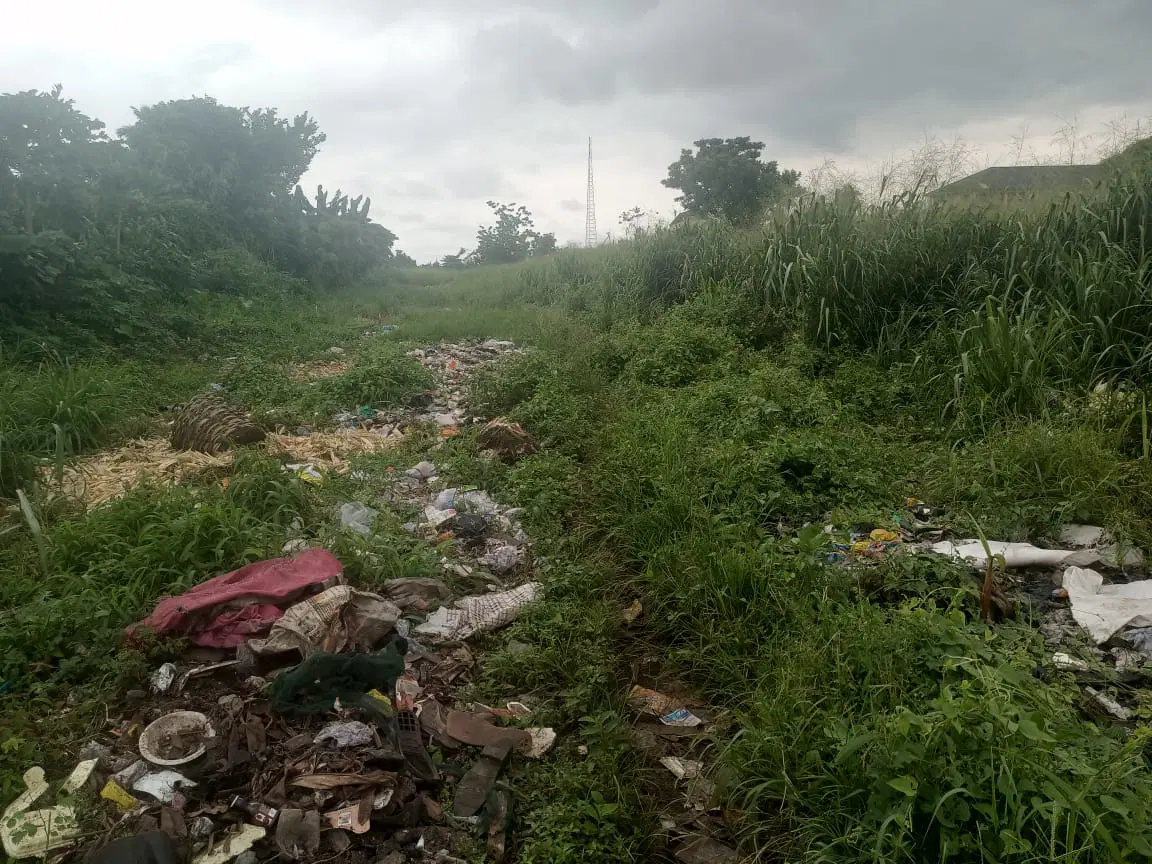
That unfortunate development typifies the Nigerian culture of grand public spectacles that rarely translate into measurable improvements in governance, even when the issue concerns life and death. The figures remain disturbing. About 46 million Nigerians still practise open defecation because they lack access to safe toilets, while only a fraction of the country’s 774 local government areas has attained Open Defecation-Free status. Human waste continues to contaminate streams, rivers and shallow wells, exposing millions to cholera, typhoid, diarrhoea, dysentery and other preventable diseases. Children bear the greatest burden through malnutrition, stunted growth and avoidable deaths. Beyond the health catastrophe, the practice diminishes Nigeria’s international image, discourages tourism and investment, and imposes enormous economic costs. India demonstrated that determined leadership can reverse even an entrenched sanitation crisis. Through the Swachh Bharat (Clean India) Mission, the government combined massive investment in household toilets with relentless public education, community mobilisation, strict monitoring, local government accountability and sustained political commitment from the highest level. Millions of toilets were constructed, open defecation became socially unacceptable in many communities, and measurable progress followed.