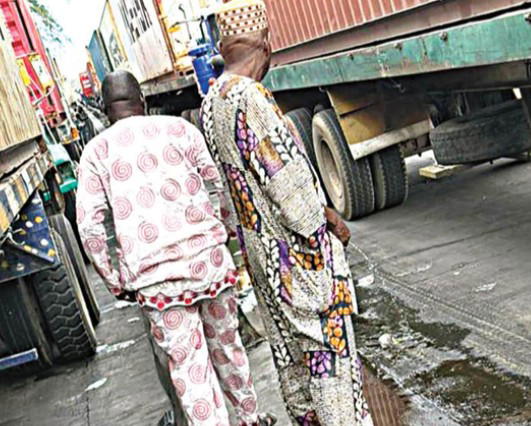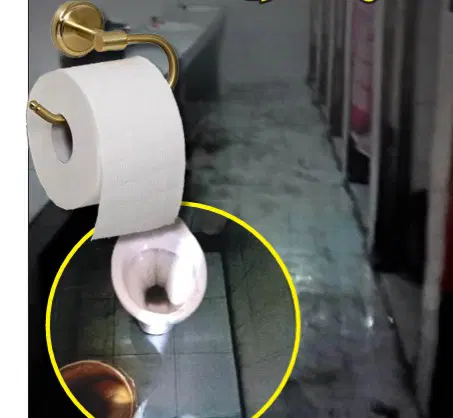
YET, consider this: Right inside the major car park on inner Marina on Lagos Island, stretching from directly opposite the UBA Headquarters Building to the Old Kingsway Building (just before Oando gas station), is a public toilet. Five years ago, it had eight pit latrines and four urinaries. The stench oozing forth from inside is better left for the imagination. The methane effluvium from the pits is unmistakably hazardous as it stings the nose. The handler sits by its entrance, in the midst of area boys and car wash attendants.
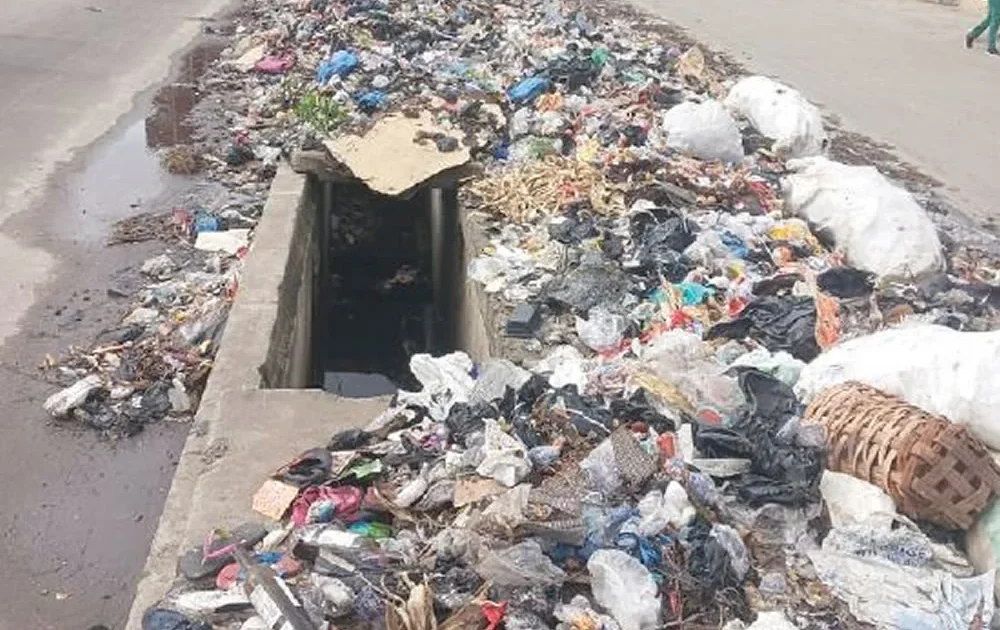
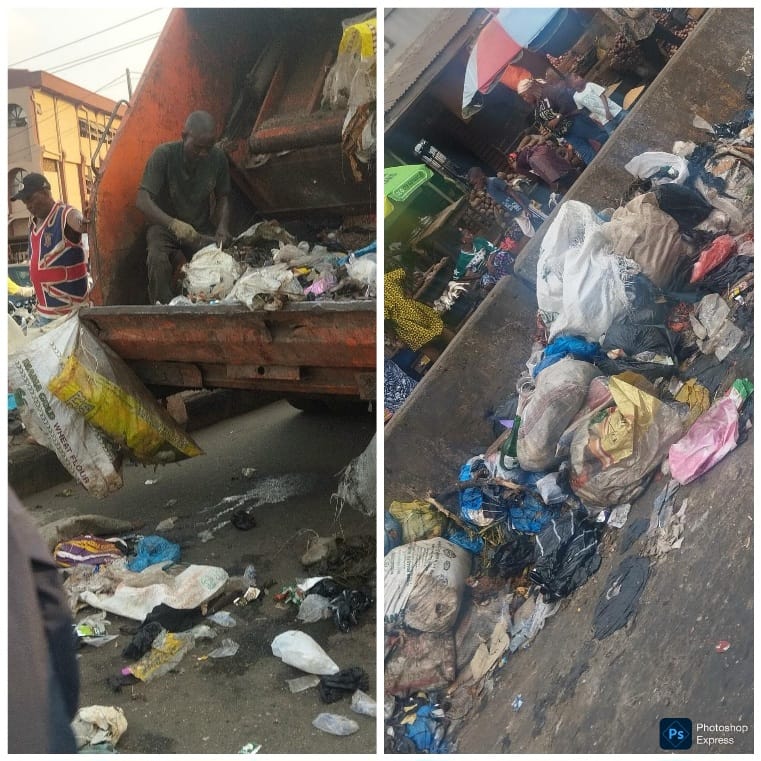
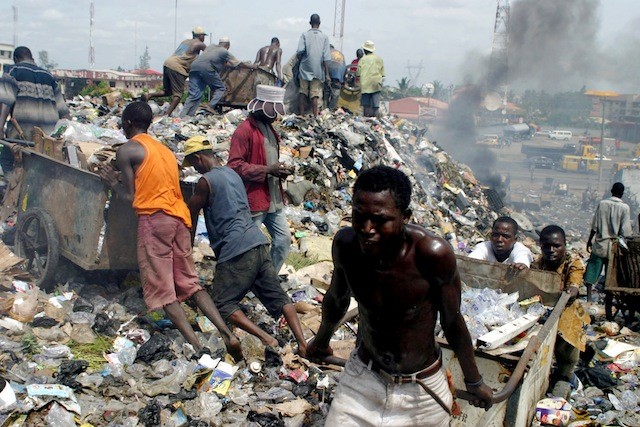
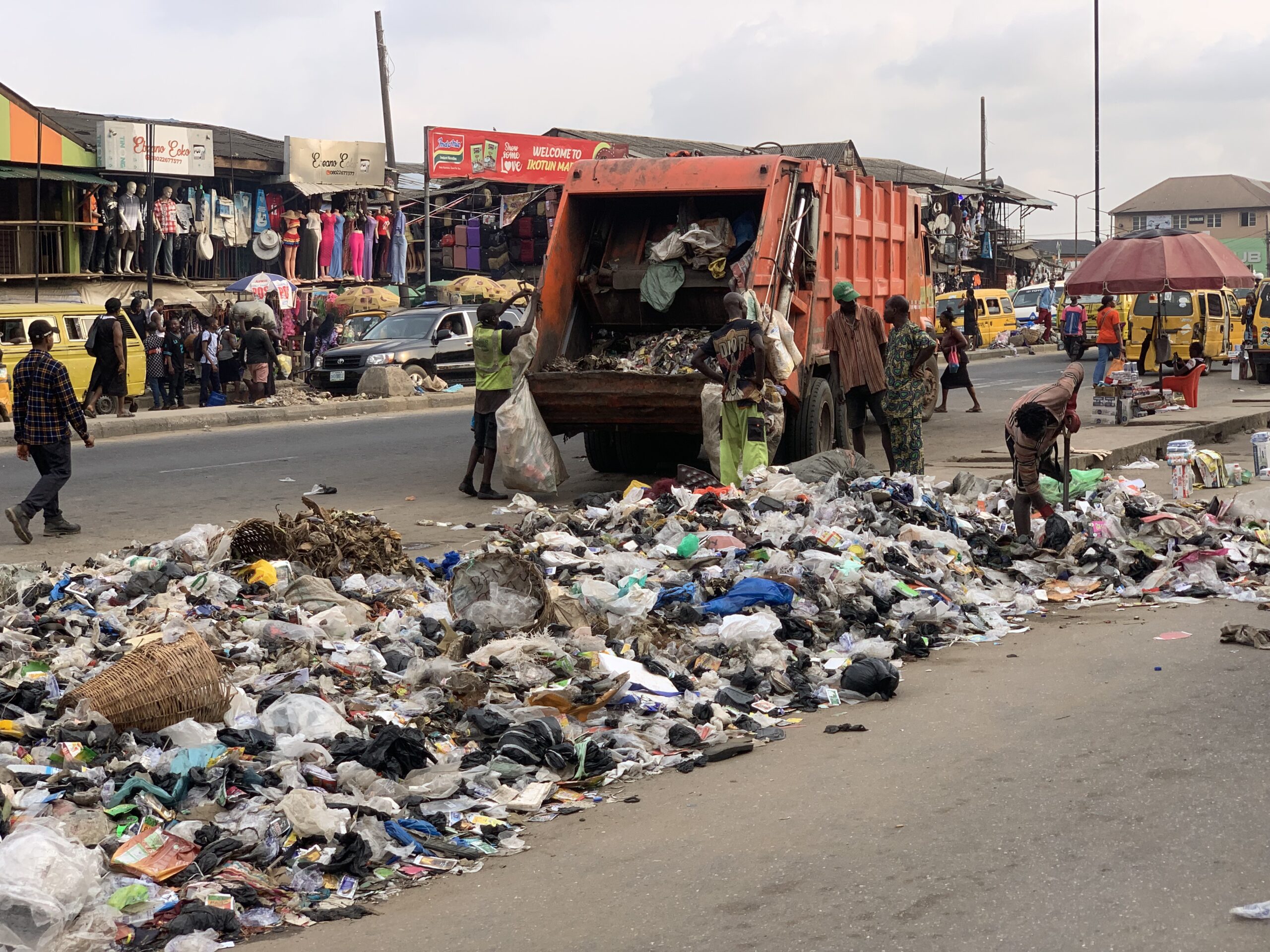
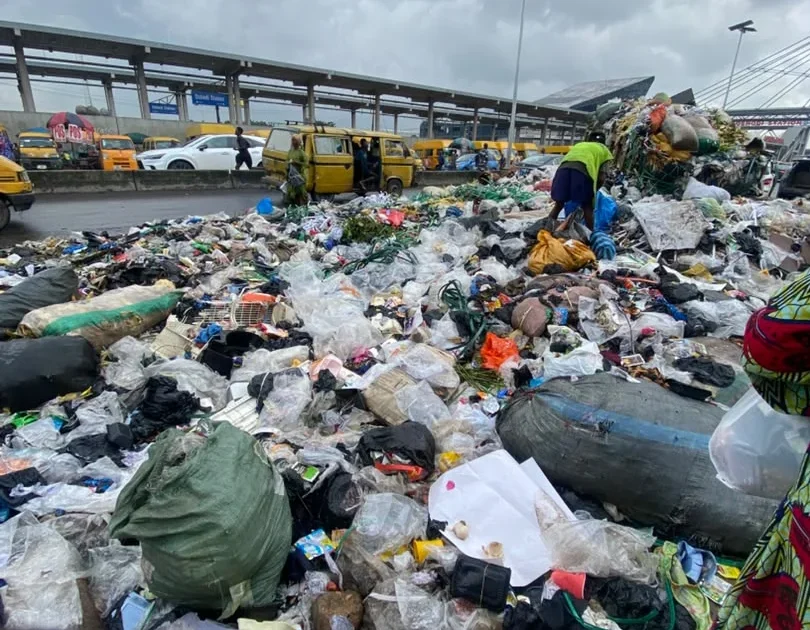
There is also, just by the entrance, a barber who plies his trade. From time to time, buckets of water are moved in to either wash the always very wet and dingy floor or flush human waste. It used to cost just N100 for a turn. Today, the same place looks tolerably passable to meet an immediate need to ease self. Yet, it is still not a place you want to spend more than a minute because of the stench. To do anything there – including bathing – costs N200 Rain and faeces shouldn’t mix When the rain falls in Lagos, it does not just bring water. It washes (human) wastes from drains, gutters, roadsides and open dumps into homes, markets and waterways.
Nigeria’s open defecation crisis is not just a sanitation problem; it is a public-health emergency, an environmental hazard and a stain on the country’s development image. In community after community, the absence of safe, affordable toilets pushes people to riverbanks, drains, bushes and vacant plots, with dangerous consequences that return when rain falls and floodwater carries human waste back into homes, streets and water sources. A sobering scale The scale is sobering. National monitoring, World Health Organization and UNICEFlinked reporting show that millions of Nigerians still practise open defecation, even as the country has repeatedly pledged to end it.