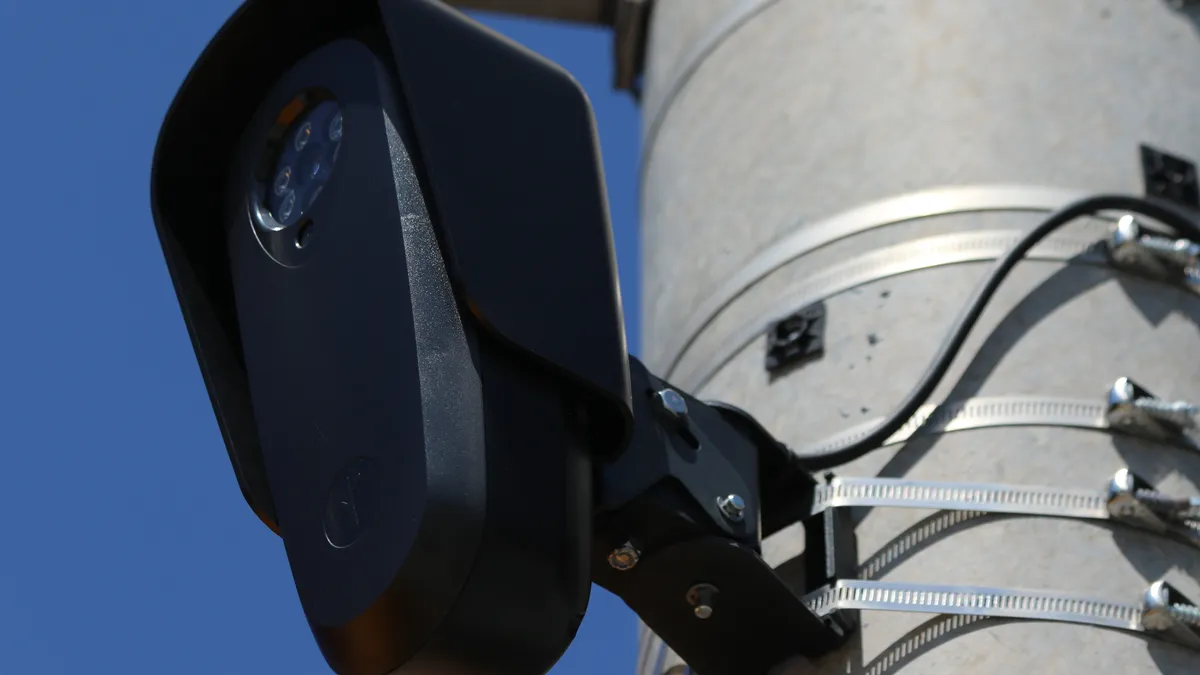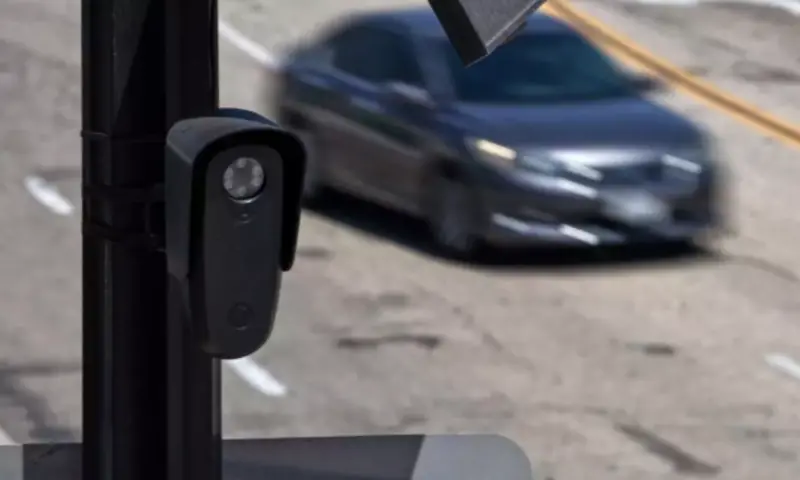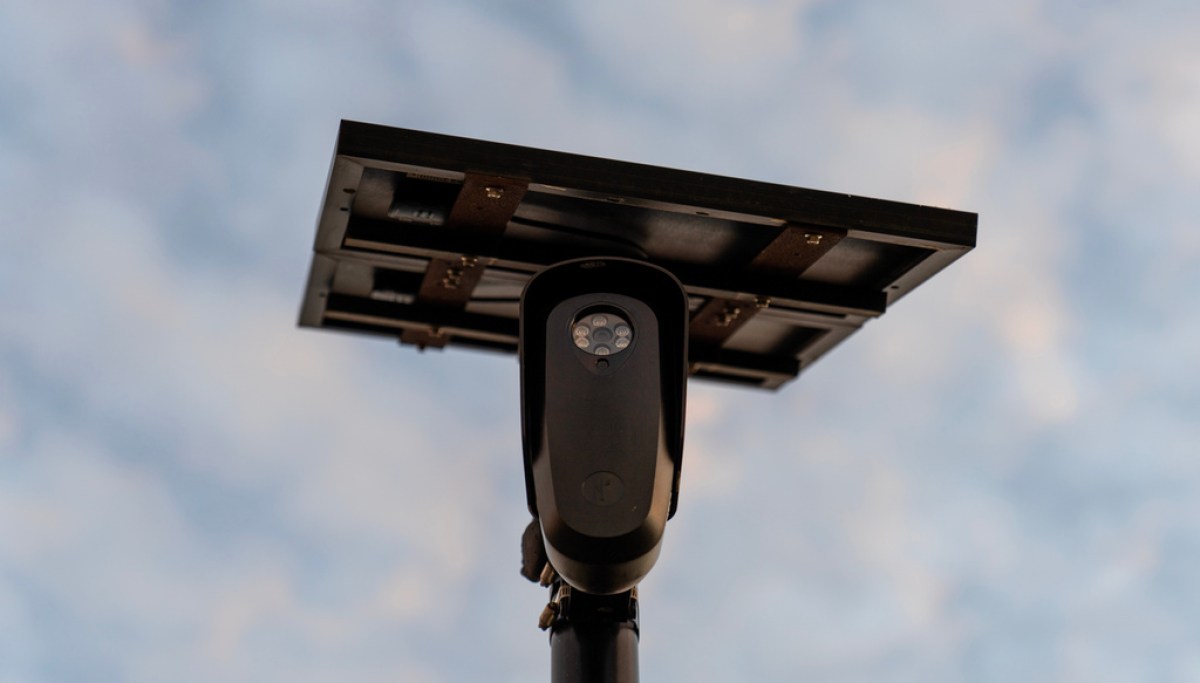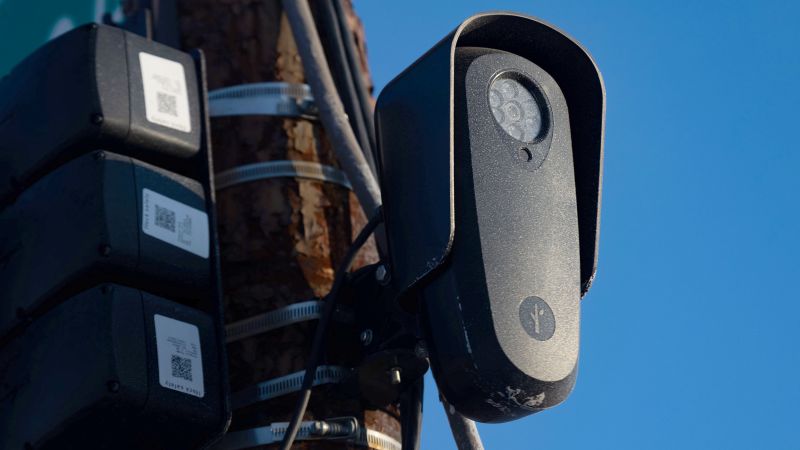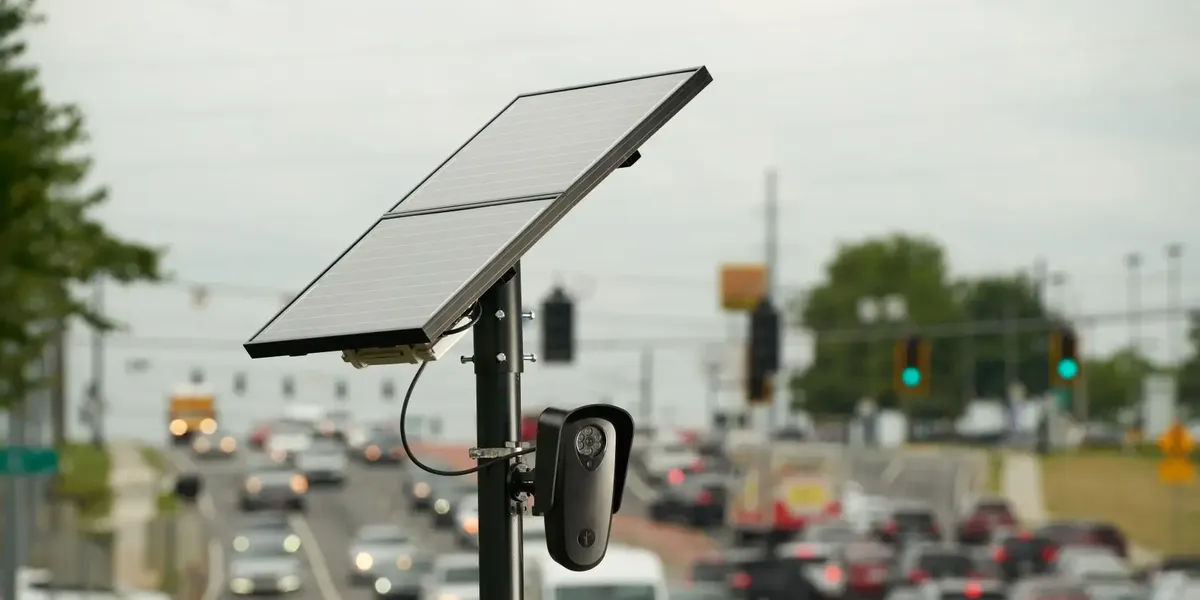
A new database launched Wednesday that details more than 100 cases of alleged abuse by law enforcement officers using Flock Safety's nationwide camera network is adding fresh urgency to the growing backlash against automated license plate readers.The database, published by the Institute for Justice (IJ)—a libertarian nonprofit public interest law firm based in Arlington, Virginia—documents "romantic stalking, wrongful stops and detentions, non-law enforcement use, and other types of misconduct.""Automated license plate readers (ALPRs) were sold to American communities as a targeted tool for catching car thieves and finding missing people," IJ said in an introduction to the database. "What they actually purchased has grown into something far broader and more frightening: an AI-powered network of cameras that photograph and log the movement of every driver who passes, whether or not they are suspected of any crime.""Companies like Flock Safety have now blanketed thousands of communities with ALPRs, quietly assembling powerful mass surveillance systems that can reconstruct where people have been, when, and how often, all without a warrant," the institute continued. "This dragnet surveillance threatens the freedoms the Fourth Amendment was adopted to protect. These concerns aren’t just abstractions: Every day, innocent people are harmed by officials’ abuse and misuse of these ALPRs.""When the government can track the everyday movements of ordinary people—to their jobs, their churches, their doctors, their protests—it holds a kind of power over private life that the Constitution does not allow," IJ added.Among the cases highlighted in the database are those of a Florida sheriff's deputy who allegedly used an ALPR to track and pull over a woman after seeing her at a television shoot, a Texas deputy who reportedly searched tens of thousands of Flock cameras while trying to locate a woman who had allegedly obtained a medication abortion, and a Georgia police chief who reportedly tracked his former girlfriend and her teenage daughter hundreds of times.The database's authors warn that even those 100-plus cases may represent only a fraction of the actual misconduct. Officers often provide vague explanations when searching ALPR databases, making systematic detection of abuse difficult. In one case in Norfolk, Virginia, for example, IJ found that three generic search terms accounted for nearly one-third of roughly 230,000 searches over two years. One officer repeatedly entered “la la la la” as a justification without apparently attracting scrutiny.Growing public angst over ALPRs is increasingly transcending partisan lines. As Common Dreams reported last month, the backlash has prompted dozens of communities to cancel or reject Flock contracts. According to Ban Flock Cameras, 82 contracts across 28 states had been terminated between August 2021 and May 2026, including 39 cancellations during the first five months of this year alone."It's my professional opinion that Flock is a dystopian violation of our rights," Ohio State University professor Viet Trinh said Monday during a public safety audit in Columbus. "What I mean by that is that it inverts the very nature of how police are supposed to function," he explained. "So in traditional investigations, a crime is supposed to happen first, and then detectives are supposed to identify a list of plausible suspects, and then those suspects are placed under investigation.""But under Flock, we are all—everybody in this room, every day, every time we get into our cars—we are all under investigation at all times for all crimes," Trinh continued. "Then, when a crime actually does occur, the police have a list of pre-investigated suspects. That's you, that's me, that's everybody in this room who gets in a car, that's everybody in this city.""So today in Columbus, our constitutional rights—especially our Fourth Amendment rights—are flagrantly violated every single day as a matter of regular government policy," he asserted.Trinh contended that Flock "is not a tool for investigating crimes, and that misnomer has apparently bamboozled several people in this room.""Flock is, at its very foundation, a tool for investigating pre-crimes," he stressed. "Not crimes, but pre-crimes." "So others in this room have implied that we can reform Flock, we can have Flock and preserve our civil liberties, we can make this technology work for us," Trinh noted, adding that "it is not a technology that can be made righteous.""On this matter, we cannot and we can never have our cake and eat it too," the professor added. "To believe otherwise is hubris."
New Database Documents Over 100 Cases of Cops Abusing Flock Surveillance Cameras | Common Dreams
Police have used Flock cameras to stalk their exes, track abortion patients, and spy on protesters—among other abuses.
713 words~3 min read