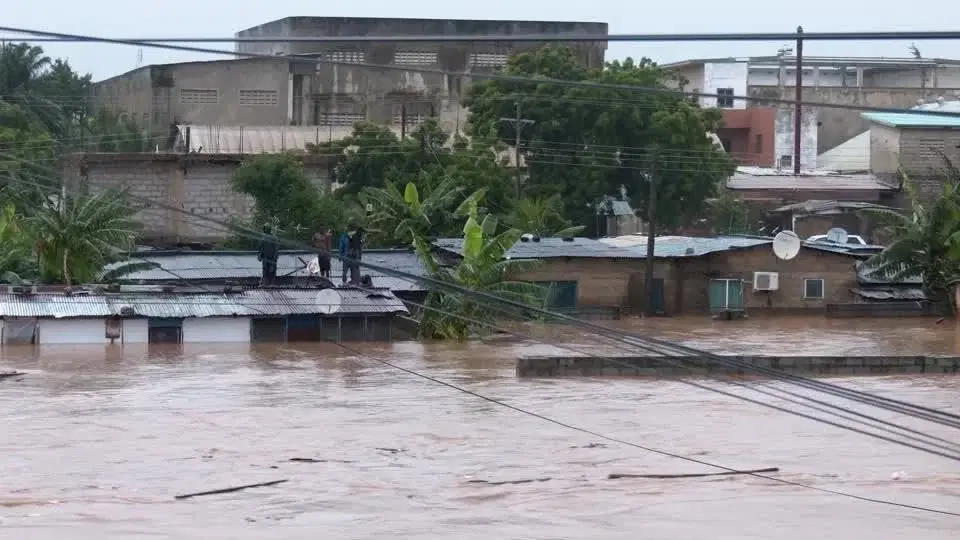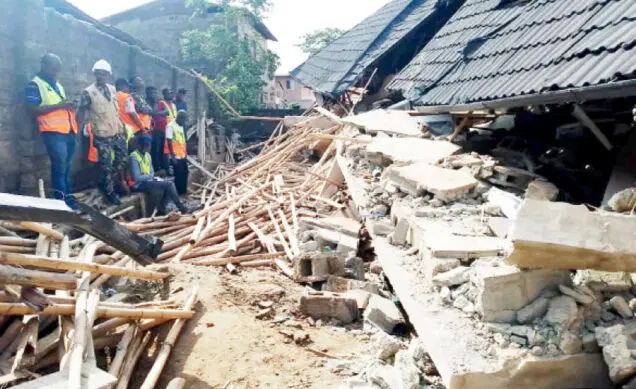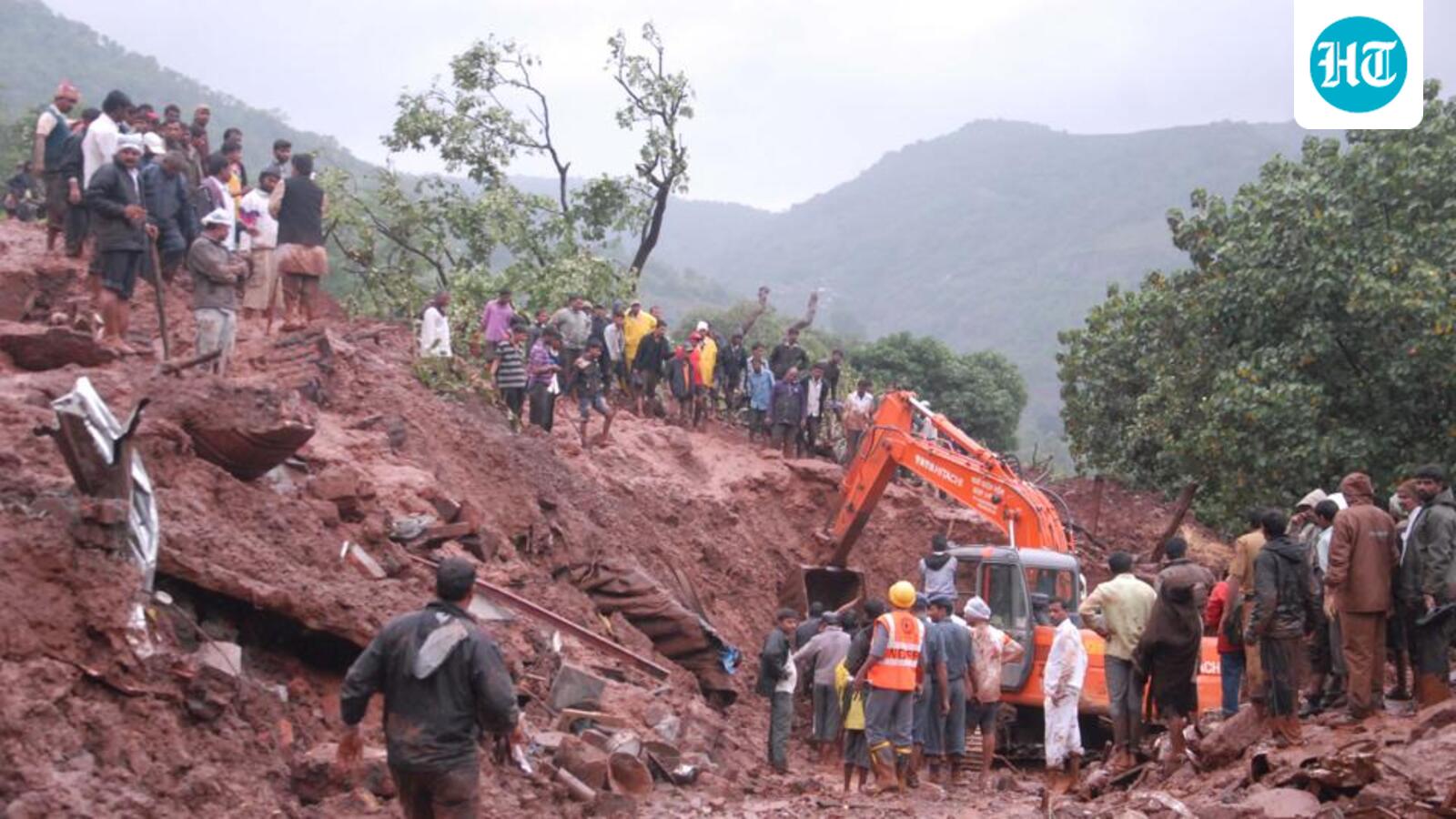
The tragic landslides that have recently struck Calabar should shake us out of our complacency. Barely had residents begun to recover from the horror of the Ikot Anwatim disaster, which claimed the lives of five people, including four children from the same family, when another slope collapsed after heavy rainfall at Boro Pit, once again exposing the frightening vulnerability of communities living on unstable terrain.
These incidents should not be dismissed as unfortunate accidents or mere acts of God. They are warning signs – clear, unmistakable signals that climate change, poor environmental governance, and unsustainable urban development are converging to create a new category of disasters in Nigeria.
Meanwhile, it is important to note the landslides in Anambra State in inland areas and communities – such as Nanka and Agulu – featuring high-relief topography and deep, loose geologic strata. While both Calabar and Anambra face severe land degradation and soil loss during heavy rains, Calabar experiences acute, fast-moving coastal/urban landslides tied to drainage and waterfront embankments, whereas Anambra is famous for massive, deep-seated gully erosion that gradually carves out vast canyons in weak sandy soils. In other words, Calabar has landslides, while Anambra has gully erosion that could potentially cause landslides.