File Image
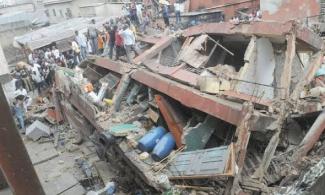
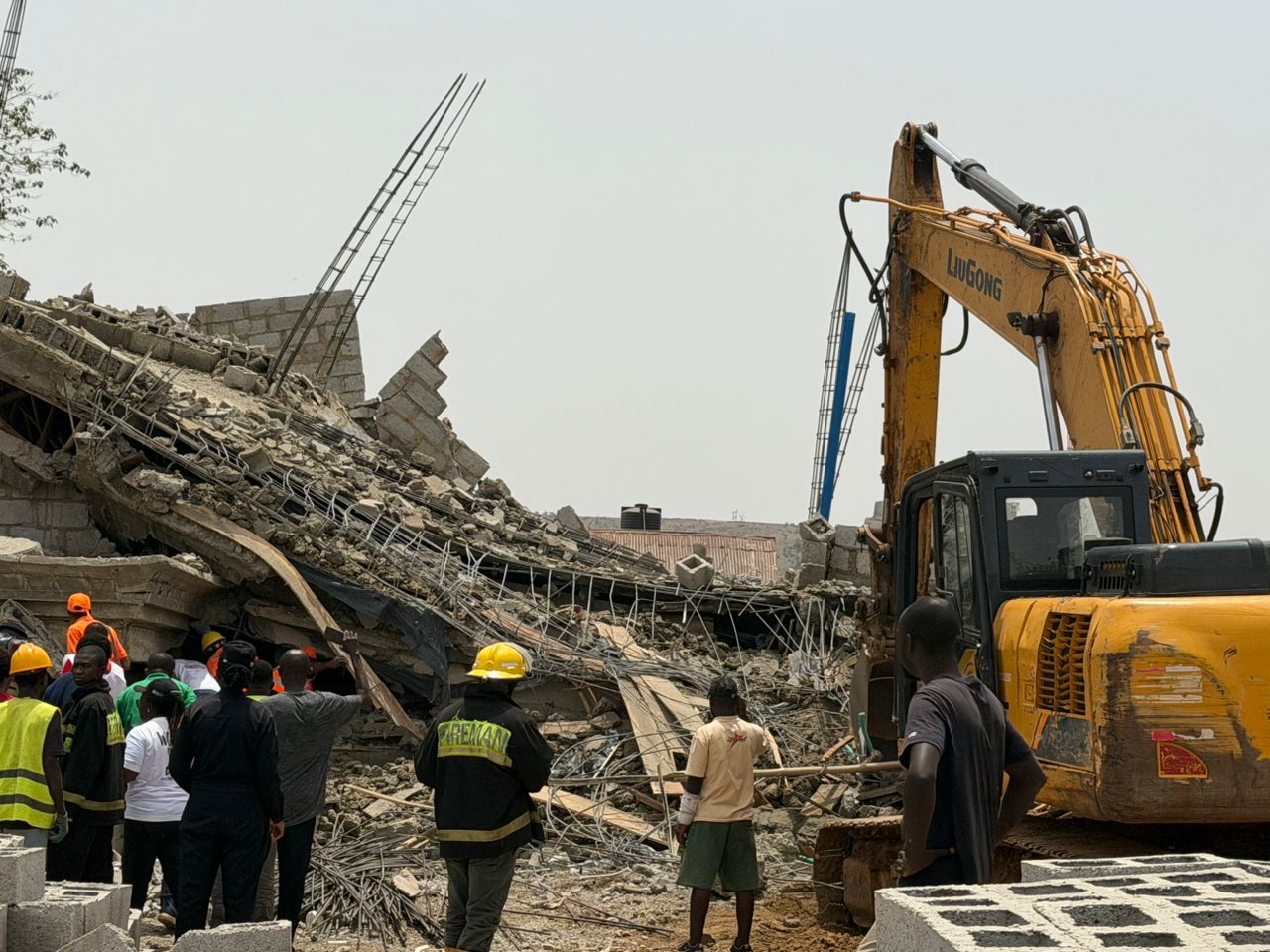
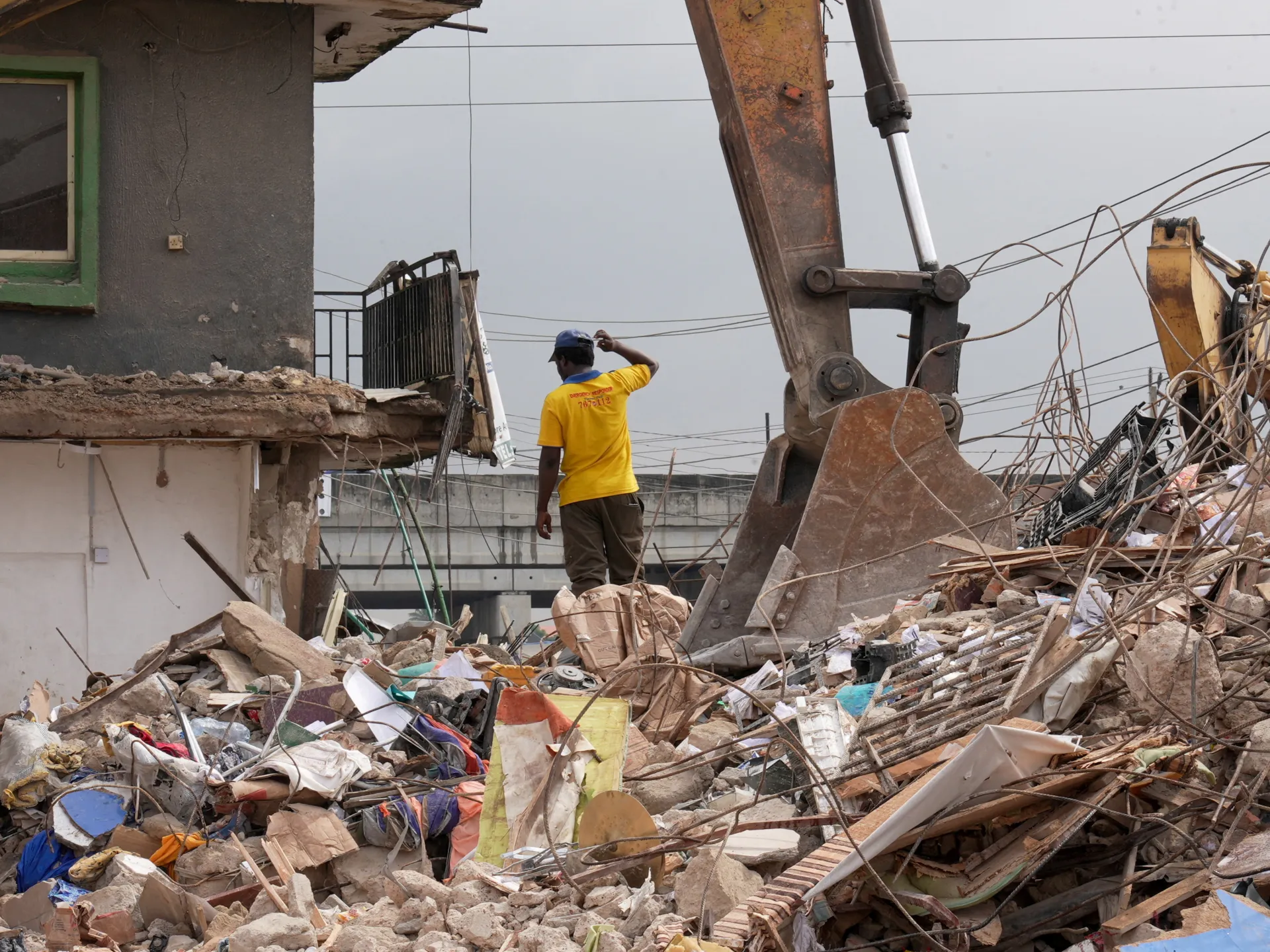
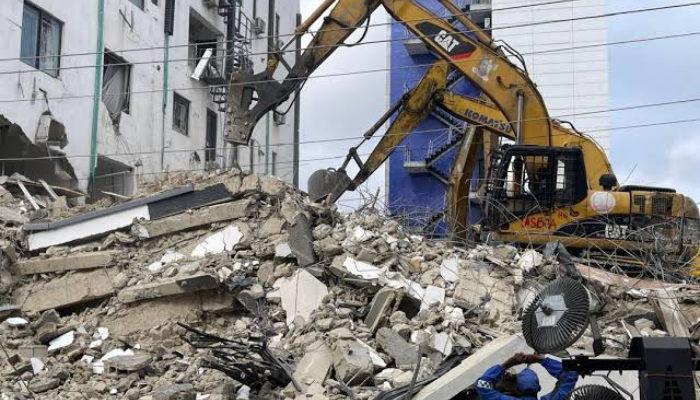
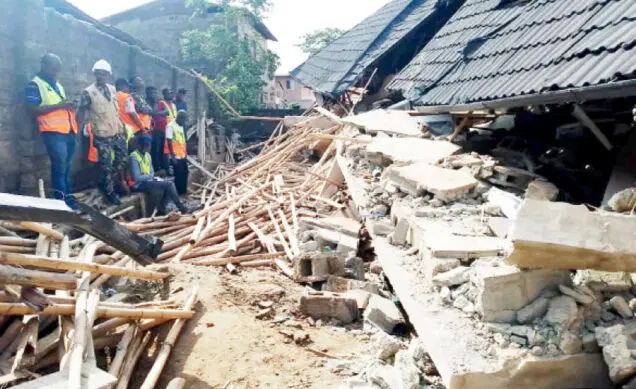
Between January 2020 and June 2026, Nigeria recorded dozens of building collapses that killed hundreds and injured many more. Nationally, more than 650 collapses have killed over 1,600 people since 1974, according to figures the Federal Government cited last month. Lagos, where rapid urban growth and chronic flooding concentrate risk, accounts for over half of all recorded incidents. High-profile collapses there in 2021, 2022 and 2024 claimed dozens of lives apiece and destroyed livelihoods. Nationwide, incidents continue to climb: residential blocks, commercial properties and even schools have given way, often during heavy rains or while occupants slept. These are not isolated tragedies but symptoms of systemic failure in materials quality, regulation and enforcement.
At the heart of this crisis is the corrosion of standards. Many block-moulding outfits produce what passes for “blocks” but are, in reality, sand weakly bonded with insufficient cement, joined with thin, poor-quality mortar. Combine those defective materials with unprofessional construction practices, inadequate supervision and the push to cut costs, and you get structures that cannot resist water ingress, foundation settlement or the hydrostatic stresses of Lagos’s waterlogged soils. The result is predictable: sudden collapse, lost lives and shattered families. The failures continue despite the existence of regulatory agencies. The Standards Organisation of Nigeria (SON), state works ministries and local councils already hold mandates to regulate and police building materials and sites. What has failed is enforcement: under-funded agencies, inspectors without leverage against politically connected developers, and penalties too weak to change behaviour. Reform must start there.