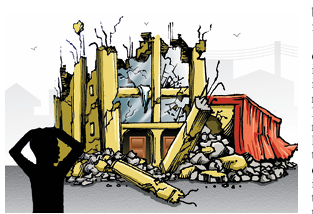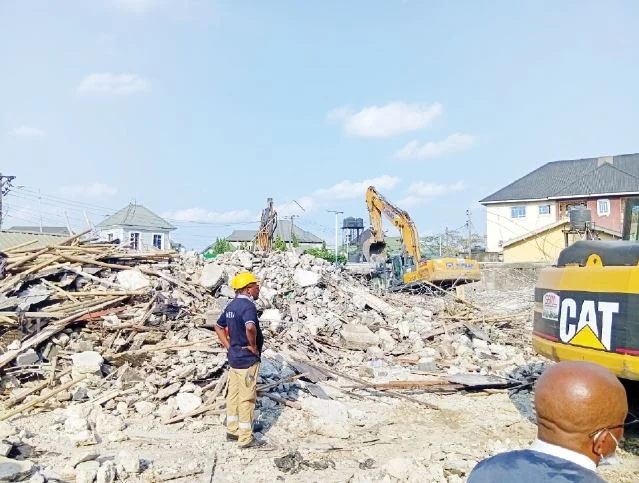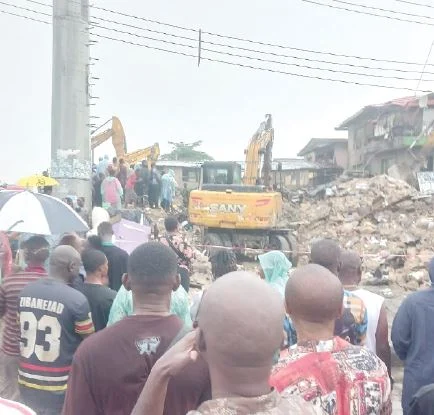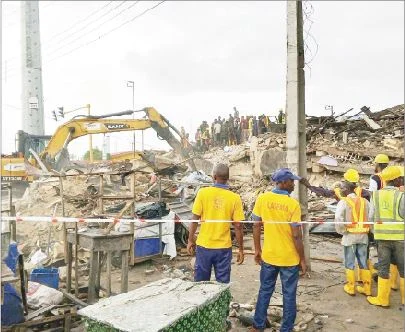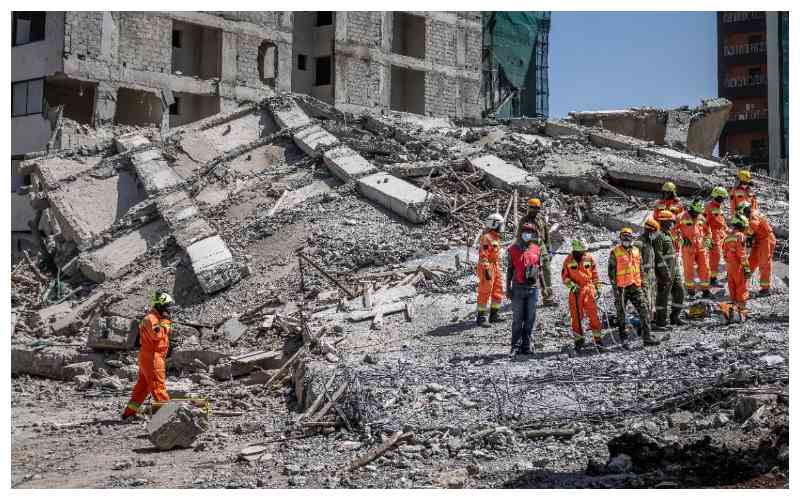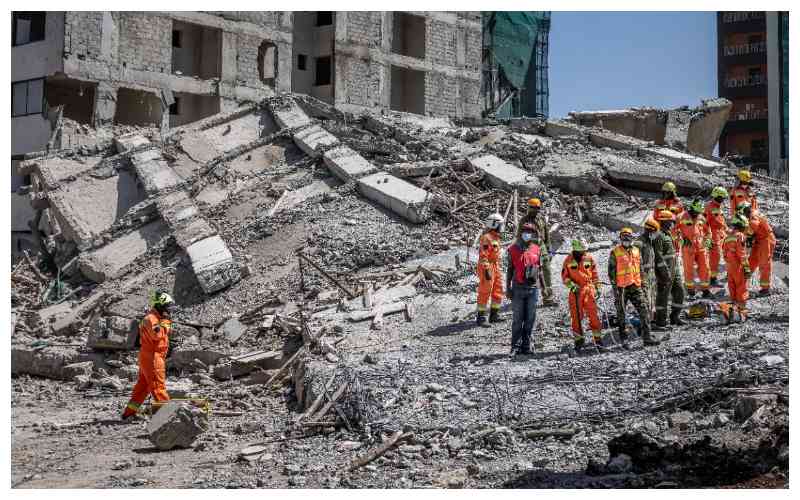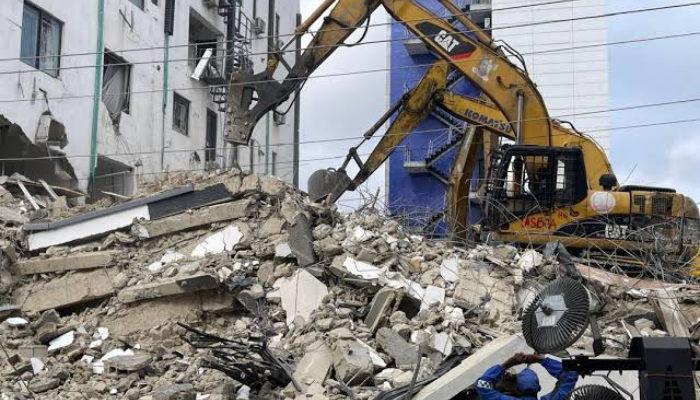
For many Nigerians, news of another collapsed building no longer shocks. It merely provokes a familiar cycle of grief, rescue operations, promises of investigation, and eventually, silence. Families bury their loved ones while government panels write reports that rarely see the light of day. Developers return to business, officials retain their positions, contractors move on to the next project, and nothing changes.
That is why the recent judgement delivered by an Italian court deserves serious attention in Nigeria (which is the reason for this article).
Eight years after the collapse of the Morandi Bridge in Genoa, which killed 43 people, an Italian court sentenced former motorway executive Giovanni Castellucci to 12 years’ imprisonment for negligence and manslaughter. More than 30 other officials were also convicted after prosecutors proved that warning signs had been ignored and maintenance sacrificed despite known structural defects.
The message from Italy is unmistakable: infrastructure failure caused by negligence is not merely an engineering error; it is a criminal offence. Nigeria should be asking itself one uncomfortable question: can such accountability ever happen here? The answer, sadly, is difficult to give with confidence.