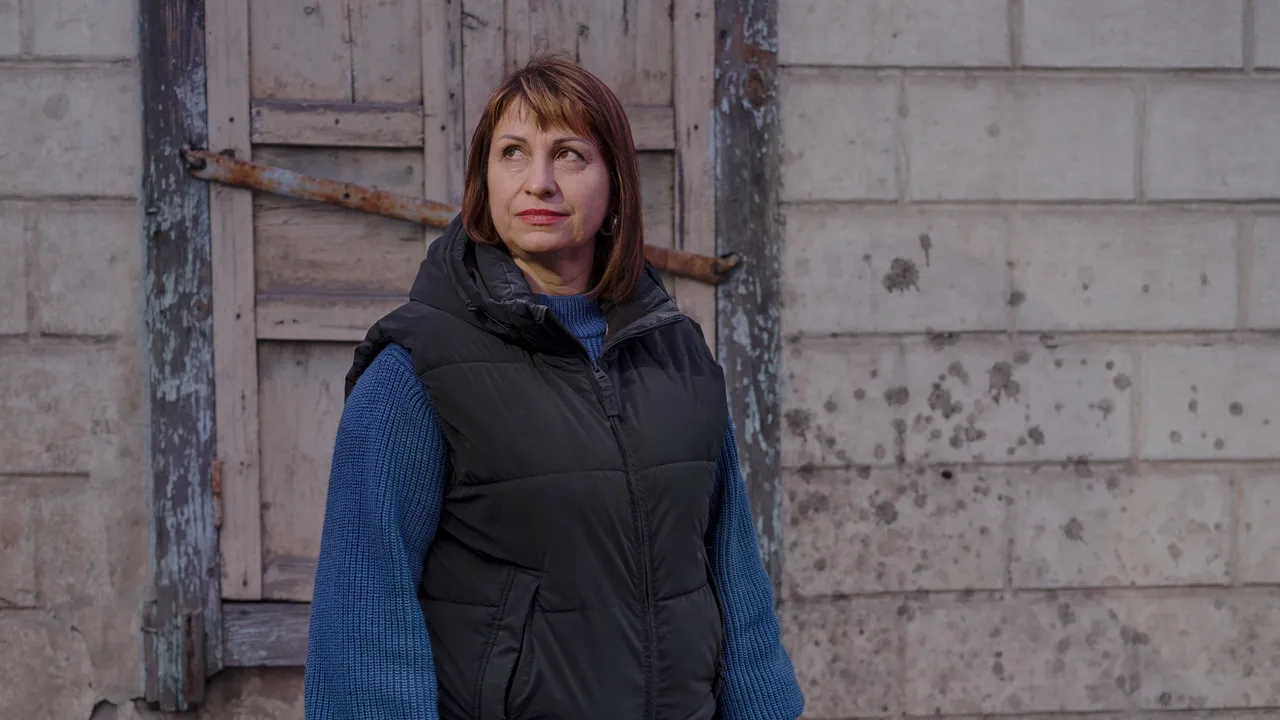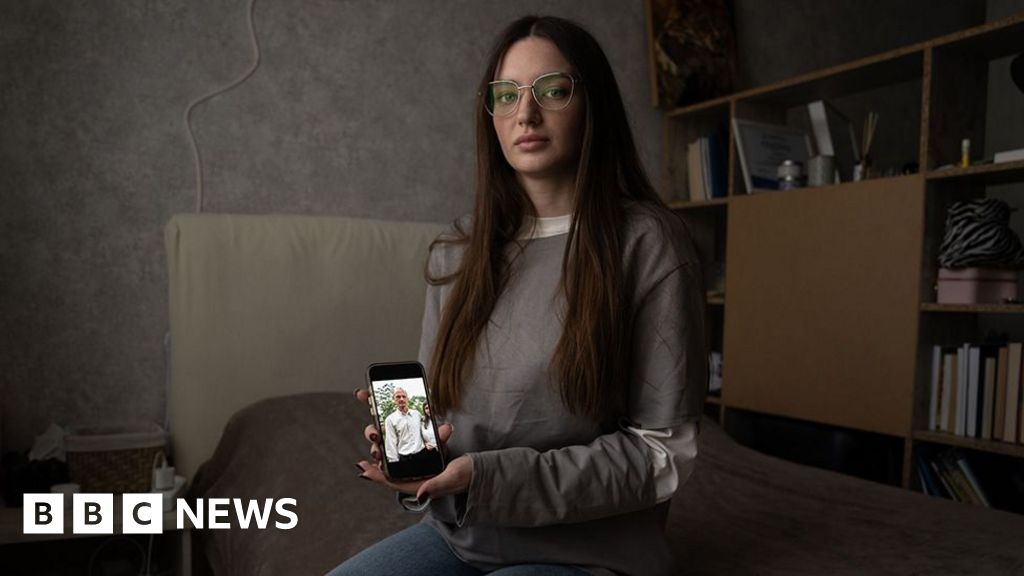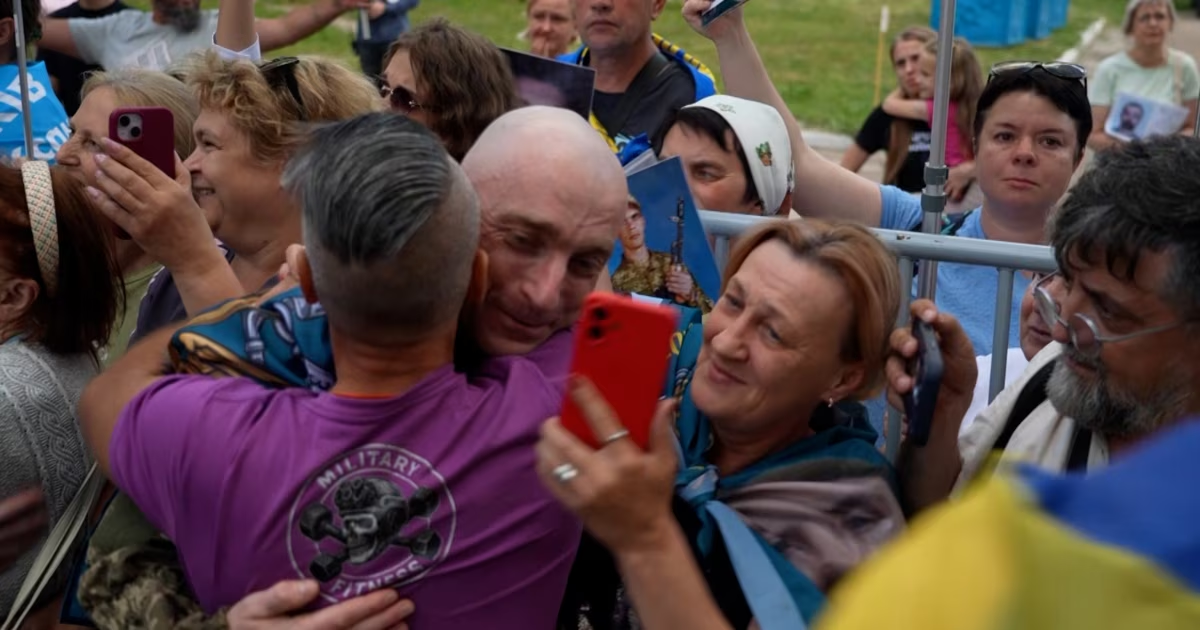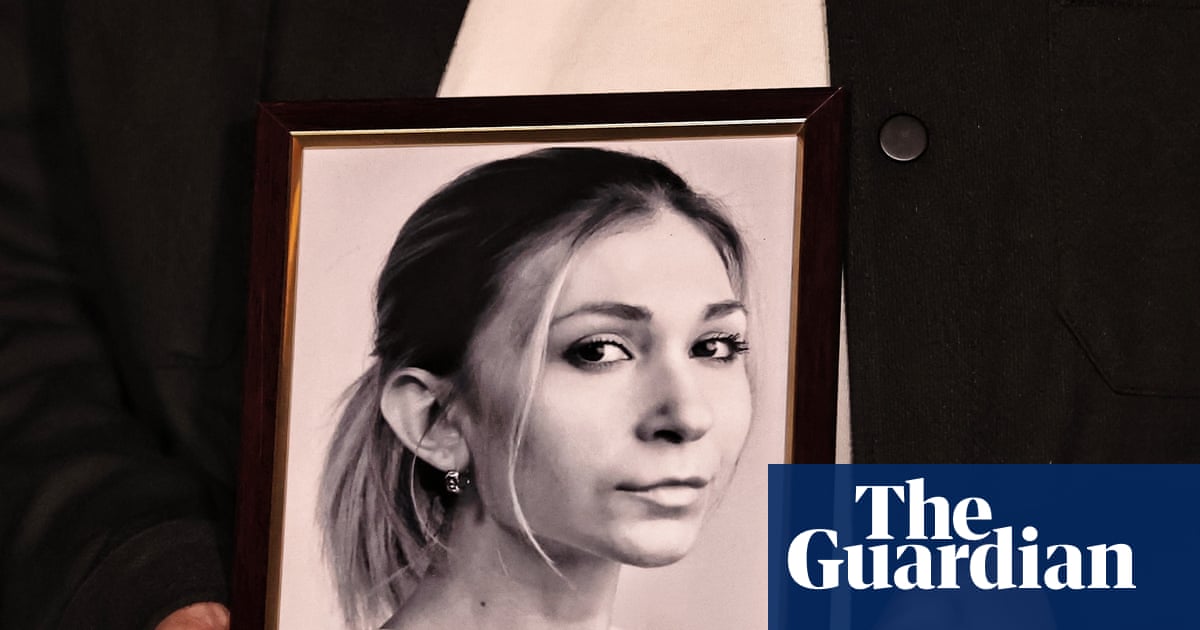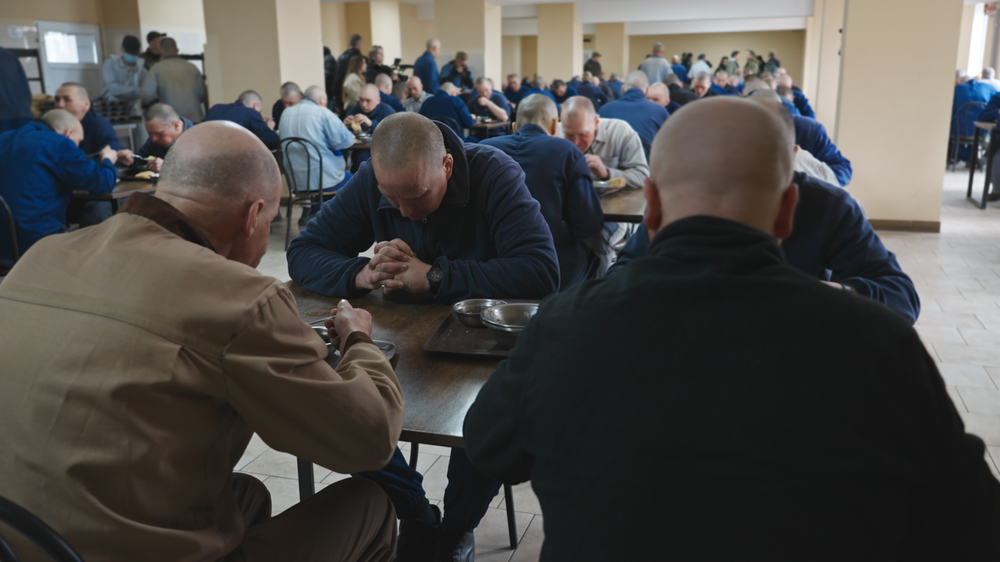
Liliia Prutian, a medic in Ukraine’s armed forces, spent more than two years in Russian jails. “Usually, I don’t want to remember,” she told me. “It’s all very painful.”Photographs by Mila Teshaieva for The New YorkerLast winter, I was in Vilnius, the Lithuanian capital, on a reporting assignment. A crunchy layer of fresh snow clung to the cobblestoned streets of the city’s old town. I was on my way to have dinner with an old friend and colleague, an independent Russian journalist who had left Moscow after the 2022 invasion of Ukraine. After we ordered, he pulled out his laptop, and we returned to a subject we had already discussed several times: the fate of an untold number of Ukrainian civilian prisoners inside Russia who have been detained or arrested for all manner of reasons, and who have been effectively disappeared into Russia’s vast penitentiary system, stretching from the Black Sea to the Arctic Circle.I had been considering the topic for some time. I had previously written about the Russian occupation of the southern Ukrainian city of Melitopol, which saw dozens of arrests in the first weeks of Russia’s takeover. And I’d told the story of a particular Ukrainian prisoner, a woman named Viktoria Andrusha, who was taken from her home and held for six months before being released in a prisoner exchange. But I wanted to find a way to capture the scale, four years into the war, of Russia’s vast system of detention, trial, and imprisonment—one that, for many Ukrainian civilian prisoners, effectively offers no way out.My dinner companion had an idea. It turns out, he told me, that a group of Ukrainian women had all passed through the same cell at the main pretrial detention center in the Russian city of Rostov, known as SIZO-1. The story of that one cell, and the women who shared it, could be a prism for understanding the terrible scale of the larger phenomenon—so that was what I set out to report.A number of these women were still in Russian custody, convicted of would-be crimes and dispatched to faraway prison colonies. It remains possible to exchange letters with prisoners held in Russia through an online portal and a mobile app. Over several months, I wrote and received dozens of letters. All such correspondence passes through a prison censor, which makes it a rather limited, even frustrating, epistolary form—but many details, about daily routines and the stultifying rhythm of prison life, can make it through. Valentina Zayarnaya told me of the English lessons that she had led in the cell; Kateryna Korovina shared lines of poetry that she wrote behind bars.Meanwhile, around a dozen women from the Rostov cell had been released in a prisoner exchange. I travelled to Ukraine to speak with them about their experiences in Russian custody, and the relationships that they had formed with their cellmates. These women struck me as brave, forthright, at once traumatized by their time in prison and committed to doing what they could to help those who were still there. As one former Rostov prisoner, Liliia Prutian, told me, as we walked around a park in an industrial city in eastern Ukraine, “For them, I’m ready.” For this week’s issue, I wrote the story of the cell they shared and, as the title suggests, the new Gulag that had ensnared them.Illustration by Ariel DavisThe celebrity-gossip blogger went live on TikTok last week, in the midst of what seemed to be a mental-health crisis. He was naked and appeared to cut himself, as viewers begged him to stop. “There is nothing that speaks more to our perma-tabloid social environment than the advent of the live stream,” Brady Brickner-Wood writes, “which has allowed ordinary people to become both the celebrity and the paparazzi of their own lives.” Read or listen to the story »More Top StoriesFrancesca Hong’s rise in Wisconsin was supposed to portend a major breakthrough for the left. Her narrow loss should still be a wake-up call for the Party’s establishment.In the new book “Triage,” Claudia Rankine explores how we should respond—or, perhaps, not respond—to a world in crisis.Blackpool, a vacation spot in England known as the Vegas of the North, has become a symbol of working-class fun.The most-clicked item in yesterday’s newsletter was about the political blowback from young people whose future employment is threatened by A.I.
Where Russia Disappears Its Prisoners
From the daily newsletter: More than 10,000 Ukrainian civilians are estimated to have disappeared into the Russian prison system. This is the story of one cell.
725 words~3 min read