by Kacey Hertan
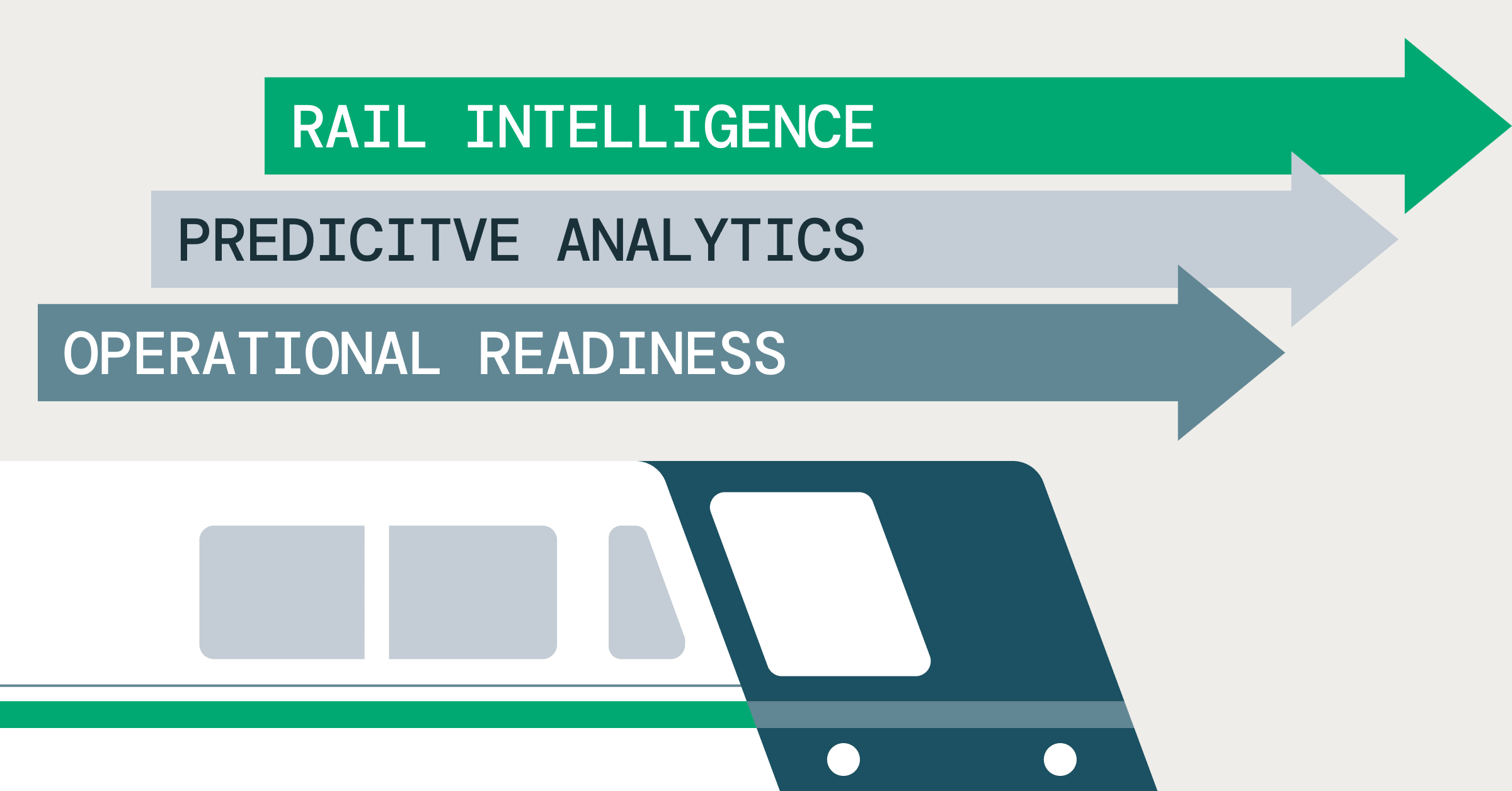
Amtrak operates the largest passenger railroad network in the United States, with 21,000 track miles connecting communities across the country. The organization is now undertaking its biggest physical transformation in half a century, introducing two entirely new fleets while simultaneously rebuilding tunnels, bridges, and rail yards, some of which date back over 150 years. To match the scale of this physical transformation, Amtrak is building a digital intelligence platform that connects all of these new assets into a single governed layer. The team calls it Rail Intelligence, and it runs on Databricks.
Amtrak's data landscape has not kept pace with the speed of the transformation. Fleet telemetry lives in one system. The reservation platform, a 40-year-old mainframe called Arrow, lives in another. Capital project data sits in spreadsheets. Wayside detector readings are somewhere else entirely. Mechanical teams react to equipment failures after they happen. Analysts can't connect fleet health to crew scheduling to passenger demand.
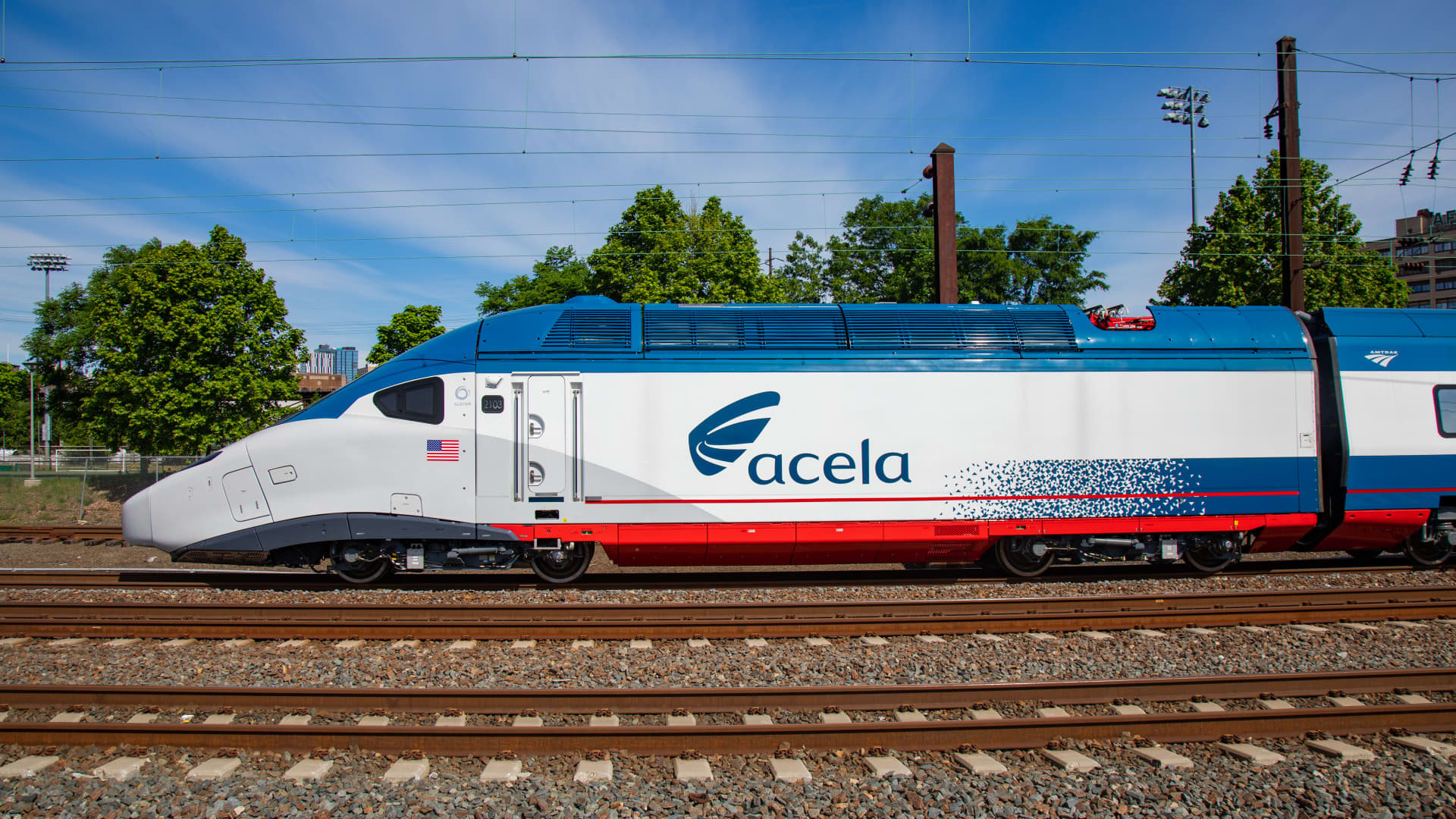
Meanwhile, new assets are coming online fast. The NextGen Acela, America's fastest train at 186 mph, is now in service with 28 trainsets on the Northeast Corridor. Eighty-three Siemens-built Airo trainsets are rolling out across 14 corridors. Each of these modern trainsets carries over 100 sensors generating thousands of data points per trip. Without a unified platform, that data would simply create new silos faster than the old ones can be retired.