Table of Contents
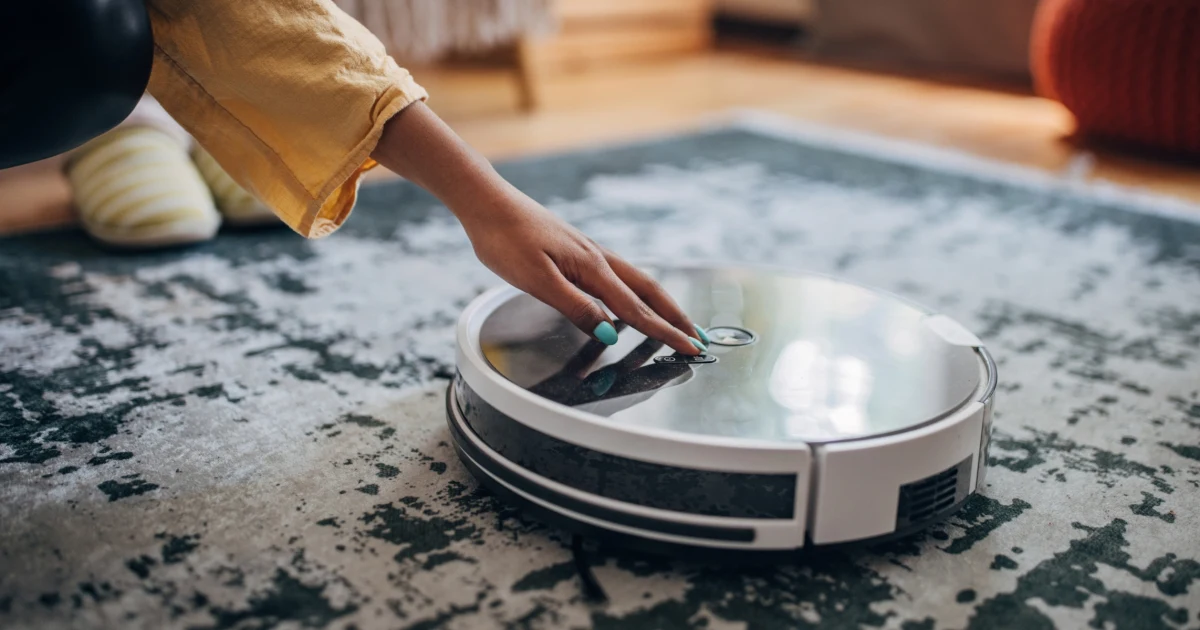
Do you know where the robots running your home — your Google Nest devices, AI-powered smart assistants, and, especially, your robovacuums — come from? Do you even care? Well, the American government certainly wants you to. In a sweeping order from the U.S. Federal Communications Commission (FCC) two weeks ago, the Trump administration effectively banned foreign-made "robotic devices" from the U.S. market, including those helpful housekeepers.
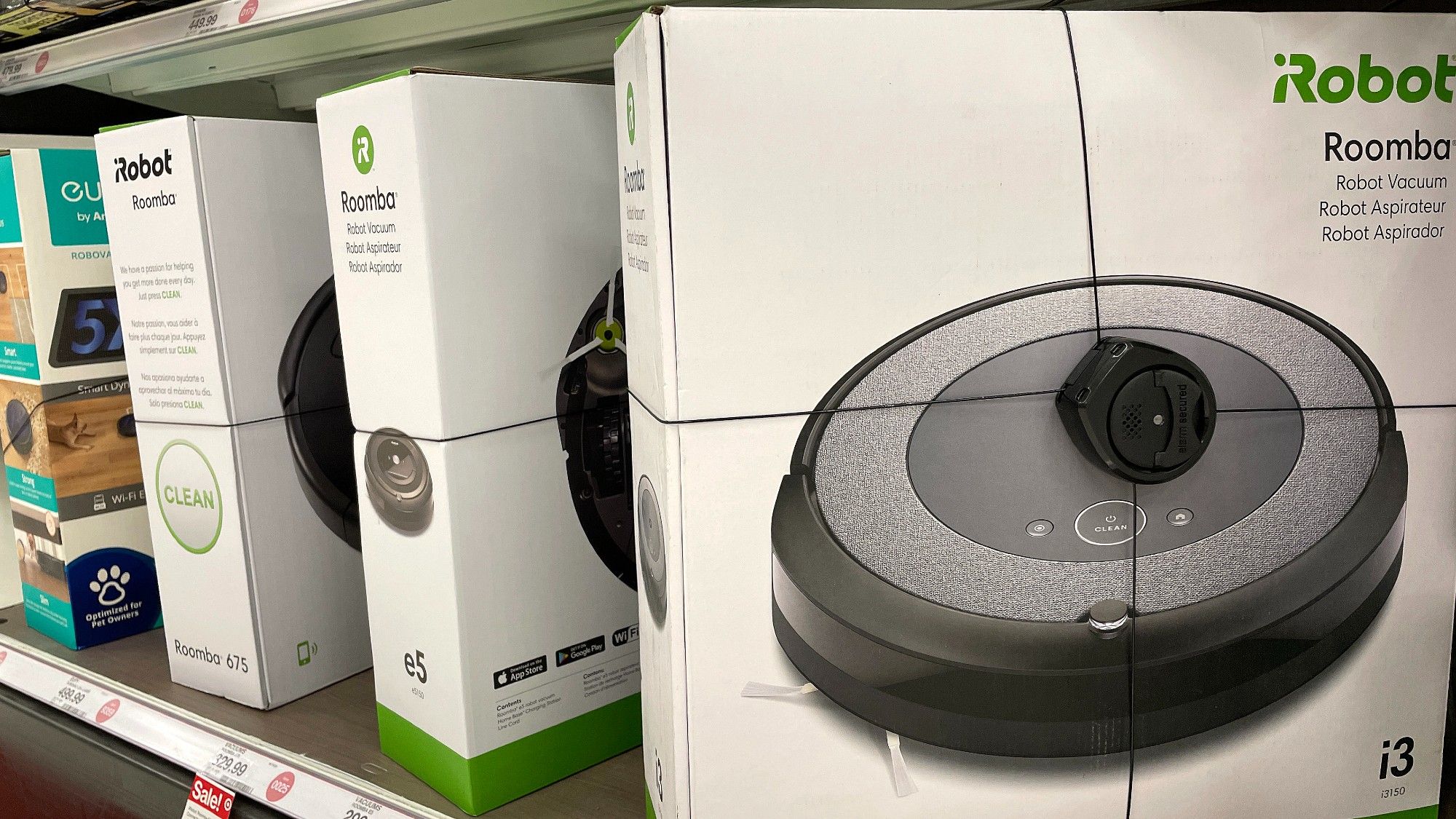
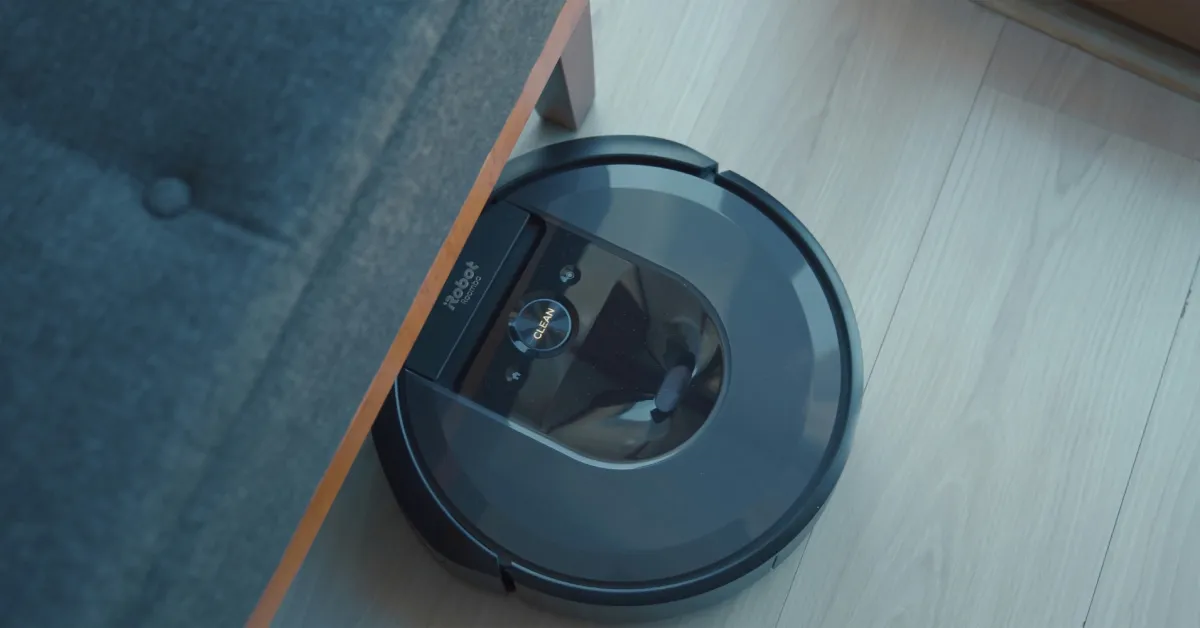
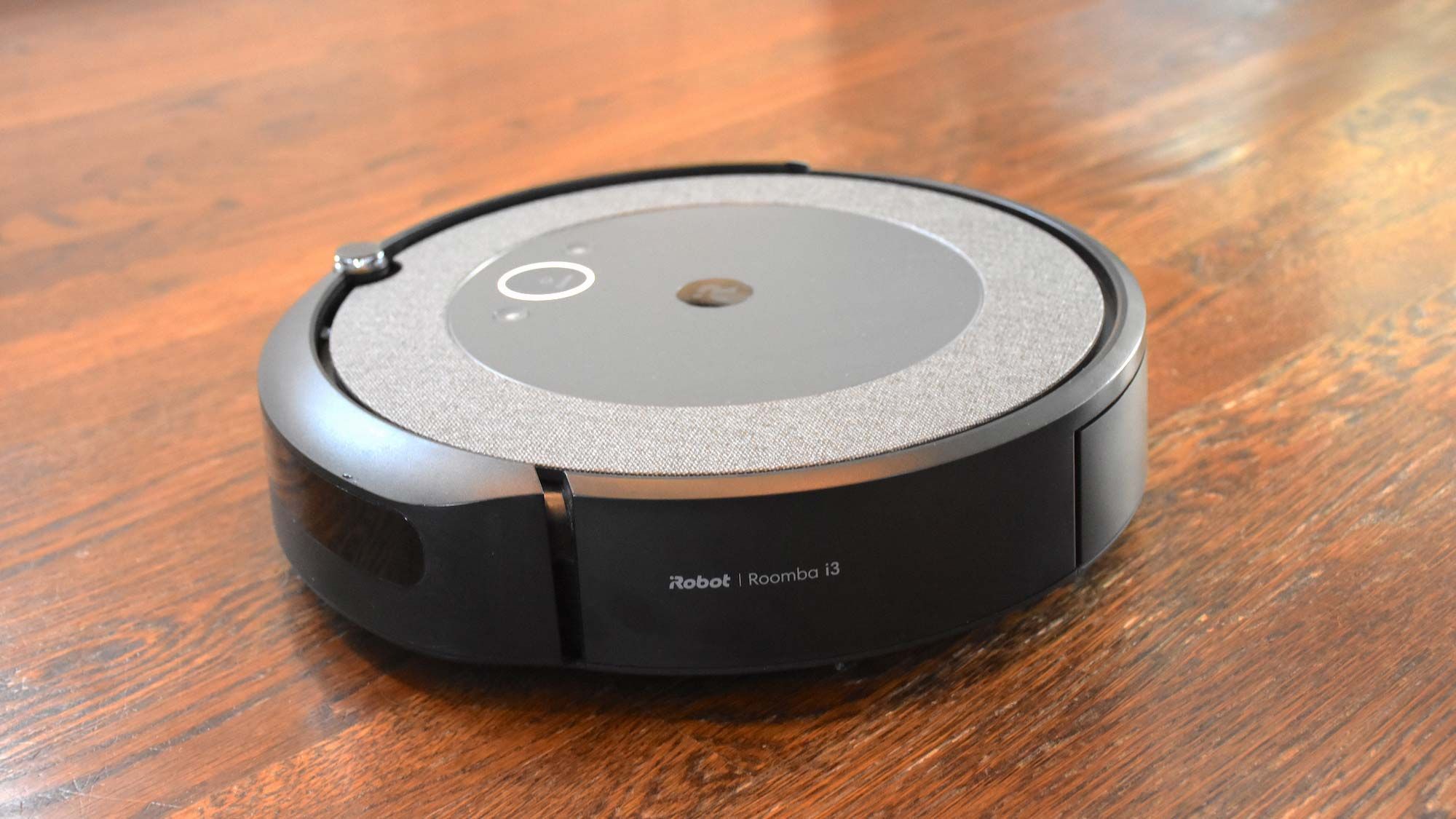
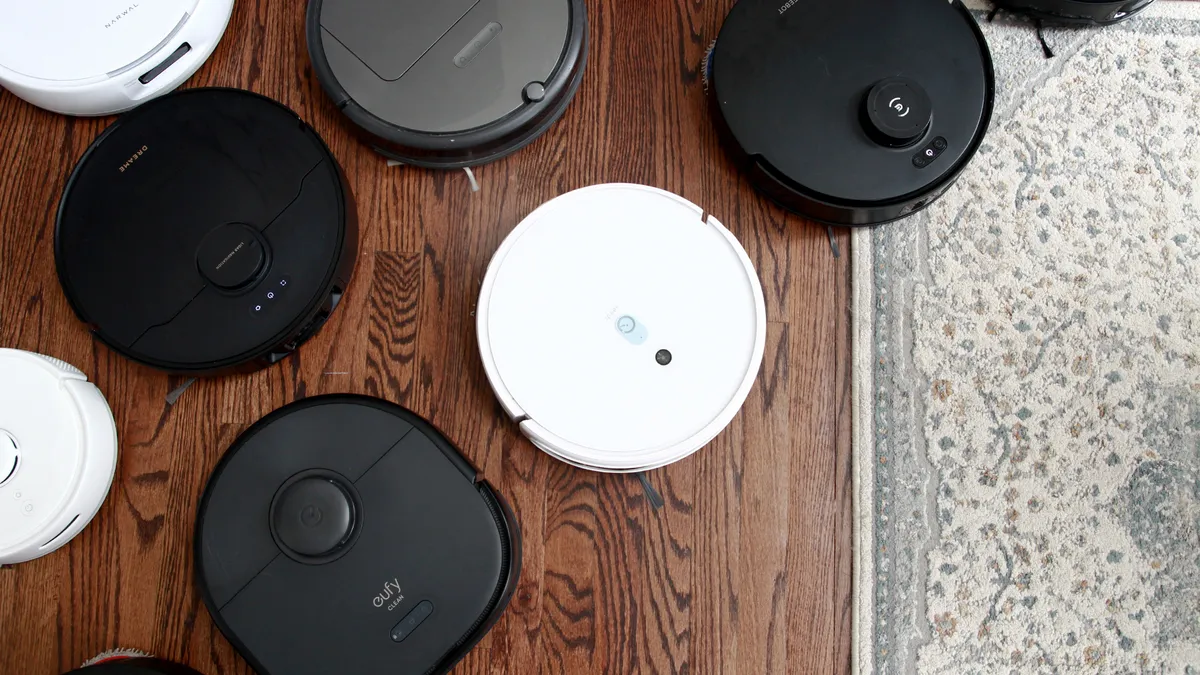
The ruling expands the FCC's list of restricted devices under presumed national security concerns, also known as the Covered List. Citing national security concerns, the agency blocked imports and domestic sales of internet-connected devices that navigate independently (like humanoid robots) or carry cameras and microphones (like those terrifying robo dogs). But these traits also apply to the oft-AI-powered vacuum-mop hybrids that roll around your house when you're not home — some of them can even livestream now.Fortunately, the government won't be knocking down doors and sweeping up Roombas anytime soon — devices already in circulation can remain in homes across the country, and pre-approved robots can stay on the market. But it has cast uncertainty on the future of new models and the average consumer's access to them. Here's what you need to know if you're in the market for a high-tech cleaner. What robot brands are sayingCompanies are still evaluating the potential effect of the FCC's ruling on their manufacturing processes.Several big players in robo-vacs are headquartered outside the U.S., including Chinese brands Eufy, Roborock, and Dreame. Meanwhile, the U.S.-based iRobot, makers of the Roomba, primarily manufactures its products in China and Vietnam. Like many other consumer tech categories, most robovac companies operate manufacturing lines on foreign soil.A handful of brands, including Shark and Narwal, have reassured American buyers that they will still be able to get their hands on the latest home cleaner tech under the new rules. In statements provided to Mashable, all but cash-strapped iRobot confirmed they would continue to sell currently available models in the U.S. as they review the new regulations. Vacuum leader Shark, which is also headquartered in the U.S., told Mashable it is confident it can still launch new, competitively-priced models in the future despite constraints on foreign manufacturing. "We believe we are well positioned to navigate the process," the company said.