(Image credit: Tom's Guide)
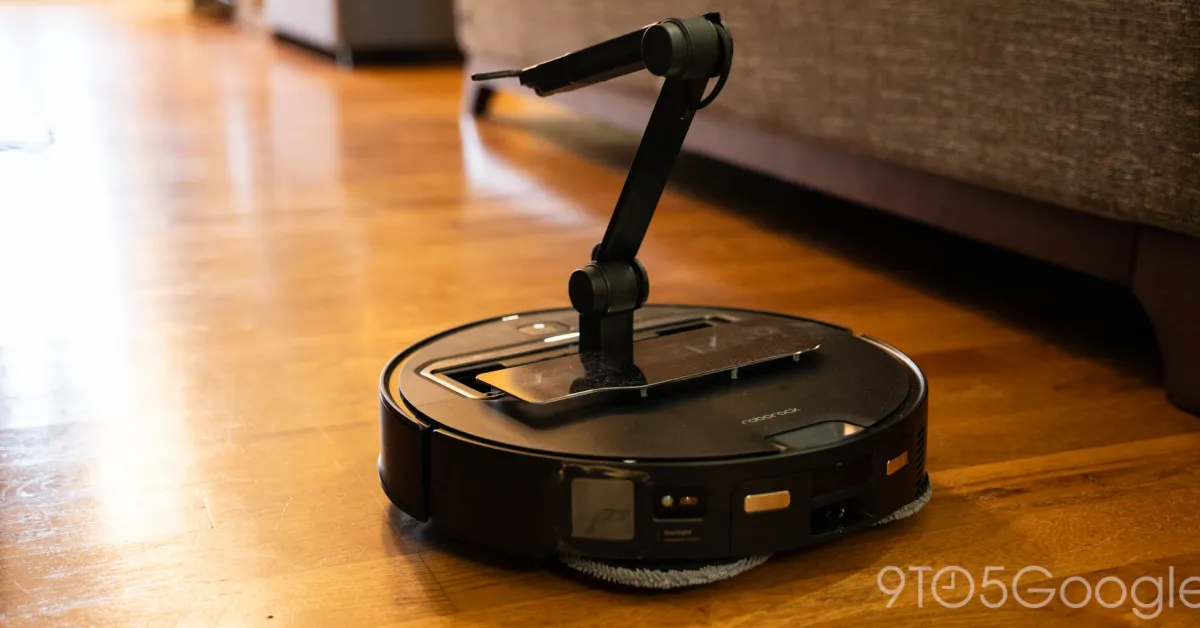
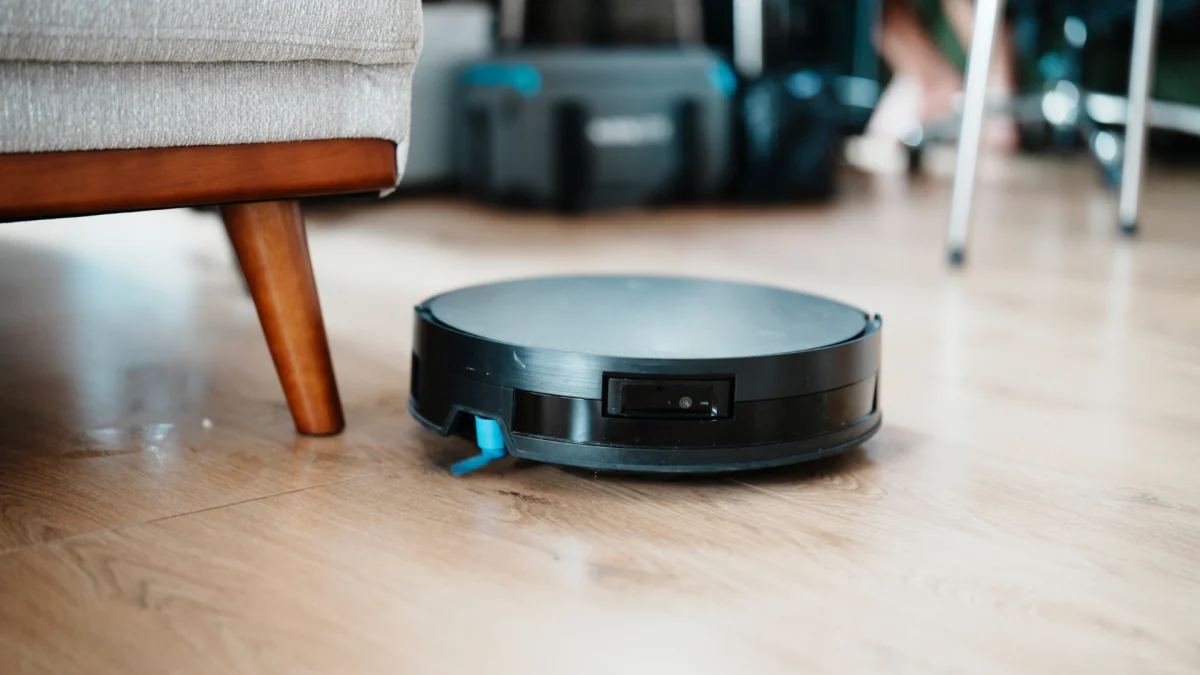
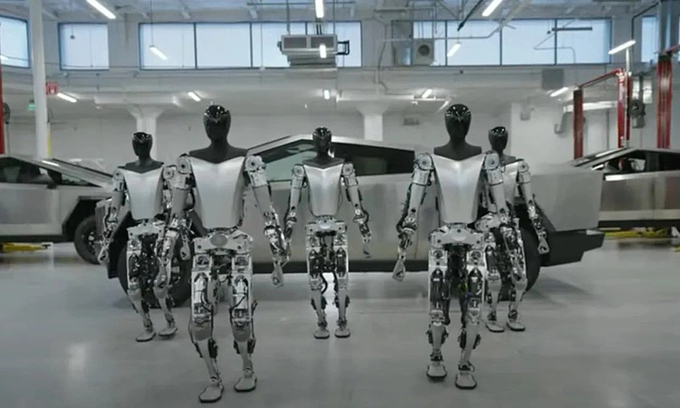
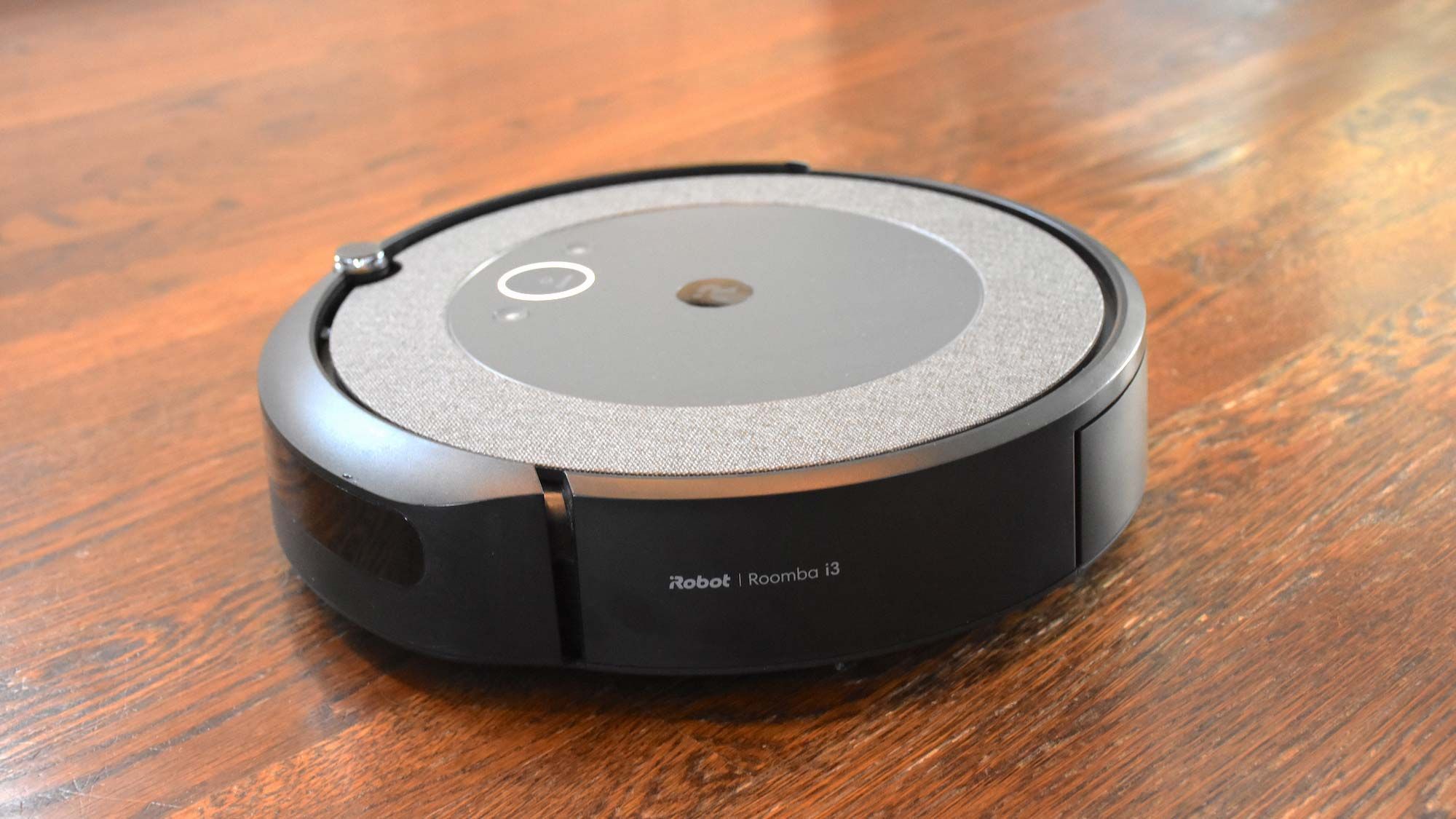
If you've been watching the news, you may have seen the Trump administration's recent robotic ban. In a move by the Federal Communications Commission (FCC), the ban targets any new foreign-made humanoid robot imports to the U.S. The thinking is that these products may cause "unacceptable risks" to U.S. security.But humanoid robots aren't the only robots at risk. It turns out the ban spreads much further than you might think. Far enough to spell trouble for the kind of 'bots you may be using in your own home.Delve a little deeper into the FCC's definition, and you're looking at a much larger coverage of robots that fall under the term "advanced robotic devices".If they're "capable of locomotion, obstacle avoidance, navigation, or movement on the ground" then they're targeted under the new ban. Sounds a lot like robotic lawnmowers, the best robot vacuums or even your friendly neighborhood delivery robot, right? Exactly.No more Roombas?
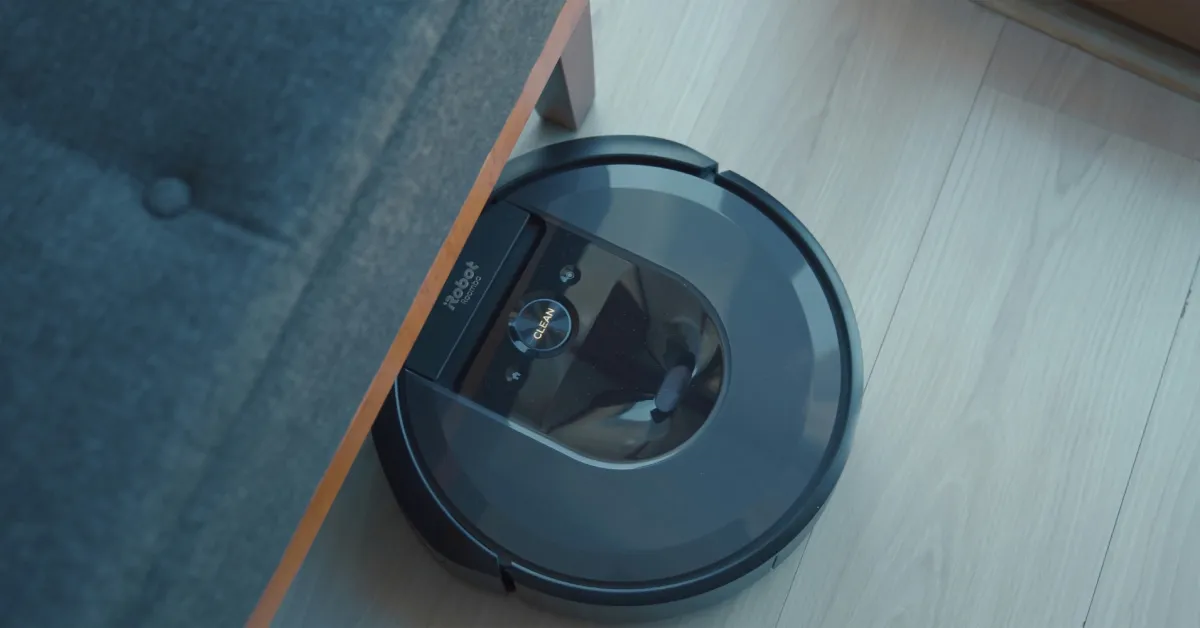
(Image credit: iRobot)Any new 'advanced robotic devices' being imported, which essentially means any robots being manufactured outside of the U.S., are banned.Now, it's worth delving into exactly what this means for home and delivery robots that fall under the FCC's definition.Importantly, any existing robots previously authorised to be sold in the U.S. are safe. Equally, any robots that have already been imported from outside of the U.S., are currently being sold, or have been approved are also safe.But any new "advanced robotic devices" being imported, which essentially means any robots being manufactured outside of the U.S., are banned.Get instant access to breaking news, the hottest reviews, great deals and helpful tips.This includes robots where "the combined weight of the device and, if applicable, ground station or docking station is over 4.4 lbs", as well as any with "software running either locally or remotely, including firmware and AI or machine-learning model weights" and "a sensor capable of perceiving its environment" or "a component that is capable of providing network connectivity (wired or wireless, including Bluetooth/Wi-Fi, cellular, or satellite)".Why? Well, as the FCC has said, they consider these robots to pose a national security risk, stating: "foreign-produced advanced robotic devices could be weaponized to directly harm U.S. national security and U.S. persons".But what's really interesting is what it's demanding companies do instead.Safety concerns?