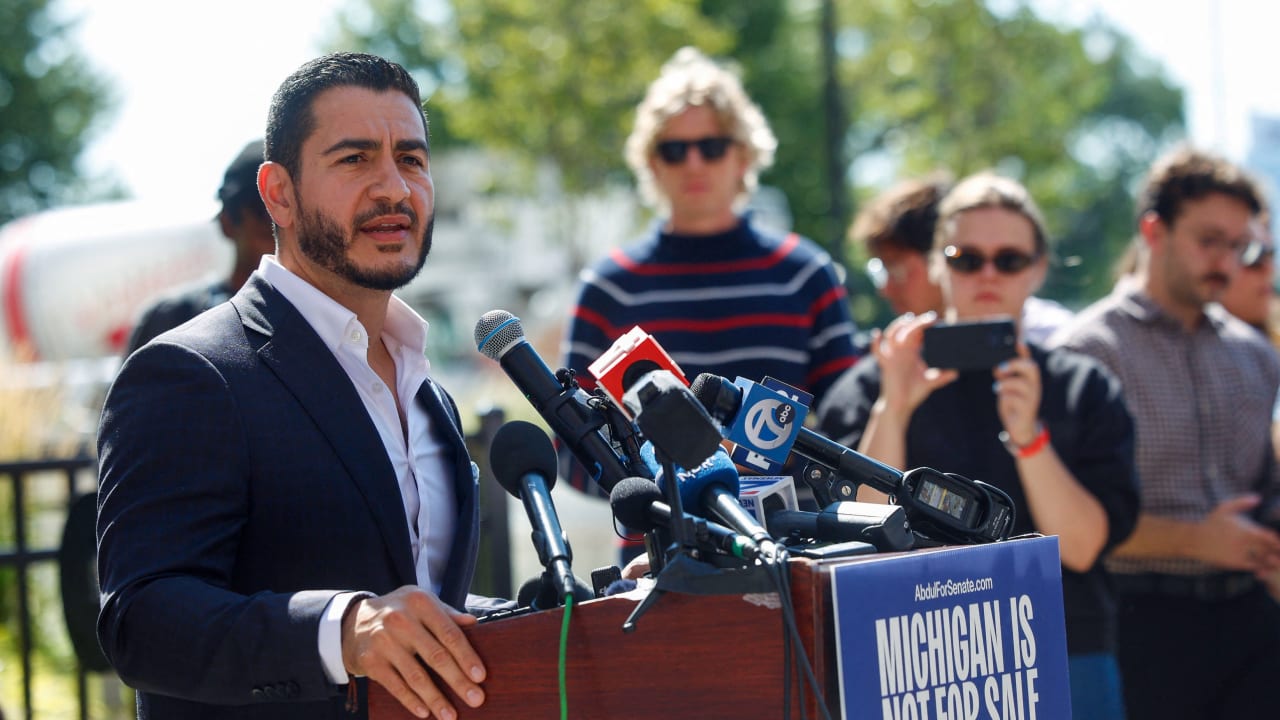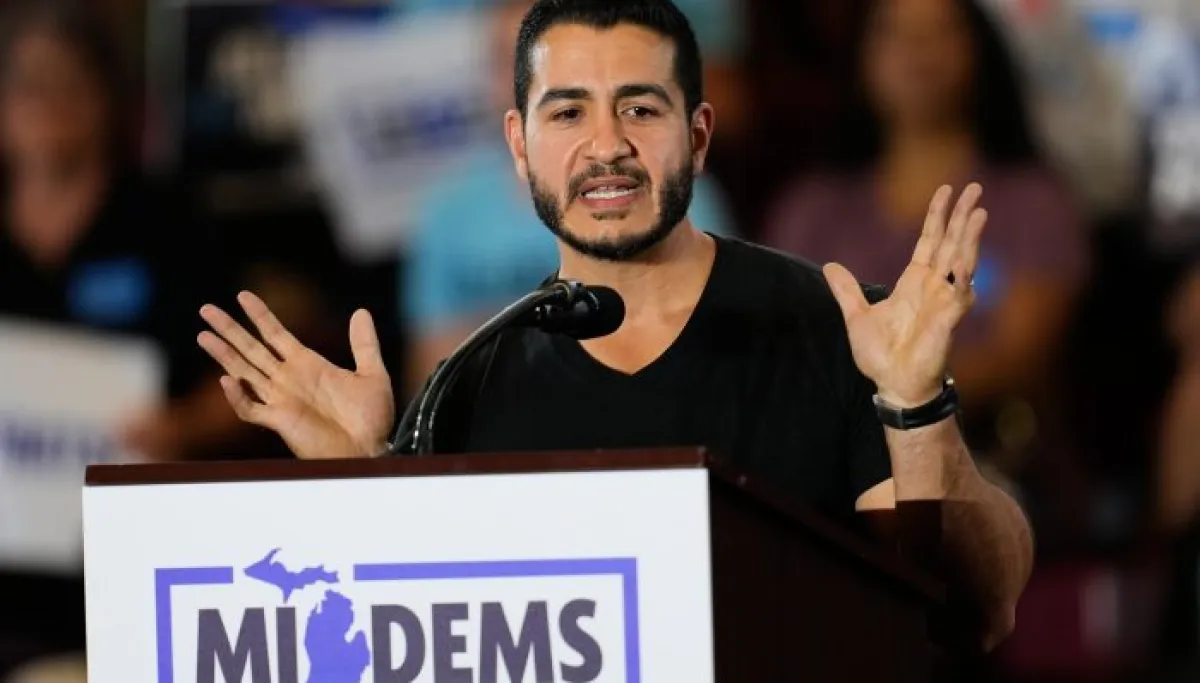
In Focus delivers deeper coverage of the political, cultural, and ideological issues shaping America. Published daily by senior writers and experts, these in-depth pieces go beyond the headlines to give readers the full picture. You can find our full list of In Focus pieces here.Fifty members of the Democratic Socialists of America flew from New York to Michigan before the primaries. They came to support DSA candidates, but they also canvassed for a Senate candidate their own organization had never endorsed. Abdul el Sayed doesn’t call himself a socialist, and the DSA never put its name behind him. Its members showed up anyway.One volunteer explained to City & State New York, without much subtlety, why: The American Israel Public Affairs Committee had spent $30 million against el Sayed, “and that must mean he’s doing something right.” That line deserves one caveat its author didn’t offer: Heavy outside spending often reflects concerns about a candidate across multiple issues, not just one. The DSA wasn’t mobilizing around a detailed governing program. It was mobilizing around a common opponent.
A parallel machine
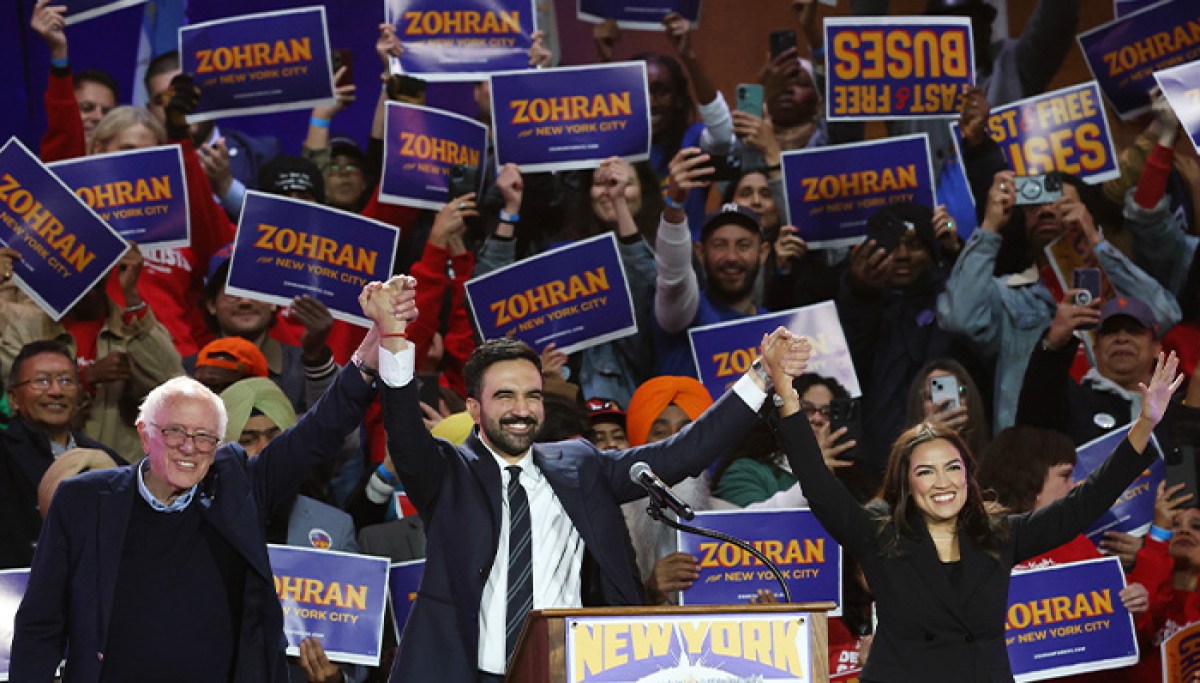
That distinction matters because it explains something larger unfolding inside Democratic Party politics. The fastest-growing alliances are increasingly built less on shared ideology than on shared grievances. Organizations with very different long-term ambitions can become effective partners if they agree about today’s obstacles.Muslim political organizations provide a useful example. This cycle, the Council on American-Islamic Relations’s political arm launched Muslims.Vote, targeting a dozen states it considers decisive for congressional control, including Michigan and Wisconsin. Arab American and Muslim political activism, energized by the Gaza war, has moved well beyond protest into candidate recruitment, fundraising, and primary elections.The electoral results are becoming harder to ignore. CAIR Action’s exit polling found that 97% of Muslim voters in New York backed DSA member Zohran Mamdani for mayor. The morning after el Sayed’s Senate primary victory, Mamdani publicly congratulated him, drawing an explicit comparison to the outside spending directed against both campaigns. These movements do not need identical worldviews to recognize the same political battlefield.The “uncommitted” movement illustrates the same pattern. Born in Michigan during the 2024 Democratic presidential primaries, it urged Democratic voters to cast “uncommitted” ballots rather than support then-President Joe Biden, protesting his administration’s handling of the war in Gaza while remaining inside the Democratic coalition. What began as a primary protest quickly became an organized electoral network. Its co-founder, Abbas Alawieh, is now running for the Michigan state Senate, while dozens of Muslim candidates now hold office or are seeking election across the country.Different destinations