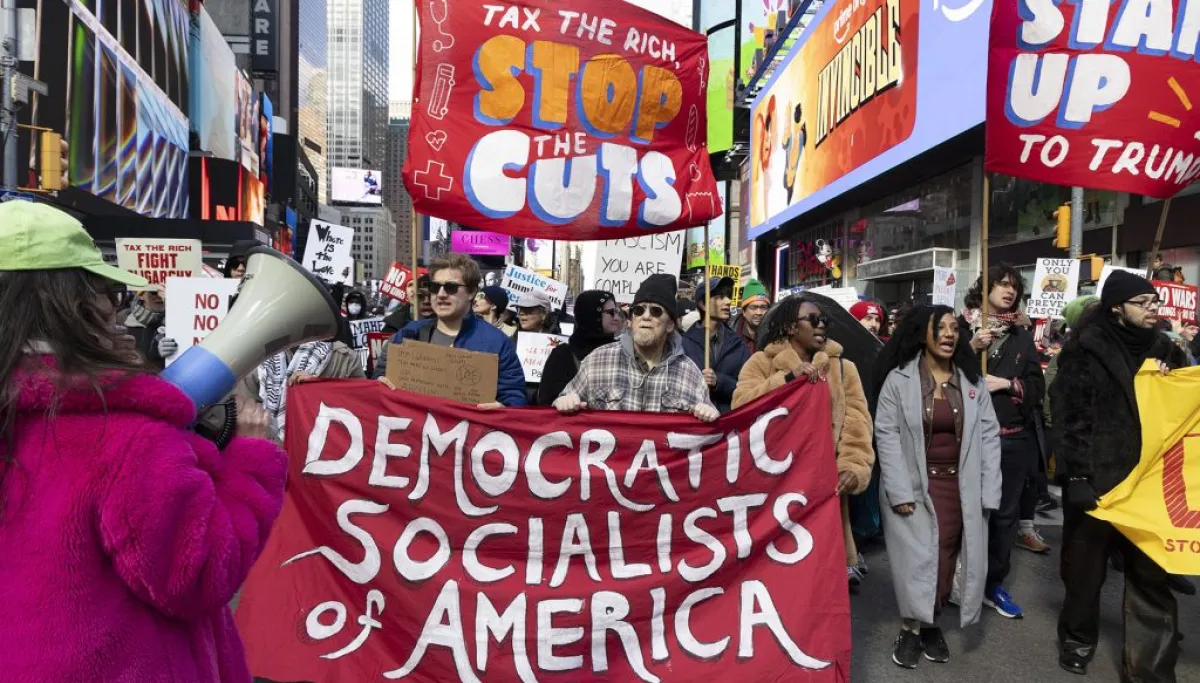
In Focus delivers deeper coverage of the political, cultural, and ideological issues shaping America. Published daily by senior writers and experts, these in-depth pieces go beyond the headlines to give readers the full picture. You can find our full list of In Focus pieces here.Michael Harrington called it the left wing of the possible. Beneath the slogan lay a practical reality. American socialists had no viable alternative to the Democratic Party. The two-party system, ballot access laws, fundraising networks, and the institutional gravity of a party that had absorbed much of the Left all pointed in the same direction. Work within the Democrats or remain on the margins.Harrington chose the Democrats and built the Democratic Socialists of America around that choice. He believed American socialism would accomplish more by influencing one of the nation’s two major parties than by creating a third marginal party. He spent the rest of his life defending that strategy.
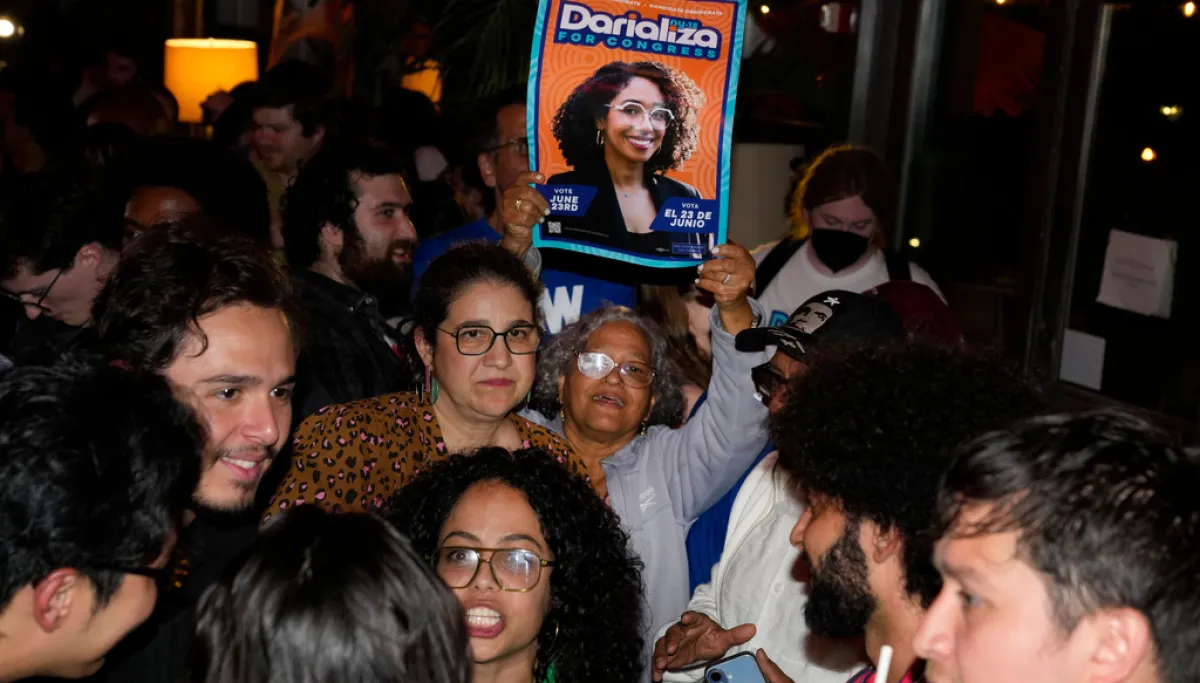
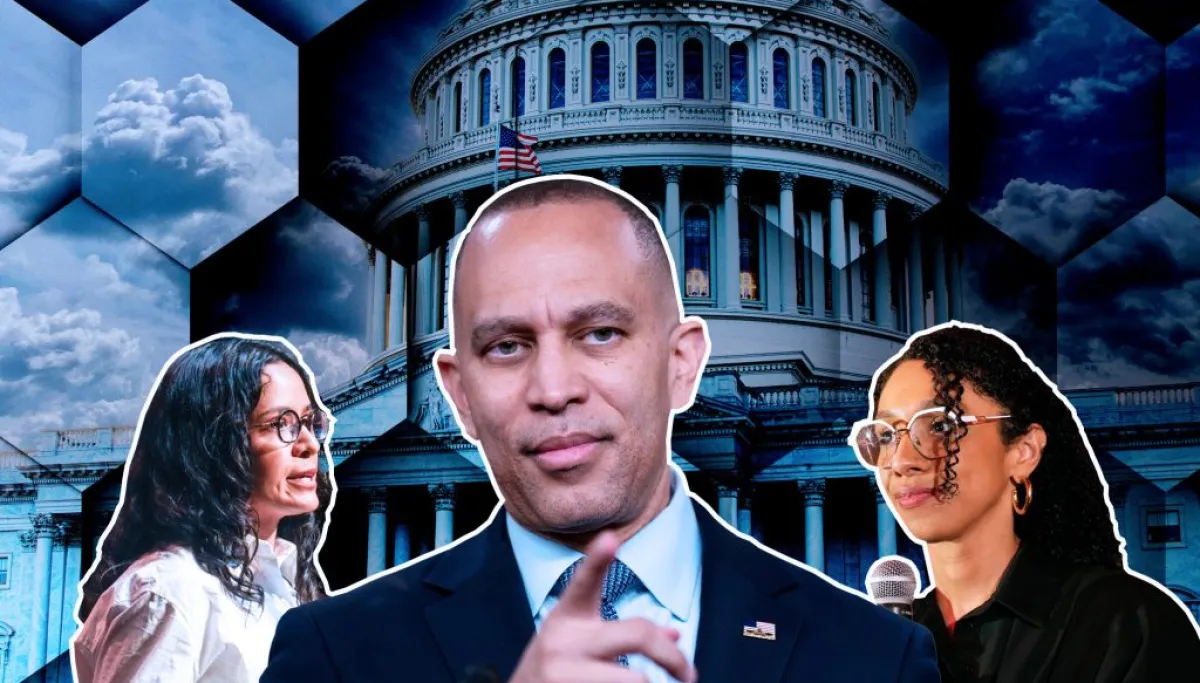
For decades, DSA leaders described their approach as political realignment. Following Sen. Bernie Sanders’s (I-VT) presidential campaigns, many activists embraced what became known as the dirty break: using Democratic ballot lines to build socialist power while envisioning an eventual independent workers’ party. As the organization grew and its elected officials multiplied, however, the promised break receded further into the future.The central contradiction never disappeared.The organization aspired to political independence while achieving nearly all of its electoral success through Democratic primaries.This was not a new problem dressed in a new language. It had defined the organization since its founding. Every few years, the debate returned. Every few years, the conclusion was largely the same.The alternative was worse.Third-party politics had produced little beyond protest votes and political isolation. The Green Party of the United States offered a decadeslong demonstration of the limits of ideological purity outside the U.S.’s two-party system. If socialists wanted to influence public policy rather than merely protest it, the Democratic Party remained the only practical vehicle.The tension surfaced publicly in 2016 when Sanders lost a primary many DSA activists believed had been tilted against him. It became even harder to ignore in 2024 when DSA leaders condemned Kamala Harris as aligned with the capitalist class while simultaneously encouraging tactical support in key states and claiming influence over the selection of Tim Walz as the Democratic vice presidential nominee.The contradiction became increasingly difficult to ignore. The organization’s elected officials held office on Democratic ballot lines. Its volunteer infrastructure operated through Democratic primaries. Much of its influence flowed through institutions that shape Democratic politics, including labor organizations, advocacy groups, and segments of the media.Walking away would mean abandoning many of the levers of influence the organization has spent more than four decades acquiring.So it stayed.It criticized the arrangement and participated in it, betting that accumulated influence would eventually produce a different outcome.The question was whether that influence had now reached a level the Democratic establishment could no longer comfortably contain.On June 23, 2026, candidates backed by New York City’s socialist movement won three congressional primaries in a single evening. Brad Lander defeated two-term incumbent Dan Goldman in New York’s 10th Congressional District. Darializa Avila Chevalier unseated five-term incumbent Adriano Espaillat in the 13th District. Claire Valdez captured the 7th District as supporters celebrated with chants of “DSA!” at her election-night gathering.Earlier in the cycle, Chris Rabb won a congressional primary with DSA backing. Janeese Lewis George secured the Democratic nomination for mayor of Washington, D.C., making her the overwhelming favorite to become the first socialist mayor of the nation’s capital. In Los Angeles, Nithya Raman advanced to a mayoral runoff against incumbent Karen Bass.The pattern had become difficult to dismiss as a coincidence.The Democratic establishment has not ignored the challenge. Gov. Kathy Hochul endorsed Dan Goldman. House Minority Leader Hakeem Jeffries (D-NY) endorsed both Goldman and Adriano Espaillat and campaigned on their behalf. Outside organizations spent heavily to defeat DSA-backed candidates in multiple races.Yet in districts where the organization has built dense volunteer networks and durable local infrastructure, endorsements and money have increasingly struggled to overcome the organization.The Democratic establishment needs the votes, volunteers, and energy generated by DSA-aligned activists. The DSA needs the Democratic ballot line and institutional structure that make electoral success possible. Neither side can easily sever the relationship without sacrificing something valuable.The people who defeated candidates backed by Jeffries may soon be asked to vote for him as speaker of the House. Several incoming members have already declined to make that commitment, suggesting the next struggle may be less about defeating Republicans than about determining who leads the Democratic Party itself.(Washington Examiner illustration; Getty Images)