OFF-PREM
Neocloud says AI compute demand is becoming continuous, but so is the spending
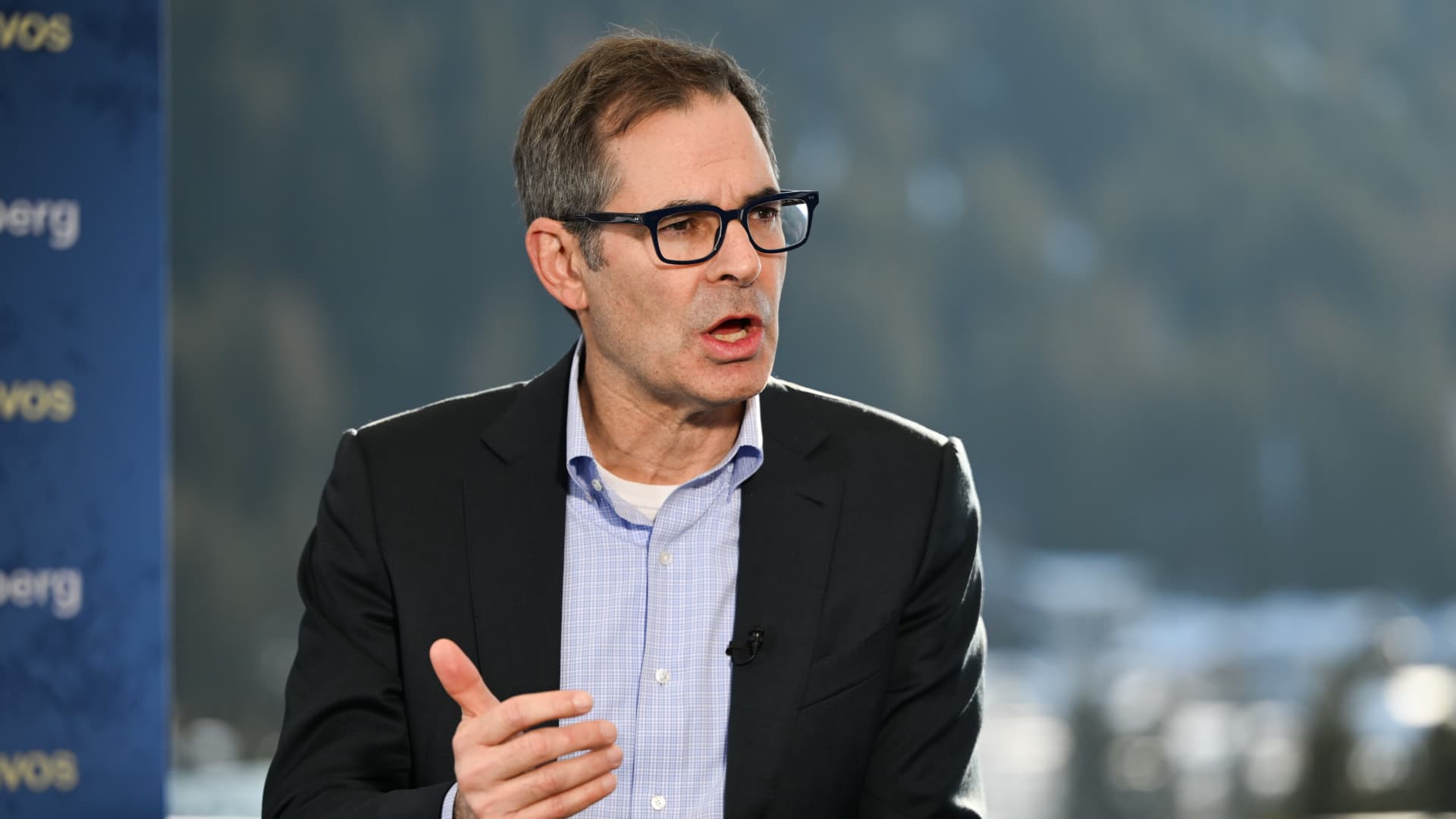
Neocloud operator CoreWeave remains bullish about its prospects, claiming that changing patterns of AI use will create sustained demand for its cloud services.The New Jersey firm is among the most prominent rent-a-GPU businesses spawned by demand for AI training infrastructure, but is now attempting to move up the technology stack – a shift consultants at McKinsey said neoclouds would need to make to survive."AI is no longer confined to frontier model labs. It is becoming embedded in software, industrial systems, financial markets, enterprise workflows, and national security missions," claims CoreWeave co-founder and CEO Michael Intrator.
Intrator also claimed that deploying AI applications is turning compute from a large upfront requirement into a recurring expense.
"For the last several years, many organizations treated a model like a deliverable. Train it, deploy it, and move on. Enterprises no longer operate that way," Intrator told analysts on a conference call for CoreWeave's financial results for the second quarter ended June 30."Training, inference, evaluation, and improvement now form a single continuous loop. Models and agents in production generate real-world data. That data informs evaluation, driving new experiments, which improve the model or application before being redeployed into production."CoreWeave's pitch is that this continuous cycle is changing both the demand curve and the economics of AI."Compute is no longer a one-time requirement concentrated at the beginning of a model's life. It becomes an ongoing requirement that grows with every application in production and every cycle of improvement," Intrator said, adding: "Our AI native platform was built for this."CoreWeave expects its managed inference services, launched only a few months ago, to reach an annual recurring revenue run rate of at least $250 million by the end of 2026.Yet all is not rosy. Revenue rose 112 percent year-on-year to $2.575 billion, but operating expenses reached $2.624 billion, resulting in a $49 million operating loss. Interest and other costs helped widen the net loss to $626 million.Most of that growth also came from existing clients rather than new ones. According to CoreWeave's Form 10-Q [PDF] filed with the SEC, approximately 93 percent of the revenue increase was attributable to expansion within its existing customer base, with the remainder attributable to new customers.In fact, the firm concedes that just three customers accounted for 36 percent, 26 percent, and 10 percent of quarterly revenue respectively – 72 percent between them.