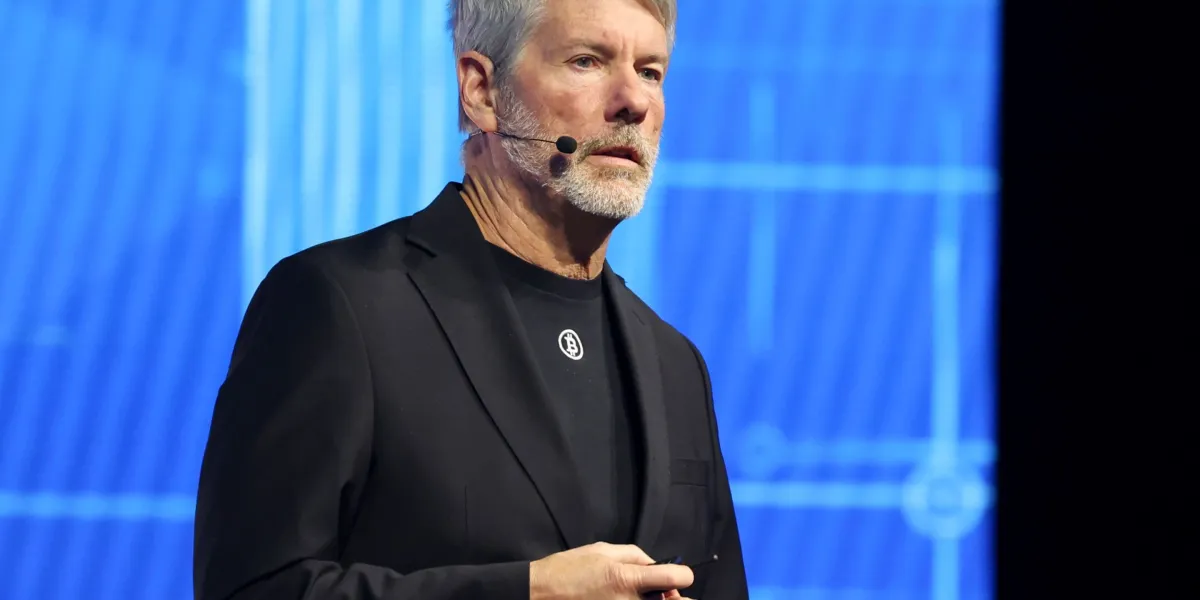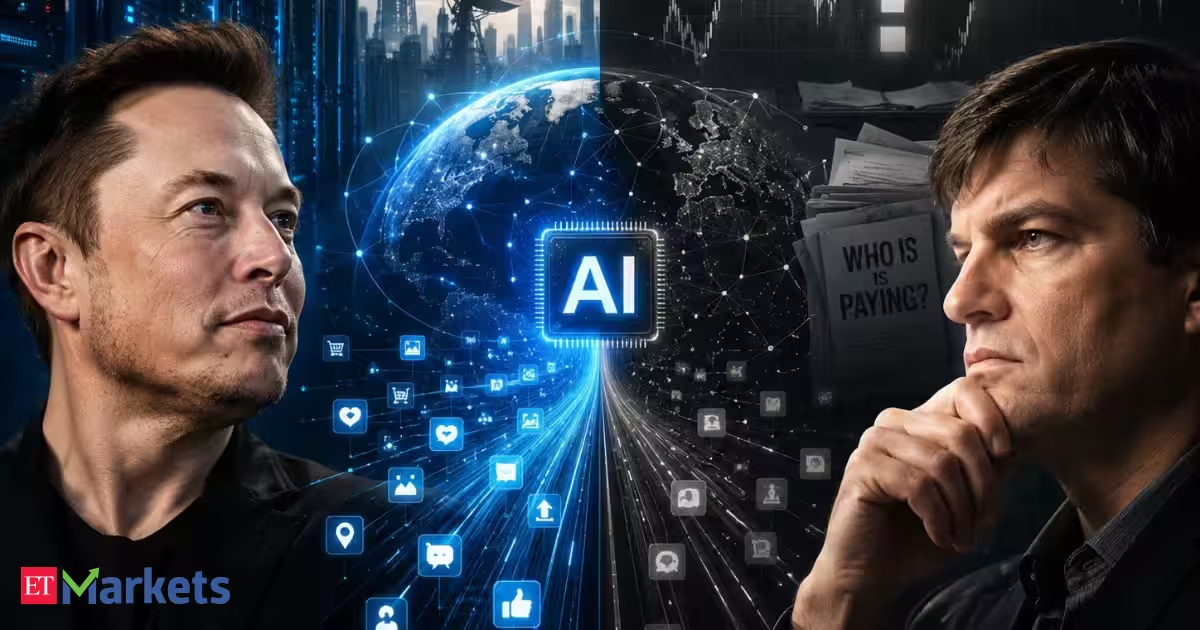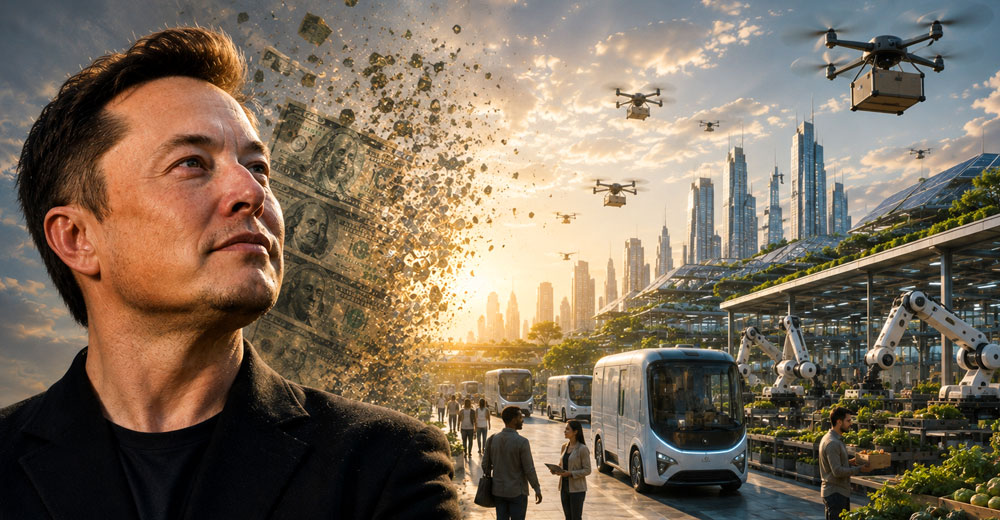
Two of the loudest voices in tech and finance are having a philosophical cage match over whether money has a future. Elon Musk thinks AI will eventually make traditional currency irrelevant. Michael Saylor thinks that’s a nice thought experiment that ignores roughly everything about human nature.
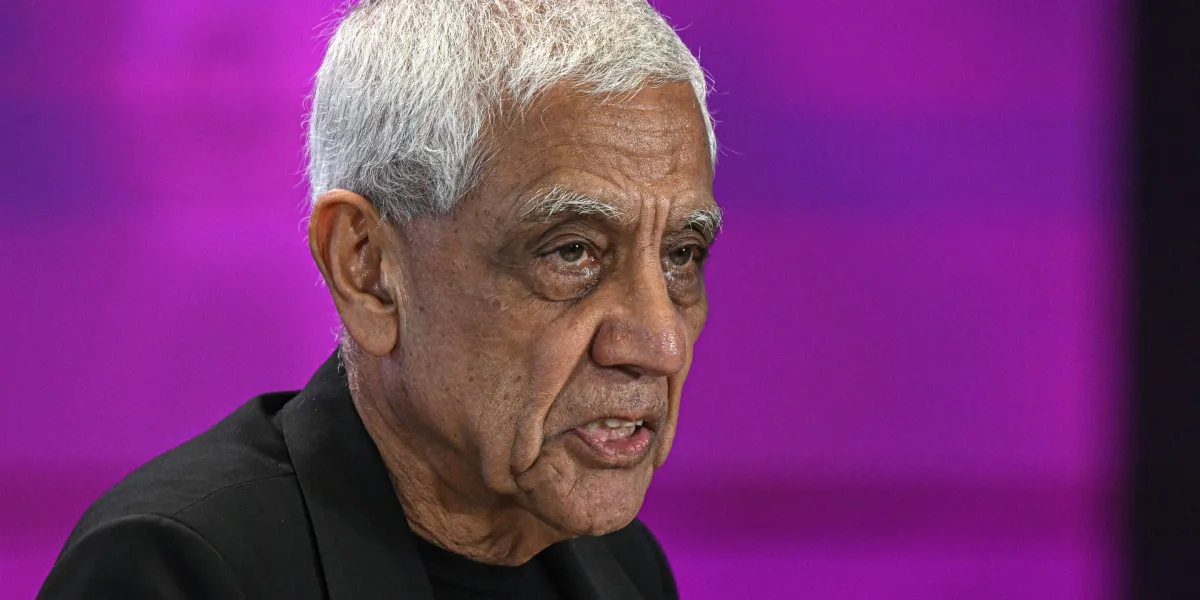
In a Diary of a CEO interview published last week, Saylor pushed back directly on Musk’s vision of an AI-driven “age of abundance” where work becomes optional and goods become so plentiful that money loses its purpose. Saylor’s counterargument was refreshingly blunt.
“Everybody doesn’t get a Hampton’s house. Everybody doesn’t get their own private jet. They don’t get their own private yacht.”
Translation: even if AI floods the world with cheap goods, humans will still compete for the stuff that can’t be mass-produced. Beachfront property, rare art, social status. Those markets don’t care how many robots you build.
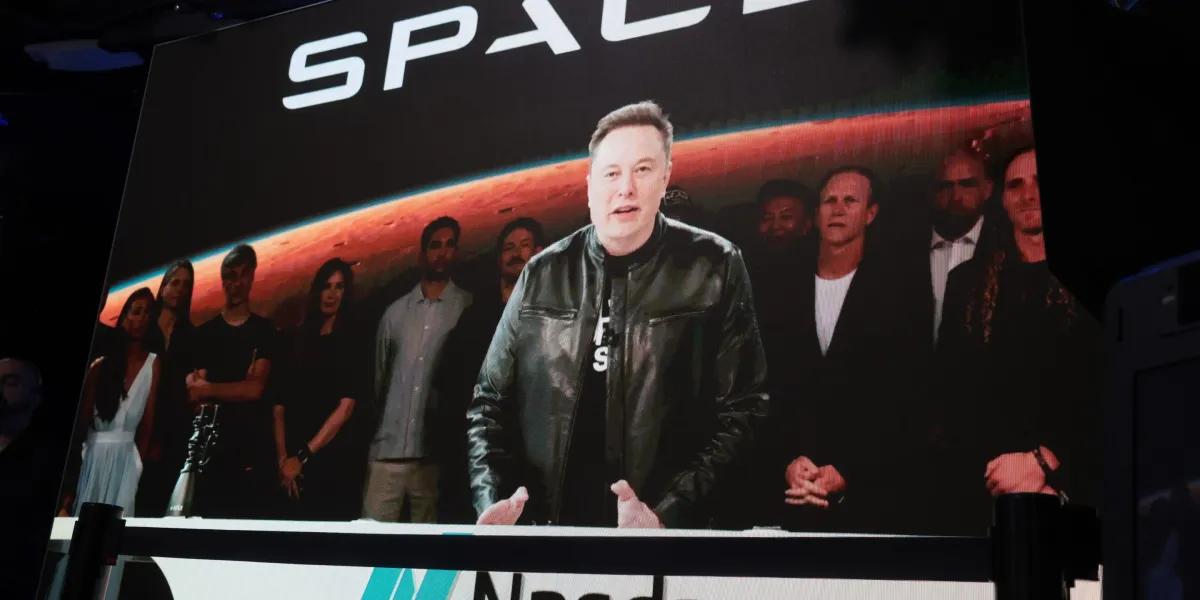
Musk has spent much of 2026 championing what he calls “universal high income,” a concept where AI and robotics boost productivity so dramatically that economic output dwarfs the existing money supply. He’s floated these ideas repeatedly on social media and in public remarks throughout the year.