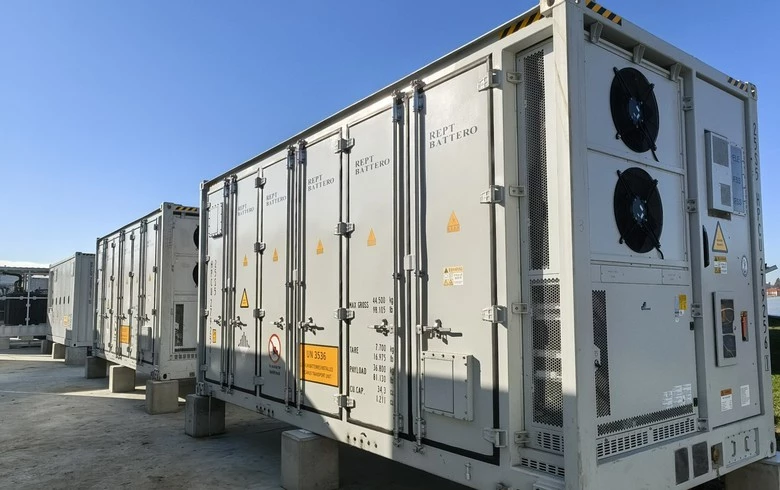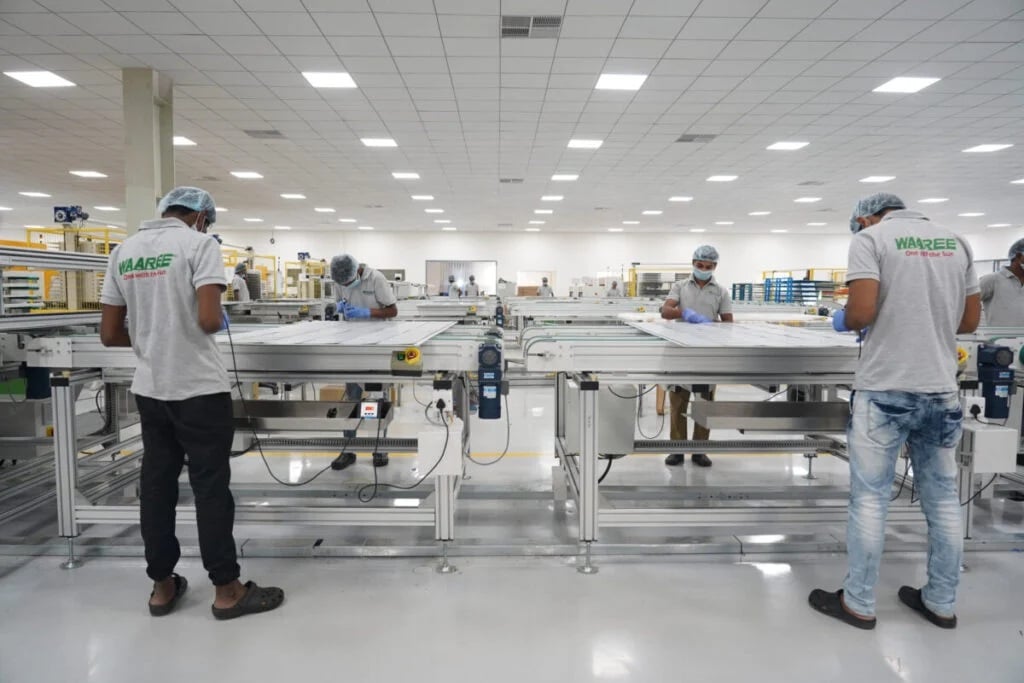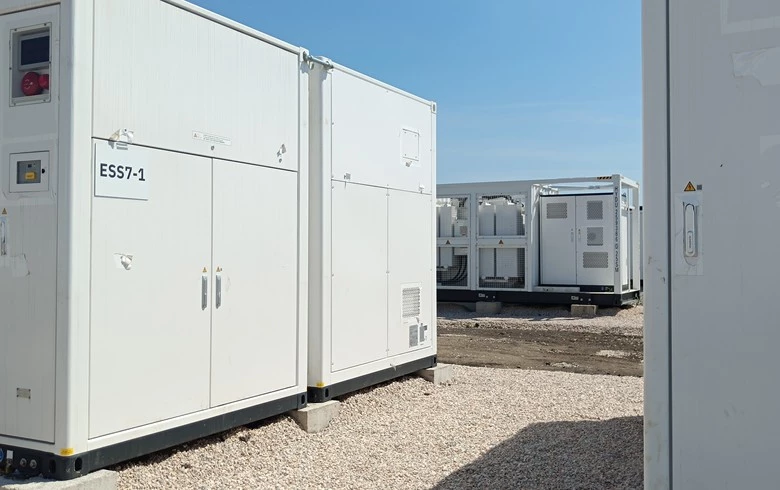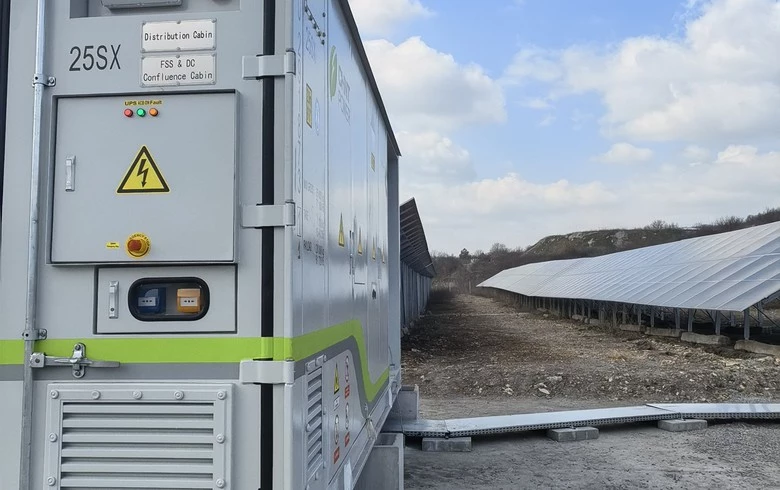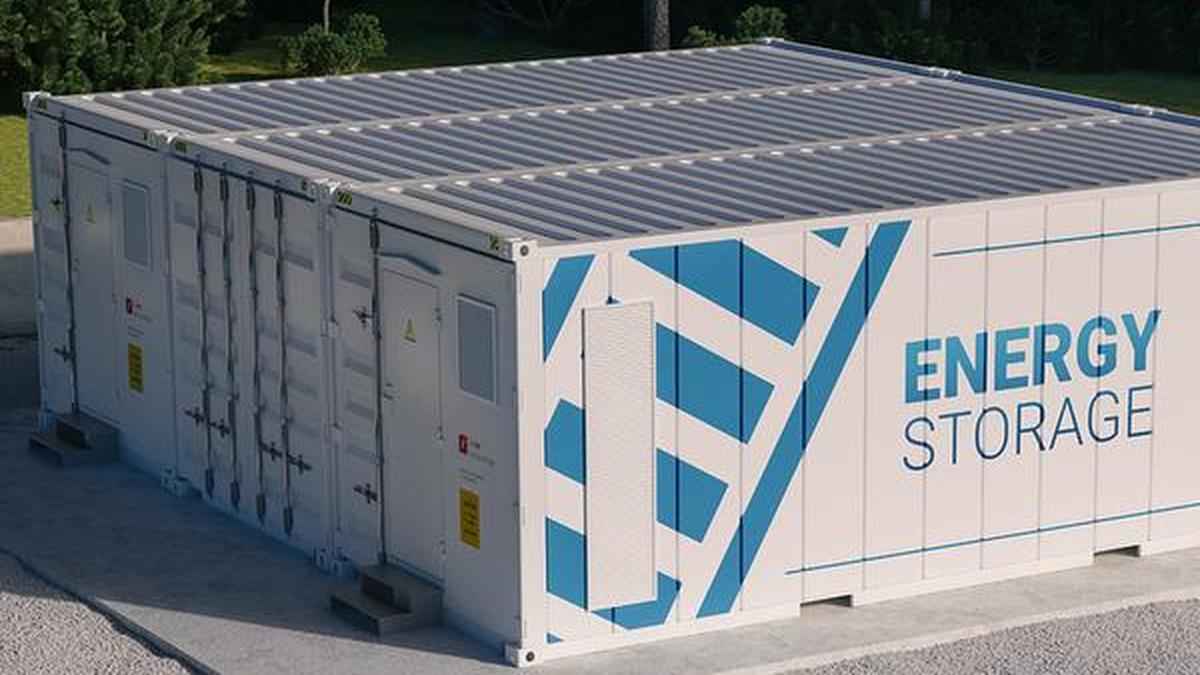
Waaree Transpower Private Limited, a subsidiary of Waaree Energies Ltd., has secured a ₹160 crore order from an unnamed global energy storage technology provider for the supply of 8.3 MVA Medium Voltage Skids designed for Battery Energy Storage System applications, the company announced on Wednesday.Shipments under the order began in July 2026, making it one of the more significant export contracts for the Mumbai-based electrical infrastructure firm, which was formerly known as Kotsons Private Limited.The MV Skid is a containerised, plug-and-play solution built to IEC standards and housed within a 20-foot container. The design allows for stacking and shipping, aimed at simplifying logistics for large-scale BESS deployments across multiple geographies.Viren Doshi, Director at Waaree Energies, said the order reflected the company’s ambition to establish Waaree Transpower as a competitive supplier in the global energy transition supply chain.The contract arrives as demand for battery storage infrastructure accelerates worldwide, driven by the need to integrate higher volumes of renewable energy into power grids and maintain round-the-clock supply reliability. Utilities and energy developers increasingly rely on BESS installations to manage grid flexibility and smooth out the intermittency of solar and wind generation.Waaree Transpower, which has over four decades of experience in transformer manufacturing and power equipment, supplies distribution and power transformers, substations, and customised electrical solutions to utilities, renewable energy developers, and industrial customers across India and international markets.The order represents a specific move into the BESS segment for the company, which sits within the broader Waaree Group, one of India’s larger solar energy conglomerates.Published on August 12, 2026
Waaree Transpower wins ₹160 crore BESS order, signals push into global energy storage market
The contract arrives as demand for battery storage infrastructure accelerates worldwide, driven by the need to integrate higher volumes of renewable energy into power grids and maintain round-the-clock supply reliability
256 words~1 min read