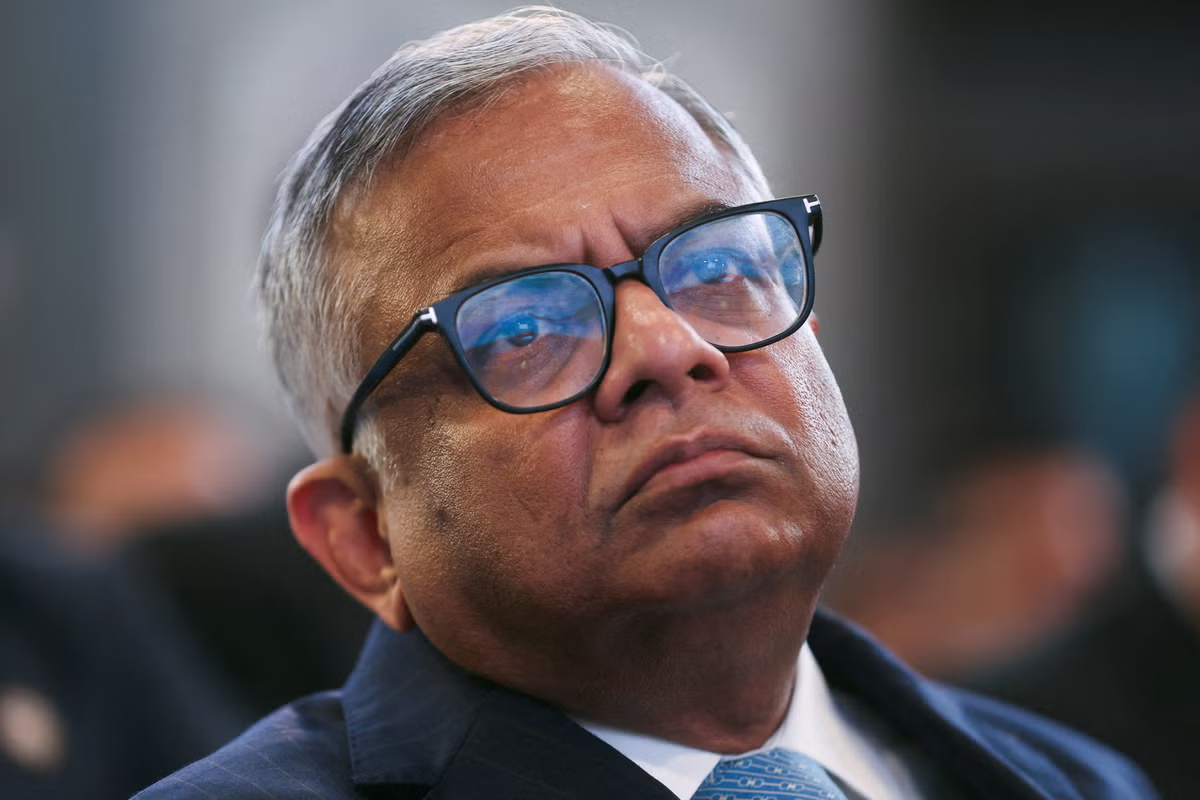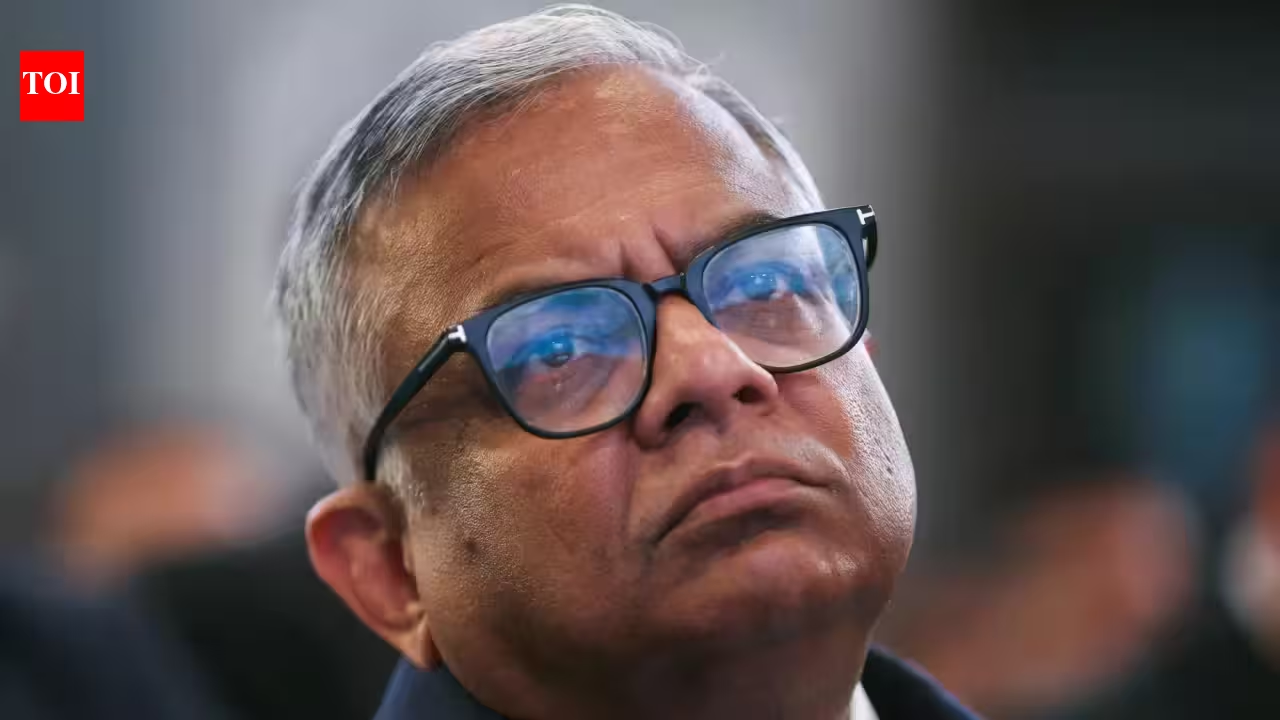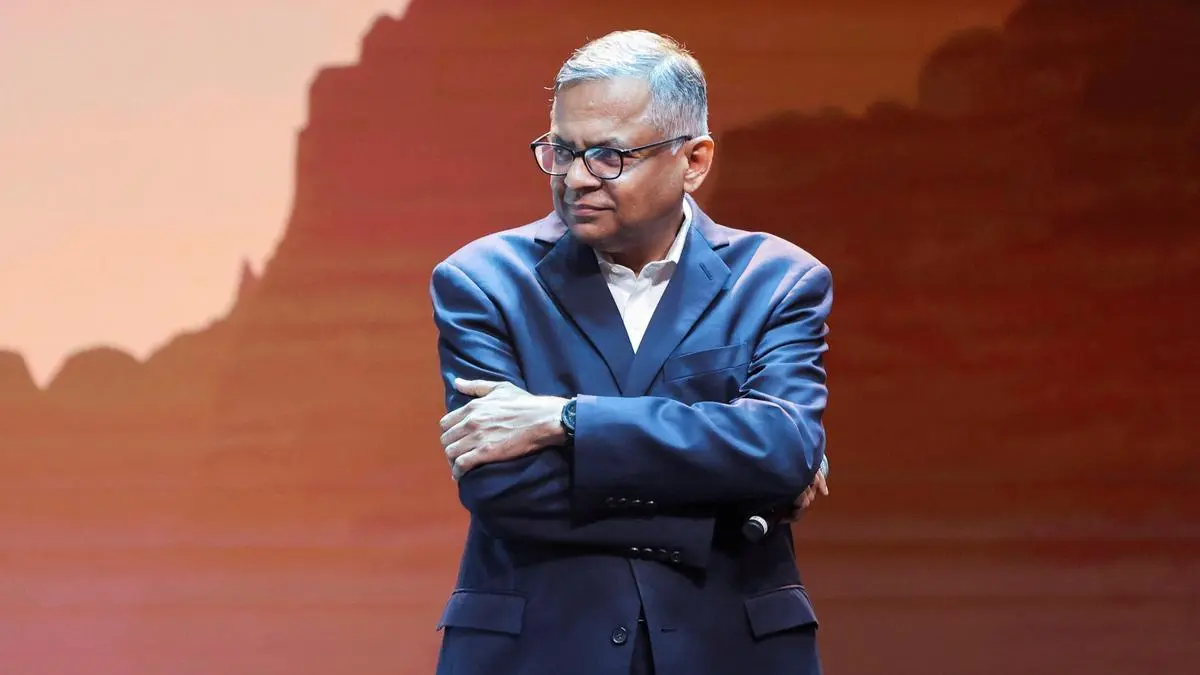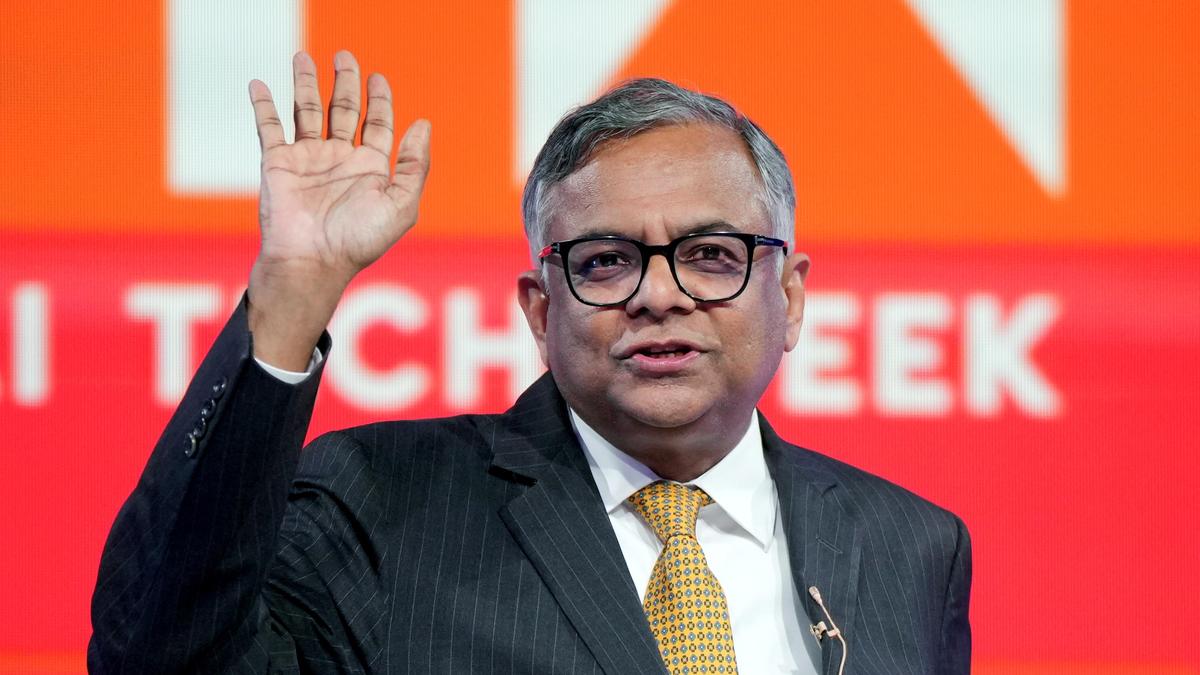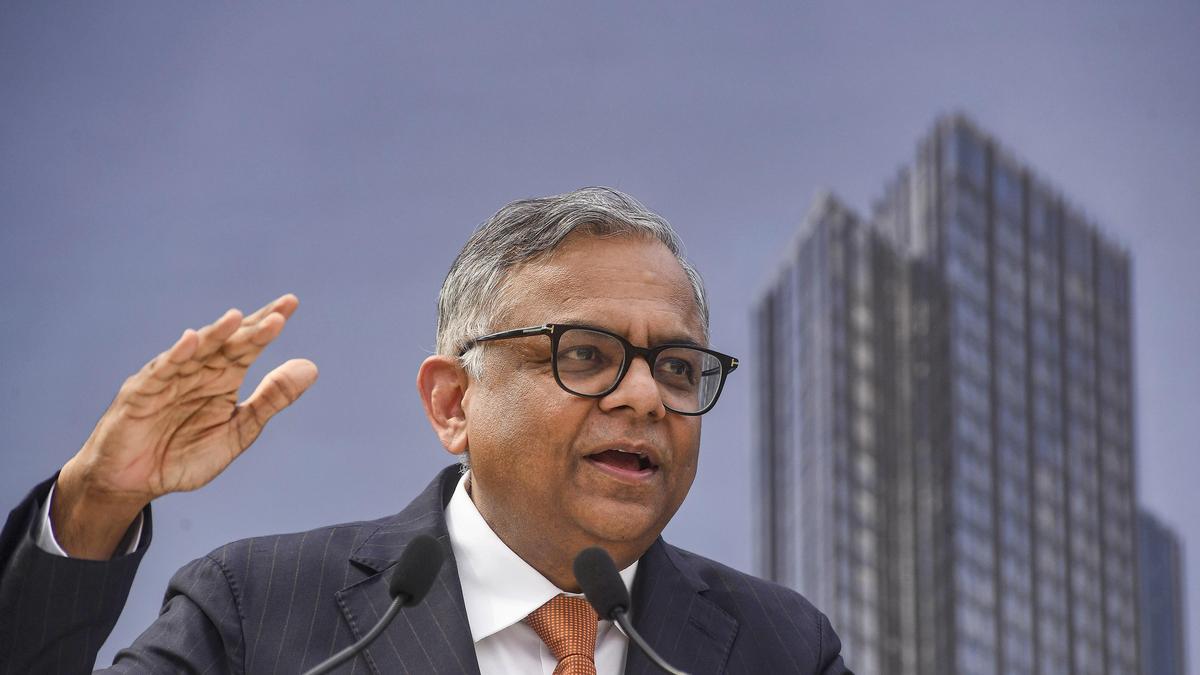
**EDS: FILE IMAGE** N Chandrasekaran
| Photo Credit:
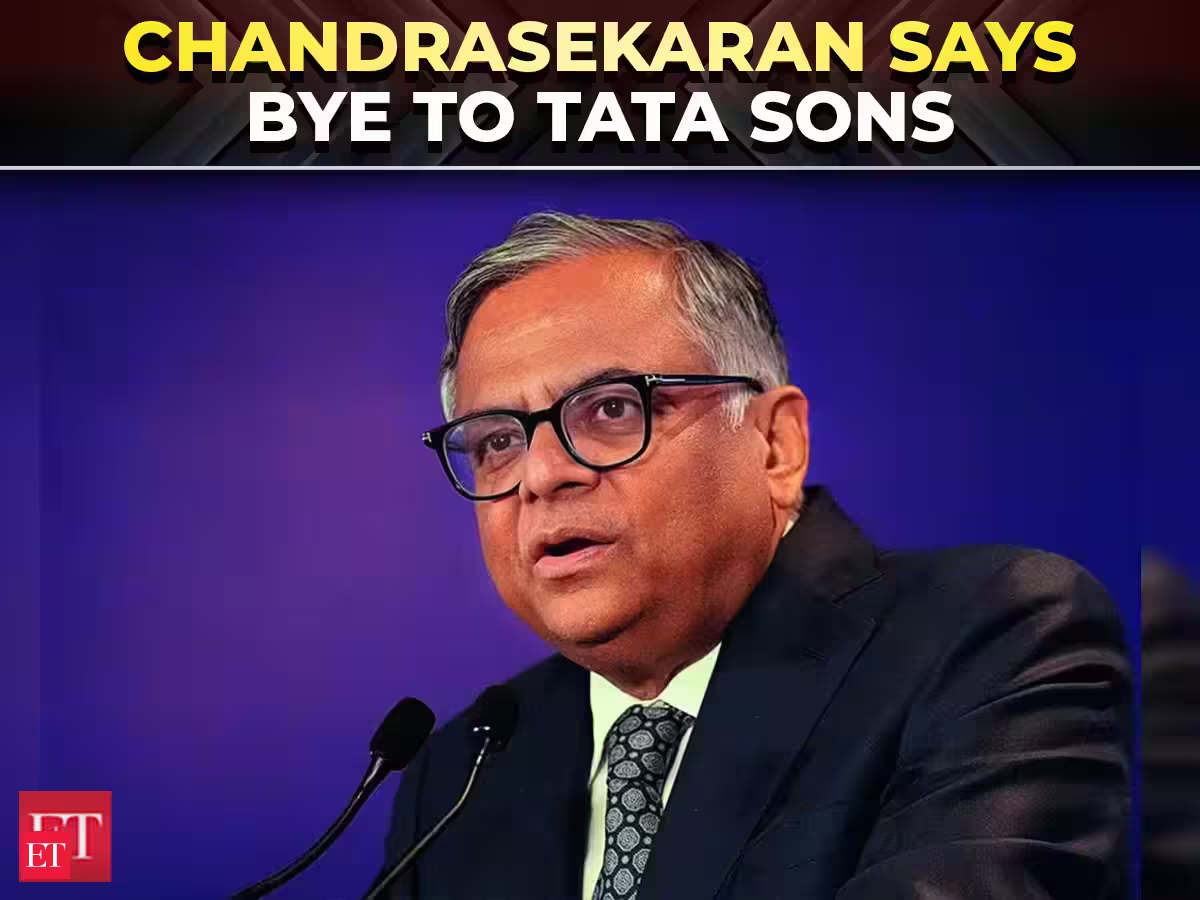
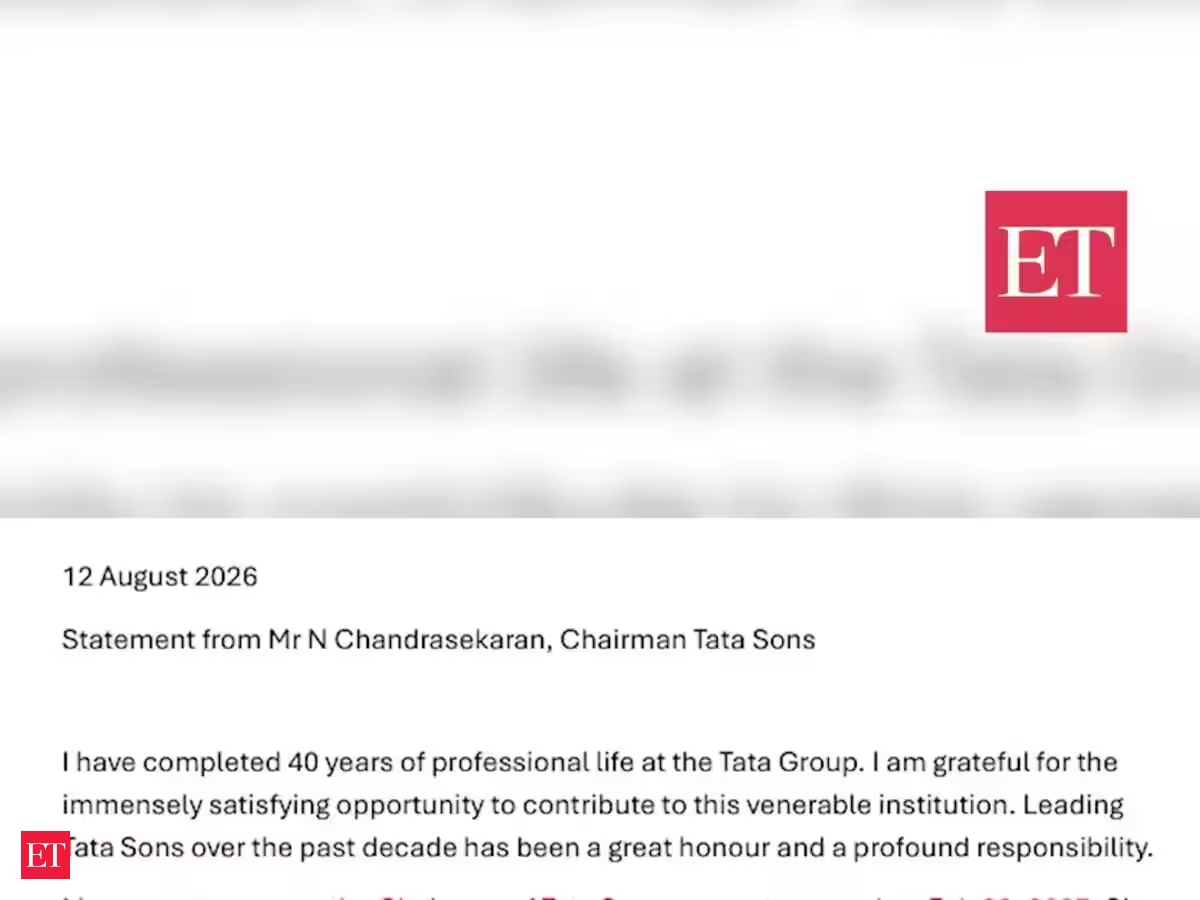
N Chandrasekaran’s decision not to seek another term as Tata Sons chairman has raised questions over how the Tata Group resolves differences at its apex, after his reappointment remained unresolved for six months amid differences between the board, leadership and the Tata Trusts.“Decision not to seek a third term appears to reflect a broader misalignment between sections of the Tata Sons board and the leadership team,” said Shriram Subramanian, founder and managing director of InGovern.“Whenever the incumbent chairman of a holding company exits amid visible differences over strategy or tenure, investors naturally examine whether there is sufficient alignment between the promoters, the board and management. Transparency in succession and strategic direction becomes critical,” he said.Governance concernsThe issue brings in governance concerns because Tata Trusts hold approximately 66 percent of Tata Sons, giving them controlling shareholder influence over the holding company. Tata Sons, in turn, holds substantial interests in major operating companies, which are separate legal entities with their own boards, shareholders and statutory responsibilities.“The concern is whether their influence extends beyond shareholder rights into informal control over commercial decisions or the boards of operating companies,” said Alay Razvi, managing partner at Accord Juris. “Ownership of Tata Sons does not make the trusts owners of the assets of every Tata company, nor does it permit them to bypass the independent boards of subsidiaries.”The latest episode also revives concerns raised during the then chairman Cyrus Mistry’s unceremonious exit in 2016. The two events are not identical, Mistry was removed by the board, while Chandrasekaran has decided not to seek reappointment, but both episodes expose the difficulty of balancing an independent professional chairman with the expectations of the controlling shareholder, legal experts said.“Repeated leadership disruption suggests that succession planning, allocation of authority and internal dispute-resolution mechanisms may not be sufficiently clear. The larger concern is whether decisions are institutional, transparent and properly documented, rather than driven by personalities or informal influence,” Razvi said.Tushar Kumar, advocate at Supreme Court of India, said, “Chandrasekaran’s case is particularly instructive: notwithstanding support for his continuation at several levels, the question of his reappointment remained unresolved for months. This does not, by itself, establish a failure of governance; it does, however, reveal the possibility of institutional paralysis where the expectations of controlling shareholders, the Board and individual directors cease to converge.”The next governance test will follow now, as the group navigates the succession, experts said. The group needs to decide who will lead Tata Sons after February 20, 2027, while providing clearer institutional mechanisms for resolving differences between its controlling shareholder, board and management.Published on August 12, 2026