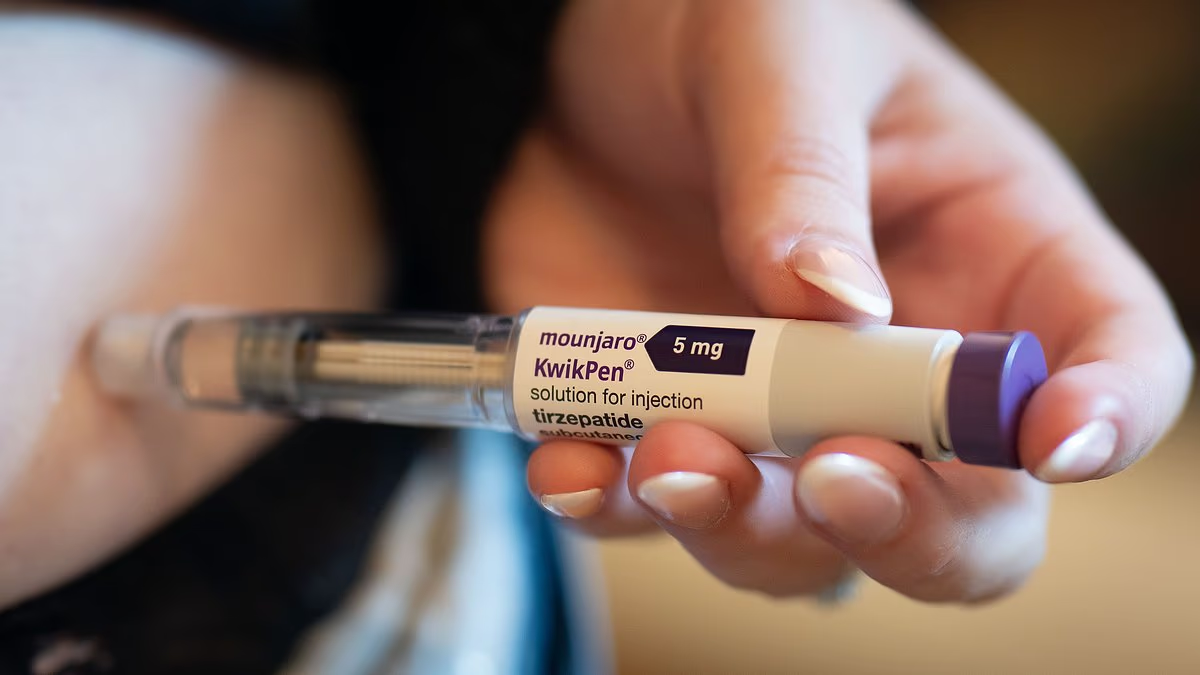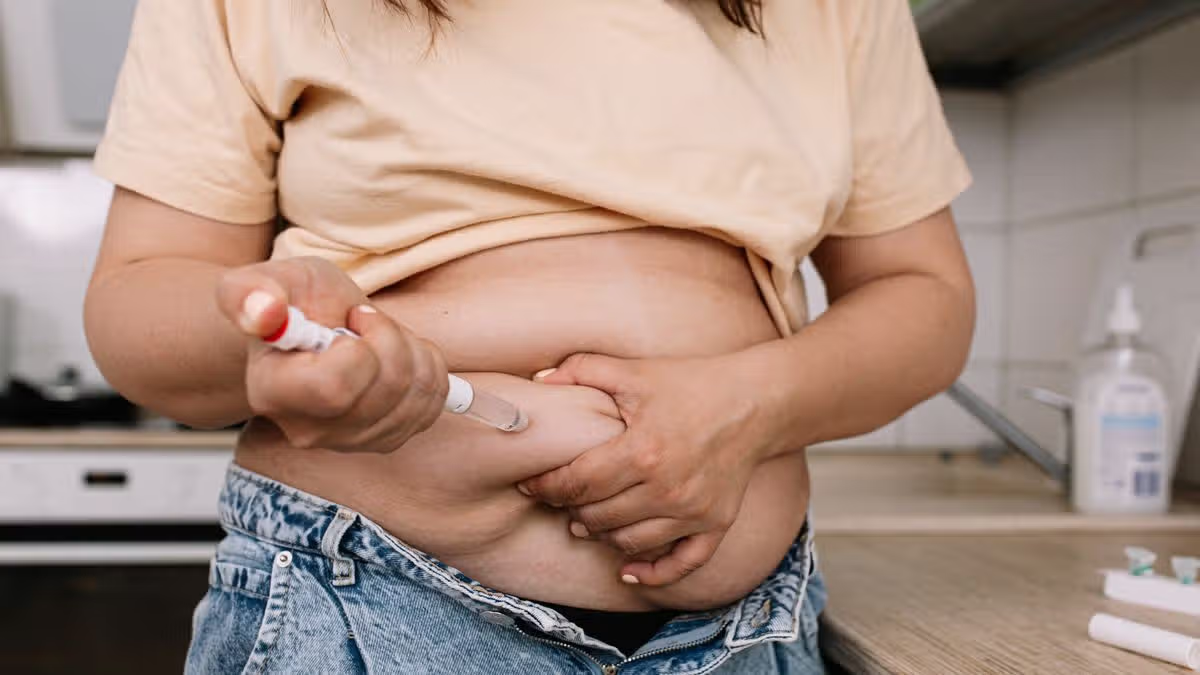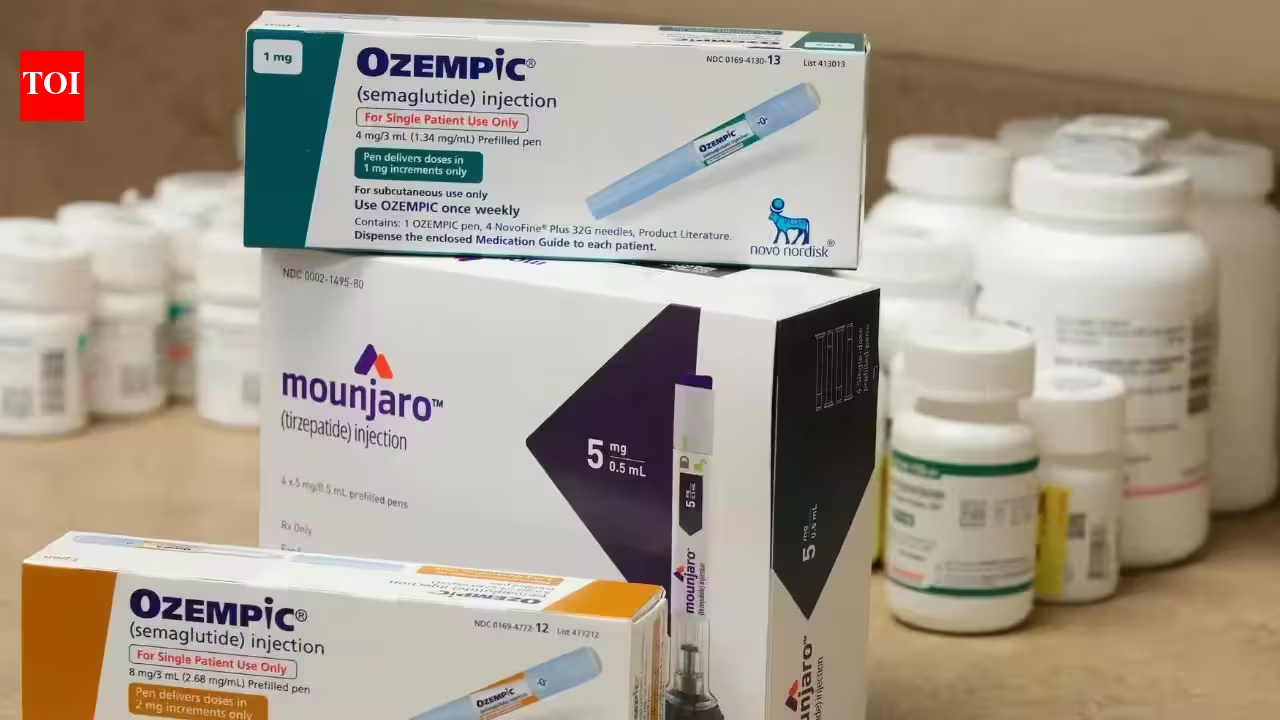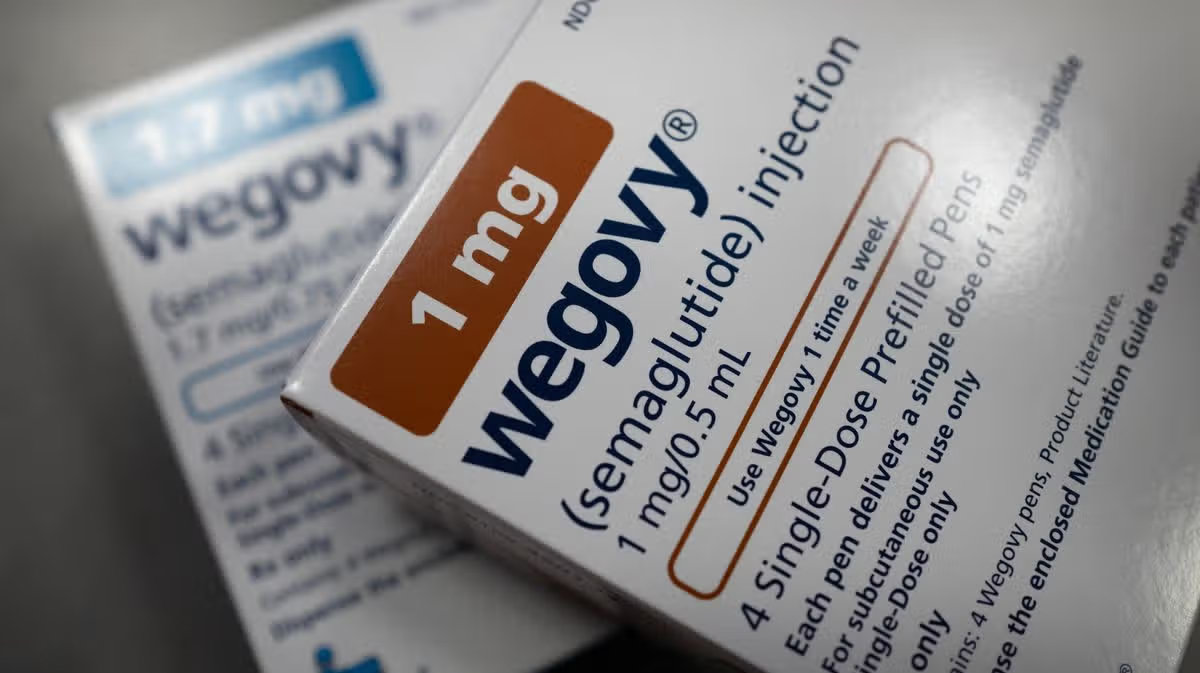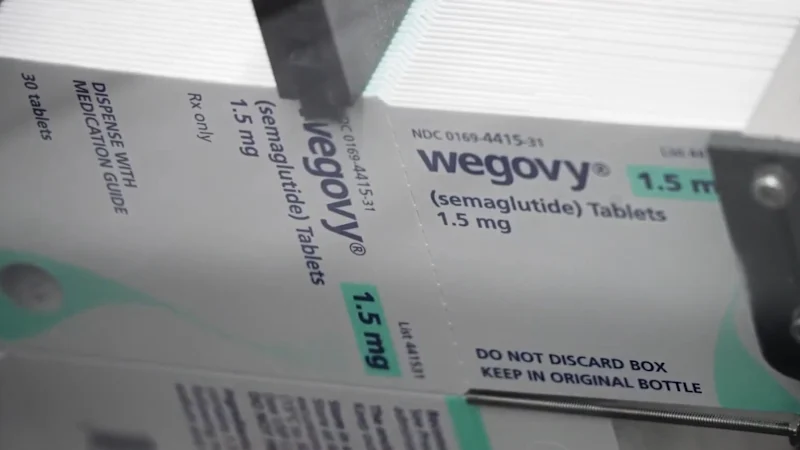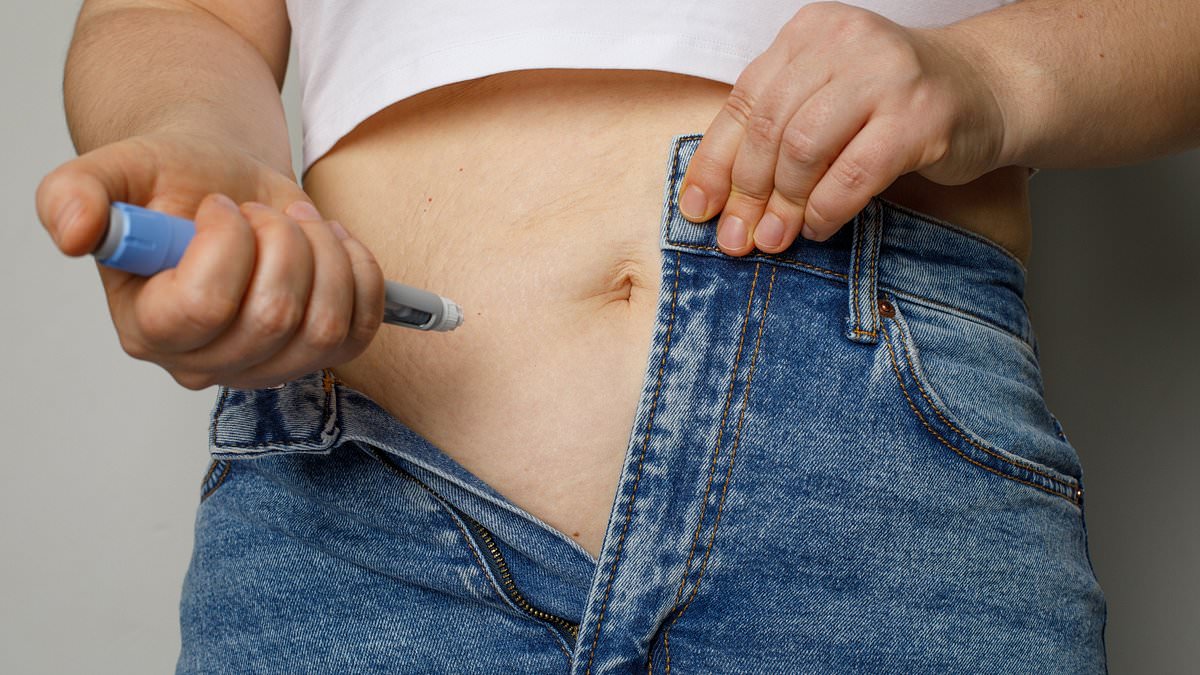
The shock death of a teenage London student is the latest fatality in the UK linked to weight loss jabs like Wegovy and Mounjaro.An inquest last week heard that Josephine Nasr suffered a deadly irregular heart rhythm in her dorm room at the University of East London, in September 2025 The 19-year-old, who was overweight but not obese, had been prescribed tirzepatide – the active ingredient in Mounjaro – in California, where she was born.The coroner offered a conclusion that, on the balance of probabilities, the prescribed tirzepatide caused low blood sugar, which led to her developing an electrolyte imbalance. Together with an underlying heart condition myocardial bridging, this is believed to have triggered an abnormal heart rhythm, cardiac arrhythmia, that ultimately resulted in her death. It comes less than a week after a Daily Mail analysis found that weight-loss jabs have been linked to at least 216 deaths in Britain, 120 of whom had used tirzepatide.The alarming reports may fuel concern among the estimated 2.5million Britons who use the jabs, known medically as GLP-1 agonists. But just how risky are they? An empty vial of tirzepatide was discovered in Josephine Nasrdorm room, where she was found dead on September 23The injections have been associated with benefits beyond shedding fat – sometimes up to four stone in a matter of months – including protecting against disease, diabetes, dementia and cancer. But they also come with some serious side effects.The Medicines and Healthcare products Regulatory Agency (MHRA) says common complications of taking GLP-1s include nausea, vomiting, diarrhoea and constipation.While severe dehydration, related to vomiting, and allergic reactions can be very dangerous, another extreme side effect is severe acute pancreatitis, which can be deadly.When the Daily Mail analysed reports made to the MHRA's Yellow Card scheme – the UK's system for tracking suspected adverse drug reactions – most of the 18,000 serious or fatal reactions linked to GLP-1s affected the gastrointestinal system, which includes acute pancreatitis.It is unclear how many Yellow Card reports related specifically to pancreatitis, and previous studies – including one in 2025 – found that GLP-1 patients did not face a higher risk of developing it. However, the MHRA updated its guidance in January relating to GLP-1 drugs to 'highlight the potential risk of severe acute pancreatitis with these products'. Acute pancreatitis – when the pancreas suddenly becomes swollen and painful – is a rare but known complication of taking GLP-1s.The patient information leaflet for popular jabs like Wegovy, Ozempic and Mounjaro includes a warning that acute pancreatitis may affect up to one in 100 patients.The MHRA said that there was a 'small risk' of GLP-1 users developing severe acute pancreatitis, which can trigger life-threatening complications like multiple organ failure.MHRA officials said they received 1,296 reports of pancreatitis, including acute, autoimmune, chronic, haemorrhagic, necrotising, subacute and obstructive forms, from 2007 to October 2025.And 19 of those reports resulted in deaths, they said, which is around 1.5 per cent.Twenty-four of the reports were classed as necrotising pancreatitis, which is a severe and life-threatening form where tissue in the pancreas and surrounding areas dies. The MHRA stressed that these reports were made while 25.4 million packs of GLP-1 drugs were dispensed, showing that the risk remains small.But the health chiefs said professionals should be 'alert to the risk of acute pancreatitis' for patients taking GLP-1s.In their announcement, the body also said all GLP-1 patient information leaflets would be updated to 'highlight reports of necrotising pancreatitis and reports with a fatal outcome'.It urged any patients with severe symptoms – which include sudden and intense stomach pain, as well as having a high temperature and feeling sick – to seek urgent medical care.
What's the risk of dying from using weight loss jabs?
The death of a teenager in London linked to a weight-loss drug comes amid continued discussion on their potentially dangerous side effects.
1,460 words~7 min read