Giacomo Zucco, director of Plan B Network, said on The Block’s The Starting Block podcast that the failed BIP-110 Bitcoin fork offered an "educational" lesson in how difficult it would be to recreate Bitcoin from scratch today, arguing that the conditions around the network's early development would be almost impossible to replicate.
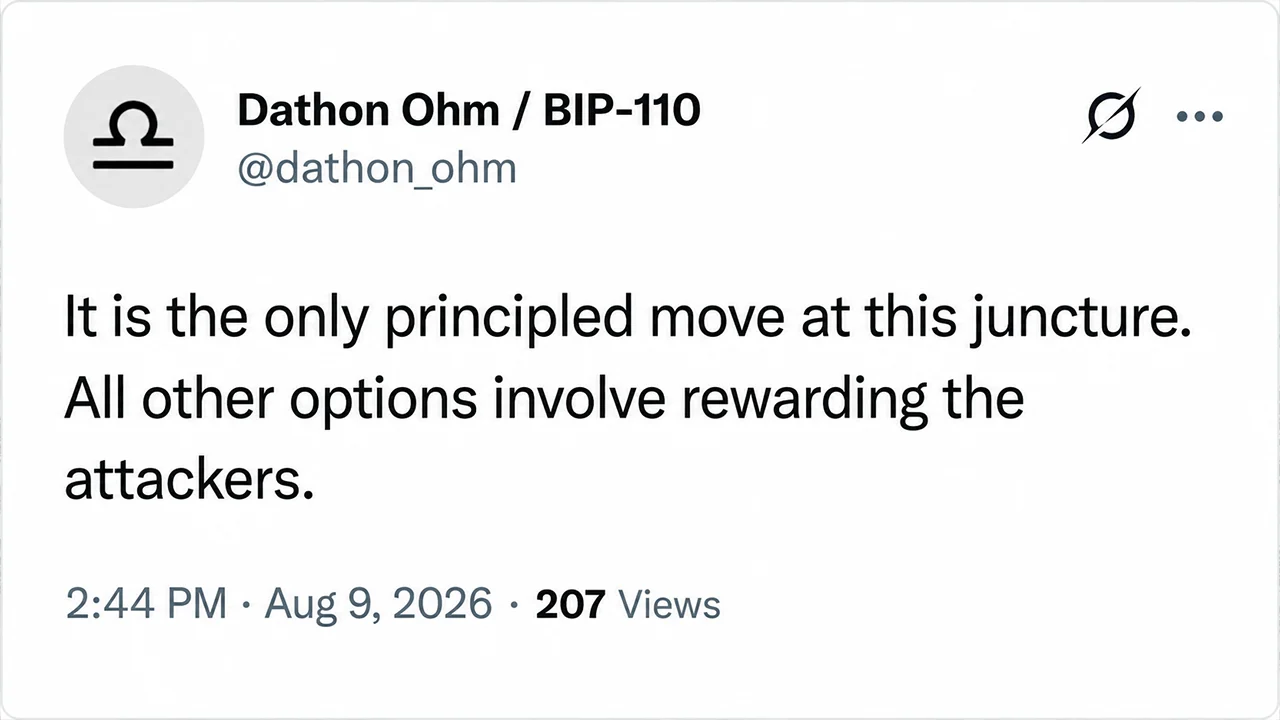
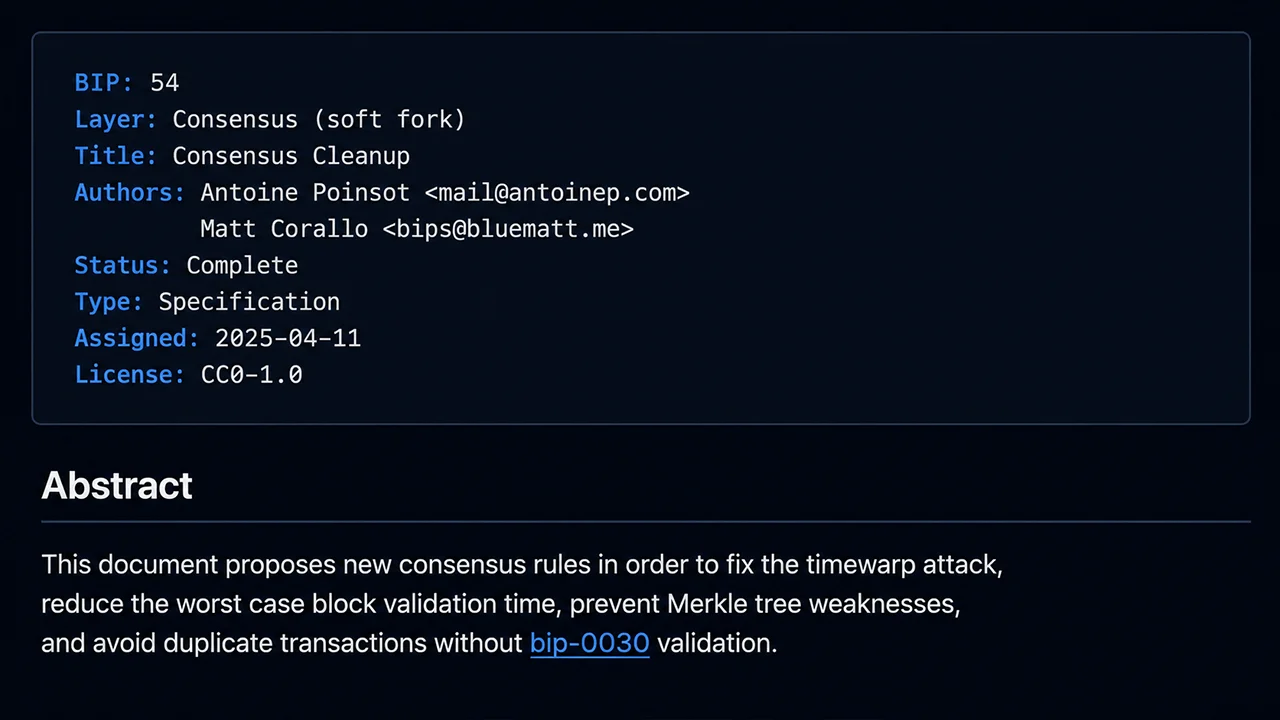
BIP-110, championed by longtime Bitcoin developer Luke Dashjr, looked to change Bitcoin's consensus rules to curb what supporters considered spam on the network.
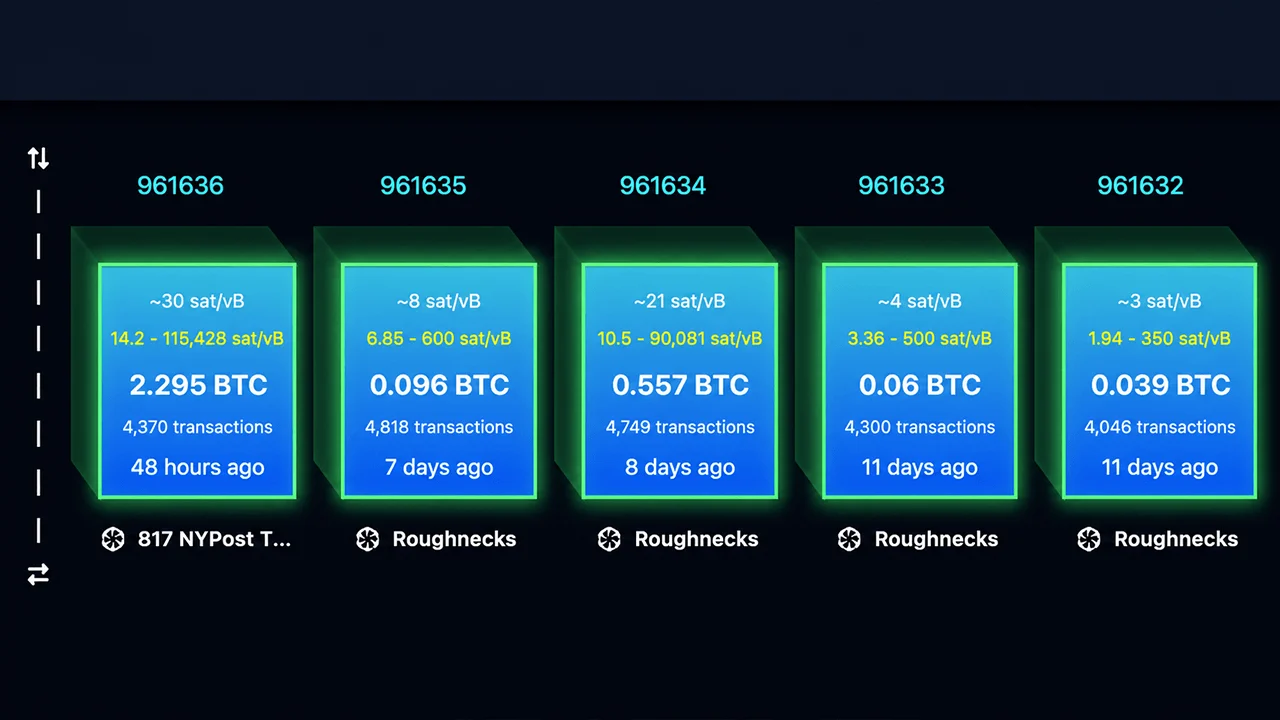
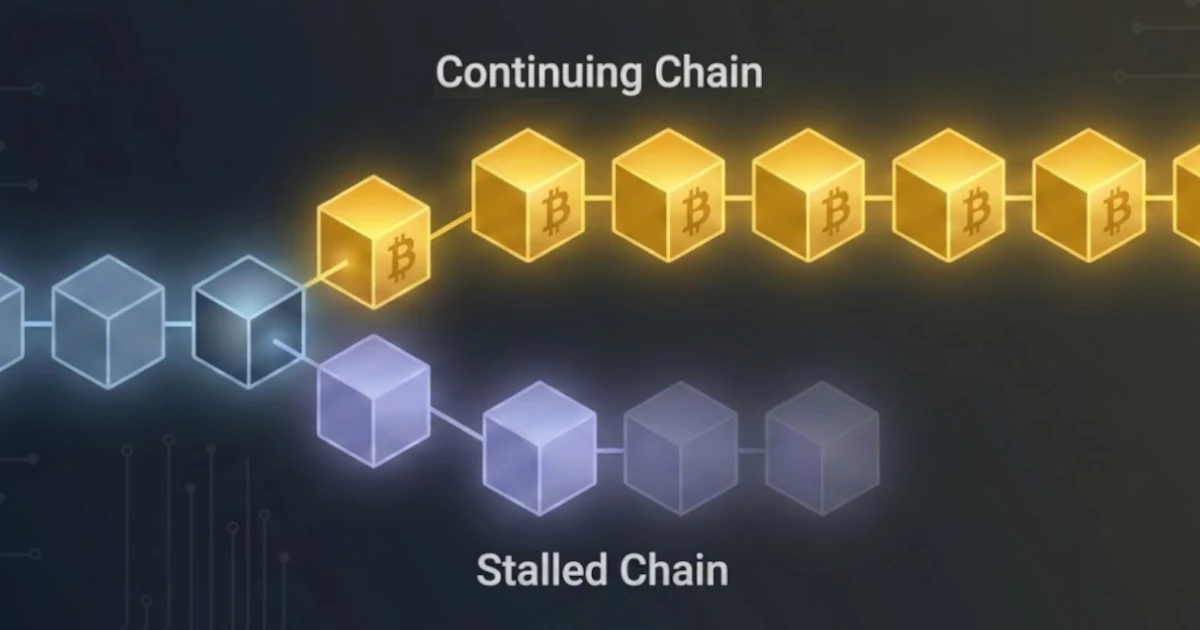
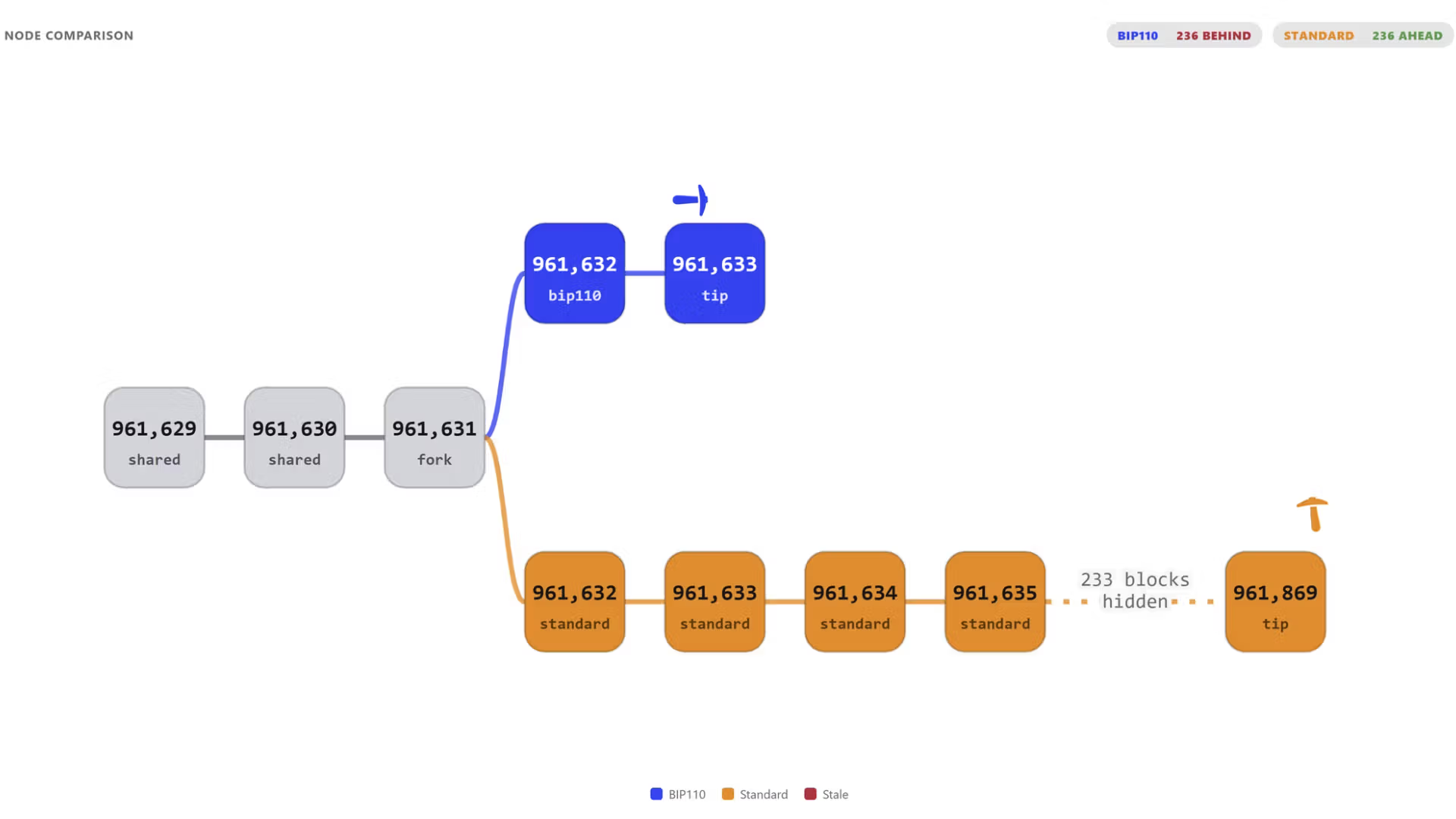
However, the proposal failed to garner much support, with nodes running BIP-110 splitting from the main Bitcoin network over the weekend and creating a separate blockchain with a small fraction of its hash power. The breakaway chain initially stalled after two blocks, though Zucco noted it had since sputtered back to life, reaching four blocks by the time of the interview.
Dashjr, one of Bitcoin Core's earliest contributors, has continued to try to keep the fork alive, including trying to change its proof-of-work algorithm. Zucco said those efforts show how launching a new network under today's conditions is fundamentally different from Bitcoin's beginnings.
According to Zucco, Dashjr tried to randomly select a new PoW algorithm from "one of several algorithms" for the BIP-110 Bitcoin fork by using the last character of the next Testnet4 block hash. But when participants began generating additional testnet blocks to interfere with the selection, it forced Dashjr to call it off and restart it, he said.