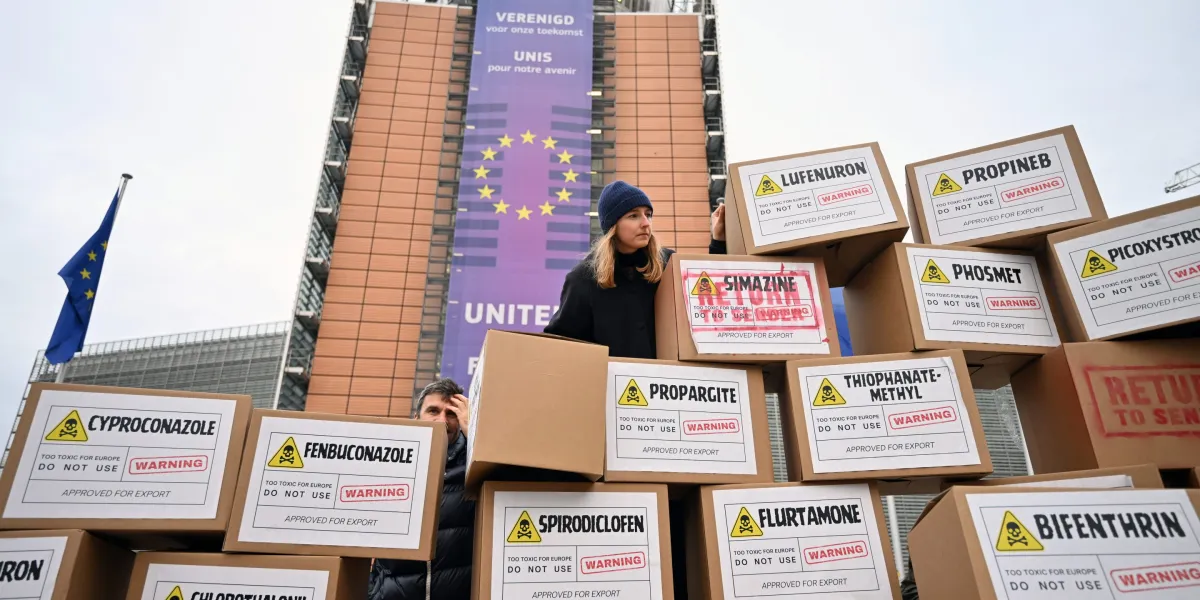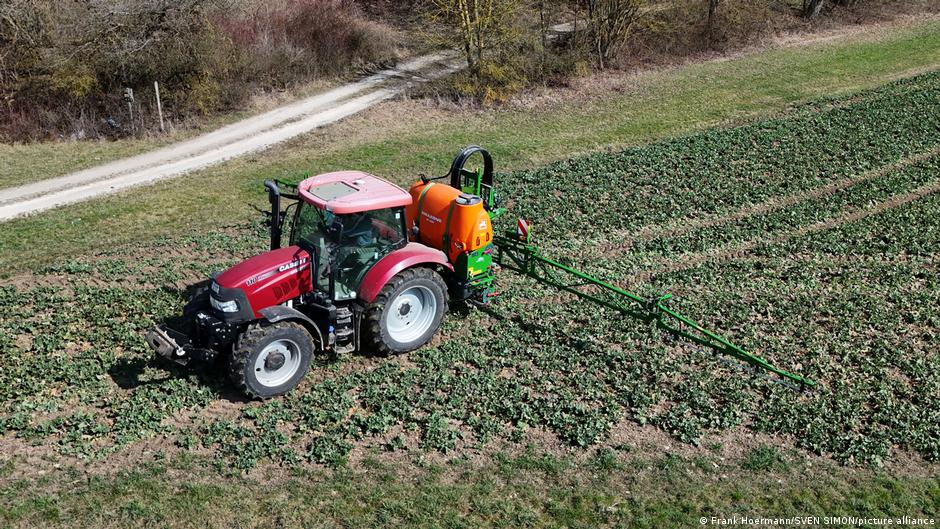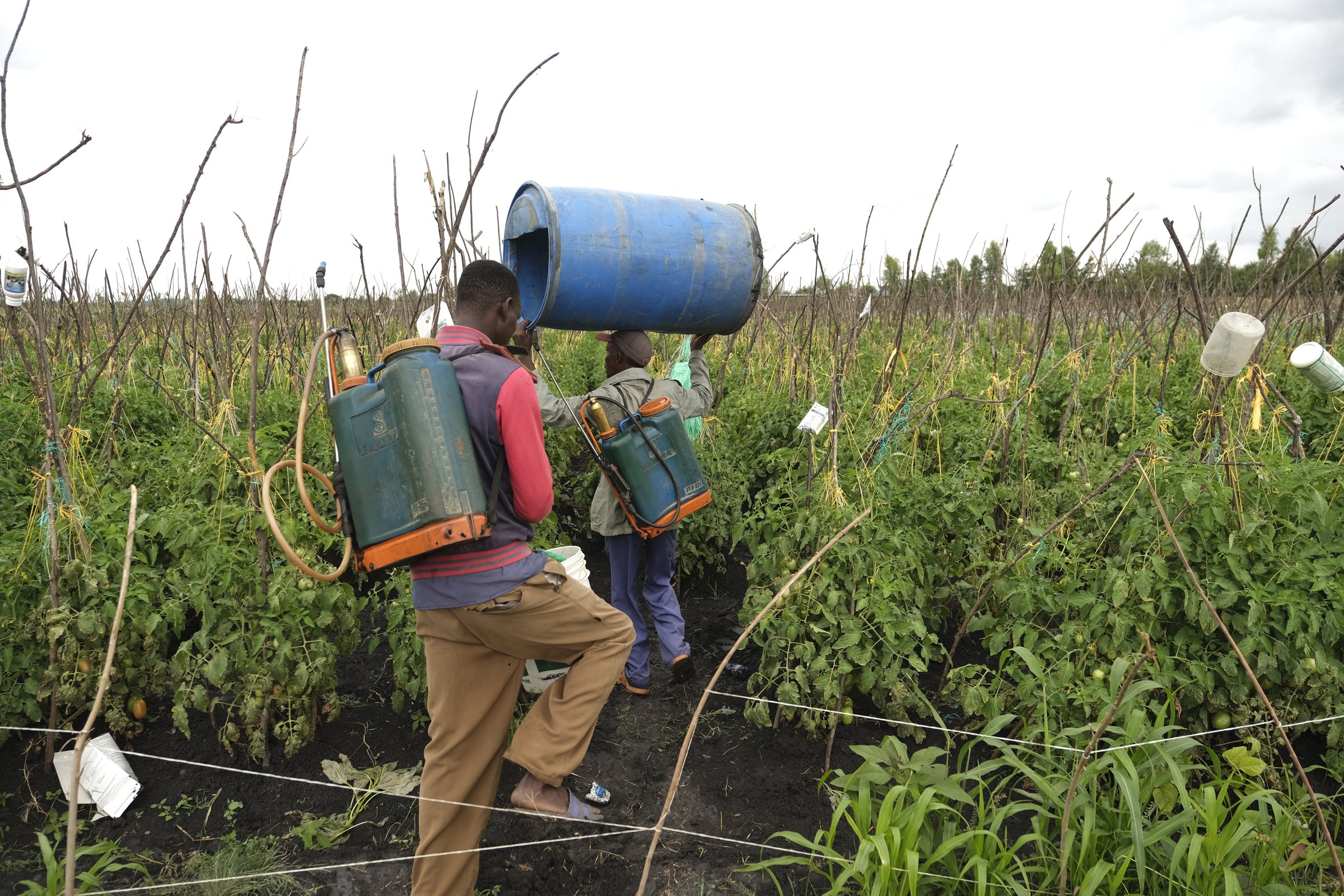
The EU plans to liberalise rules on pesticides used by European farmers, while simultaneously tightening controls on those contained in imports to the bloc, which could drive a major spike in prices.
That was the conclusion of a study published on Tuesday (11 August) by the EU’s Joint Research Centre, the commission’s in-house think-tank.
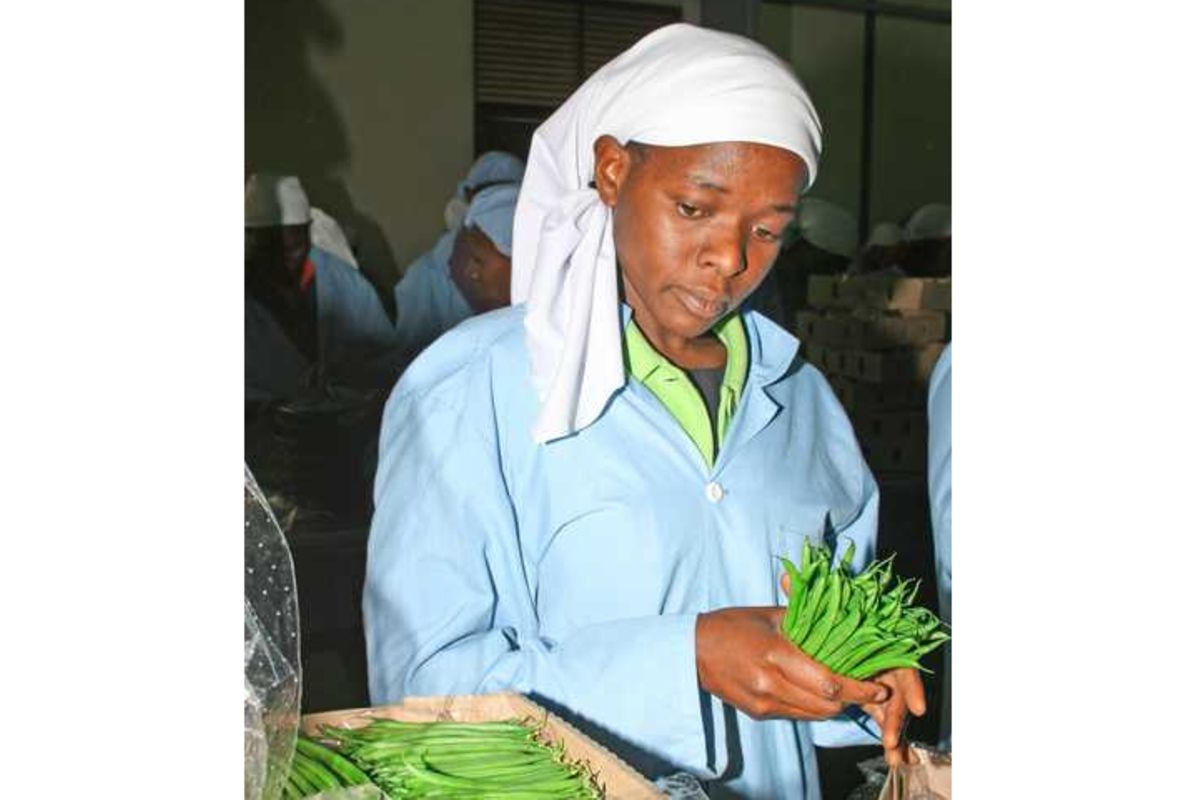
It found that lowering maximum residue levels (MRLs) for imported food and feed to the limit of quantification (LOQ) for the most hazardous pesticides banned in the EU could lead to a 41 percent drop in agricultural imports and higher consumer prices across the bloc.
The study identified 18 most hazardous active substances not approved in the EU, with MRLs above the LOQ affecting 235 commodities and 86 exporting countries.
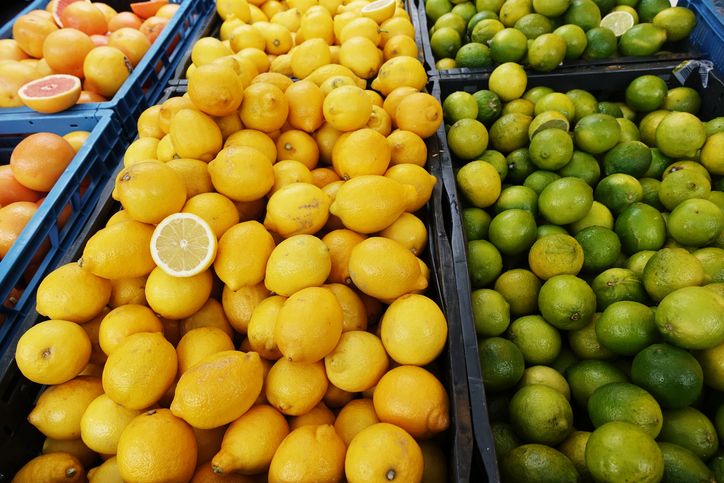
Under a worst-case scenario, EU consumers would be facing a 332 percent increase in coffee prices and 82 percent for citrus fruit, according to the JRC research.