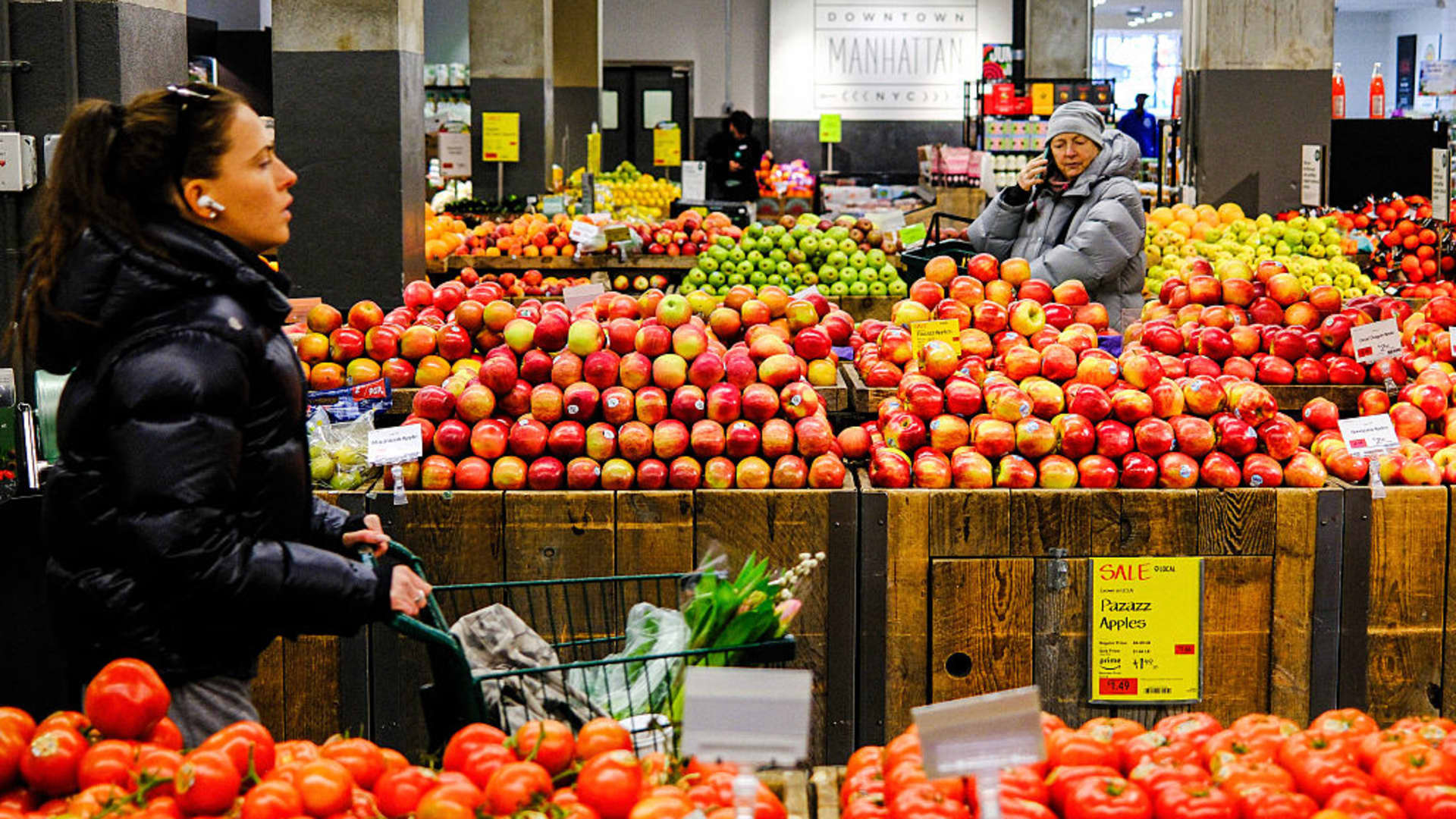
After months of sitting still or sliding backward, core goods prices finally twitched. The Bureau of Labor Statistics reported that core goods prices climbed 0.2% month-over-month in July 2026, the most meaningful increase in that category since September 2025. For a data point that had been flatlining, even a small move carries weight.
The number landed within the broader July Consumer Price Index release on August 12. Core CPI, which strips out food and energy to get a cleaner read on underlying inflation, also rose 0.2% on the month and came in at 2.5% year-over-year. Both figures matched pre-release forecasts, which means this was more confirmation than shock.
What changed, and why it matters
To appreciate the 0.2% core goods reading, you need context on what came before it. In May and June 2026, core goods prices were either flat or negative, printing around -0.1% month-over-month. That softening trend had fueled a narrative that goods-side disinflation was firmly entrenched, giving the Federal Reserve one less thing to worry about.
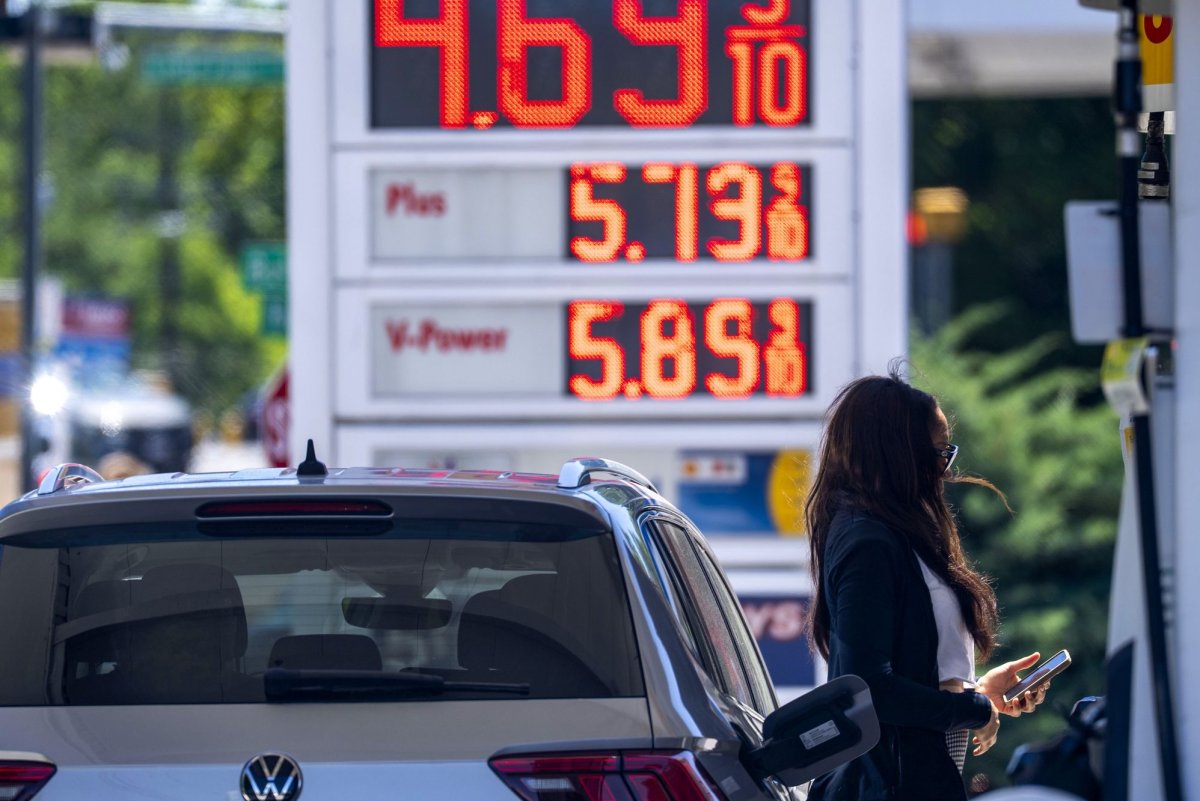
Meanwhile, headline CPI told a calmer story, rising just 0.1% on the month. The gap between core and headline inflation came down to energy prices, which continued their decline and acted as a drag on the broader index. Falling gas and electricity costs effectively subsidized the rest of the basket, keeping the top-line number muted even as goods prices firmed up underneath.