Soon after Iranian negotiators reached a Memorandum of Understanding (MoU) with the United States in late June to end months of hostilities, Iran's Supreme National Security Council (SNSC) issued a statement endorsing the agreement.
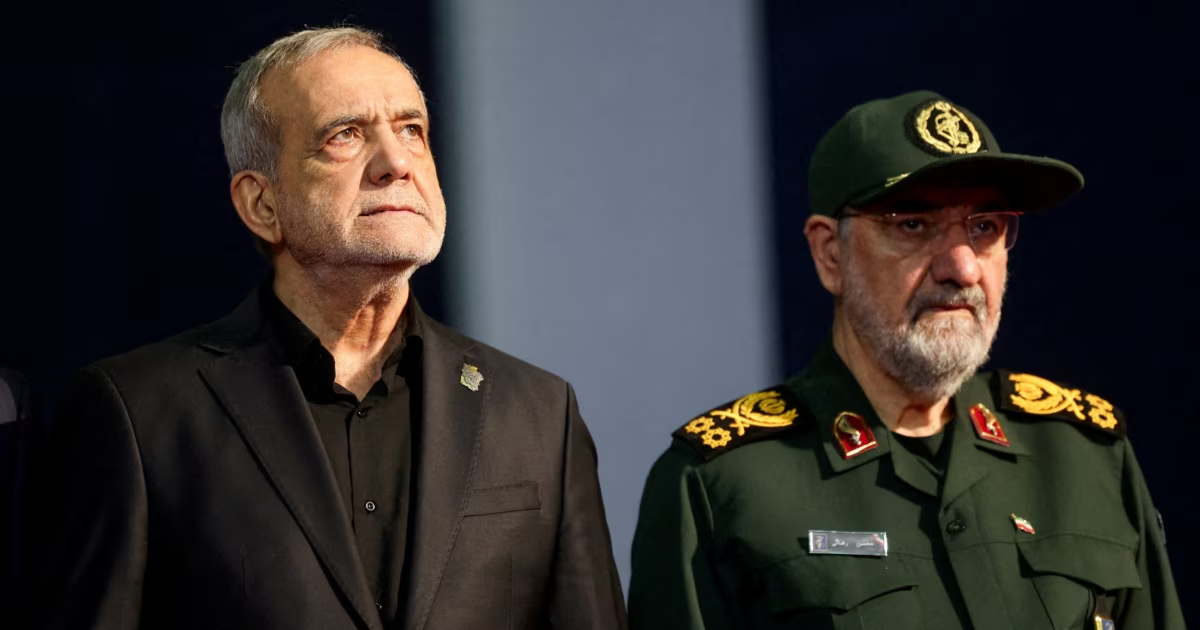
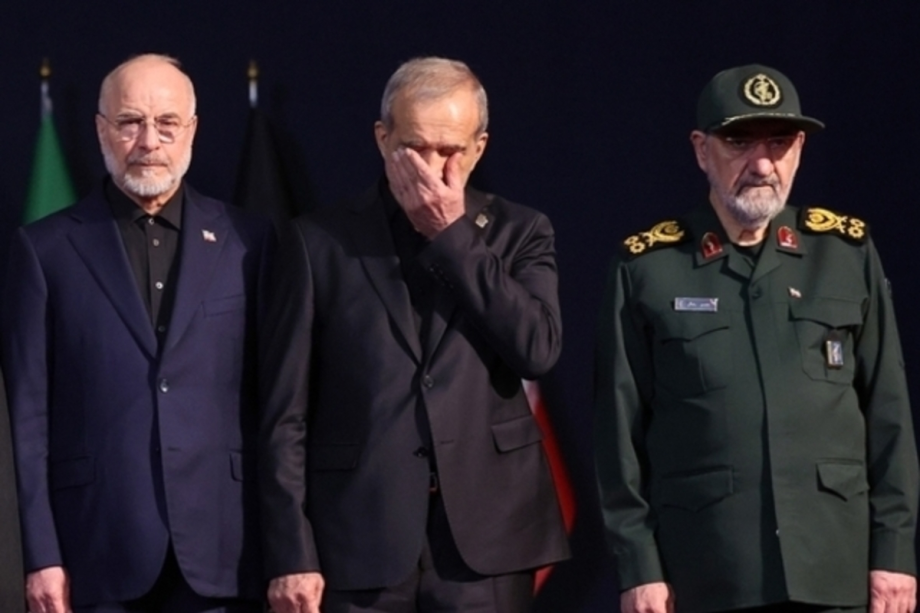
The statement was signed by Mohammad Bagher Zolghadr, a former hardline Islamic Revolutionary Guard Corps (IRGC) general who had replaced the slain Ali Larijani, a prominent moderate figure who had supported a deal with Washington and was killed in a US-Israeli strike on 17 March.
In Iran, the SNSC secretary, who is appointed by the president, does not have a vote on the council. However, Zolghadr was also appointed simultaneously as the supreme leader’s representative on the council, a position that gives him voting authority.
Zolghadr’s endorsement caught ultraconservative principlists off guard. Apparently unprepared for his support of the agreement, they subsequently launched repeated verbal attacks against him, including spreading claims that his son lives in Austria.
A few days after the SNSC statement, Mojtaba Khamenei, Iran’s new supreme leader, issued his own statement, making clear that he was “in principle” opposed to the agreement while emphasising that responsibility for the decision should rest with those who negotiated it.