READ MORE: Dating apps keep singles swiping rather than finding 'The One'See more Daily Mail on Google - save us as a Preferred SourceBy SHIVALI BEST, SCIENCE & TECHNOLOGY EDITOR Published: 13:42 BST, 12 August 2026 | Updated: 13:45 BST, 12 August 2026
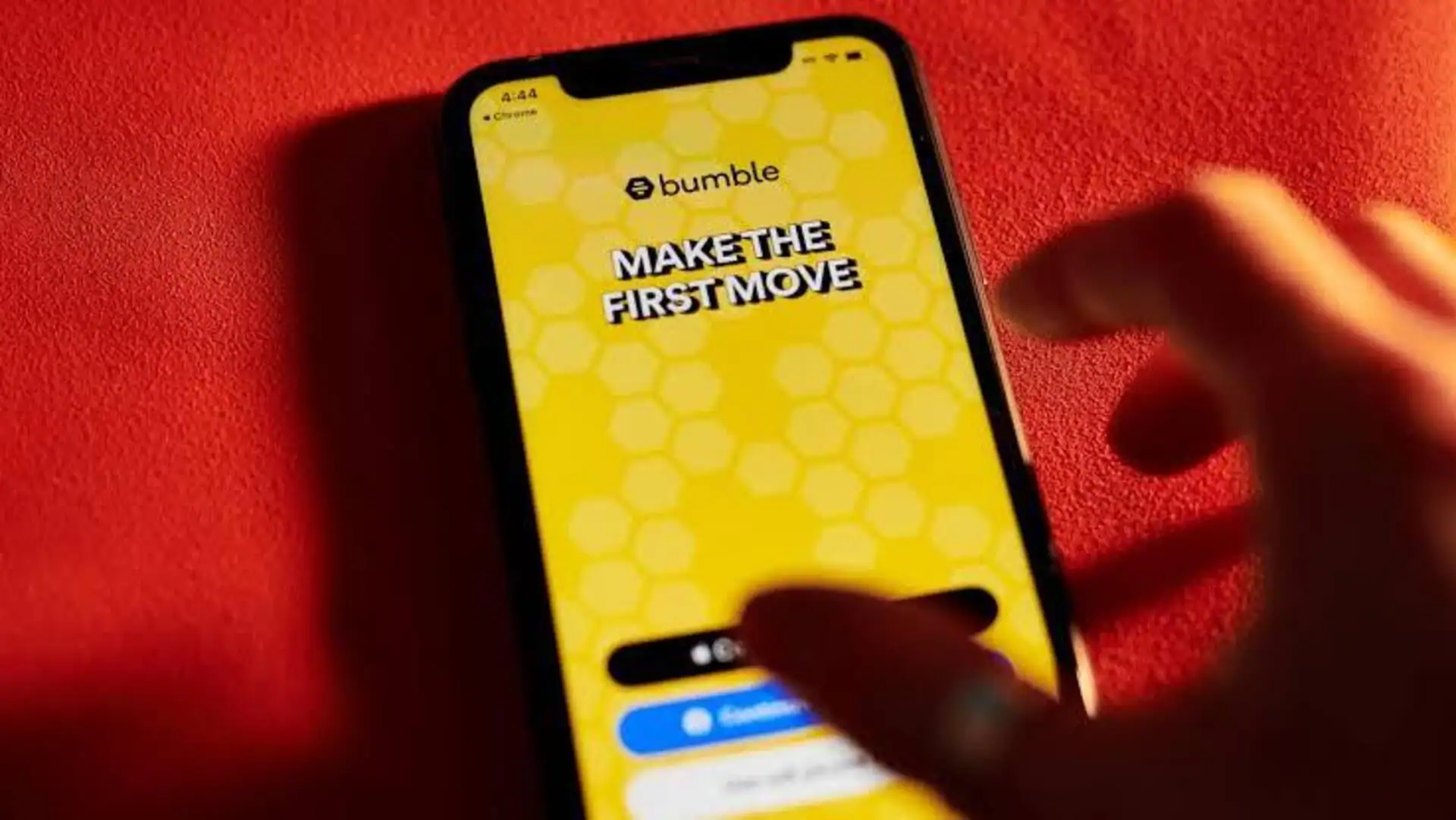
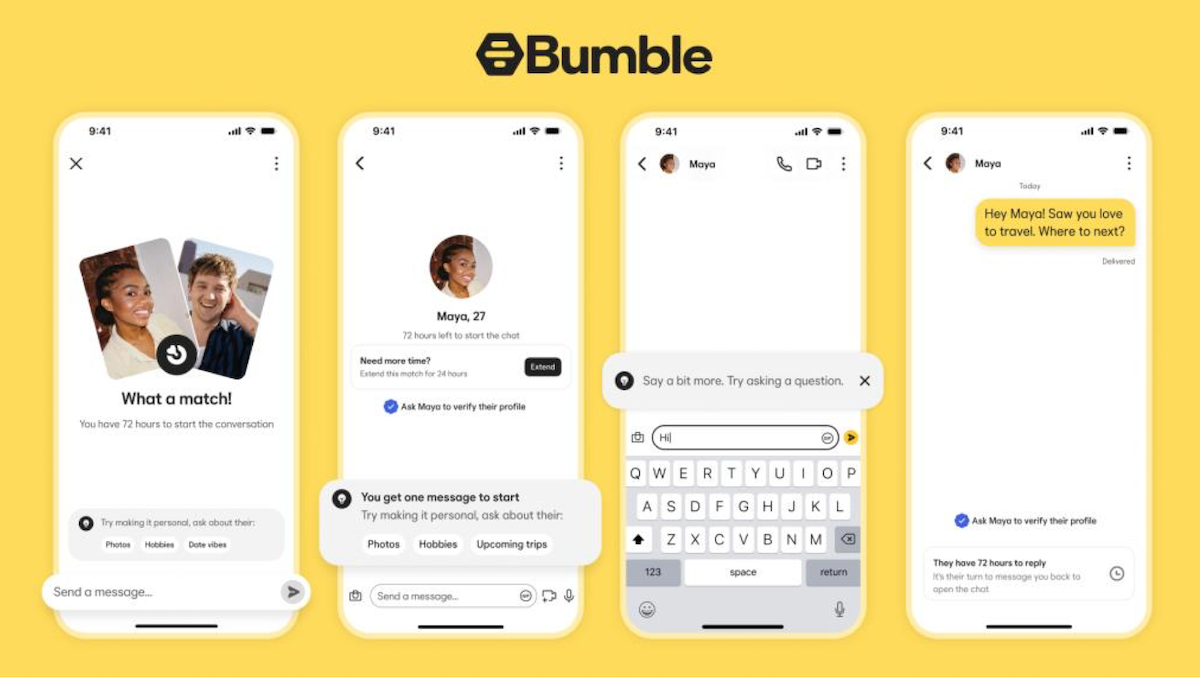
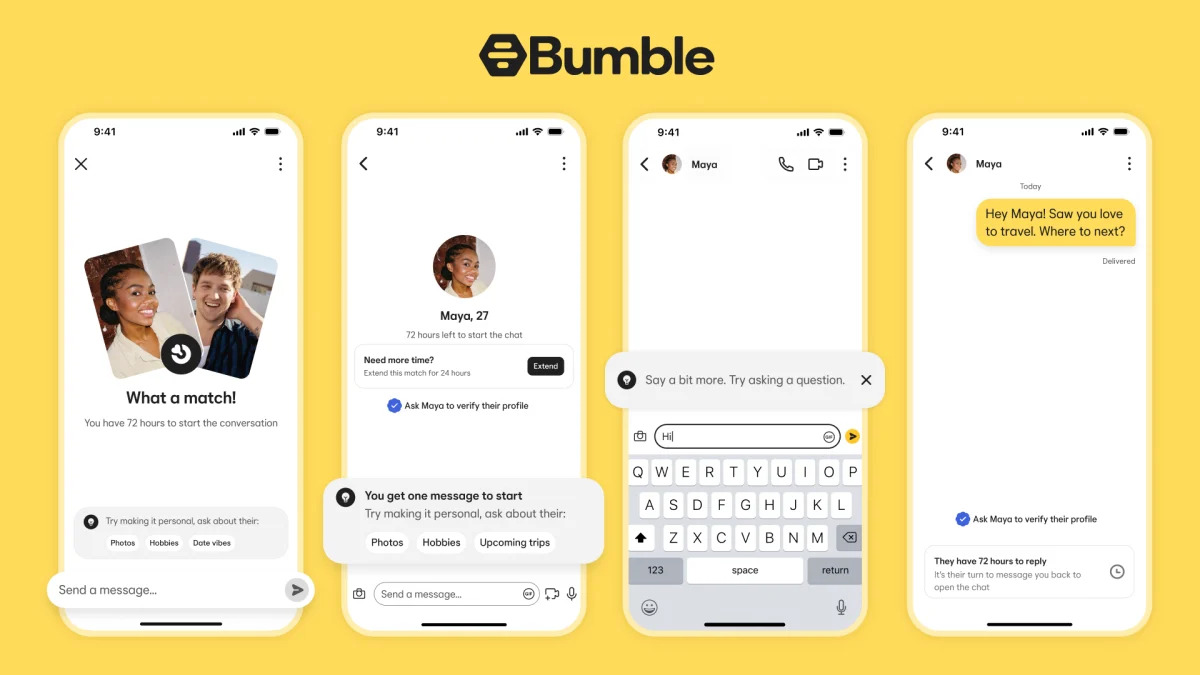
Bumble has enraged its users after announcing a dramatic U–turn on its women–first rule. The app shot to fame more than a decade ago thanks to its new approach to dating, which meant that only women could message men first. However, in what it's describing as a 'global evolution', Bumble has announced that it now allows men to make the first move. 'We built Bumble around the belief that when you make dating better for women, you make it better for everyone and that remains true today,' said Whitney Wolfe Herd, founder and CEO of Bumble.'While women making the first move was a radical idea, being women–first was never about prescribing just one way to connect. 'It was about designing an experience with women's needs in mind to create better outcomes for everyone.'The change has left many users furious, with one claiming it 'defeats the entire point of the app.'Another vented: 'So the entire premise of the dating app has now been rendered moot... Making it Tinder 2.0.' Bumble has announced that it now allows men to make the first move Bumble was founded by Whitney Wolfe Herd in 2014, and quickly shot to fame thanks to its women–first messaging ruleBumble was founded by Ms Wolfe Herd in 2014, and quickly shot to fame thanks to its women–first messaging rule. At the time, Bumble claimed its app 'promotes a safe and respectful community' where 'you'll never get unwanted messages'. However, following a recent poll of its users, Bumble has decided to ditch the women–first rule. The poll found that 66 per cent of women prefer men to send the first message, with many claiming this makes dating feel less pressured. Now, anyone in a match – male or female – can send the first message, while recipients will also have 72 hours to respond, up from 24 hours. 'Today, our community is asking for more flexibility, less pressure, and more opportunities to create real, meaningful connections and that is what this new experience provides,' Ms Wolfe Herd explained. 'This evolution isn't a departure from our founding vision, but the realisation of it.' According to Bumble, initial tests with this new setup have been promising. Now, anyone in a match – male or female – can send the first message, while recipients will also have 72 hours to respond, up from 24 hoursHowever, based on the reaction across social media, it seems not everyone is on board. Many disgruntled users have compared Bumble to Tinder – the popular dating app where Ms Wolfe Herd previously worked. Taking to X, one user said: 'So Bumble just became regular Tinder with a yellow background? Defeats the entire point of the app.'Another added: 'This is so funny because this app was born to give women "power" because of Tinder. Now it has become Tinder.'And one wrote: 'They just ruined the only thing that made them different.'However, other users have welcomed the change. One said: 'If men making the first move increases match response rates by even 15%, it's a massive win for everyone on the app.'HOW DID ONLINE DATING BECOME SO POPULAR?The first ever incarnation of a dating app can be traced back to 1995 when Match.com was first launched.The website allowed single people to upload a profile, a picture and chat to people online.The app was intended to allow people looking for long-term relationships to meet.eHarmony was developed in 2000 and two years later Ashley Madison, a site dedicated to infidelity and cheating, was first launched.A plethora of other dating sites with a unique target demographic were set up in the next 10-15 years including: OKCupid (2004), Plenty of Fish (2006), Grindr (2009) and Happn (2013).In 2012, Tinder was launched and was the first 'swipe' based dating platform. After its initial launch it's usage snowballed and by March 2014 there were one billion matches a day, worldwide.In 2014, co-founder of Tinder, Whitney Wolfe Herd launched Bumble, a dating app that empowered women by only allowing females to send the first message.The popularity of mobile dating apps such as Tinder, Badoo and more recently Bumble is attributable to a growing amount of younger users with a busy schedule.In the 1990s, there was a stigma attached to online dating as it was considered a last-ditch and desperate attempt to find love.This belief has dissipated and now around one third of marriages are between couples who met online.A survey from 2014 found that 84 per cent of dating app users were using online dating services to look for a romantic relationship.Twenty-four per cent stated that that they used online dating apps explicitly for sexual encounters.