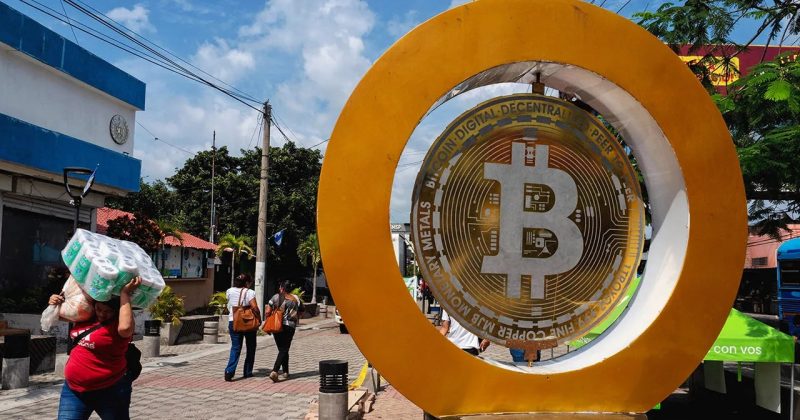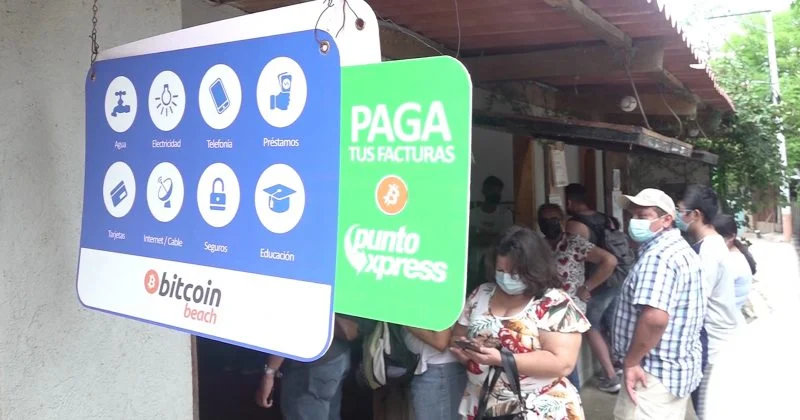
Five years ago, El Salvador became the first country on Earth to make Bitcoin legal tender. The Bitcoin Law took effect on September 7, 2021, requiring every merchant in the country to accept Bitcoin as payment. By early 2025, that mandate was gone, rolled back under pressure from the International Monetary Fund as a condition for securing a $1.4 billion Extended Fund Facility. Bitcoin didn’t get banned. It just got demoted from “must accept” to “can accept if you feel like it.”
The adoption gap
Crypto-settled remittances, the use case that was supposed to justify the entire experiment, accounted for just 0.7% of total remittance volume in the first half of 2026.
The government’s Chivo wallet, launched alongside the Bitcoin Law with a $30 Bitcoin bonus for every download, saw a predictable spike in adoption followed by an equally predictable decline. Independent assessments found minimal improvements in financial inclusion, which was the central selling point of the entire initiative.
What the government kept