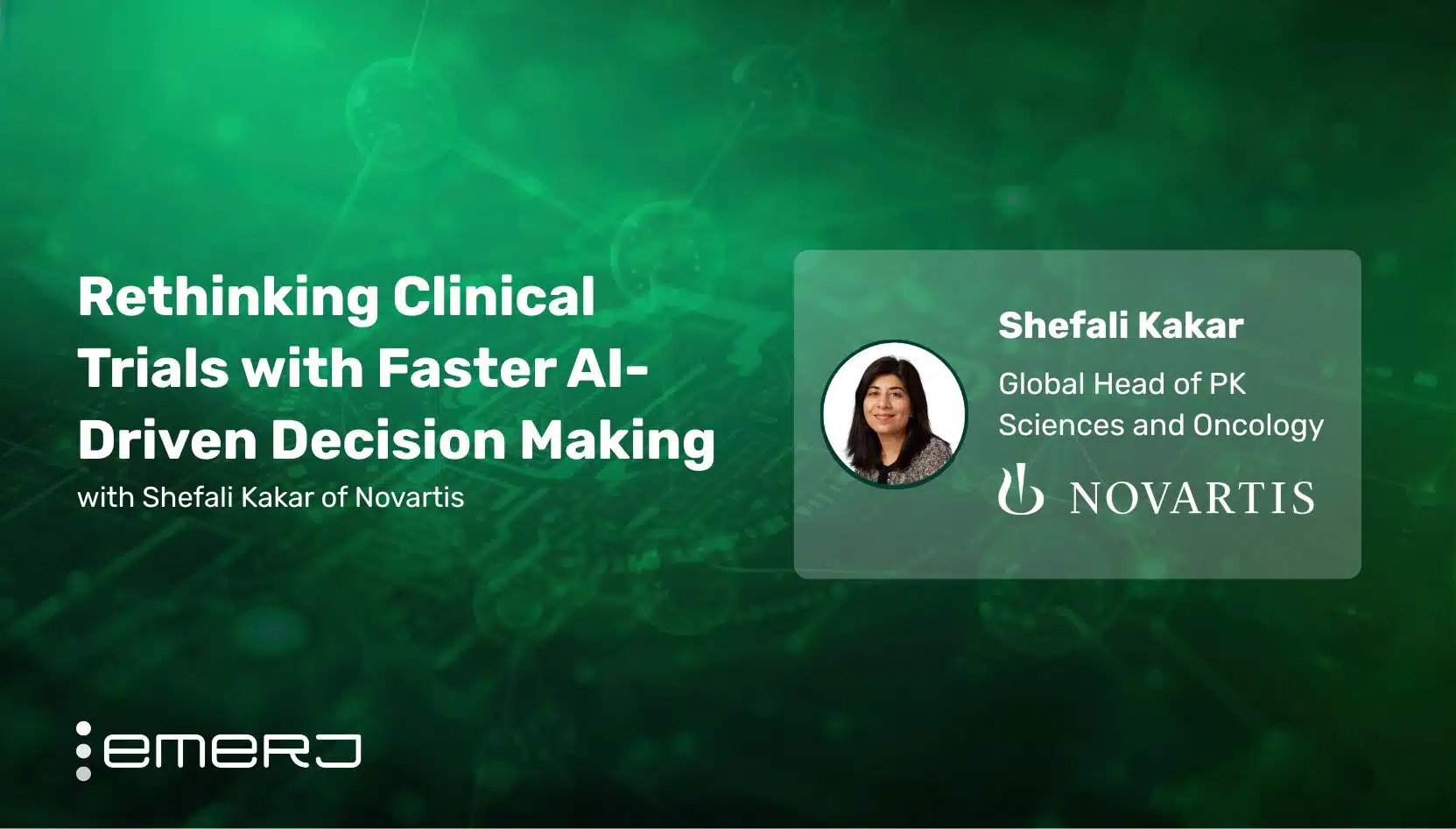
Manual feasibility assessments, disconnected data handoffs, and siloed teams do not just delay study startup, they can trigger costly protocol amendments and put enrollment targets at risk. To move at the speed modern medicine demands, clinical operations teams need reliable intelligence embedded into existing workflows, supported by strong data, governance, and regulatory oversight.Join us for this valuable session to explore how advanced machine learning, predictive analytics, and emerging agentic workflows are changing decision-making from protocol design through study startup. The discussion will examine practical applications, implementation considerations, and the organizational changes required to move AI initiatives beyond isolated pilots.You’ll learn:How predictive AI and scenario modeling can optimize study design while protecting compliance and data integrity.Why standardized clinical and operational data are essential to producing reliable, actionable insights.Where early adopters are seeing the greatest impact and what they have learned about implementation and change management.How trial simulations, workflow automation, and virtual twins could influence the next generation of clinical trial execution.
How AI is Accelerating Clinical Decision-Making from Protocol Design Through Study Startup
Manual feasibility assessments, disconnected data handoffs, and siloed teams do not just delay study startup, they can trigger costly protocol amendments and put enrollment targets at risk. To move at the speed modern medicine demands, clinical operations teams need reliable intelligence embedded into existing workflows, supported by strong data, governance, and regulatory oversight. | Manual feasibility assessments, disconnected data handoffs, and siloed teams do not just delay study startup, they can trigger costly protocol amendments and put enrollment targets at risk.
315 words~1 min read