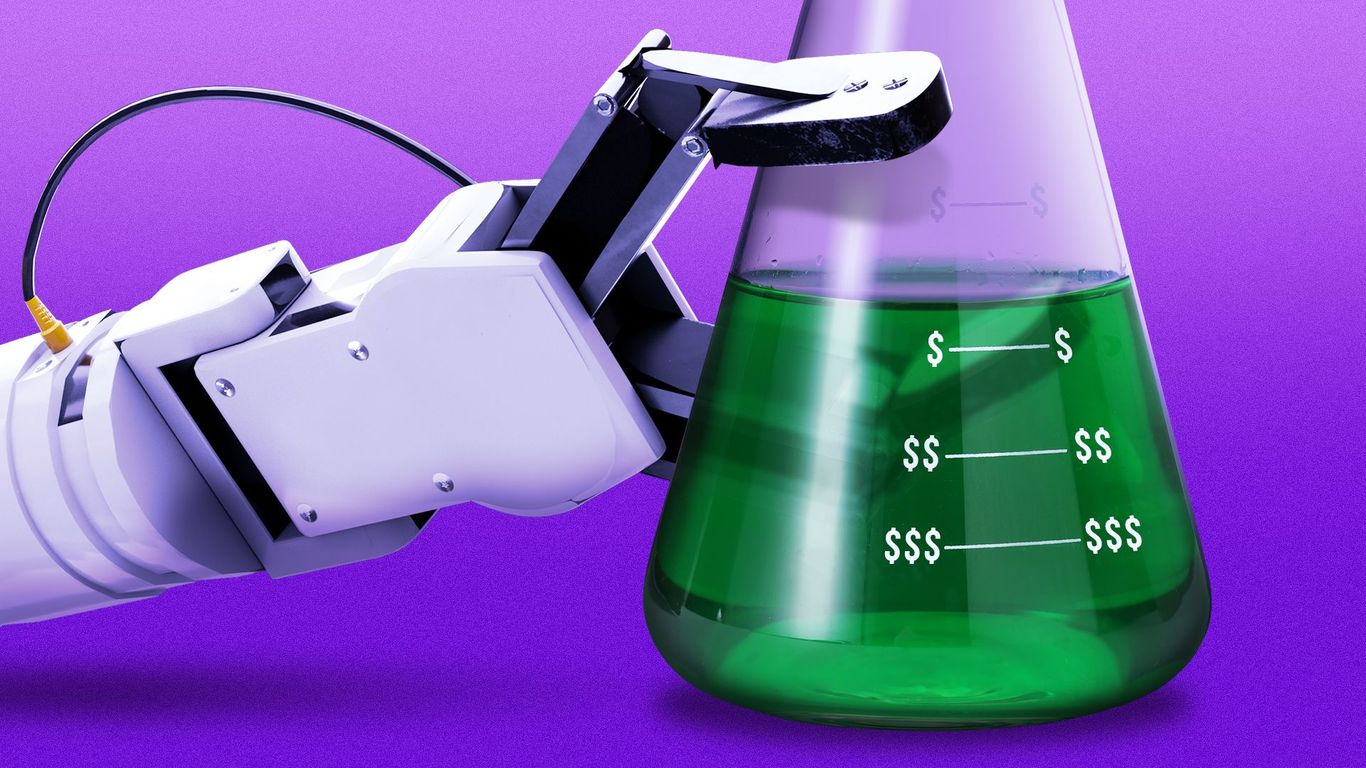
Drug development remains one of the most capital-intensive activities in life sciences. A 2021 peer-reviewed study published in Clinical and Translational Science found that the success rate of a drug candidate from the start of clinical trials to marketing approval sits at roughly 10–20% and has not meaningfully changed in decades.
A separate analysis published in JAMA and indexed by the National Institutes of Health found that Phase III trials account for the largest share of clinical development costs, driven by larger patient enrollment and longer trial durations than in earlier phases.
Many of these costs stem from decisions made with fragmented evidence — dose selection based on limited early-phase data, safety signals assessed in isolation, and patient variability understood only after large trials are already underway.
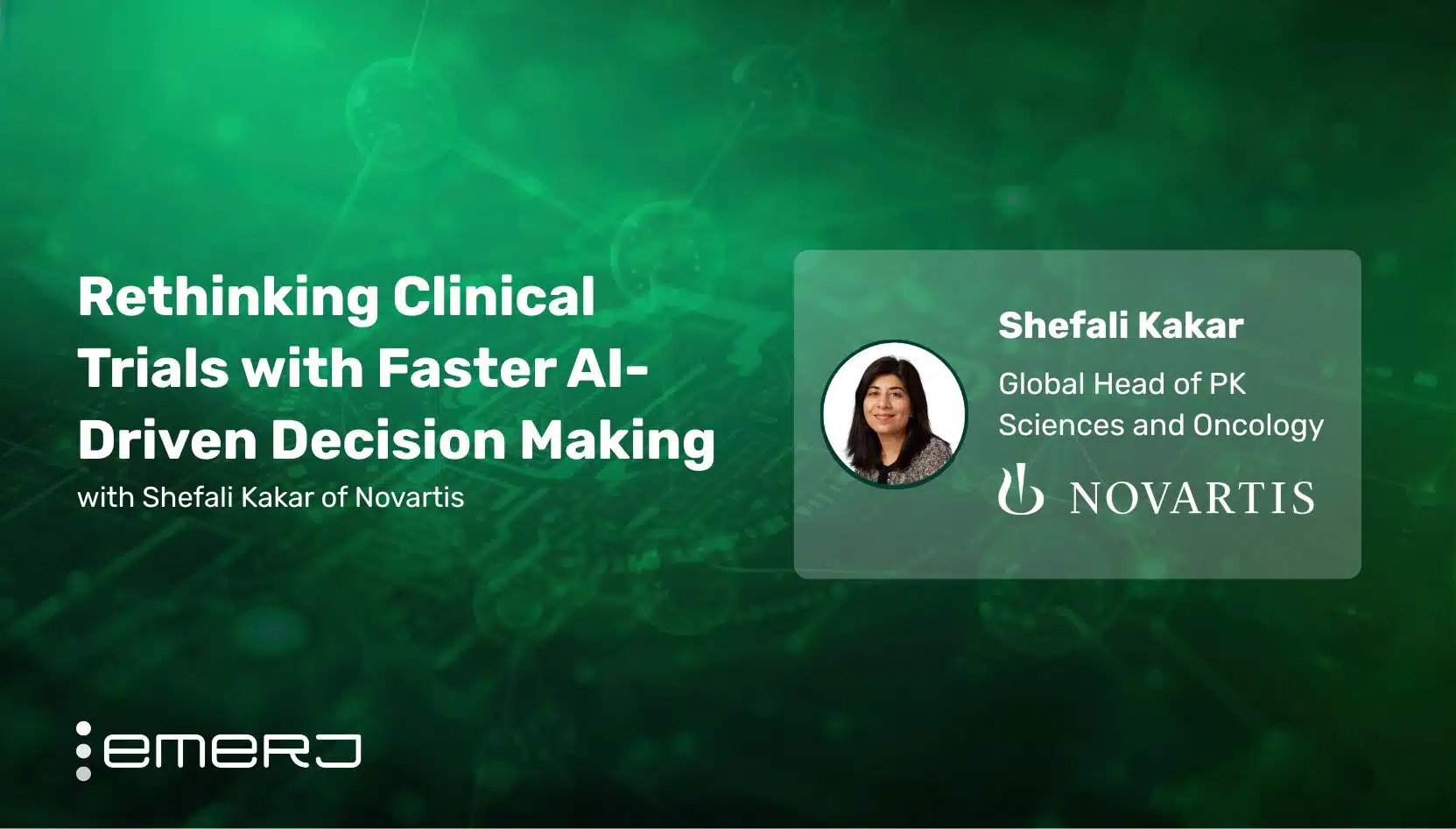
In a conversation between Emerj’s Matthew DeMello and Shefali Kakar, Global Head of PK Sciences and Oncology at Novartis, the discussion defines how AI is transforming drug development by giving enterprises earlier clarity on program viability and a more precise understanding of real patient impact — two levers that directly influence speed, risk, and capital allocation across the R&D portfolio.