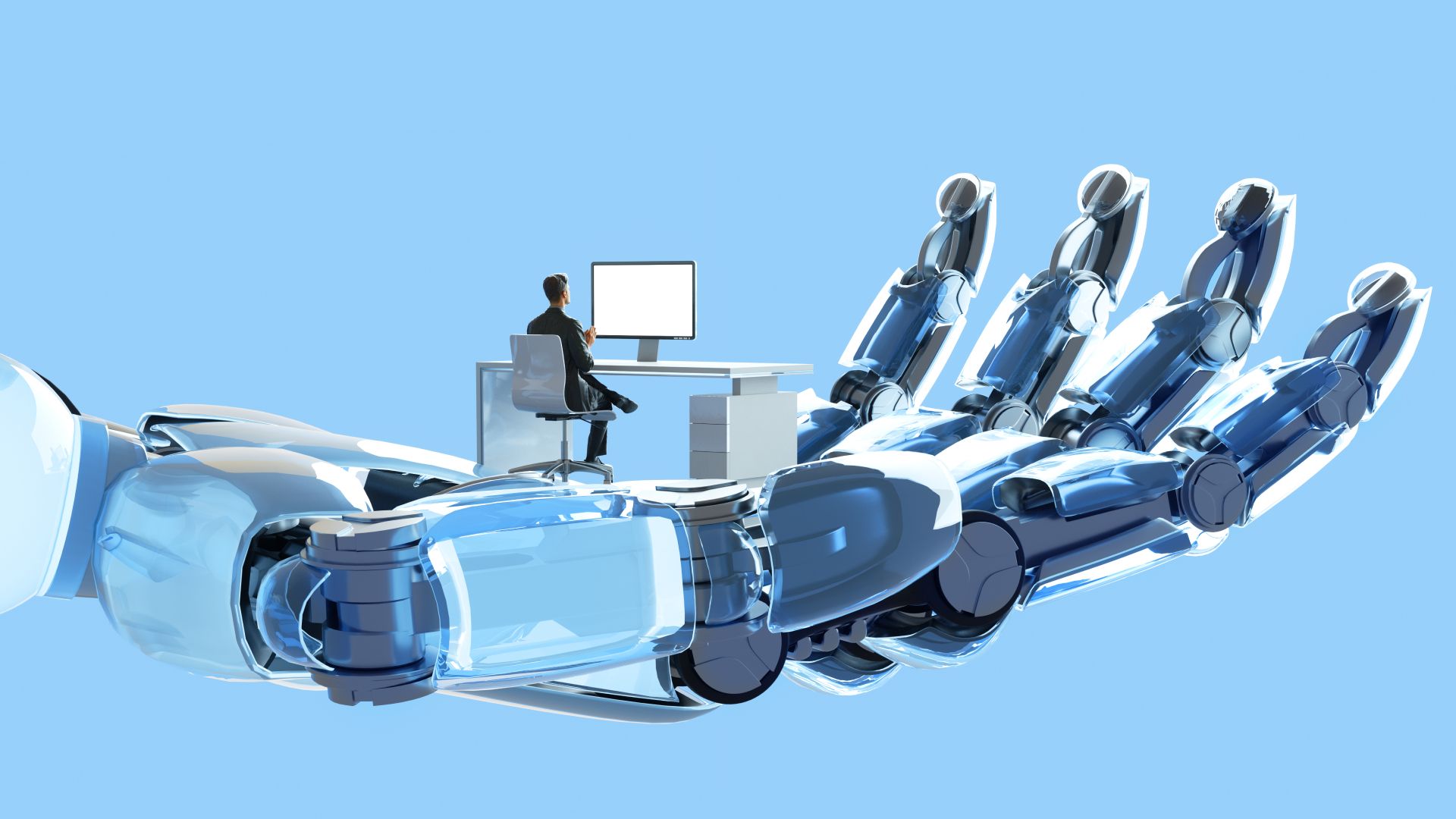
Business leaders and investors face a deepening paradox: Companies are pouring more money into artificial intelligence than ever, but they’re not seeing the gains in productivity that they expect.
Even CEOs are starting to admit this disconnect. One Atlanta Federal Reserve study found that about 90% of executives believe AI has not yet boosted productivity at their companies. Other evidence suggests that the broader increase in productivity seen since 2021 is more likely due to remote work or factors other than AI, like downsizing in sectors such as technology.
I study how technology is changing the way businesses operate, and the research I’ve conducted with colleagues offers an important explanation for why these expected gains don’t materialize: AI-driven layoffs and the resulting job insecurity are actively destroying the very conditions needed for AI to make workers more efficient. In fact, these job cuts damage employee sentiment toward AI – which is one of the strongest predictors of firm productivity when AI is used.
Managers and investors should take note. Laying off employees in the name of AI investment is a self-defeating strategy that offsets any expected productivity increase.