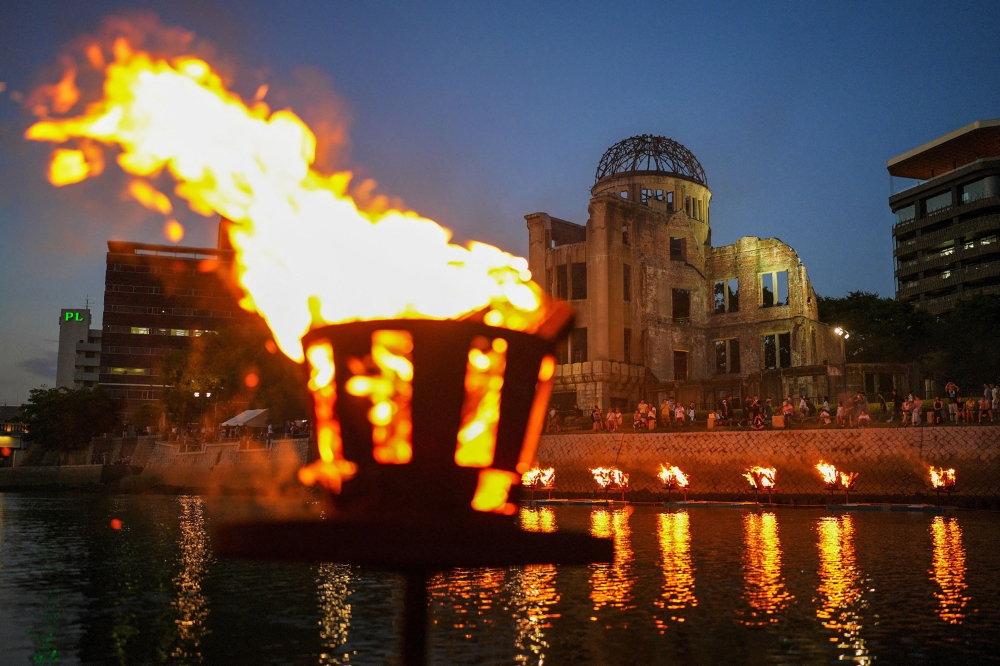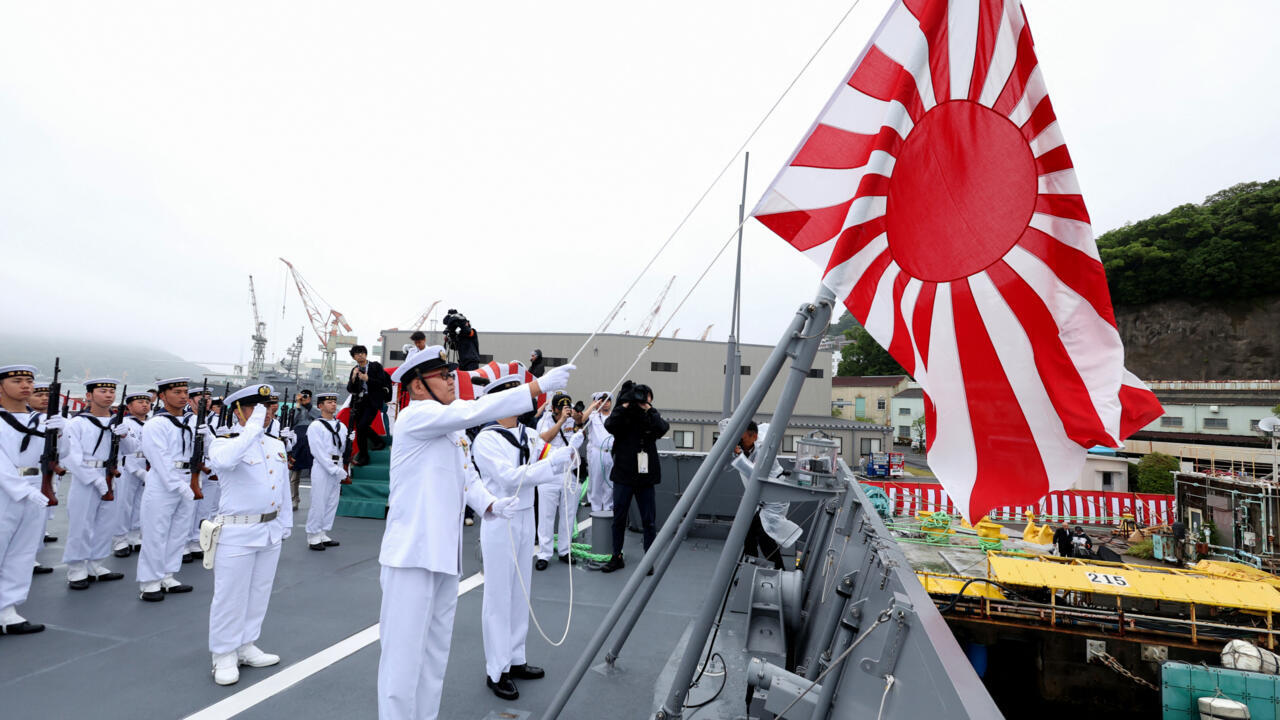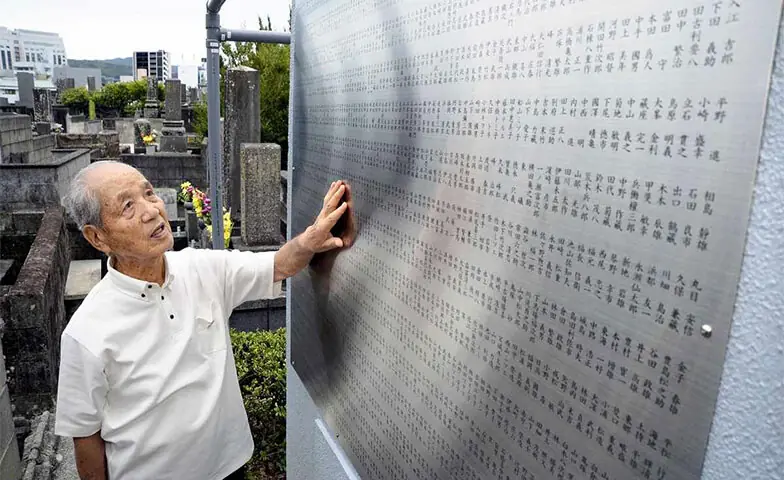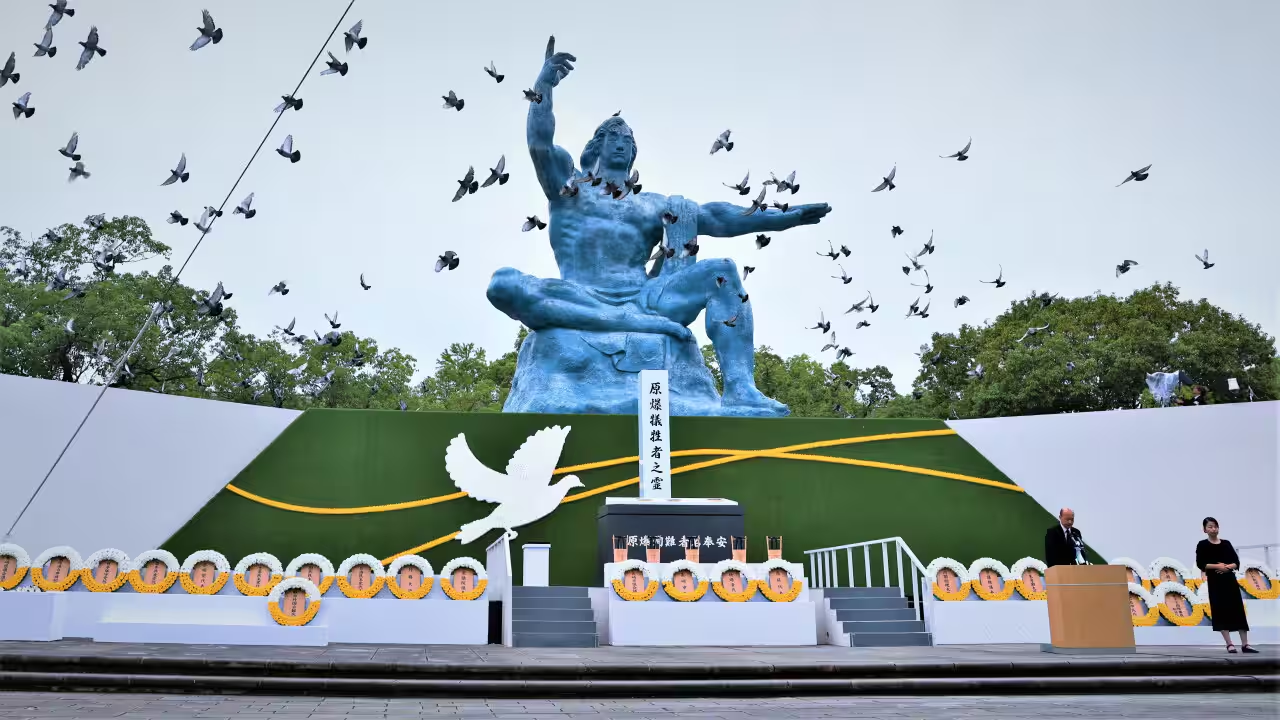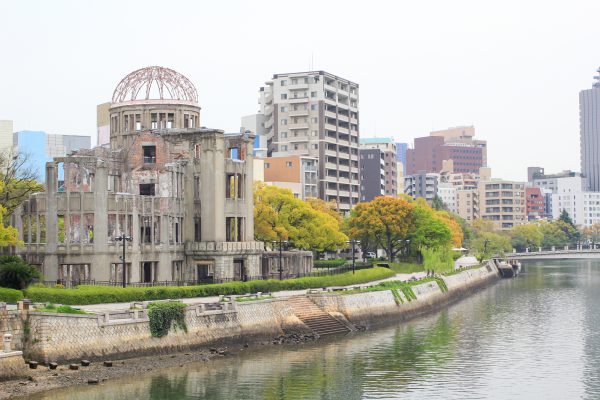
August has been a solemn month in Japan for more than 80 years. Although Japan formally signed the Instrument of Surrender on September 2, 1945, the atomic bombings of Hiroshima and Nagasaki on August 6 and 9, respectively, and Emperor Hirohito’s radio announcement on August 15 accepting the terms of surrender have made August a month from which the Japanese psyche cannot escape. Every year since the Pacific War ended in Japan’s defeat, during August the nation has mourned its war dead and reflected on the horrors of a conflict that inflicted immense suffering and destruction upon the country. The resolve that Japan must never again endure such an ordeal lingers in the air of the sweltering Japanese summer.
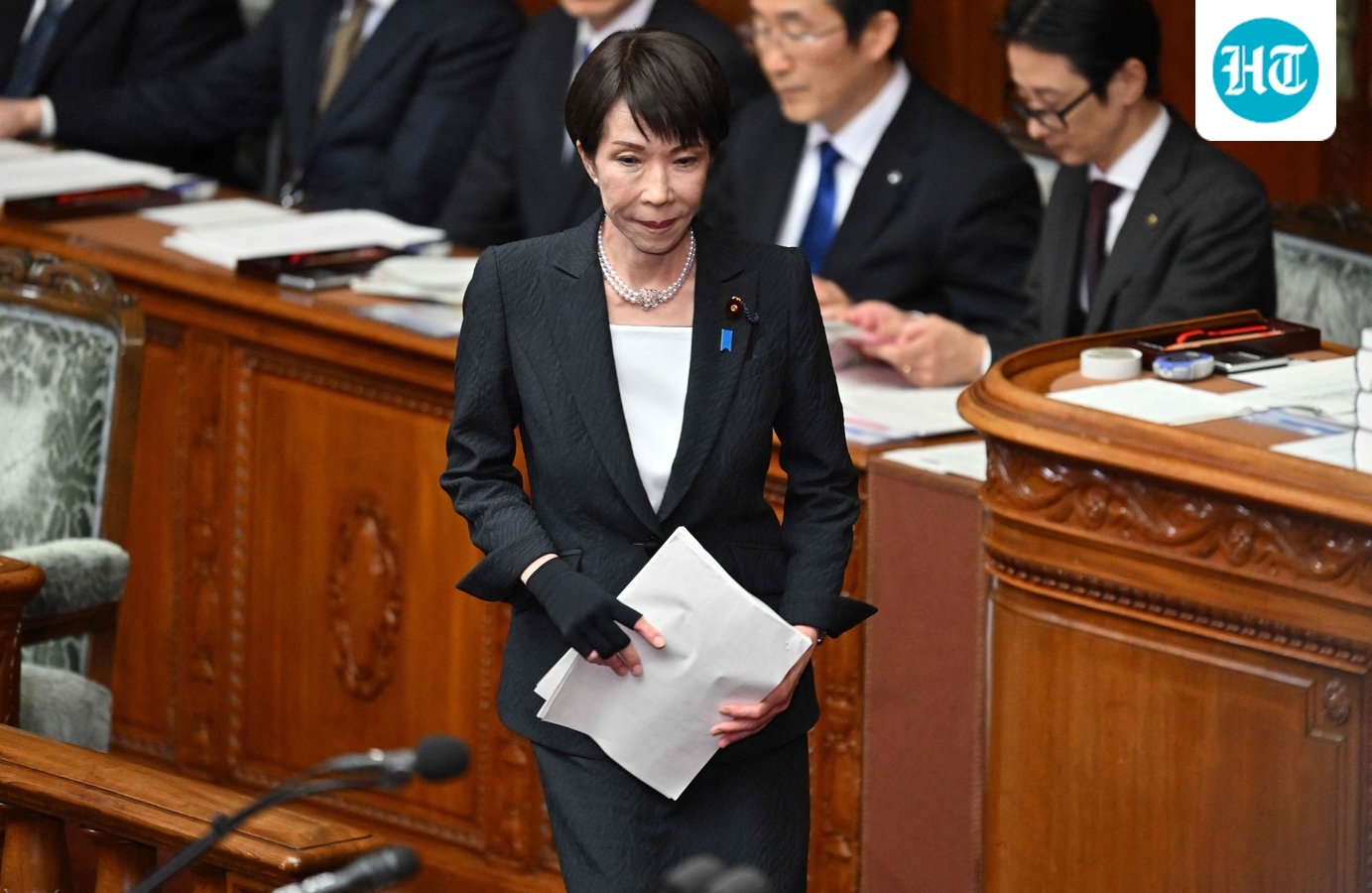
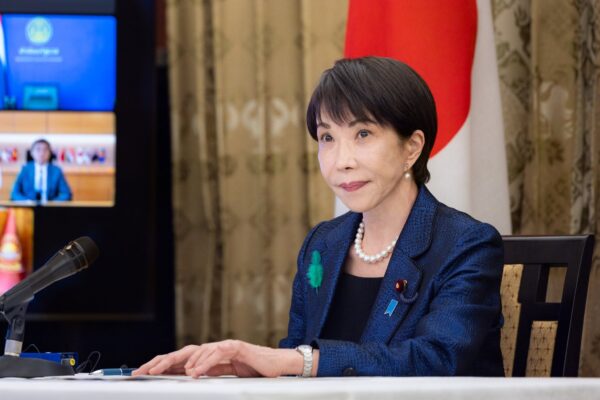
But this year, another issue besides the memory of war has been generating heated debate in the Japanese media: will the Takaichi administration revise the government’s Three Non-Nuclear Principles in the upcoming revision of Japan’s national security documents?
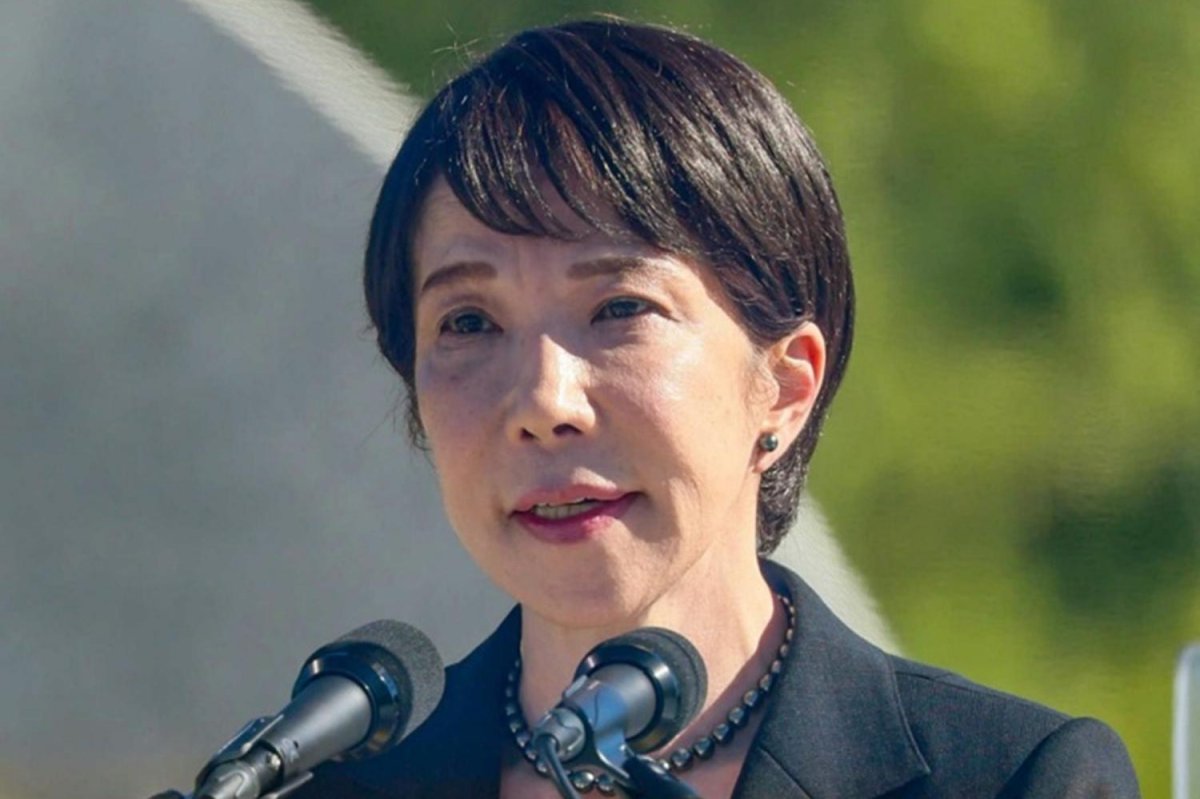
Japanese media outlets have been closely scrutinizing Takaichi’s remarks on Japan’s Three Non-Nuclear Principles, under which Japan pledges not to possess, produce, or allow the introduction of nuclear weapons into its territory. This attention stems from Takaichi’s previous position that at least the principle concerning the non-introduction of nuclear weapons should be reconsidered in the interests of Japan’s national security. In an edited volume she published in 2024, Takaichi even argued that Japan’s current nuclear policy was not “realistic” when it came to ensuring the credibility of the U.S. extended nuclear deterrent.