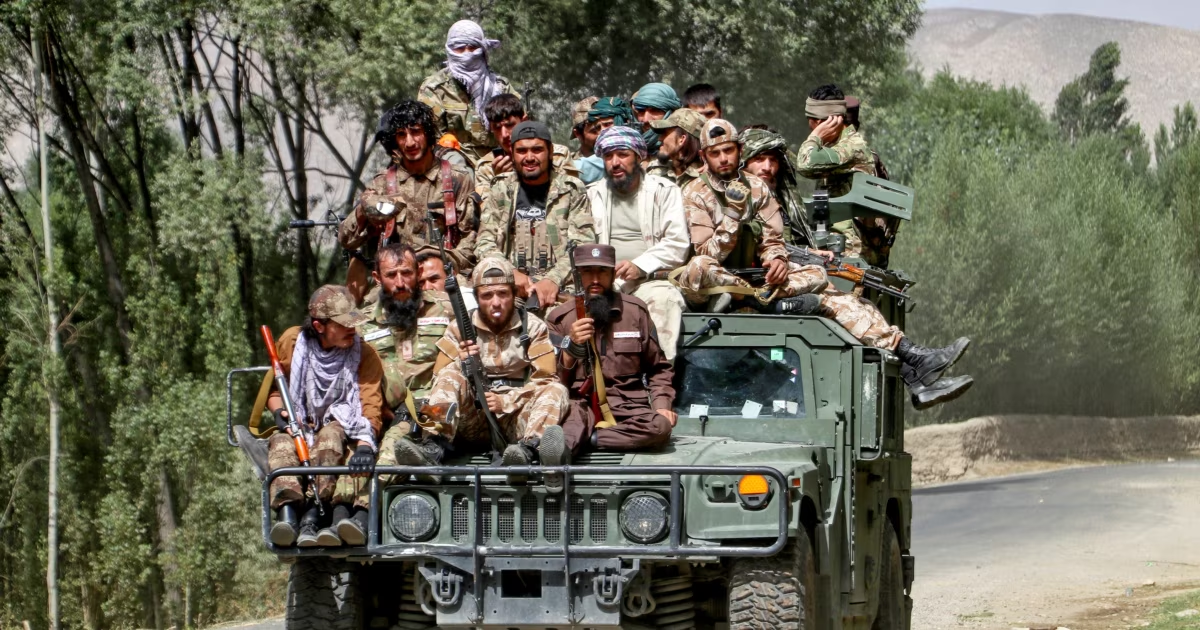
On August 9, Taliban officials claimed to have captured 74 light and heavy weapons that were allegedly being smuggled in from Pakistan to support what they termed “subversive and destabilizing activities.” Islamabad strongly denied the claim as baseless and urged Kabul not to let Afghan soil be used against Pakistan.
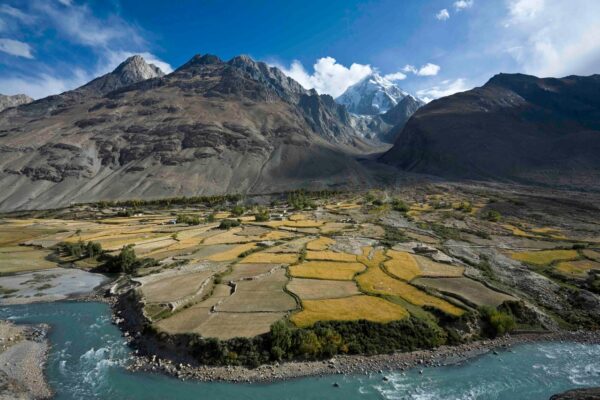
The Taliban’s claim insinuated that Pakistan was supporting the resistance movement that has been brewing for some time in northern Afghanistan but has escalated to alarming levels since July. The movement is especially strong in the strategically important northeastern Badakhshan province, which borders not only Pakistan but also China and Tajikistan.
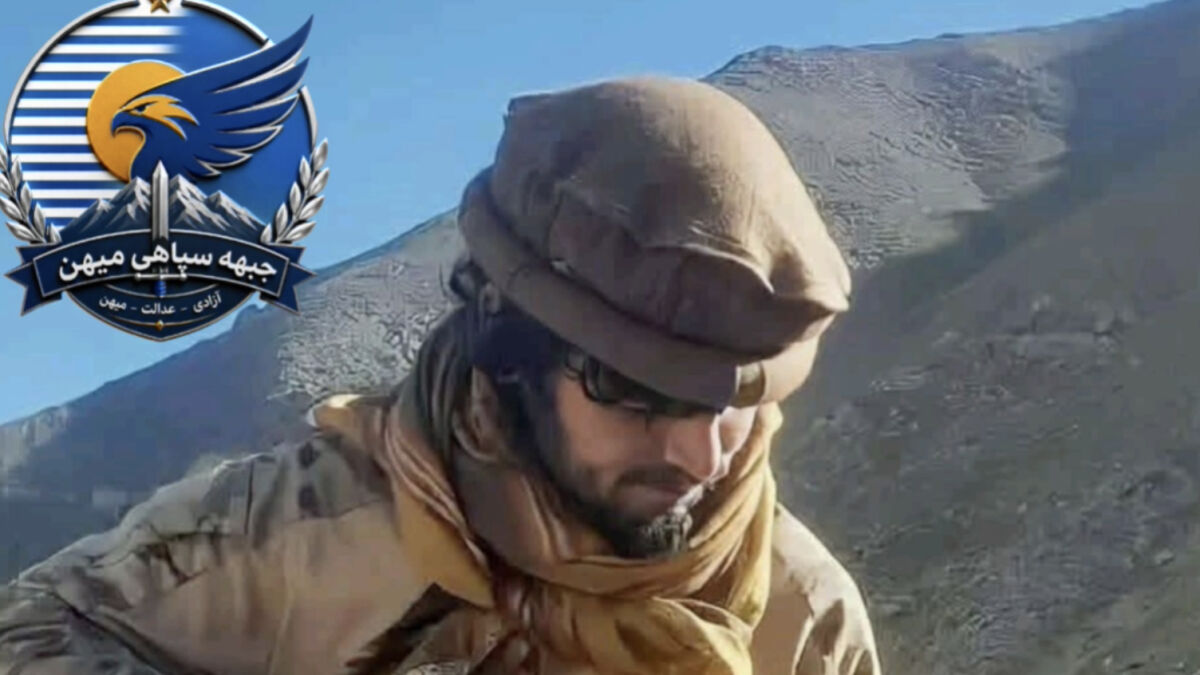
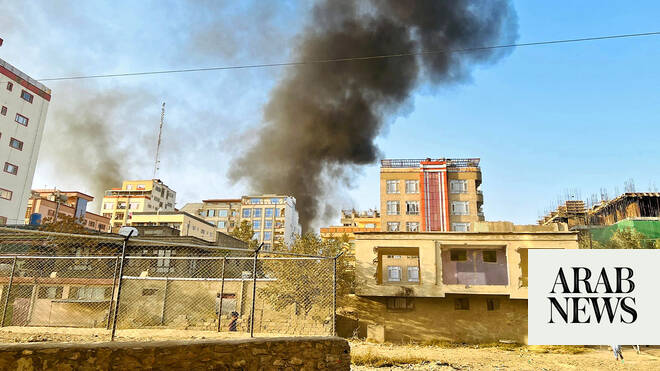
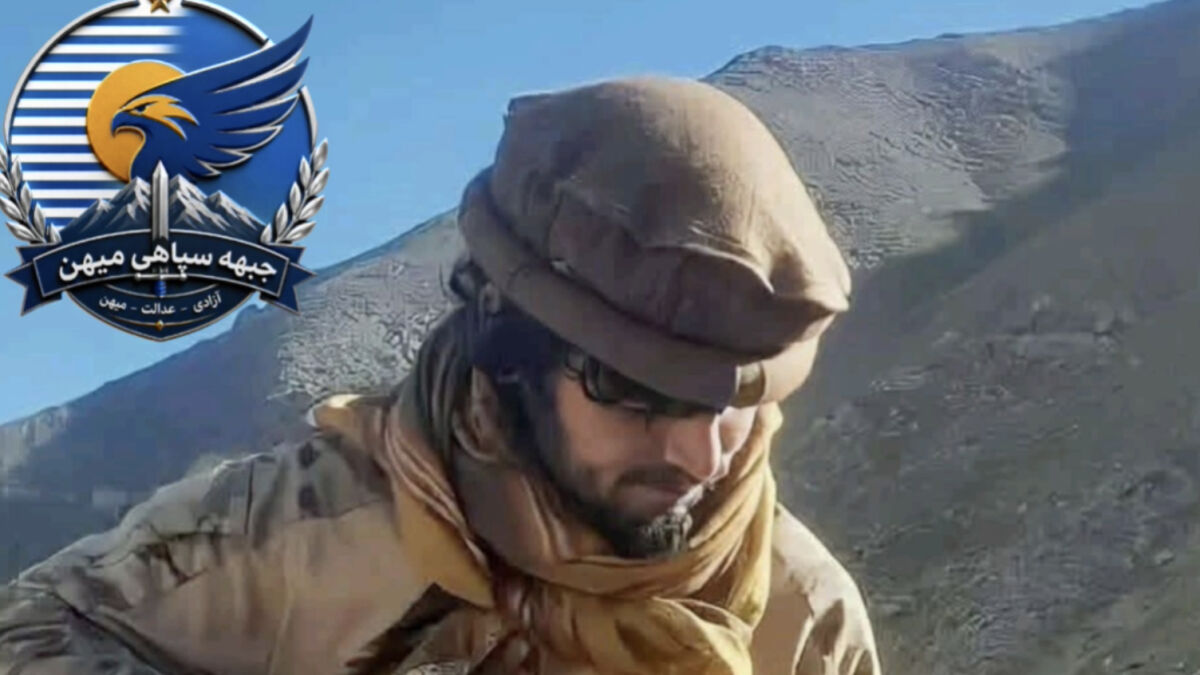
Groups like the Ahmad Massoud-led National Resistance Front (NRF) and the Yasin Zia-led Afghanistan Freedom Front (AFF) announced resistance to the Taliban soon after their return to power in August 2021. But the resistance has remained limited and inconsequential until the more recently established Qayyum Malang-led Sipahiyan-i-Mihan, or the Homeland Guards, launched a far more aggressive campaign against the Taliban in Badakhshan last month. In mid-July, the Sipahiyan-i-Mihan even briefly captured Yaftal-e-Paeen district in the province. A few weeks later, the AFF claimed to have killed four members of the Taliban in two separate attacks in Jalalabad and Nuristan provinces. It has also been reported that Taliban personnel leave their posts at night in certain parts of Takhar province because of increasing attacks.