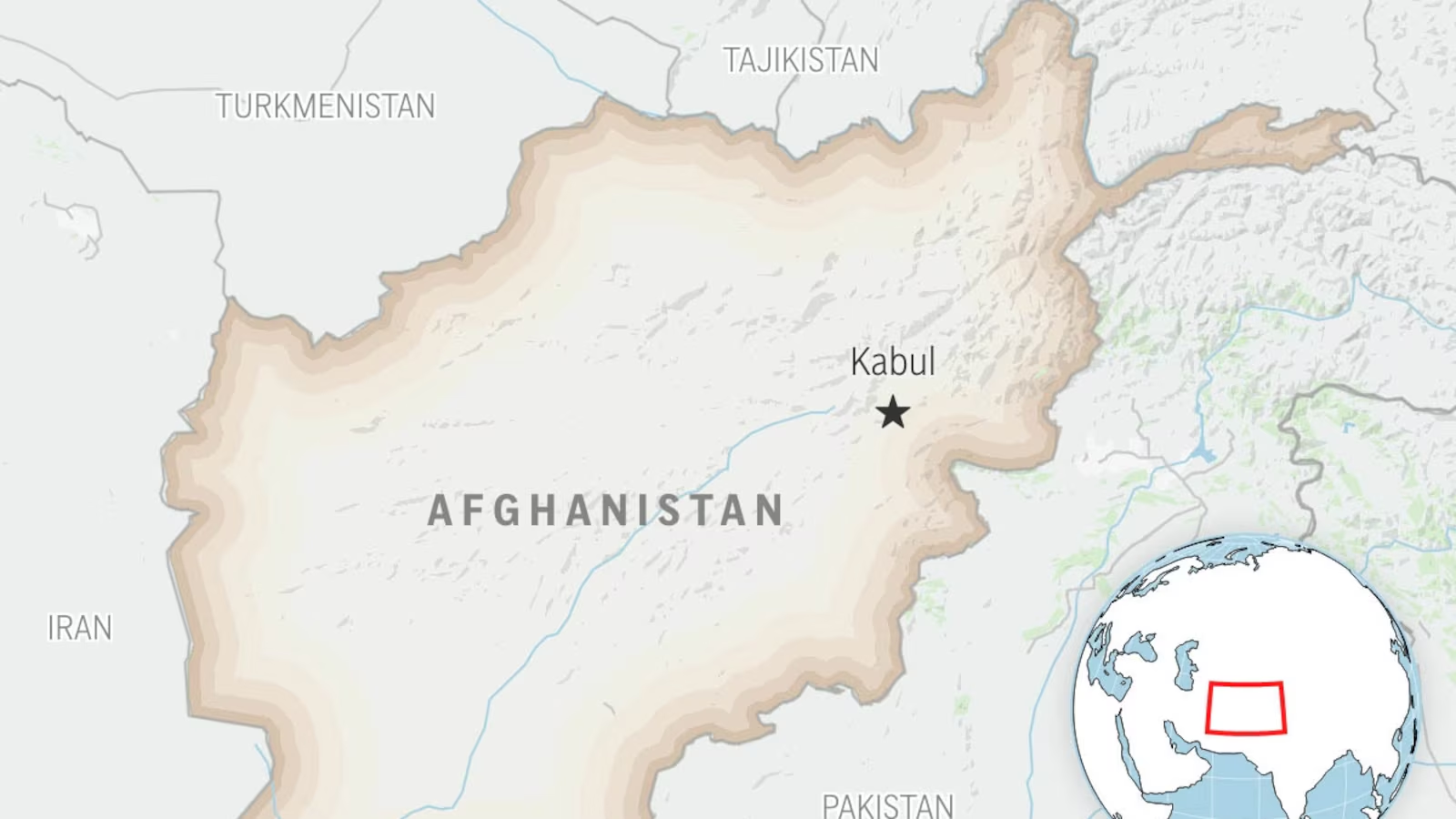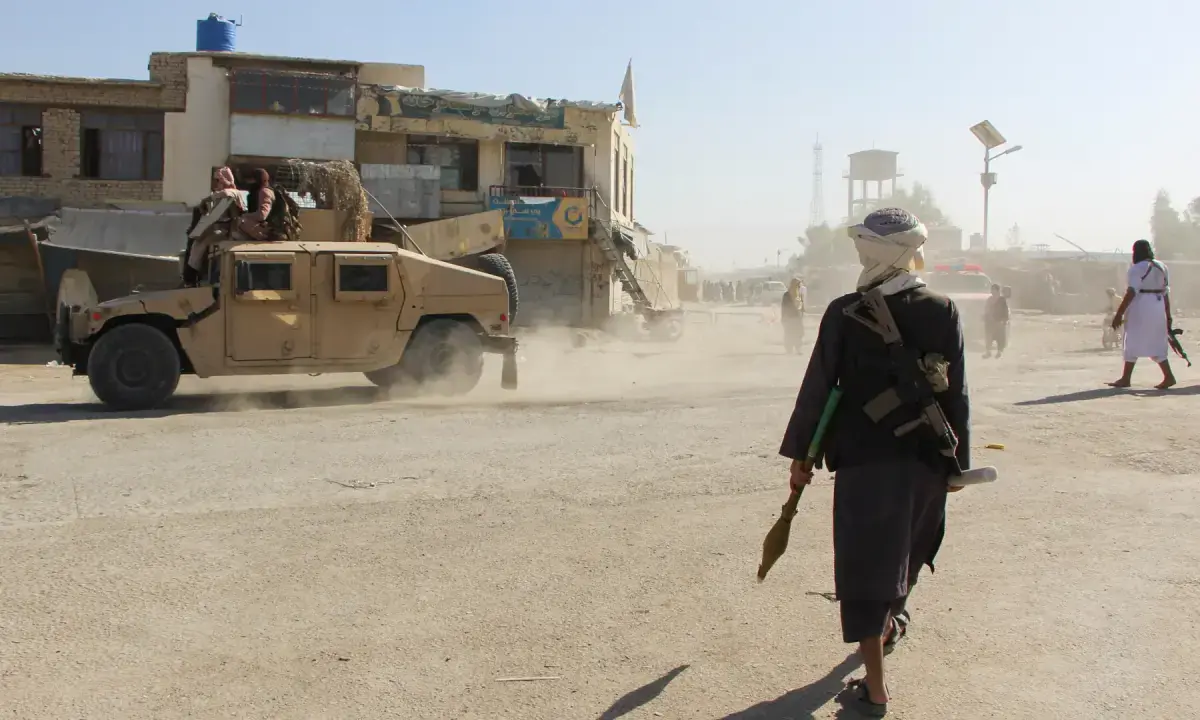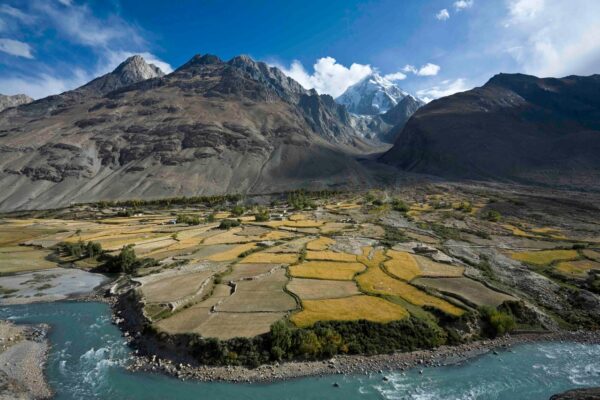
During the 1990s, Afghanistan's vast and mountainous province of Badakhshan was a bastion of resistance to the rule of the Taliban.Now, the resource-rich region is again becoming a thorn on the side of the Islamist militant group, which regained power in the war-torn country almost five years ago.Bordering Tajikistan, China, and Pakistan, Badakhshan has witnessed a spate of attacks in recent weeks. Experts say anti-Taliban armed groups are feeding off ethnic tensions, disputes over control of resources, and local grievances against the Taliban."The attacks could develop into a serious and persistent problem in Badakhshan, but they do not yet threaten Taliban rule nationally or point to the imminent loss of the province," said Ted Callahan, a former adviser to the US military in Badakhshan.'Checkpoints Everywhere'In the latest attack to hit the province, a local Taliban official was gunned down on July 28. Zabihullah Amiri, head of the provincial information and culture department, was killed by two men on motorbikes on a major road in Badakhshan, the Taliban said.
Zabihullah Amiri
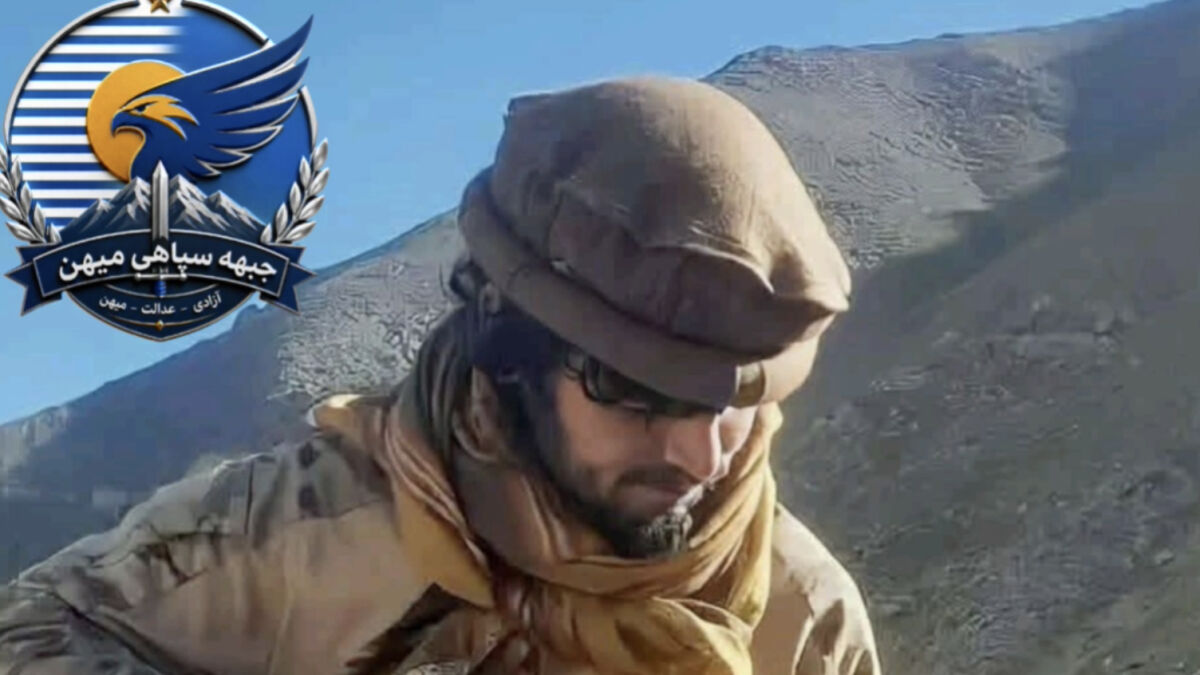
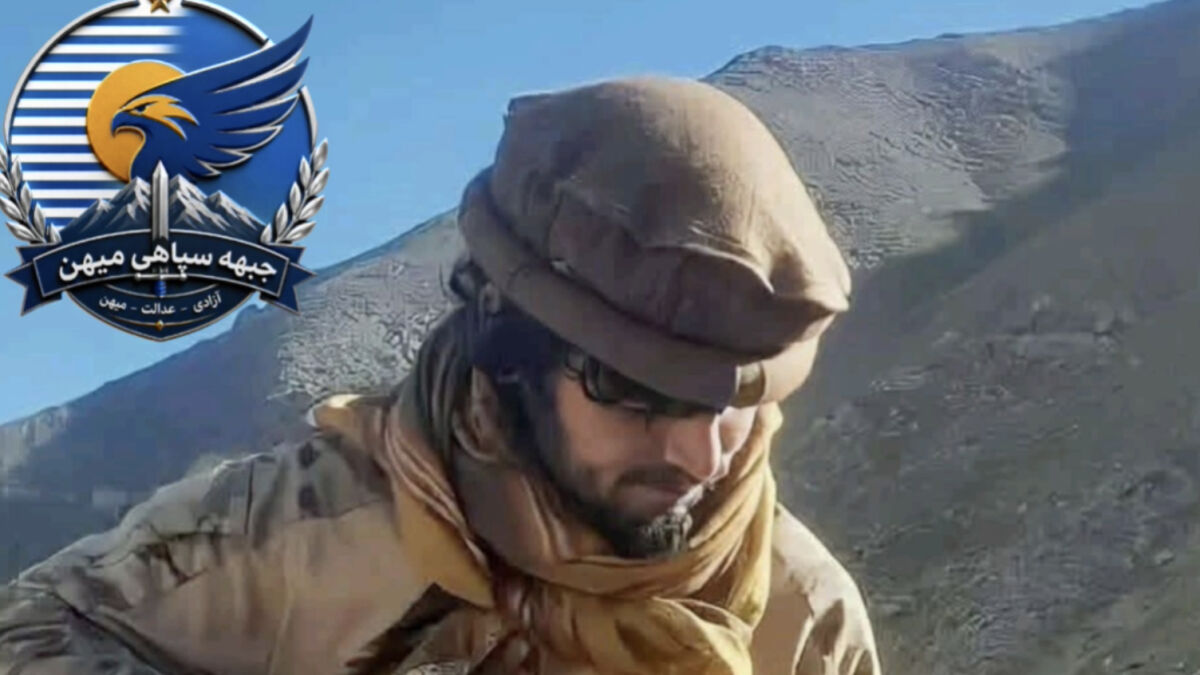
The attack was claimed by the Islamic State-Khorasan (IS-K) extremist group, which has posed the biggest threat to Taliban rule since 2021.On July 17, a new opposition group, Sipahiyan-e Mihan (Soldiers of the Homeland Front) briefly seized control of the Yaftal-e Payeen district in Badakhshan. The group is believed to be led by Qayum Malang, an officer in the former Afghan Army.Two other opposition groups, the National Resistance Front (NRF) and the Afghanistan Freedom Front (AFF), have also claimed attacks in the province's districts of Yaftal-e Payeen, Zebak, and Darayem in recent months.In response, the Taliban has imposed new security measures and made arrests, locals said."Since the recent events here, severe restrictions have been imposed on the people," a resident of Yaftal-e Payeen, who spoke on condition of anonymity for security reasons, told RFE/RL's Radio Azadi."Here in Yaftal, a large number of Pashto-speaking brothers have also arrived, and they have transferred several longtime local [Taliban] to other areas."