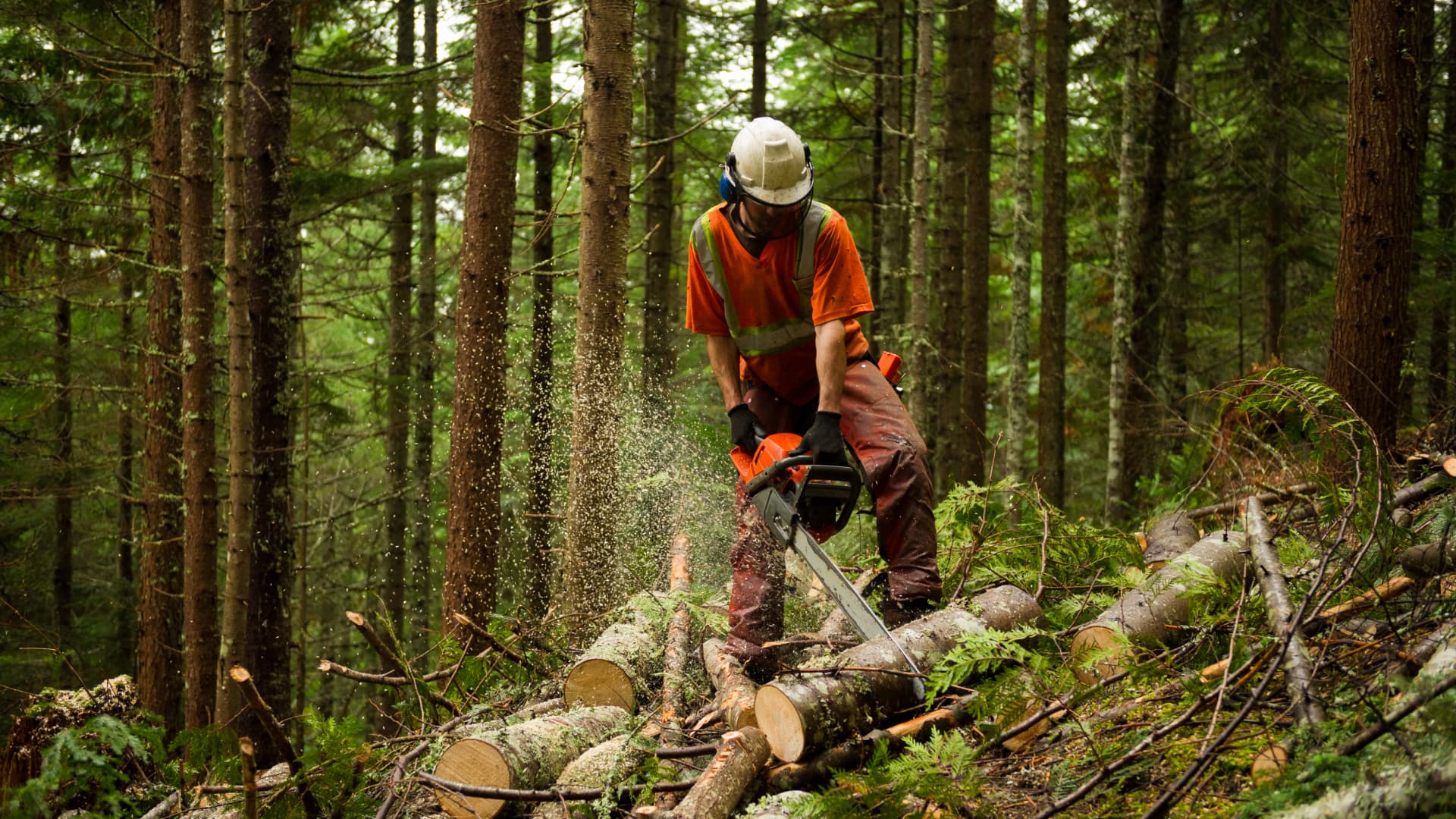
Ever since the emergence of Artificial intelligence, it has started transforming workplaces rapidly. Not just professional work, AI has even taken up day-to-day tasks. From tasks like writing and customer service to data analysis and software creation, AI tools are now handling roles that once needed humans. However, many jobs remain difficult for technology to dominate, particularly those where physical strength, quick reactions, judgment, and adaptability in unpredictable situation is demanded. A recent Resume Now ranking revealed ten careers that heavily rely on skills hard for AI to mimic. This list is based on data from the U.S. Department of Labour’s Occupational Information Network, focusing on abilities like stamina, strength, reaction time, spatial awareness, multitasking, and sensitivity to potential issues.Emergency services: Healthcare, Firefighters, PoliceFirefighters and healthcare services are at the top. Their tasks include entering burning buildings, rescuing victims, and making rapid decisions amid changing conditions. Strength, endurance, reflexes, and quick danger recognition are vital. The yearly approx. salary is $59,280.Building, Construction and Home InstallersInstallers operate at various sites where physical strength and problem-solving become crucial. It requires stamina, quick reactions, and the ability to spot issues with large structures. The median wage is $45,990.Airlines, Pilots, and Flight EngineersFlying demands constant attention, navigation skills, multitasking, and swift responses to unforeseen events. The median annual wage for these roles is $232,140, the highest among the first seven listed.Fishing and Hunting WorkersThese jobs occur in remote, unpredictable environments. Workers depend on stamina, physical strength, spatial awareness, and judgment as weather and conditions shift. The median wage is $61,130.Iron and Steel WorkersConstructing with iron and steel often involves working at heights with heavy materials. Skills like coordination, endurance, and immediate risk assessment are essential. The median annual wage is $62,780.Oil and Gas OperatorsHandling heavy machinery and potentially dangerous tools, derrick operators must stay alert and respond well to changing scenarios. Their median wage is $58,620.Roof BoltersMining environments are hazardous, requiring physical strength, spatial awareness, and quick decision-making. Median wages for roof bolters stand at $78,540.Commercial PilotsCommercial pilots excel in navigation, multitasking, reflexes, and early problem detection, with a median salary of $123,220.Tree Trimmers and PrunersWorking at heights with heavy equipment in outdoor conditions leaves little room for error. These workers need strength, stamina, quick reflexes, and strong hazard awareness, earning a median wage of $50,960.Tree FallersOne of the most physically demanding and risky roles, tree fallers must judge how trees will fall, recognise hazards nearby, and react swiftly. Their annual income is $52,100.Human Skills Remain CrucialLabelling these careers as entirely “AI-proof” may be inaccurate. While technology can support many of these tasks, the physical demands, unpredictable environments, and serious consequences of errors make full automation challenging. Keith Spencer, a career expert at Resume Now, emphasises that workers in various fields can learn from these roles. Adaptability, creativity, critical thinking, judgment, and problem-solving will likely stay valuable, even as AI advances. Ultimately, the future of work might focus less on competing with AI and more on collaborating with it while enhancing uniquely human skills.
10 jobs hardest for AI to replace, 2nd on list pays you over $200,000
Artificial intelligence is rapidly transforming many workplaces and daily tasks. However, certain jobs demand physical strength and quick reactions, making them hard for AI. Emergency services and construction roles require human judgment and adaptability in unpredictable situations. These careers often involve physical exertion and immediate danger recognition. Uniquely human skills like adaptability and critical thinking will remain valuable.
TL;DRAI
Resume Now ranked 10 AI-resistant jobs requiring physical strength, reflexes, and judgment; airline pilots top at $232k/year. Adaptability, critical thinking, problem-solving stay uniquely human; competitive advantage lies in AI-human collaboration, not competition.
500 words~2 min read