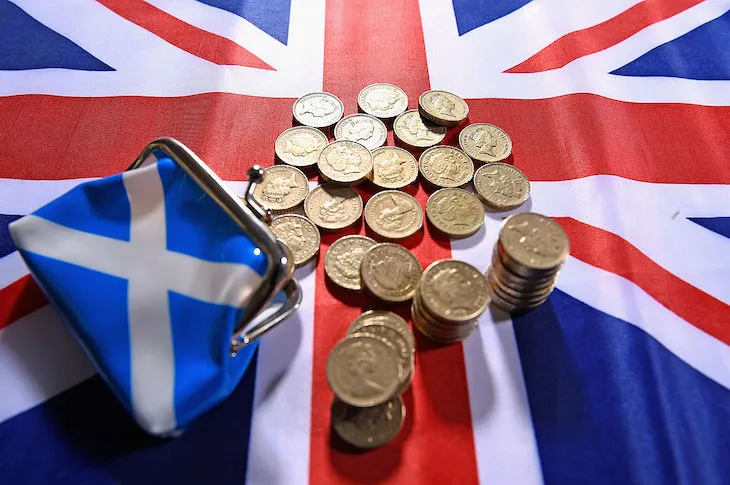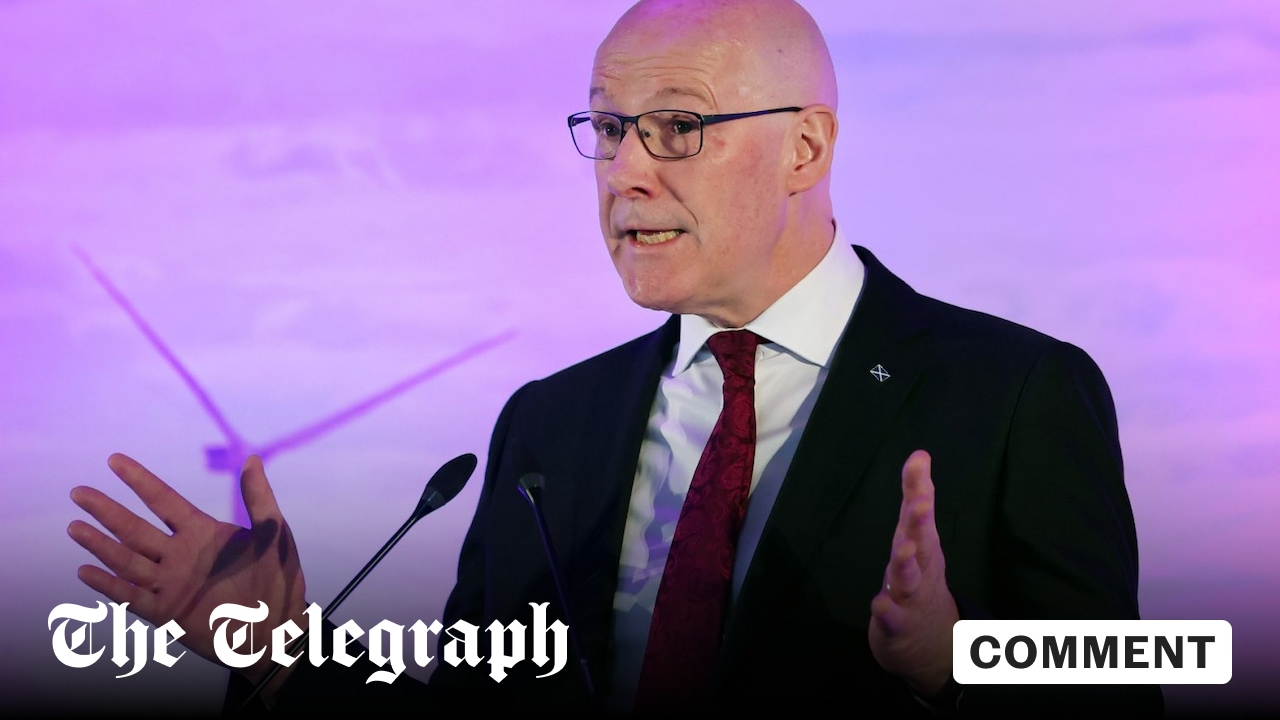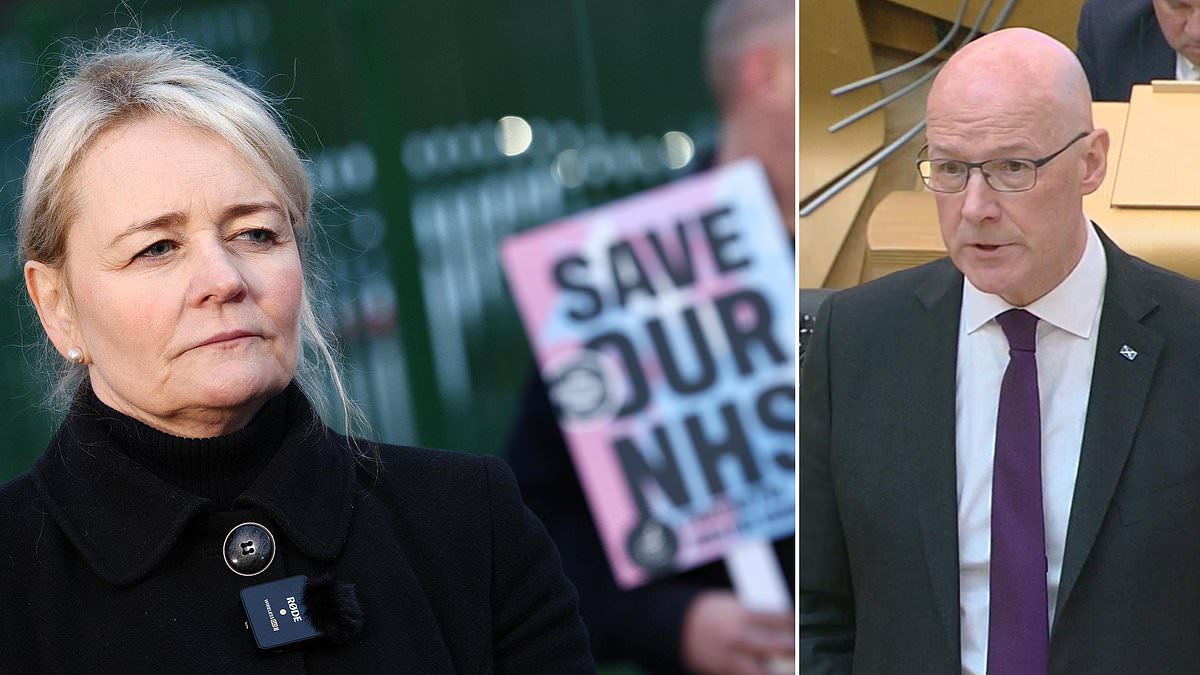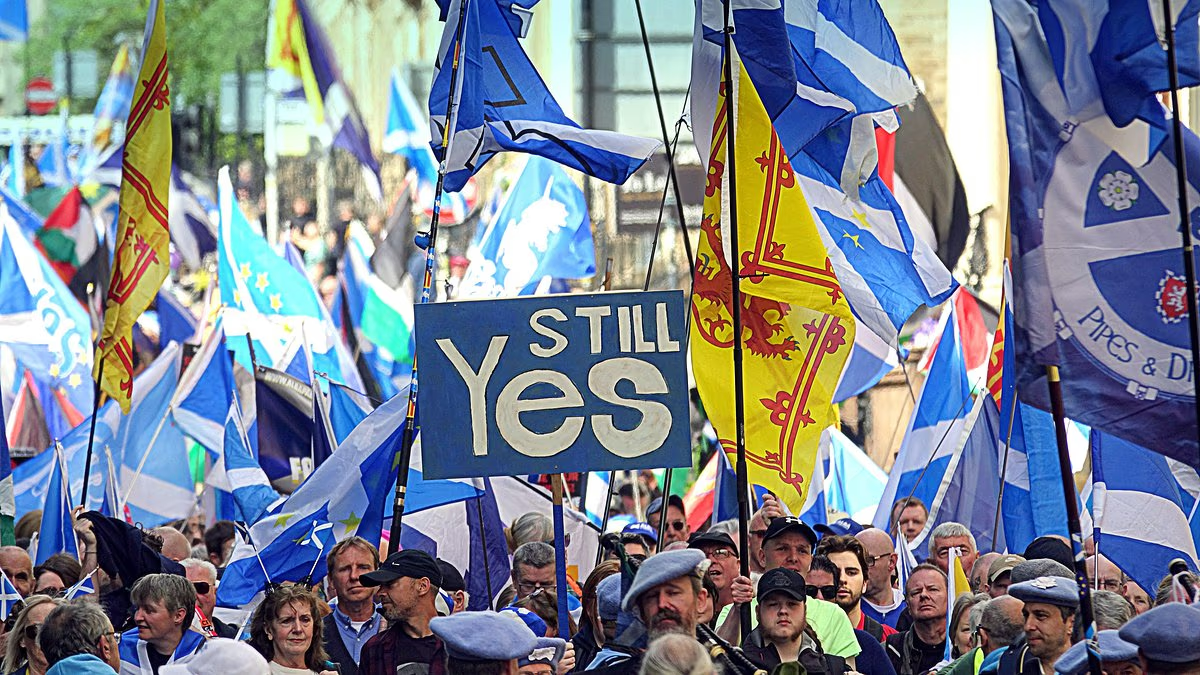
People living in Scotland are more than £2,700 a year better off as part of the UK thanks to 'a record Union dividend', latest official figures have shown.It has been revealed that spending per person in Scotland in 2025-26 was £22,281 compared to £19,561 per person in the UK. This means public spending in Scotland was £2,720 higher per person than in the UK last year.Overall, public spending in Scotland totalled £123.6billion in 2025-26 – an increase of £5.7billion (4.8 per cent) when compared to the previous year.The 'historically high' levels of public spending left Scotland with a £25.3billion deficit, despite revenues reaching a record high last year.The Government Expenditure and Revenue Scotland (Gers) figures showed that a total of £98.3billion was taken in revenues – up by £6.3billion (6.9 per cent) from the previous year.This was due to the Labour Government at Westminster hiking employers' national insurance contributions, which is said to have raised £2.4billion, while the SNP-led Scottish Government's decision to freeze higher income tax bands netted £1.5 billion. Scotland had a net fiscal balance in 2025-26 of minus £25.3 billion - a deficit the equivalent of minus 10.9 per cent of Scotland's GDP. This compares with a UK deficit worth minus 4.2 per cent of GDP in 2025-26.Craig Hoy, the Scottish Tories' shadow finance secretary, said: 'The SNP Government's own figures reveal that Scots are now benefitting from a record Union dividend.' Campaigners for Scottish independence are pictured at a rally in Glasgow earlier this year'Every single Scot is over £2,700 better off because we are part of a strong United Kingdom,' Mr Hoy added.'Yet [First Minister] John Swinney and the SNP want to put an end to all of this with their obsessive push for Scottish independence.'That would be disastrous for the nation's finances. Things are already bad enough after two decades of SNP economic incompetence.'Reform UK's Scottish leader Malcolm Offord branded the figures a 'damning indictment of how the SNP spends taxpayer money'.He added: 'Scotland's tax take is now rising at a much faster rate than we are seeing invested in public services. Scots now have the data showing they are seeing less bang for their buck.'Labour's Douglas Alexander, the UK Government's Scottish Secretary, said: 'These statistics clearly demonstrate the value to people in Scotland of being part of a strong United Kingdom.''By pooling and sharing resources across the country, people living in Scotland benefit from significant additional public spending.'That means £2,720 more per person compared to the UK average, which the Scottish Government can spend on vital services like schools, hospitals and transport.'But the SNP's Jenny Gilruth, Deputy First Minister and Scottish Finance Secretary, insisted the Gers data 'simply does not show what an independent Scotland's position will be' as it 'provides notional estimates for Scotland's deficit as part of the UK'.She noted that the figures showed 'total and devolved revenues grew faster than spending'. This demonstrated 'in the areas where our Government has control, we are delivering sustainable finances', she added.Ms Gilruth continued: 'The significant increase in income tax revenues shows that the decisions which this Government has taken are helping to deliver additional funding for measures to ease the cost of living like the Scottish Child payment, free prescriptions, bus travel for under-22s and free university education.'The Deputy First Minister said that Scotland does 'spend more per head of population' – but said Scotland's geography made it 'much more expensive' to deliver services. She also stressed the 'different political choices' made by SNP ministers.Ms Gilruth said: 'We take different political choices to fund free tuition, to fund the Scottish Child Payment, to fund more generous public sector pay deals as a Government.'I'm not going to make any apology for investing in our public services.'The Deputy First Minister added: 'With the powers of independence we would be able to chart a different path, ensuring we grow the economy to allow Scotland to reach her full potential.'The Gers figures also showed revenue from the North Sea declined again, as the Labour Government at Westminster bans new oil and gas drilling as part of its Net Zero agenda.It fell from almost £5.5billion in 2023-24, to less than £4.5billion the following year and some £3.9billion in 2025-26.As a result, the illustrative share assigned to Scotland fell to less than £3.2billion in 2025-26, down from nearly £3.6billion the previous year and almost £4.4billion in 2023-24.The Scottish Government report said: 'The largest decrease in revenue was in North Sea taxes (minus £0.4billion), which reflects falling oil and gas prices during the year.'João Sousa, senior research economist at the IFS said: 'Each year Gers is inevitably interpreted in the context of the debate about Scotland's constitutional future.'If Scotland were to become independent, it would become responsible for managing its own public finances in full.'The long-run structure of Scotland's economy and public finances could look very different post-independence, and would depend to a large degree on future policy decisions.'Nevertheless, Gers is a reasonable starting point for understanding the fiscal issues an independent Scotland would likely face on day one.'A deficit on the scale currently implied would be unsustainable and require some combination of higher taxes or lower spending – unless economic growth could be sustainably and significantly increased, which is certainly possible but far from assured.'
Scots are £2,700 better off as part of the UK, latest figures show
It has been revealed that spending per person in Scotland in 2025-26 was £22,281 compared to £19,561 per person in the UK.
876 words~4 min read