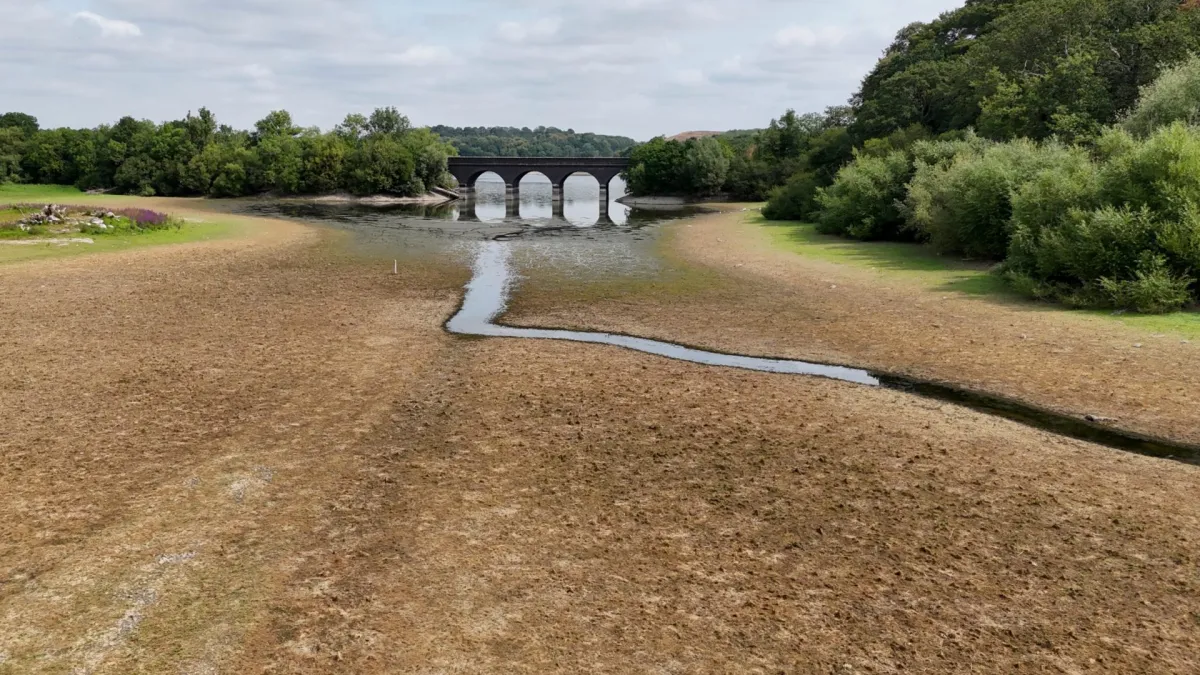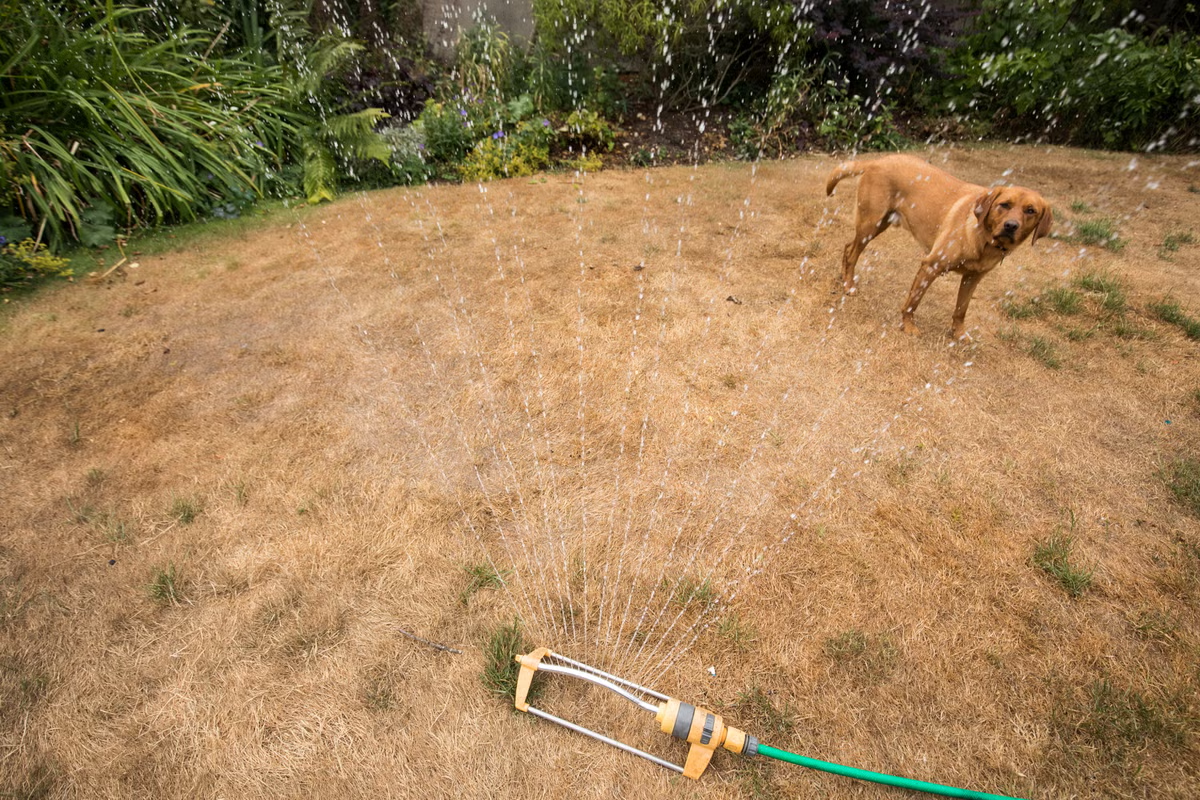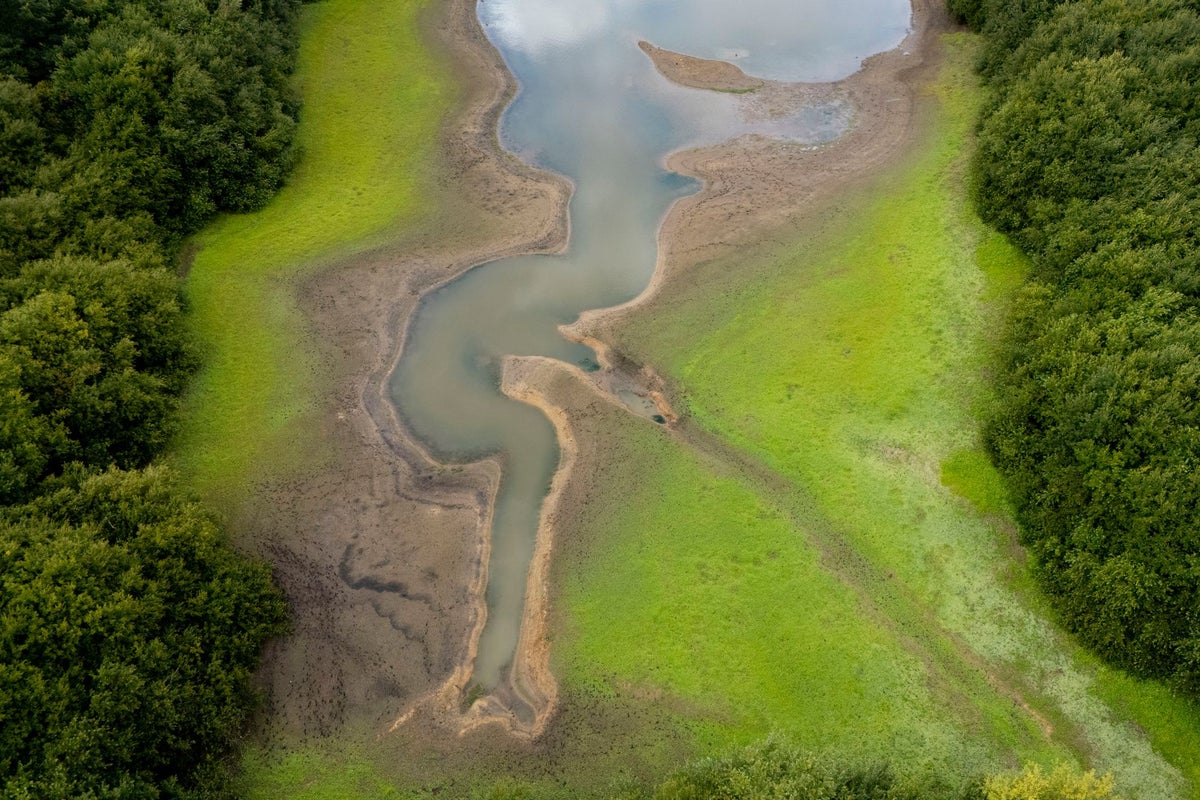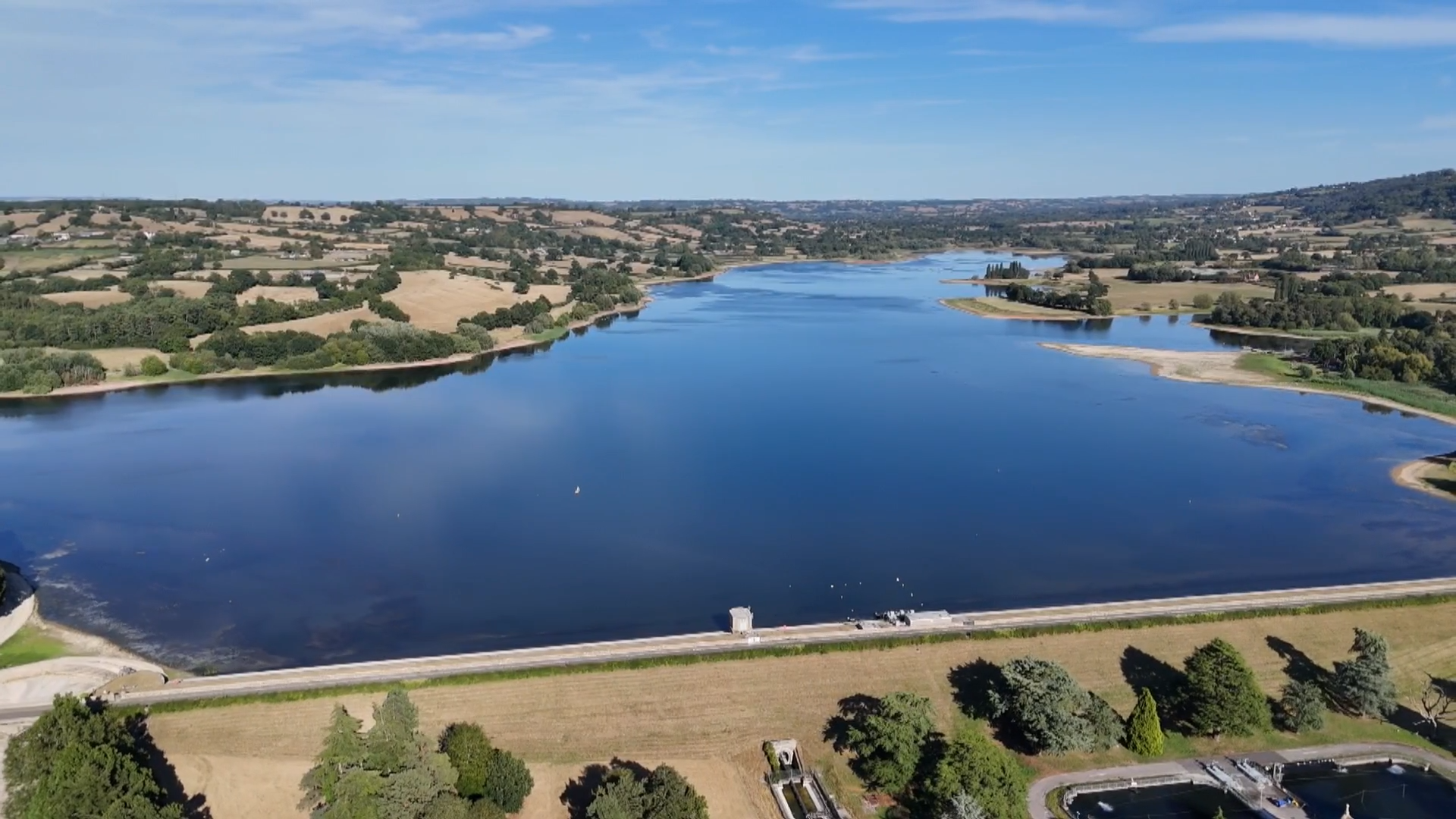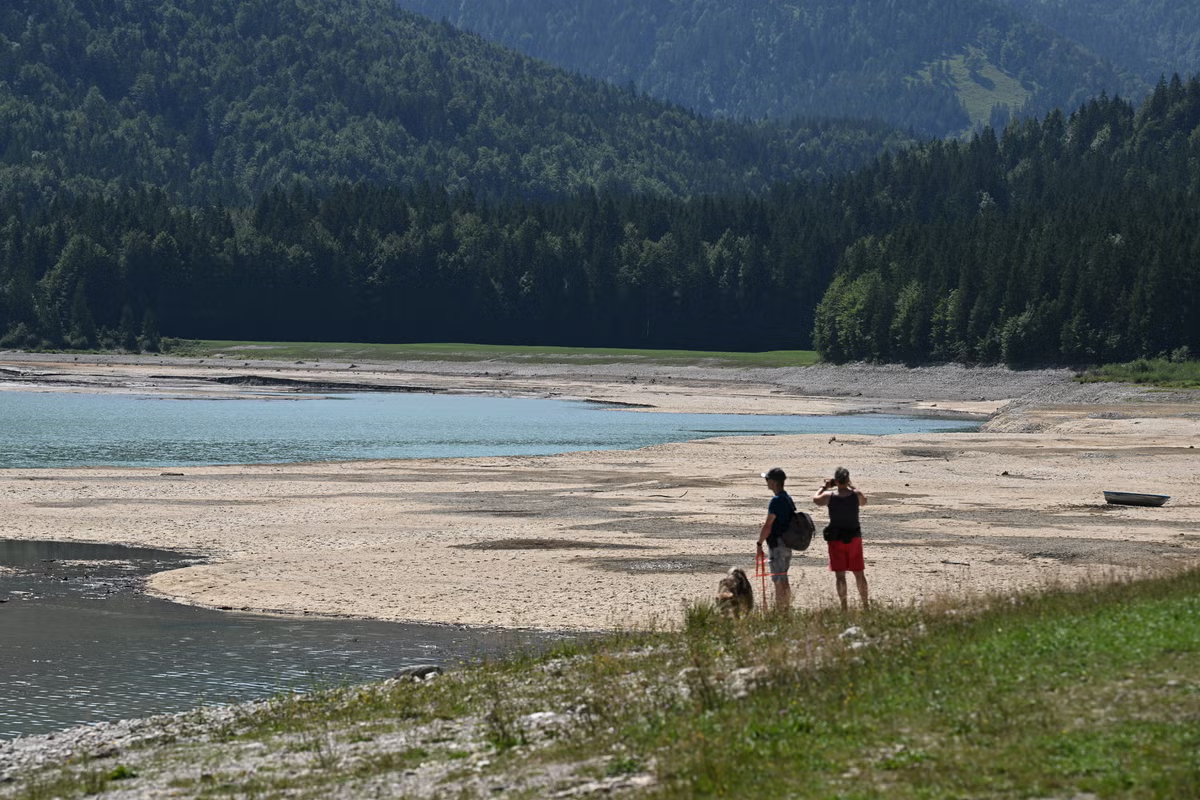
Reservoirs are running low as almost three quarters of England has been plunged into drought, with climate experts warning more must be done to build resilient water infrastructure.Reservoir storage for England has fallen to 69 per cent, more than 10 per cent below the long term average, the Environment Agency warned last week. Five reservoirs were classed as exceptionally low. Some 27 million people are under hosepipe bans across the country, despite a rainier than average winter for England, which the Met Office ranked as the eight wettest on record.Dr Glenn Watts, director of water science at the UK Centre for Ecology & Hydrology (UKCEH), said the rapid switch from wet to dry conditions seen in England was a sign of the ‘whiplash’ events we could expect due to global warming.“The winter was wet, so the extension of drought status to almost three-quarters of England - to add to the whole of Wales - illustrates it has been an exceptional spring and summer. An acute lack of rainfall combined with a series of heatwaves has caused ‘flash droughts’, with rapid impacts on agriculture and the environment.”There are more than 2,000 large-scale reservoirs in England and Wales alone, according to Ofwat. Yet the country hasn’t seen any new reservoirs since 1992, shortly after the privatisation of the water industry, despite the demand for water increasing across the UK due to population growth and industrial endeavours such as data centres.Reservoir storage for England has fallen to 69 per cent (Getty)Water companies that have tried to build reservoirs have struggled. Thames Water first proposed the White Horse reservoir in Abingdon two decades ago, but only finished a public consultation for it in January this year, with residents raising concerns about the environmental and logistical impact of building from scratch what would be one of the biggest reservoirs in the UK, close to areas prone to flooding.Kevin Grecksch, the University of Oxford's professor of water and environmental governance, told The Independent that water companies could have done more to build water resilience before the nation ended up in such an extreme drought.“I think we sleepwalked into this situation... yes, the companies have invested a lot, but obviously not enough, and this is why we are in this situation,” he said. “We know they've invested a lot, but they have underinvested as well because a lot of money went into the shareholders' hands. So they did the minimum and that’s part of their own fault.”Rainfall has significantly dropped off this summer (Met Office)He also said Ofwat had not incentivised investment in infrastructure - not just in reservoirs, but in fixing the nation’s leaky pipes. Analysis from Greenpeace UK found that leaky pipes wasted five times more water than hosepipe bans save as water companies waste a staggering 2.87 billion litres of water every day through leaky pipes, enough to fill 1,150 Olympic-sized swimming pools. A Water UK spokesperson said: “No new reservoir has been built in more than thirty years because Ofwat and previous governments blocked them. Water companies have finally been given approval to build nine, plus a tenth already under construction at Havant Thicket. We need planning hurdles cleared so we can build reservoirs quickly and we need major reform to ensure we are not in this situation again. “Water companies have cut leakage by around 40 per cent since privatisation and will reduce it by a further 17 per cent by 2030."George Duncan Jones, biodiversity policy lead at Greenpeace UK, said that the government needed to step in and reverse decades of under-investment in the water industry.“Water companies have not built a major reservoir for more than 30 years, placing a huge strain on the network when it doesn’t rain. With climate change predicted to drive much drier summers and wetter winters, investing in water storage is a no-brainer. The government must step in and stop failing water companies from paying out big bonuses and reverse decades of under-investment. Our water network leaks like a sieve, shedding nearly three billion litres of water a day from ageing pipes so repairing those would be a good start.”Professor Grecksch suggested that the UK must consider a “portfolio” of solutions to retain water - and building more reservoirs is a mid-to-long-term solution.“It takes a long time to build a reservoir, so it’s a mid-to-long-term solution,” he said. “But it’s not going to alleviate our water problems in the next five years.Reservoirs across the country have struggled to retain water in the heat (PA)“It will maybe in 25, 30 years when we have an absolute rise in demand.”Experts have started looking to water reuse solutions, where wastewater used in industrial or household processes can be treated and brought up to standard.“The first step, for example, would be to say, OK, we treat water, we treat wastewater, and then we use it for irrigation, and agriculture,” he said.John Walgate, chief executive of the British Growers Association suggested last week that UK farmers should be able to use winter rainfall and fill on-farm reservoirs as the drought threatens Britain’s food security.“We have enough water in the UK with winter rainfall, it’s all about how we store and use it. What we need is more winter storage, easier planning and licences to fill on farm reservoirs. This will also help alleviate winter flooding’’.Professor Grecksch said: “There's actually no need to put fresh water on our fields. That's actually absolutely ridiculous if you think about it. Then there are technologies that can treat water to a standard that you can drink it again. So the technology is already there. It's just, what do we want in the future? And how do we manage this portfolio of options?”An Ofwat spokesperson said: "We are taking bold and comprehensive action to secure our water supply for future generations."At our 2024 price review, we announced £2 billion in funding to develop a Major Water Infrastructure Programme of 30 large-scale projects – including nine new reservoirs. One project is already under construction, with a further five expected to move into construction over the next five years. "This pipeline, worth over £50 billion in total investment, will deliver around 1.4 billion litres of water per day – enough supply for 10 million homes – and play a key role in ensuring long-term resilient supplies."The Independent has contacted Defra for comment.
We’ve had one of the wettest winters on record. Why are our reservoirs drying up?
Experts have warned that the ‘flash droughts’ caused by a series of heatwaves and lack of rainfall have led to reservoirs struggling
1,054 words~5 min read