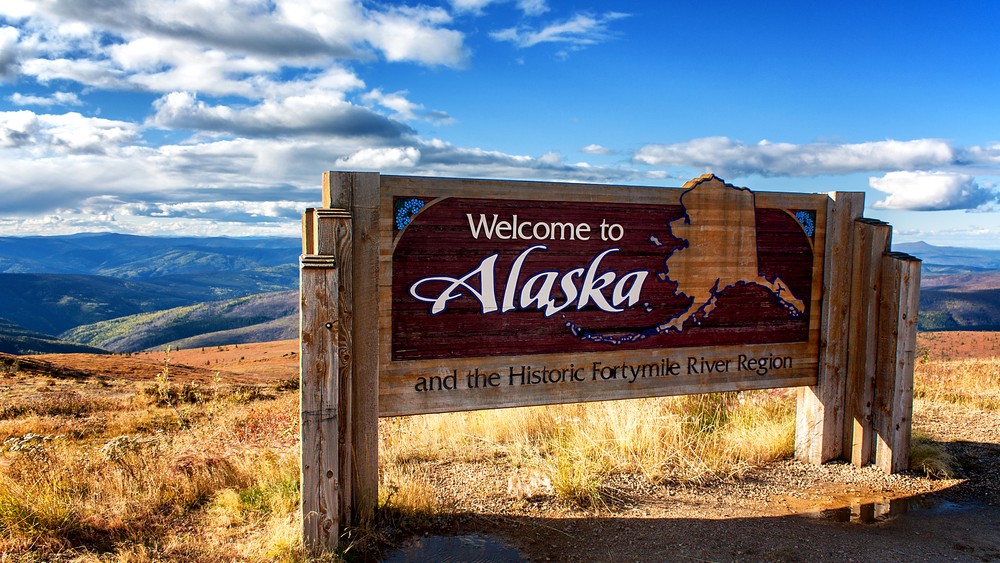
Reading Time: 4 minutesAlmost 60 years ago, as Alaska was beginning an oil boom, local authorities received nearly $900 million from a single lease sale on the North Slope—roughly six times the state’s annual budget at the time. Auspiciously for some, the money went to roads, schools and other regional necessities. But some years later, as the funds started to run out, the state’s Governor Jay Hammond (1974-1982) called them “flamboyant expenditures.”
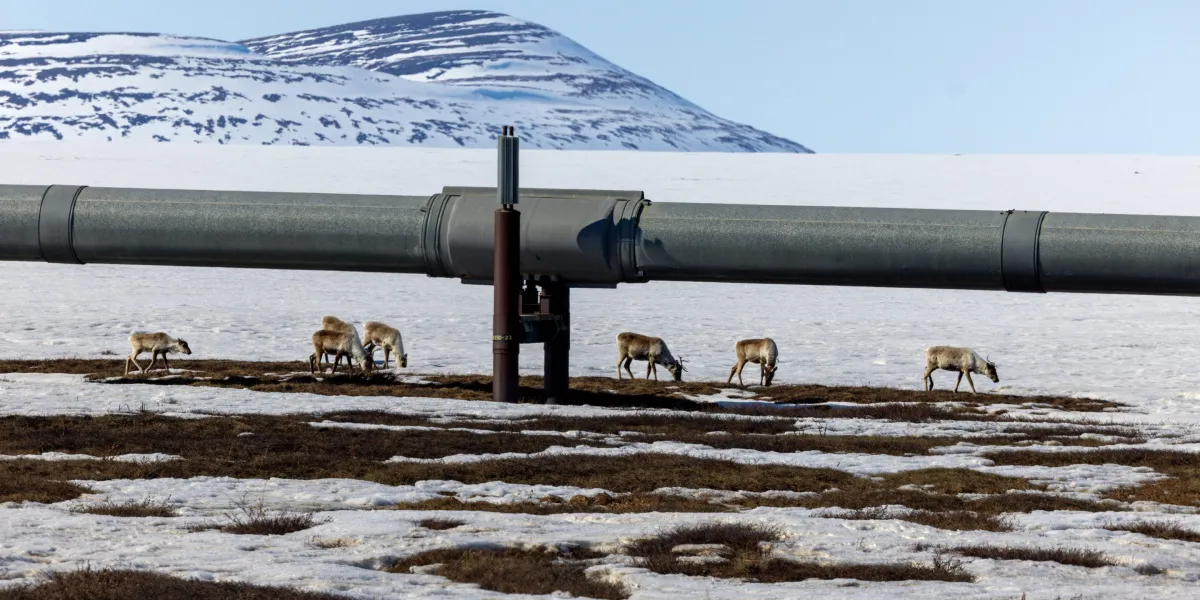
Chastened by the rapid depletion of the funds, Alaskans did something almost no resource-rich jurisdiction had done before: In November 1976 they amended their constitution by referendum to remove a share of future royalties from the legislature’s reach. They did so to prepare for a bonanza, and as oil began flowing through the famous Trans-Alaska pipeline, the first deposit was made to a newly created Alaska Permanent Fund on February 28, 1977. Today the fund holds more than $91 billion, supplies over half of the state’s unrestricted general revenue, and has paid an annual dividend to every resident since 1982.
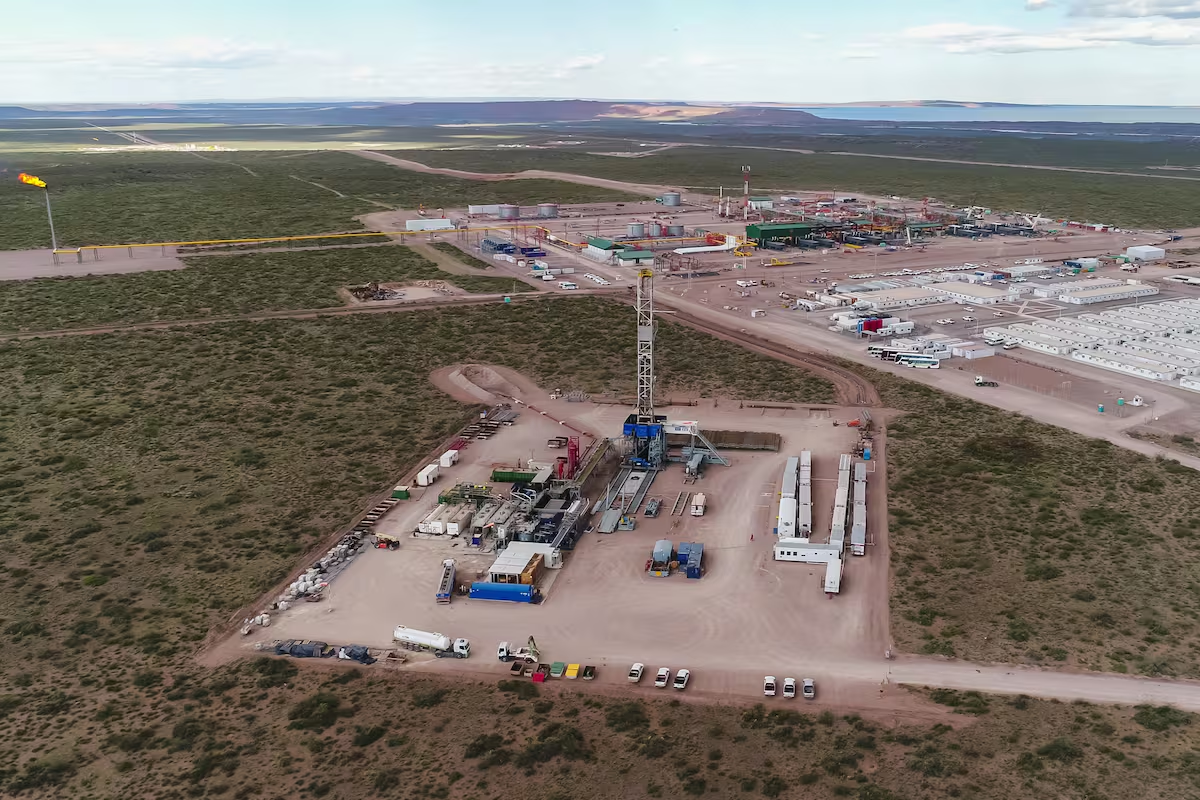
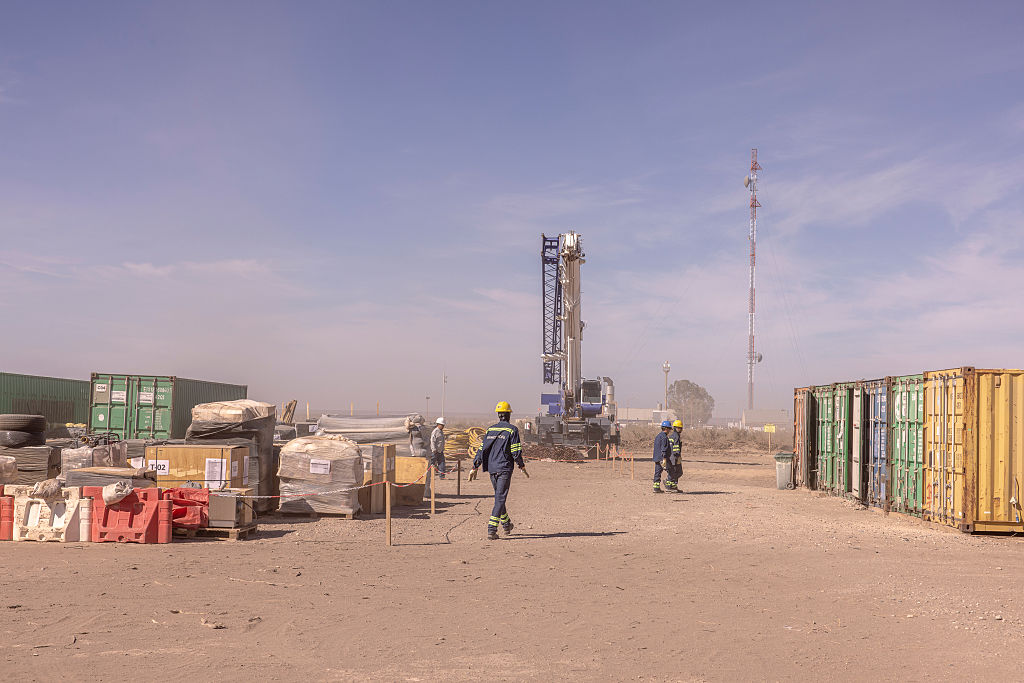
What Alaska did can fittingly serve as a model to a nascent boom taking place today in Argentina. The country has the world’s second-largest shale gas and fourth-largest shale oil reserves, and along with Chile and Bolivia is at the center of the global energy transition as part of the so-called “Lithium Triangle.” Together, these resources could generate record annual exports in the next decade, as sector leaders recently estimated. These numbers may elicit expectations of a windfall, so the country now faces a question other nations have grappled with for years: how to avoid repeating the mistakes that have turned booms into lost opportunities.