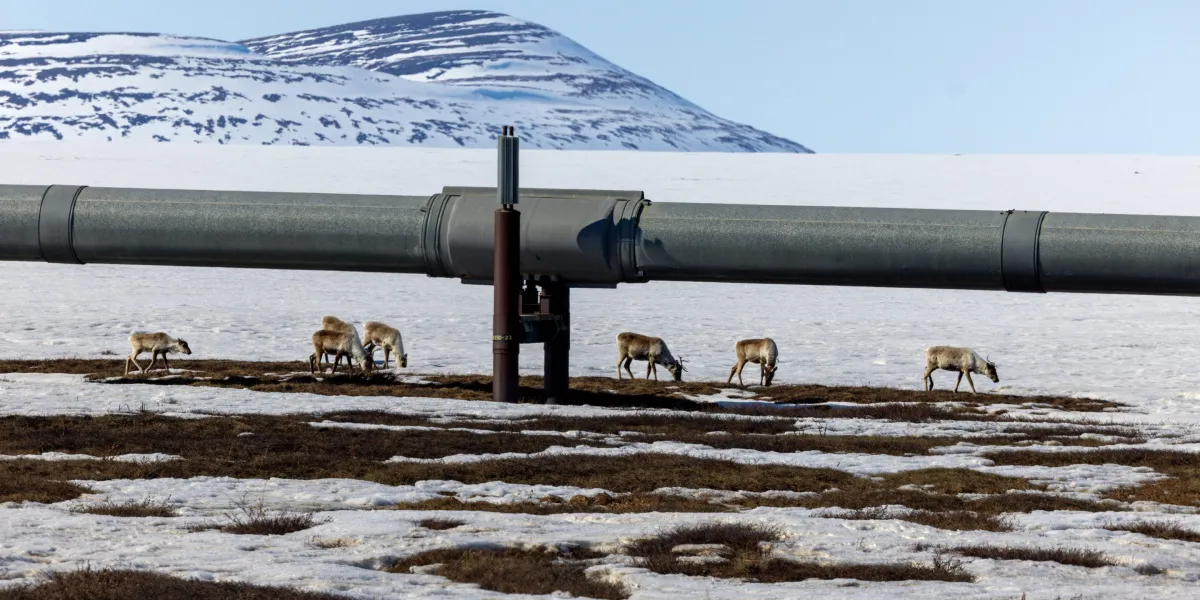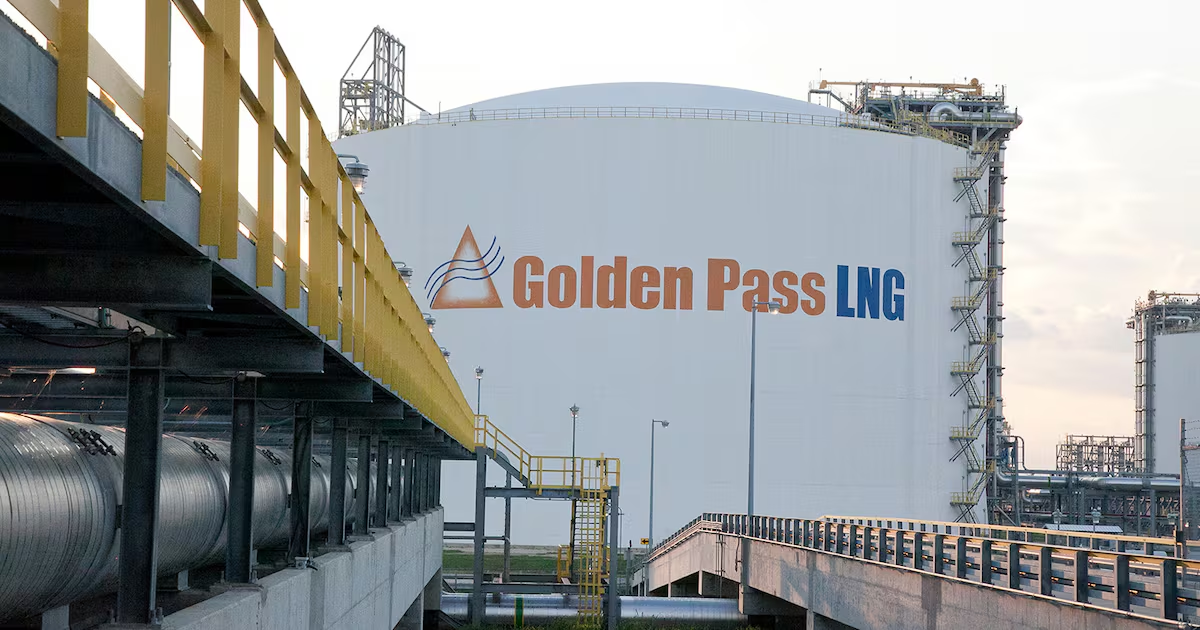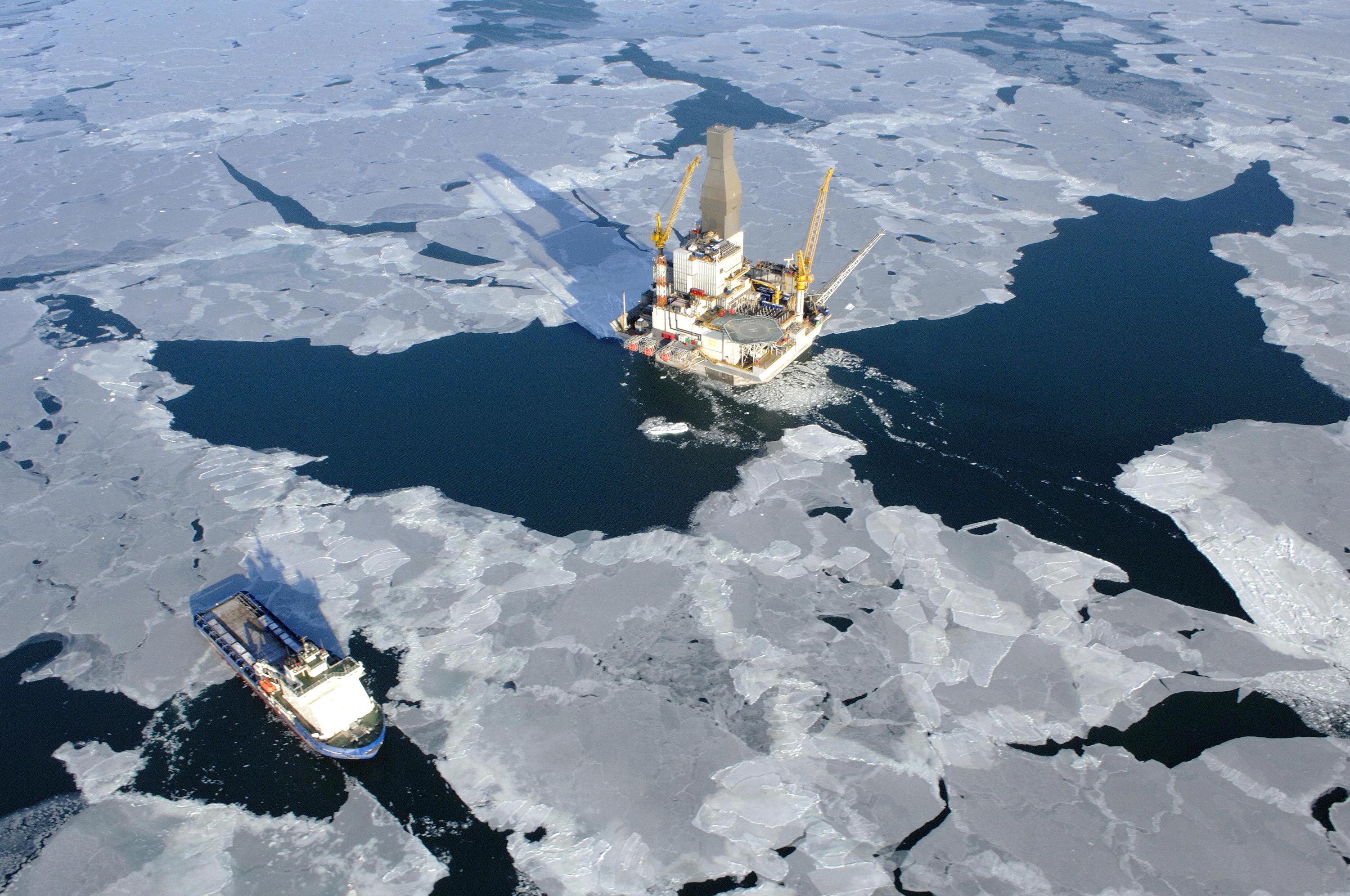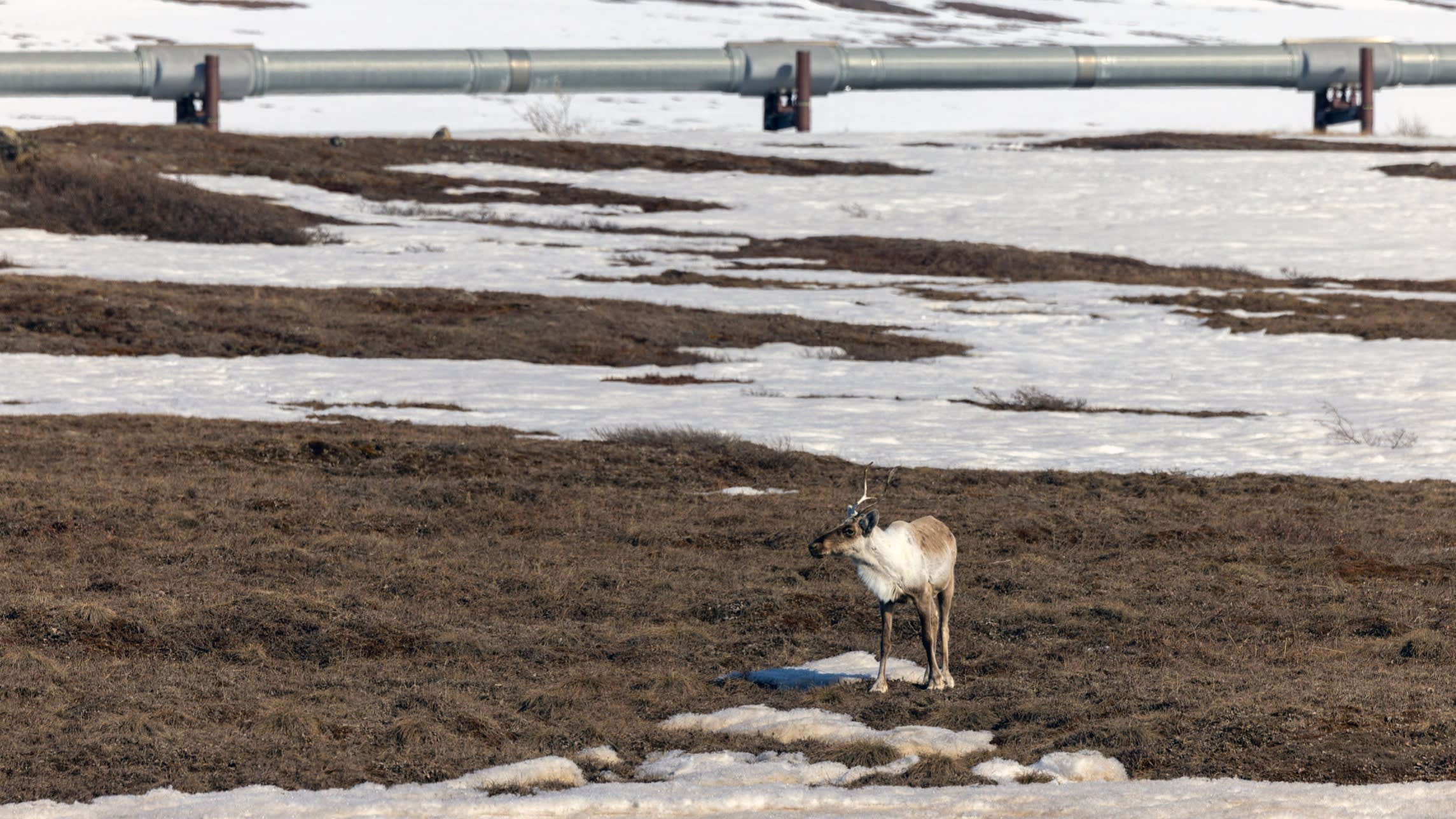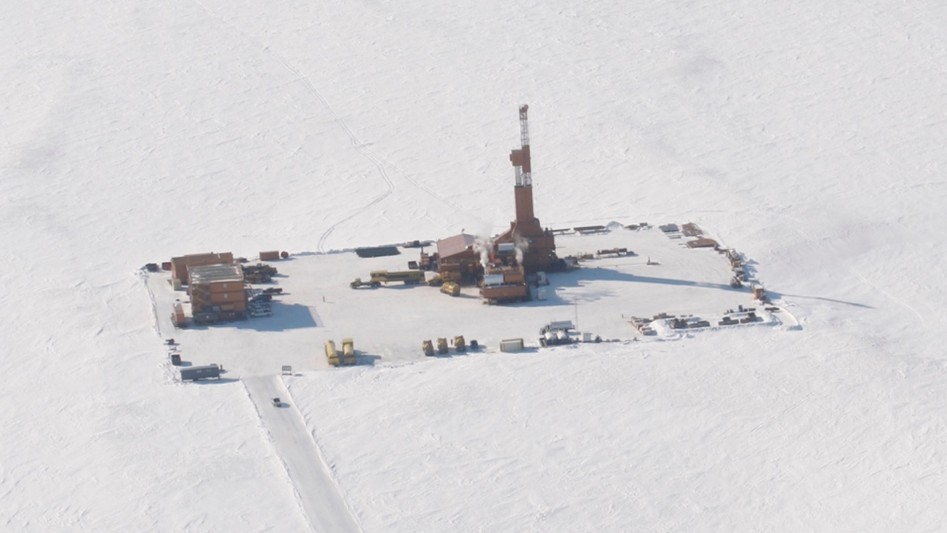
Oil majors are rediscovering Alaska amid the unprecedented oil and gas crunch caused by the war in the Middle East. Previously considered a sort of toxic drilling destination, the northernmost state is now returning to the spotlight as a source of secure supply.In early May, the Bureau of Land Management launched a lease sale for 625 tracts across about 5.5 million acres in the National Petroleum Reserve. The sale attracted record bids totaling $163 million, from companies including Exxon, Repsol, ConocoPhillips, Santos, and Shell.“It feels like a bit of the Alaska renaissance,” ConocoPhillips chief executive Ryan Lance said recently, as quoted by Bloomberg. “When you think about the strategic importance of where we are going to find the conventional oil to satisfy the growing demand around the world, people are coming back to places like Alaska. So it does very much feel like back to the future.” Conoco, and fellow bidder in the recent lease sale Santos, are the companies engaged in the only two recent oil and gas projects to start in Alaska. Conoco runs the Willow project, which was greenlit by President Biden in what enraged his environmentalist voters at the time, and Santos recently launched commercial production at the Pikka project.The Bureau of Land Management approved Conoco’s 160,000-bpd Willow project in the National Petroleum Reserve of Alaska in late 2020. Government officials hailed the project as a job creator and a guarantee that oil will continue to flow along the Trans Alaska Pipeline. The Pikka project, for its part, is seen adding some 80,000 barrels daily to Alaska’s total output by the third quarter of this year.The legacy producing region used to pump 2 million barrels daily about twenty years ago, at the peak of its exploitation. Now, this has fallen to below 600,000 barrels daily as environmentalist organizations stage pressure campaigns to limit exploration in ecologically sensitive areas, and costs increasingly look unappealing compared with the shale patch. In evidence that everything is relative, however, the costs of Alaska exploration now look palatable.“What we’re now looking at is a gold rush mentality,” a senior activist from the Natural Resources Defense Council told Bloomberg this month. Indeed, there is a gold rush mentality in the energy industry now as oil and gas have suddenly become scarce commodities, with an estimated 14 to 15 million barrels of crude in daily supply gone for the observable future. This has made replacement a matter of the utmost urgency—and not just over the short term, as evidenced by the return of Big Oil majors that had previously left, presumably for good.“What surprised us in the lease sale wasn’t only the dollar levels, but the new or returning entrants, like Shell and Exxon,” Bruce Dingeman, Santos vice president and head of the Australian company’s Alaska operations, said in comments on the recent lease sale, also quoted by Bloomberg. “That was a vote of confidence for the geology and the play, but it was also a vote of confidence that the regulatory reform is going to allow for responsible development to continue.”This responsible development will now include liquefied natural gas: interest in the Alaska LNG export project has spiked since the war in the Middle East choked 20% of global LNG supply and sent Asian buyers scrambling for expensive spot cargoes. Previously considered rather costly, with a price tag of some $40 billion, Alaska LNG now looks quite attractive as a source of long-term, secure supply. And Alaska looks like an energy hotspot once again, contrary to expectations that the future of oil and gas is shale only.By Irina Slav for Oilprice.comMore Top Reads From Oilprice.comOil Prices Plunge Below $100 on Iran Deal OptimismU.S.-Iran Deal Delayed as Trump Refuses to “Rush” AgreementTotalEnergies Eyes $100M+ Stake Sales in European Solar and Wind Portfolio
Alaska’s Oil Revival Gains Momentum | OilPrice.com
Oil majors including Exxon, Shell, ConocoPhillips, and Santos are ramping up investment in Alaska as the Middle East supply crisis boosts demand for secure long-term oil and gas sources.
629 words~3 min read