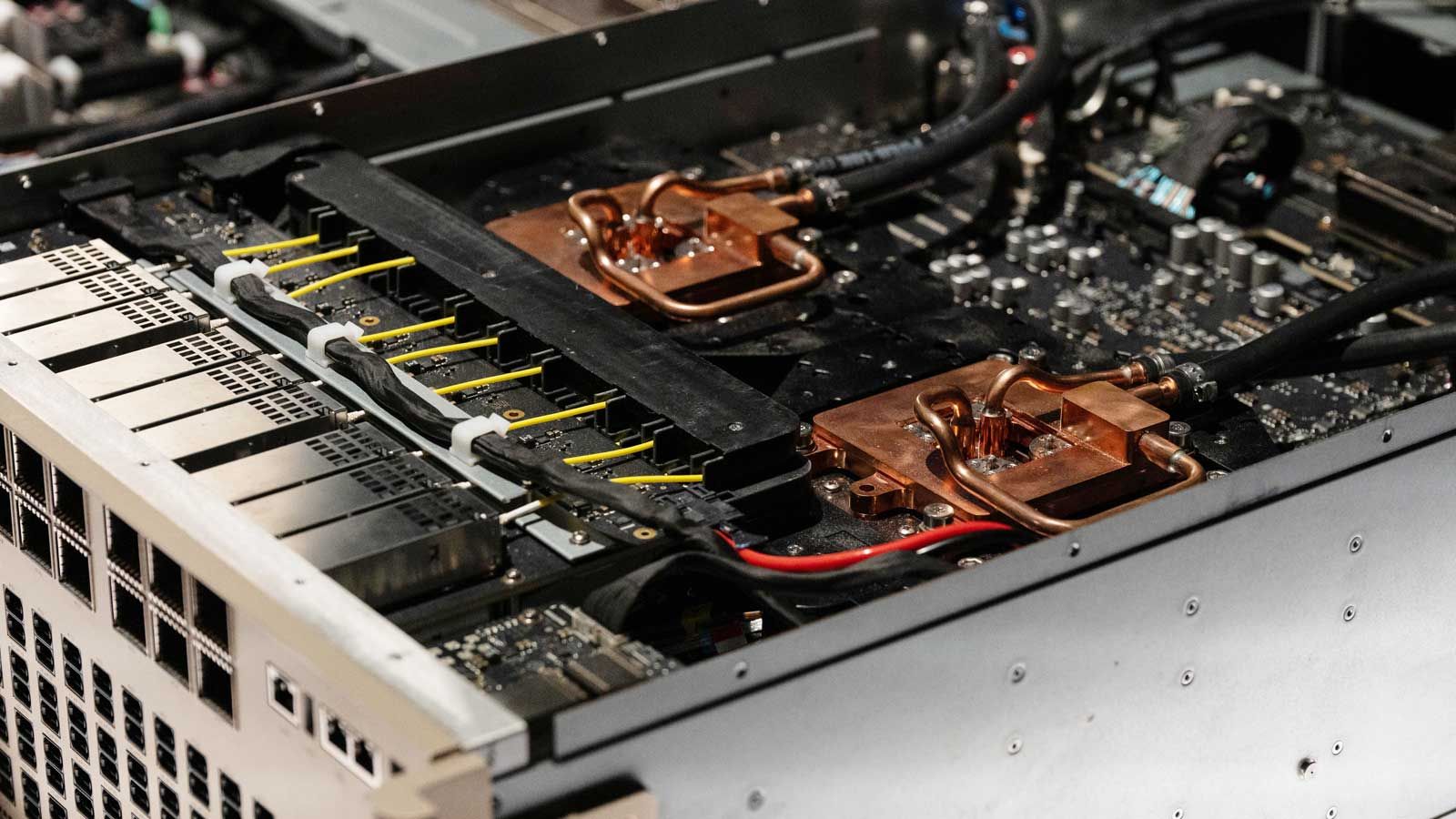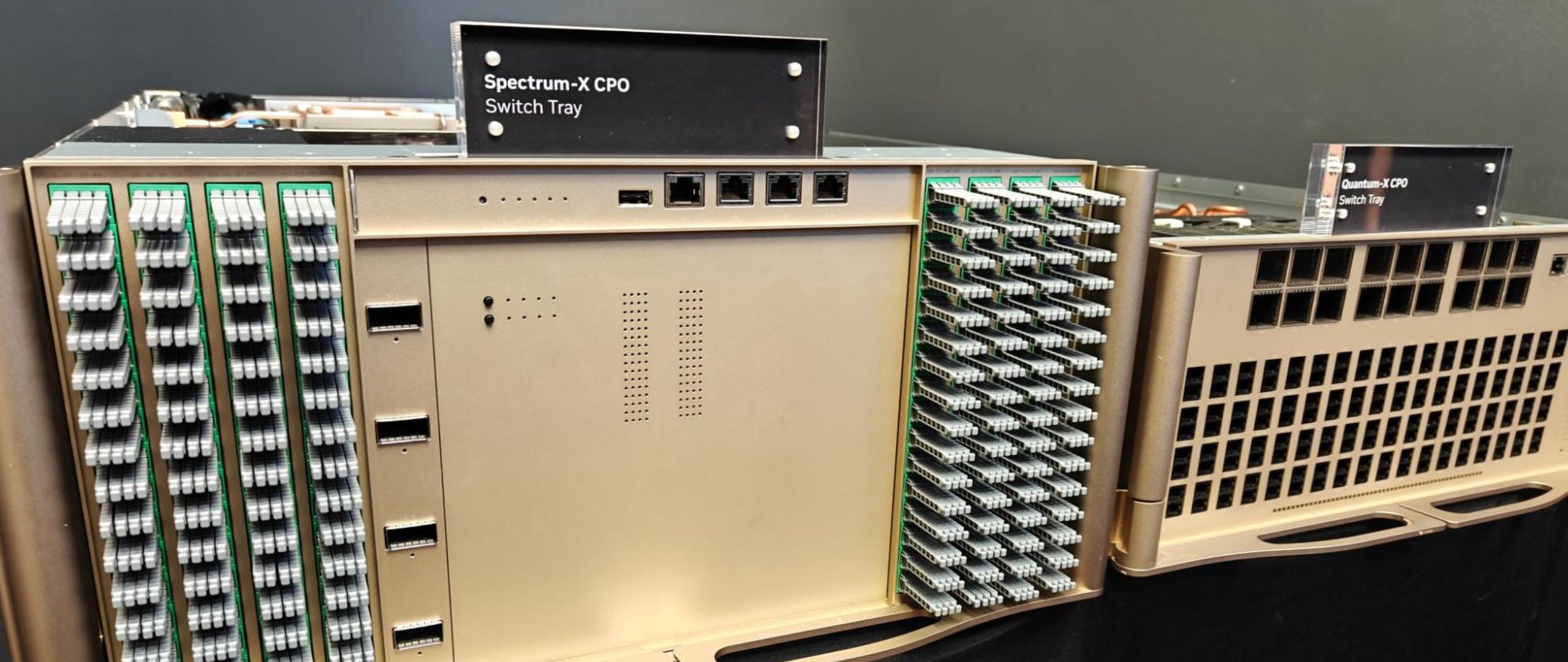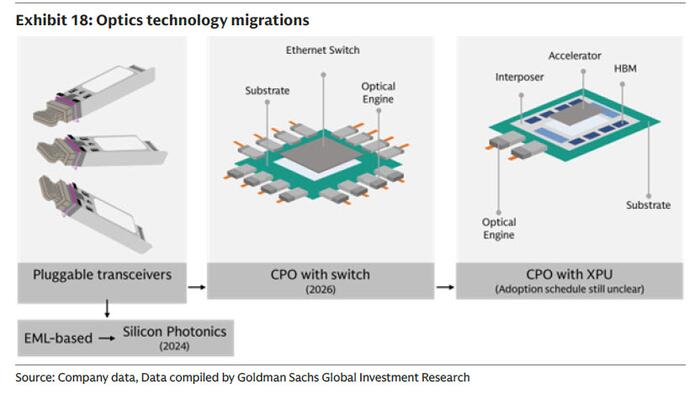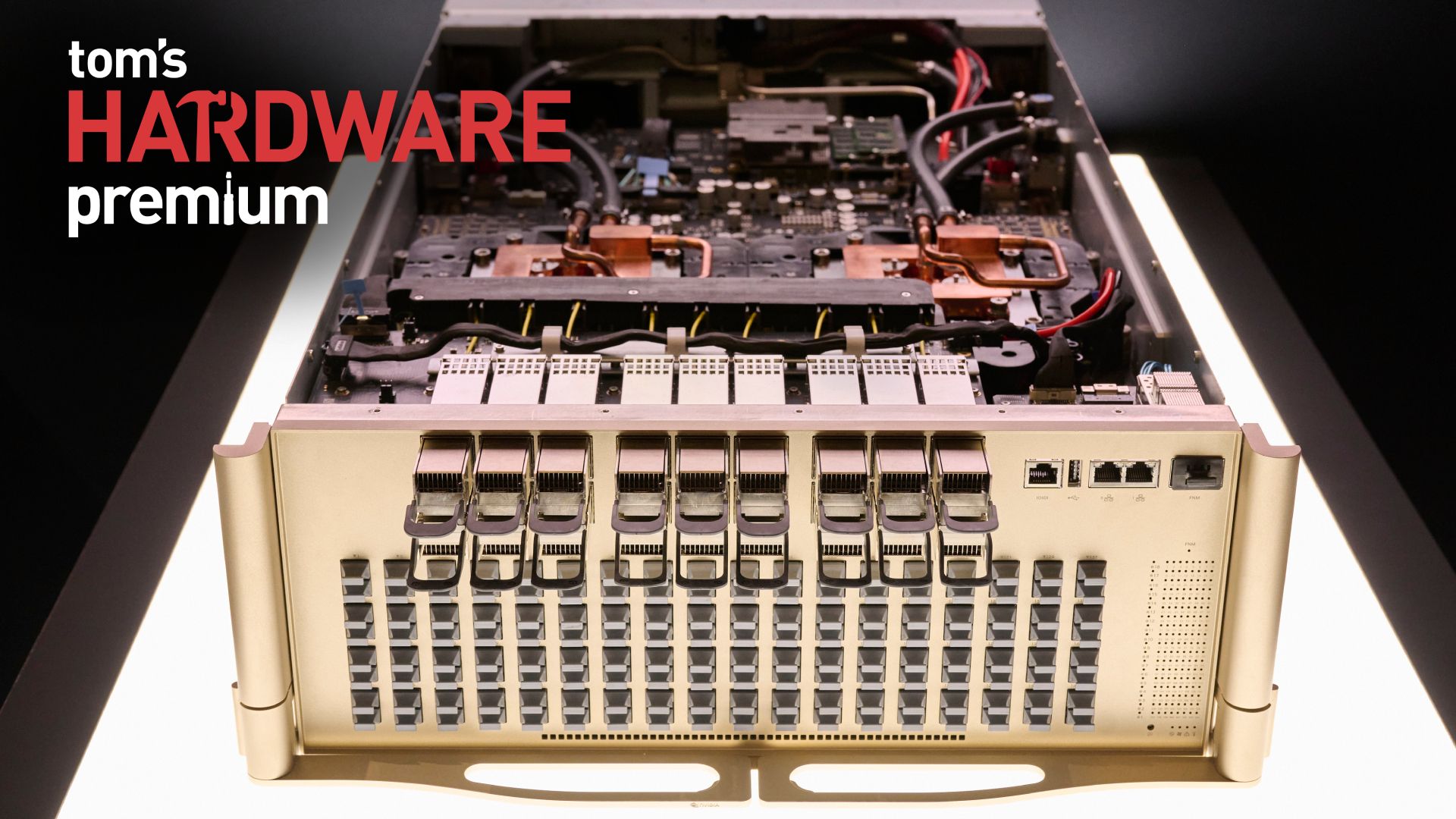
The race to solve AI's copper bottleneck for scale-up and scale-out intensified last week, as the Federal Communications Commission (FCC) is drafting a measure that would block imports of new Chinese transceiver models, with officials hoping to publish the rule before the end of 2026. Yesterday, we covered exactly how much of the Secure Networks Act might rely on Chinese-made optical module manufacturers.The technology is currently driving billions in acquisitions among companies like Marvell and Nvidia, and sending stock prices for dedicated Western Photonics companies like Coherent and Lumentum skyrocketing, amid calls that key materials like indium phosphide are in short supply.
How optical interconnects and silicon photonics emerged as AI's next hot commodity
The U.S. wants Chinese optical transceivers out of future AI data centers, but China’s current dominance of the rapidly evolving photonics supply chain could make a ban complicated
TL;DRAI
FCC blocks Chinese optical transceivers by end-2026; Marvell and Nvidia lead billions in silicon photonics M&A amid indium phosphide scarcity. Copper-to-optics infrastructure shift for AI data centers turns geopolitical—Western photonics stocks surge, but material and tariff costs escalate capex decisions for enterprise.
102 words~1 min read